I arrived in Santiago, the capital of Chile. In Latin America I'd been to Costa Rica, Nicaragua, and Mexico, but this was my first time in South America. The country on the other side of the Andes — that was about as far as my mental image went.
October in Santiago is spring. The Southern Hemisphere flips the seasons, so just as Japan starts heading into autumn, here flowers begin to bloom. The sky is impossibly blue. Maybe it's the dry wind blowing down from the Andes — humidity is low and the air feels crisp.
Palacio de los Tribunales
Walking through downtown, a heavy stone building catches the eye. The Palacio de los Tribunales (Supreme Court). A grand Neoclassical building with a bronze statue and monuments out front. It sits in Santiago's civic center, the historic core that goes back to colonial times.
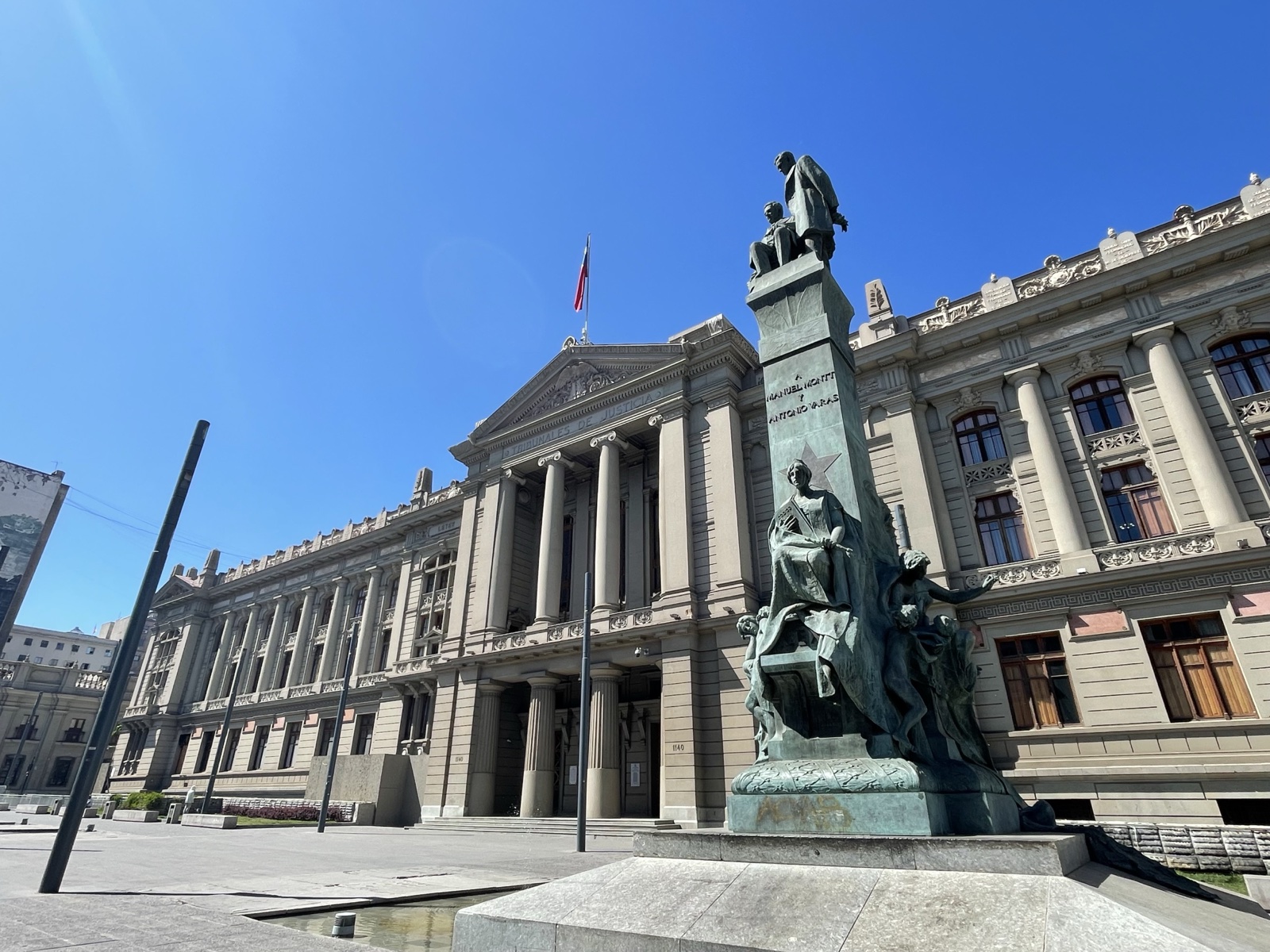
The Chilean National History Museum and the presidential Palacio de La Moneda are also nearby. European-style architecture lined up under a blue sky gave both impressions: "I'm in South America" and "this is more European than I expected." Chile retains a lot of its Spanish colonial architectural heritage.
To the Museums
From downtown, I walked toward Parque Forestal. The Chilean National Museum of Fine Arts and the Museum of Contemporary Art are clustered here.
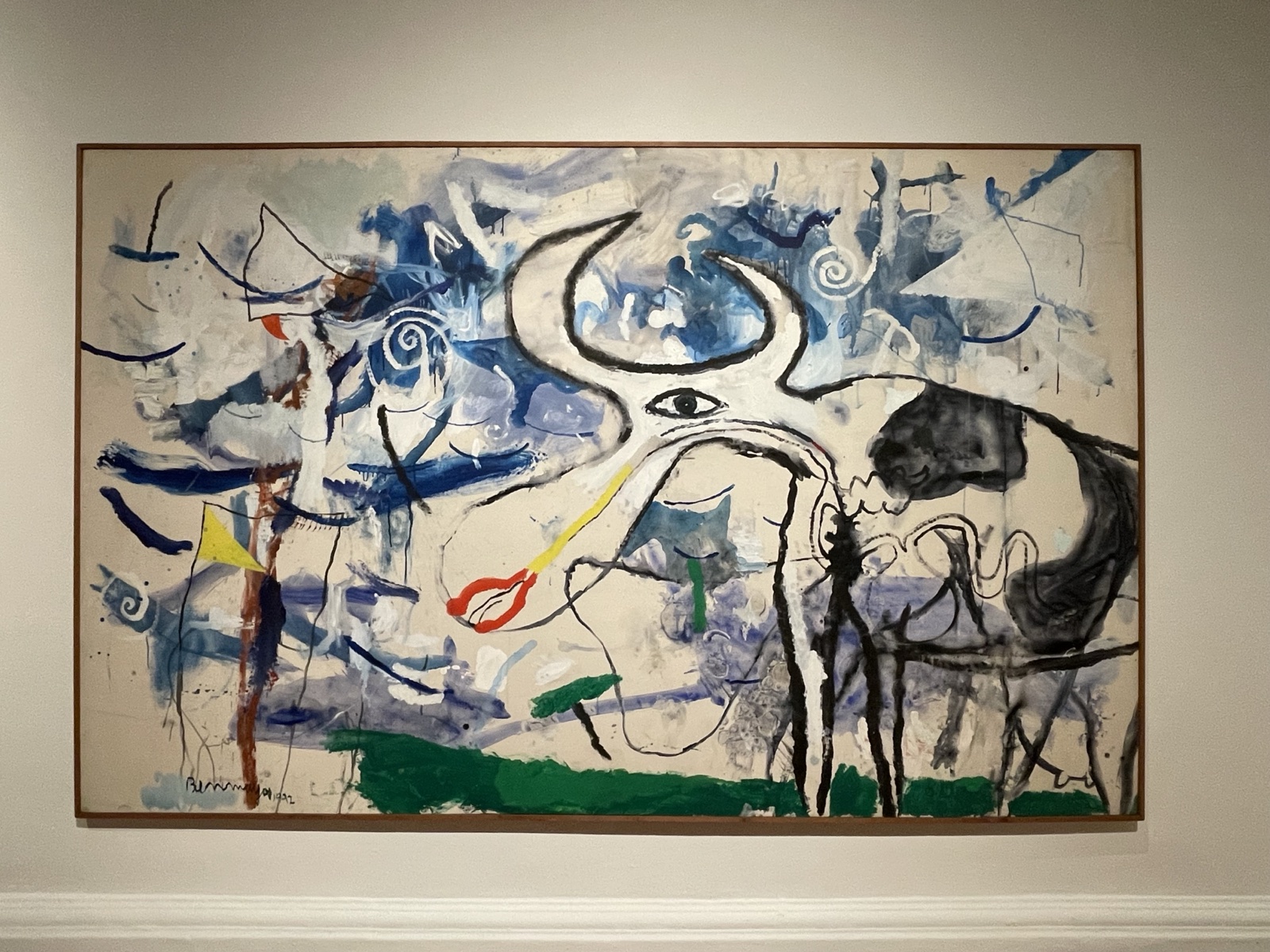
What was on display were paintings and sculptures by Chilean and Latin American artists. Latin American contemporary art often has politics and society as its backdrop, with energy that's direct and worth taking time over. I stood in front of one large abstract piece longer than I planned.
Santiago is interesting just to walk around in. Heavy buildings, wide plazas, and people's daily life carrying on within them. From the first day, I thought it was a good city.
Travel guide (general info)
※ This section combines public information with the author's notes; please confirm the latest entry, safety, and operating details on the official sites.
Walking Santiago's civic center
- The center clusters La Moneda Palace (presidential offices), the Supreme Court, the National History Museum and the Plaza de Armas — all walkable.
- Metro Línea 1 (red) is the main artery; Universidad de Chile and La Moneda are good starting stations for sightseeing.
- A rechargeable BIP card lets you use both metro and bus on a single fare with transfer discounts.
Best season and what to wear
- The southern hemisphere reverses the seasons: October–November (spring) and March–April (autumn) are dry and ideal for sightseeing.
- Summer (Dec–Feb) brings strong sun and 30 °C+ days; winter (Jun–Aug) is cold in the mornings and evenings, with more smog.
- Santiago sits in an inland basin around 520 m above sea level — daytime/night-time swings are big. A light jacket you can shed is useful.
Entry, safety and practical info
- Japanese passport holders enter visa-free for tourism up to 90 days. Six months passport validity is recommended.
- The currency is the Chilean peso (CLP). Cards are accepted nearly everywhere, but keep a little cash for markets.
- Central Santiago is safe by day, but pickpocketing and bag-snatching are commonly reported. Wear backpacks on your front and avoid solo walking in busy nightlife areas after dark.
References
Planning a trip to Chile?—Having a single guidebook on hand makes choosing transport, lodging, and places to eat so much smoother.