From multi-part series to one-off travel essays. Filter by country, region, or theme.

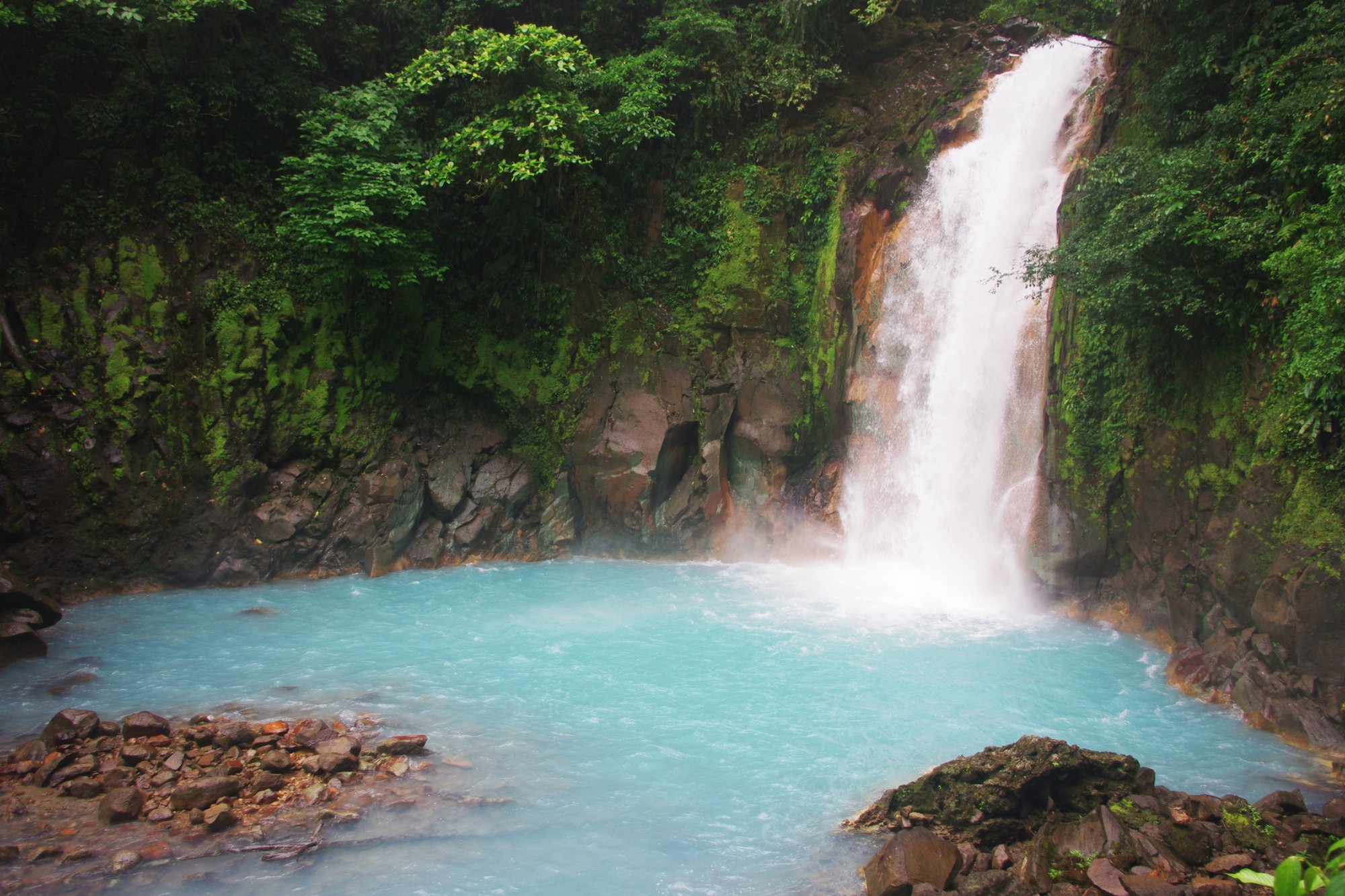
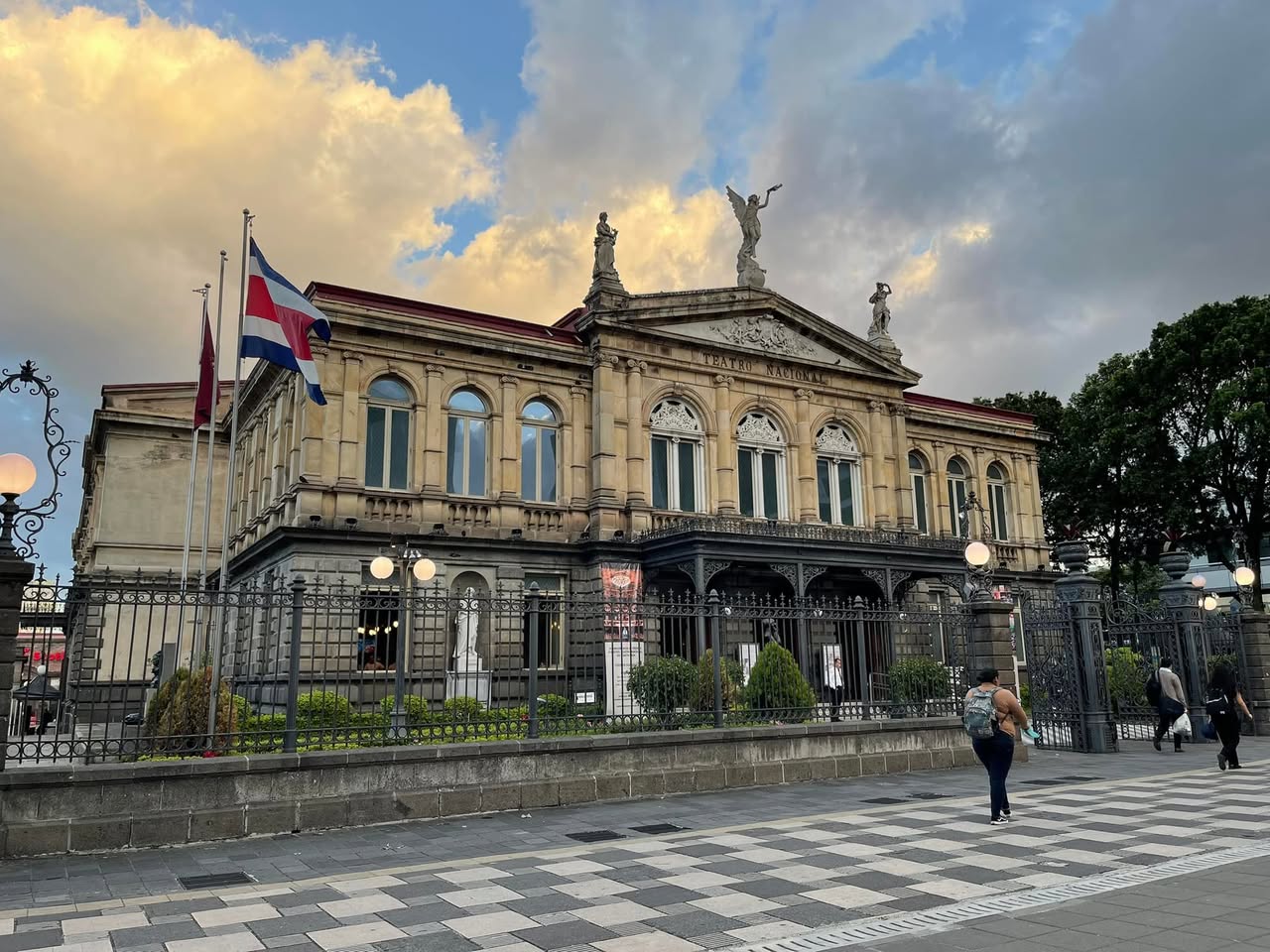
A small Central American country, Costa Rica. Despite its area being only about the size of Japan's Kyushu and Shikoku combined (51,100 km²), it's home to about 5% of the world's biodiversity.

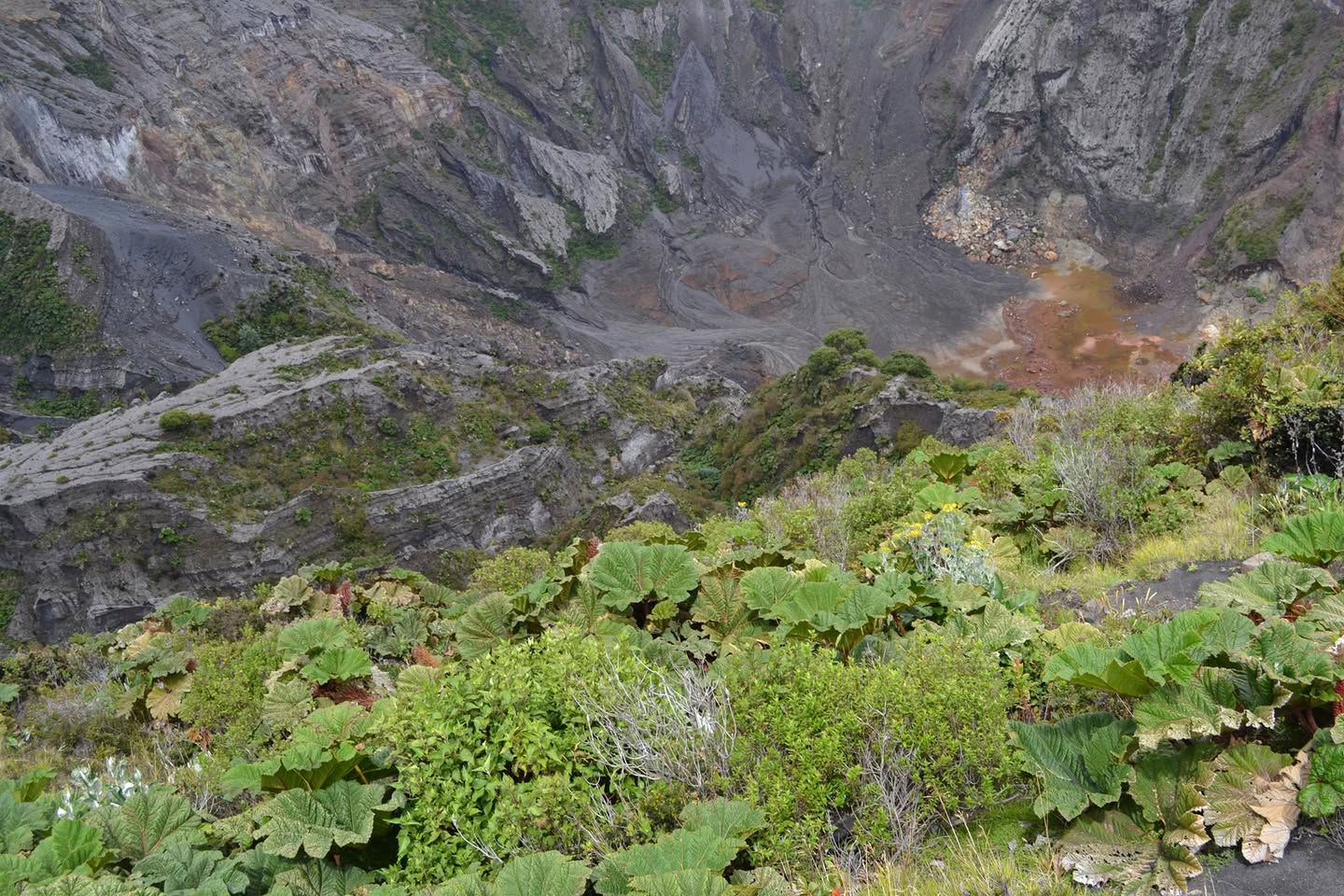
A trip to the volcano on Costa Rica's coat of arms. After a 2-hour bus ride to see the famous emerald-green crater lake, I found nothing.

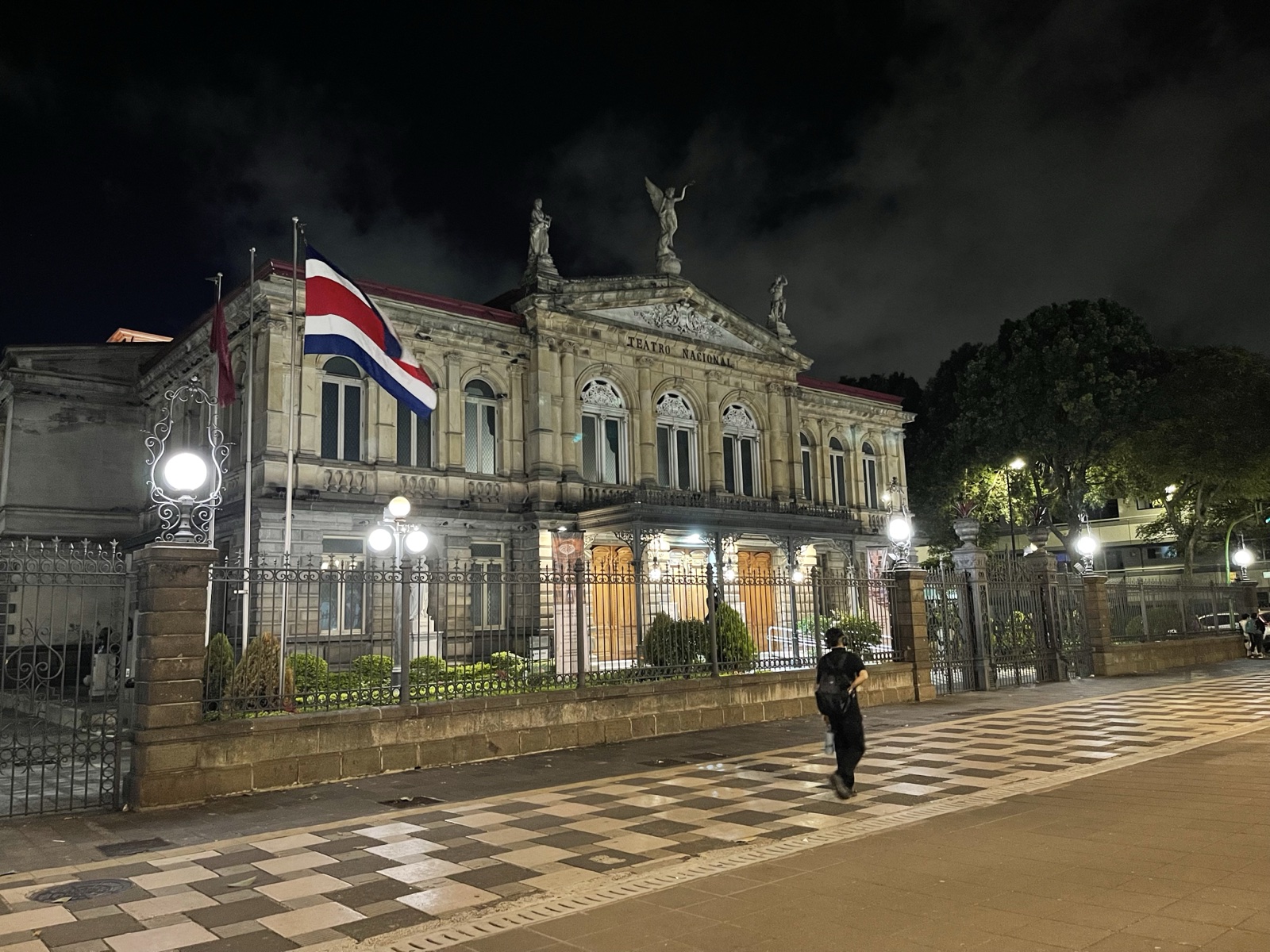
Costa Rica's holiday season — Festival de la Luz parade, Christmas tamales made with the whole family, bullfights and nonstop firecrackers ringing in the new year.

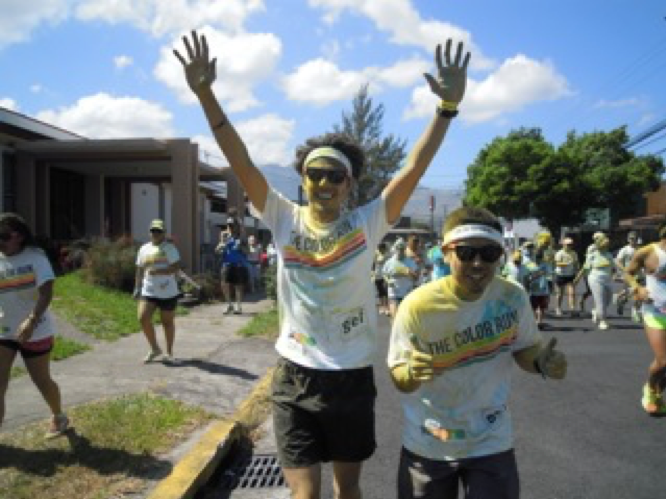
A visit to the Japanese school in San José for sports day, and the Color Run that turned the capital's streets into bursts of color.

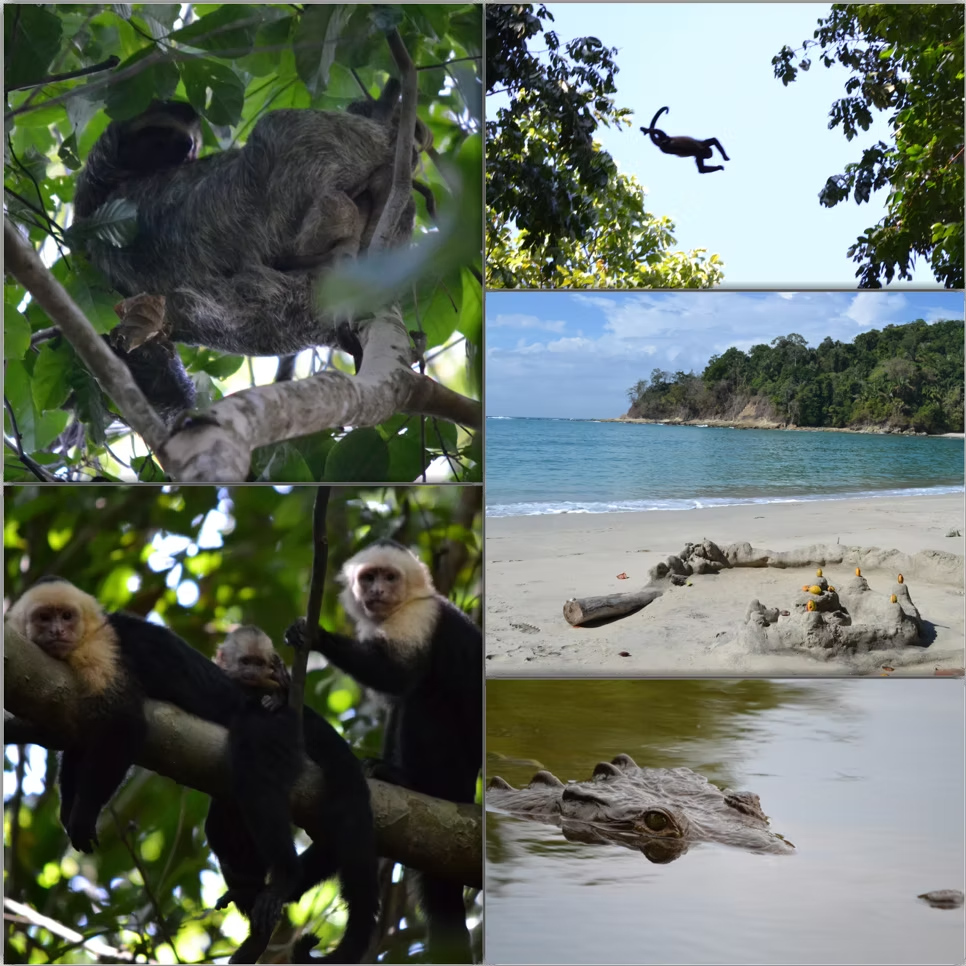
A Semana Santa trip from San José to Manuel Antonio National Park — sloths, monkeys, and beaches packed with holiday travelers.

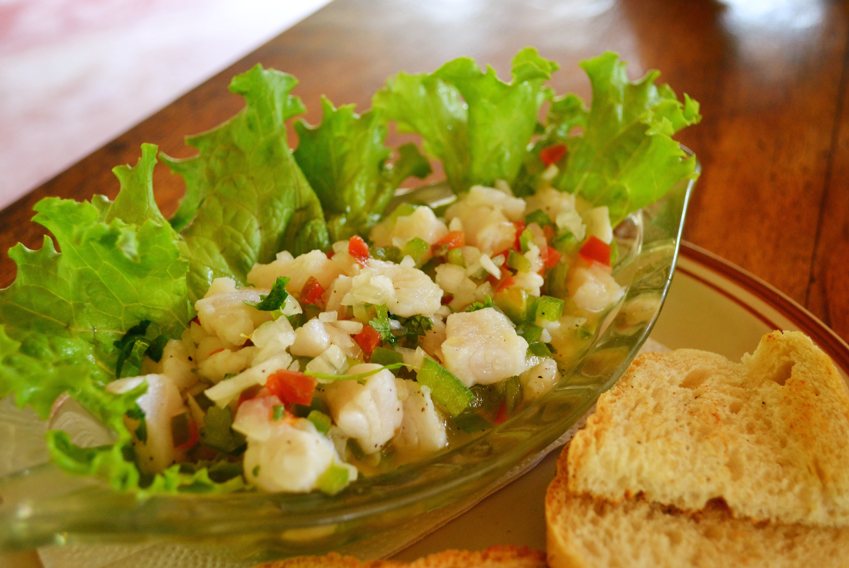
A guide to the dishes I ate across Central America — ceviche, gallo pinto, rice & beans — and a recipe to make gallo pinto at home.

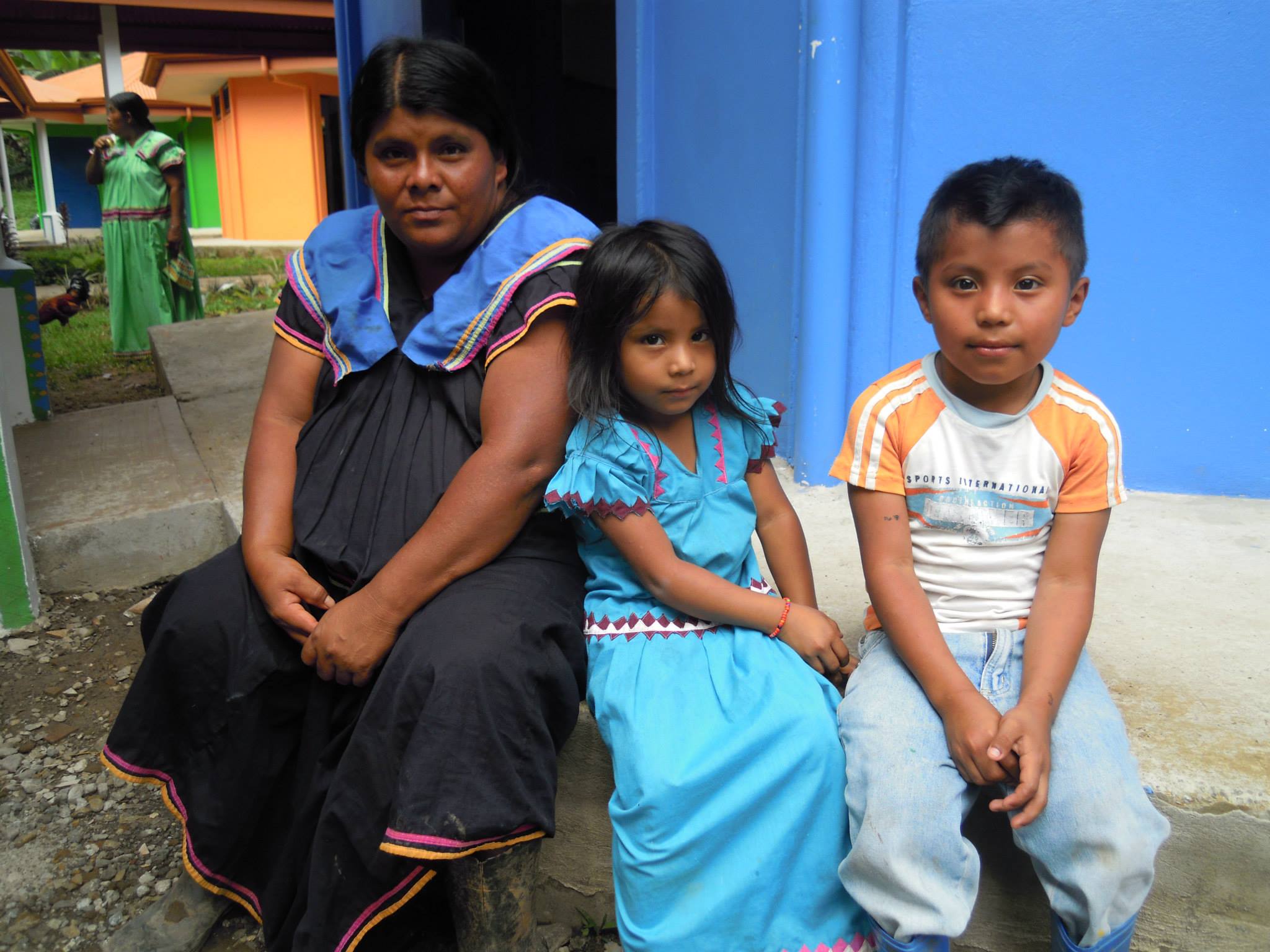
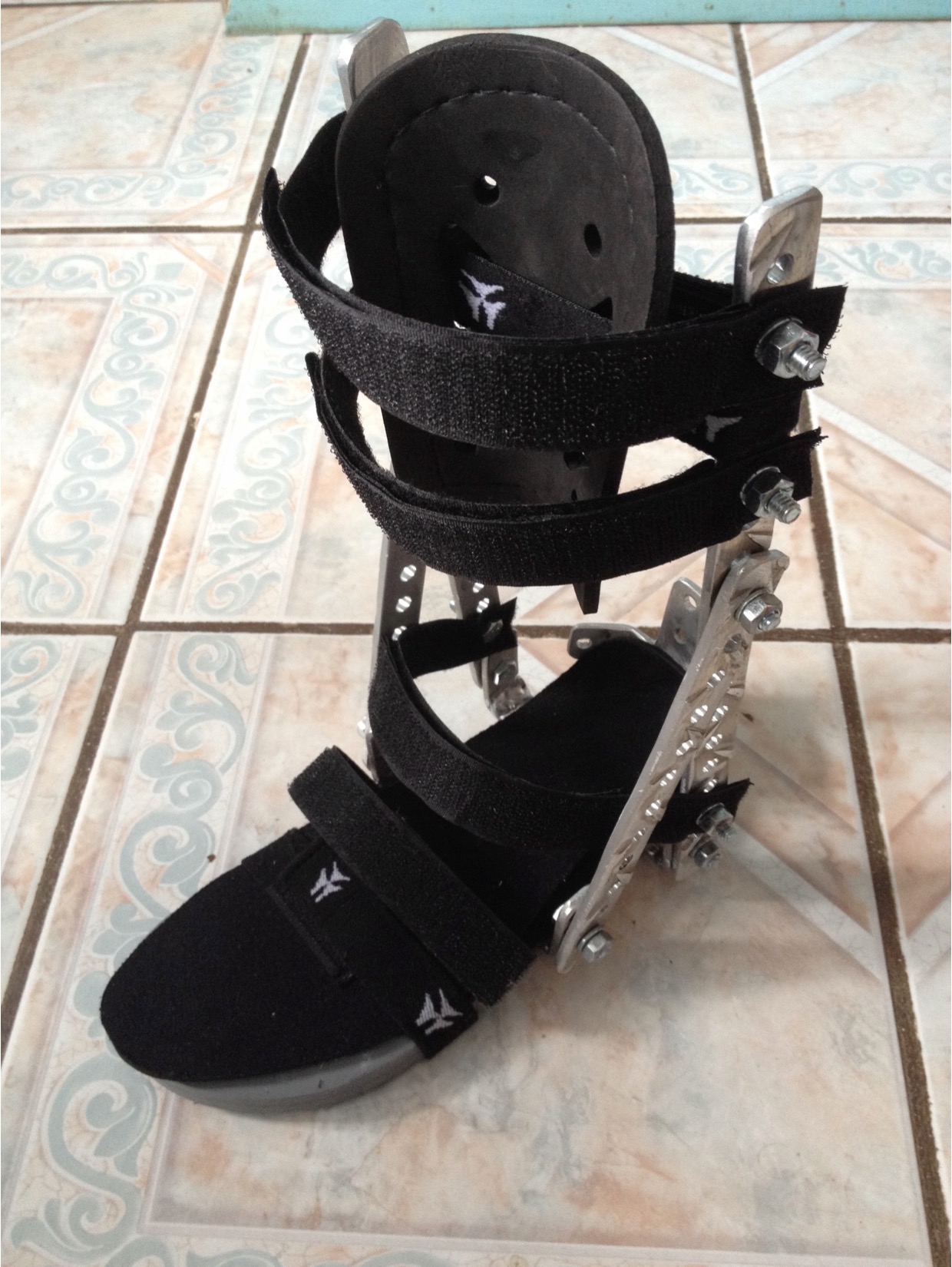
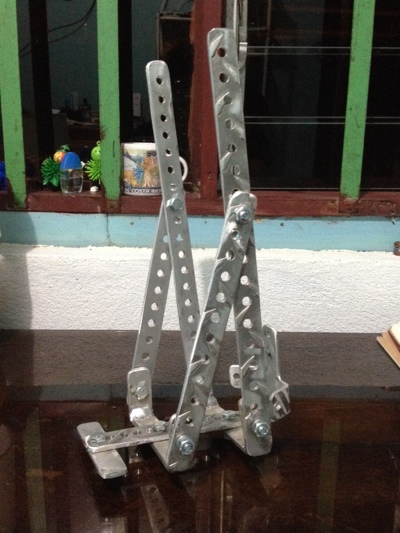
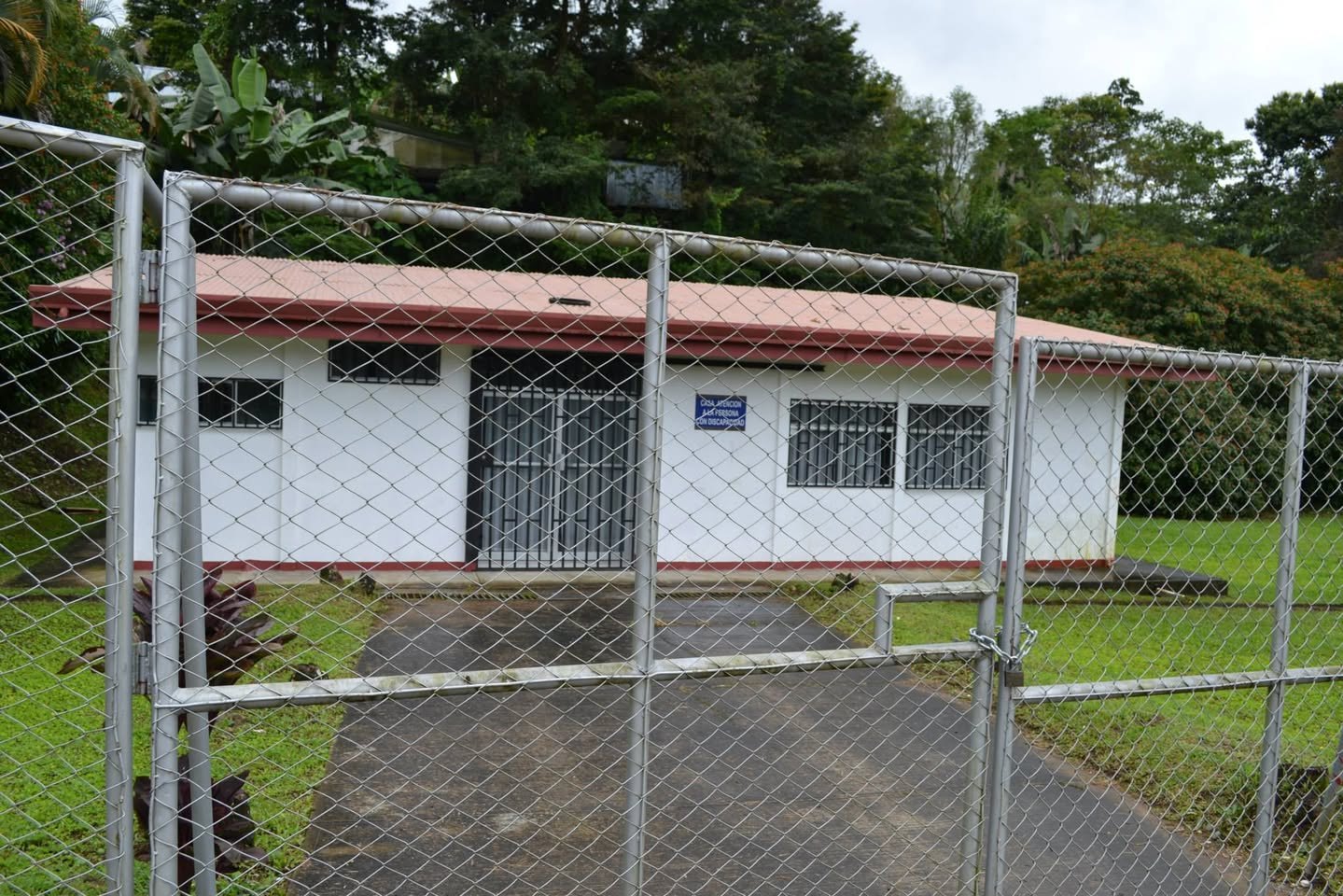
Working at a clinic in southern Costa Rica, I built a 8,000-yen ankle-foot orthosis from sandals, baseball pads and a metal post — and a stroke patient walked on it.

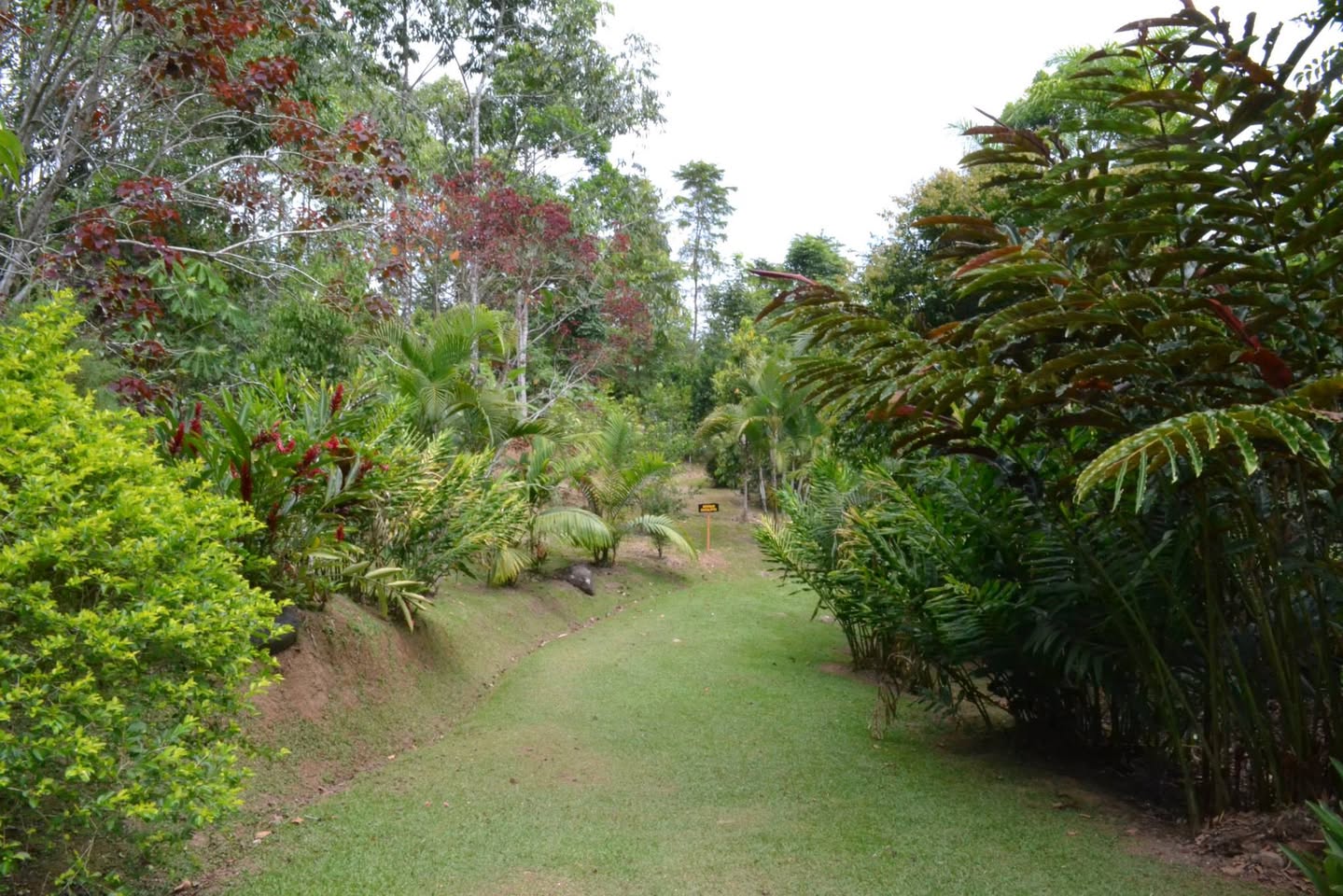
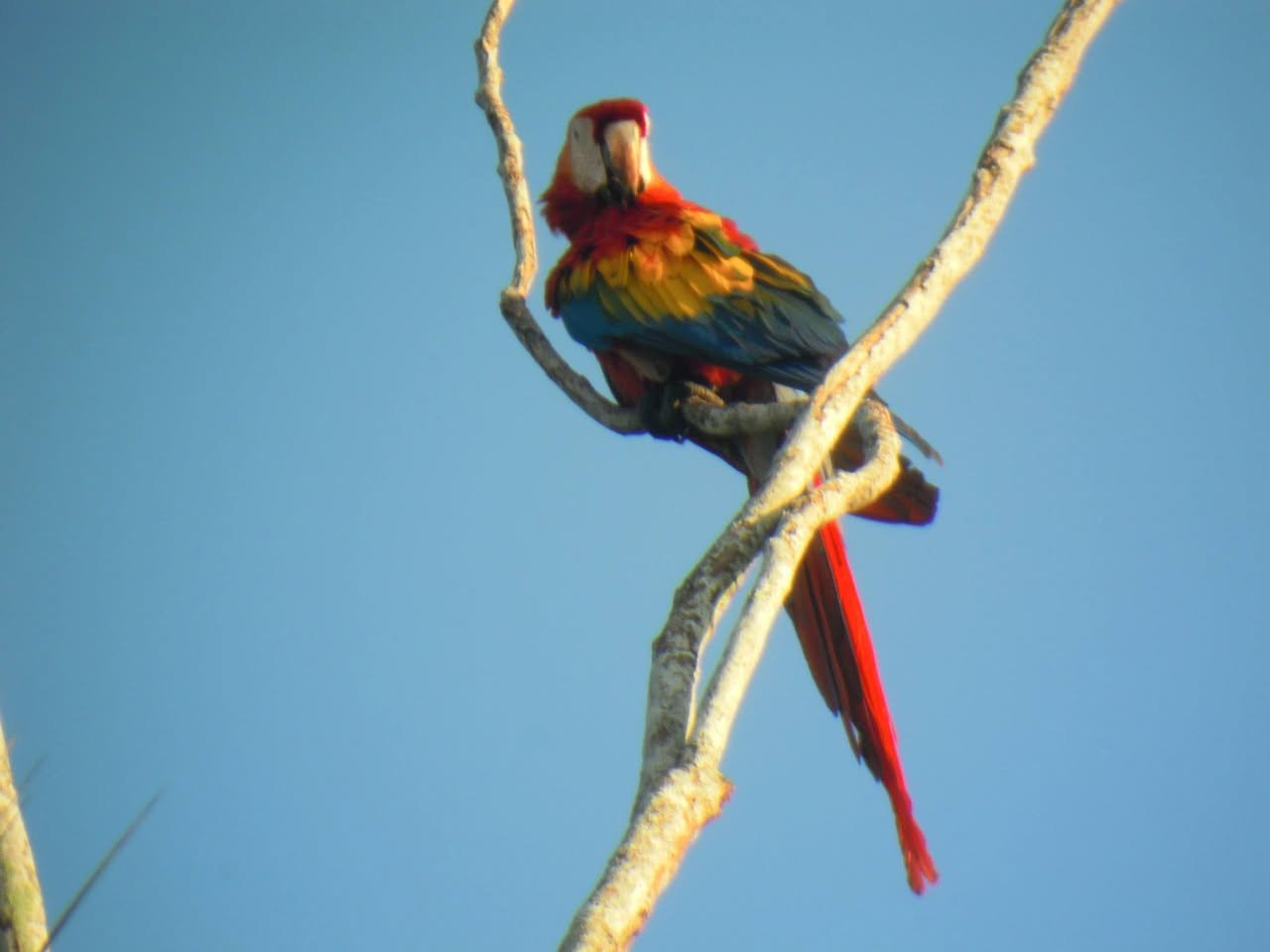
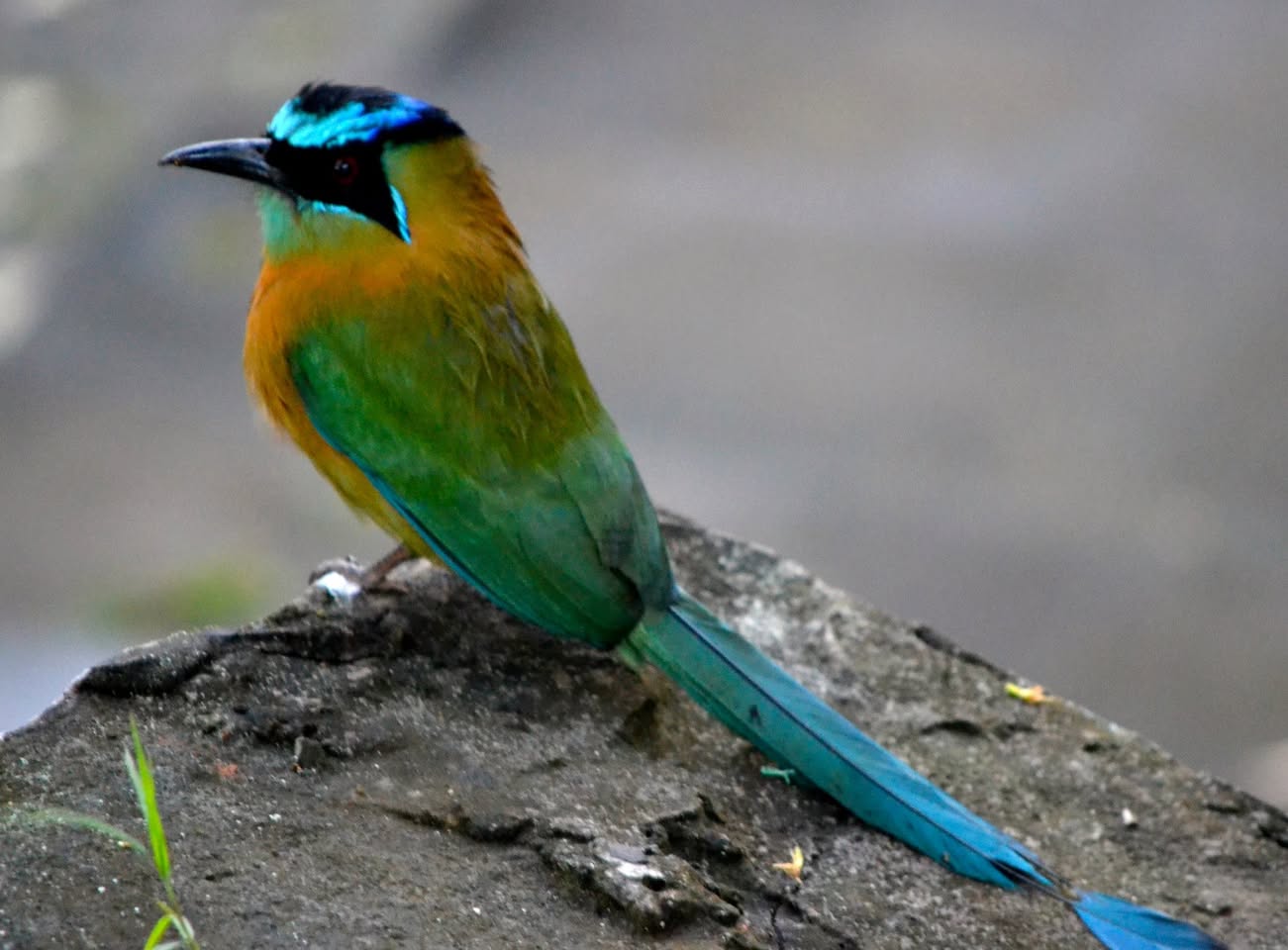
A New Year trip from Caño Negro Wildlife Refuge to the Monteverde Cloud Forest — boat tours, sloths, motmots, capuchin monkeys, and a night tour of frogs and snakes.

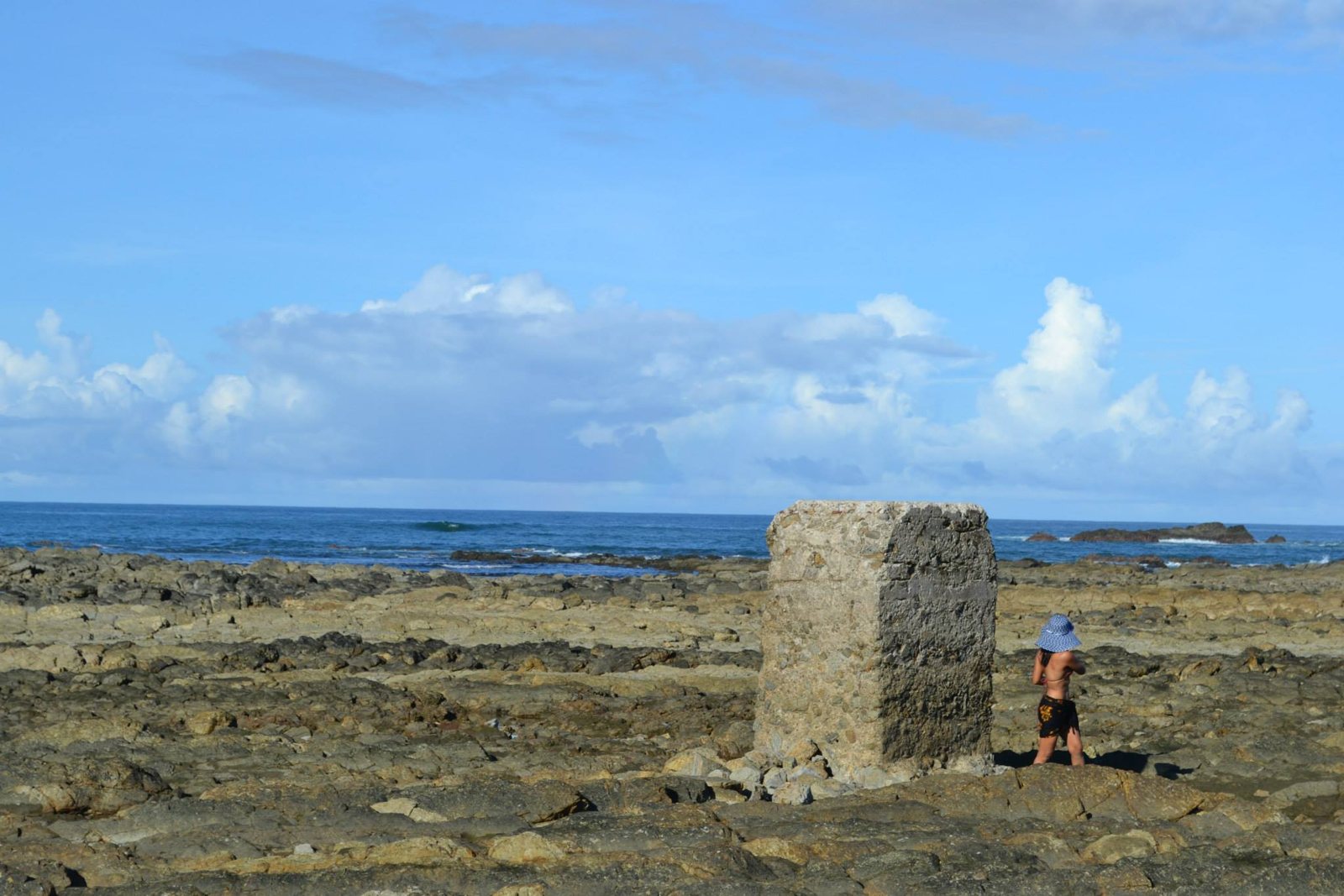
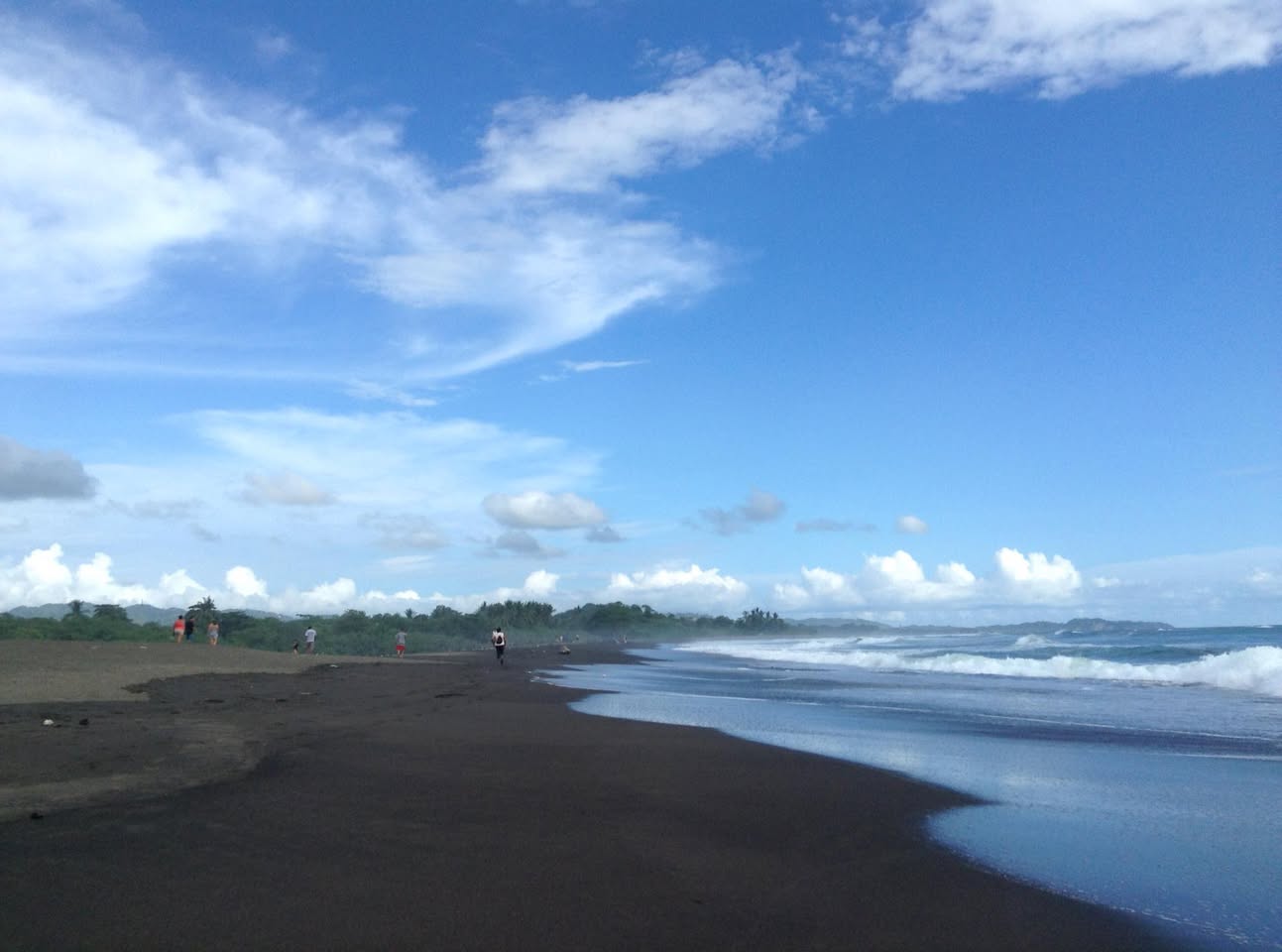
A 14-hour bus trip across Costa Rica to see thousands of Olive Ridley turtles laying eggs — and arriving a week late.

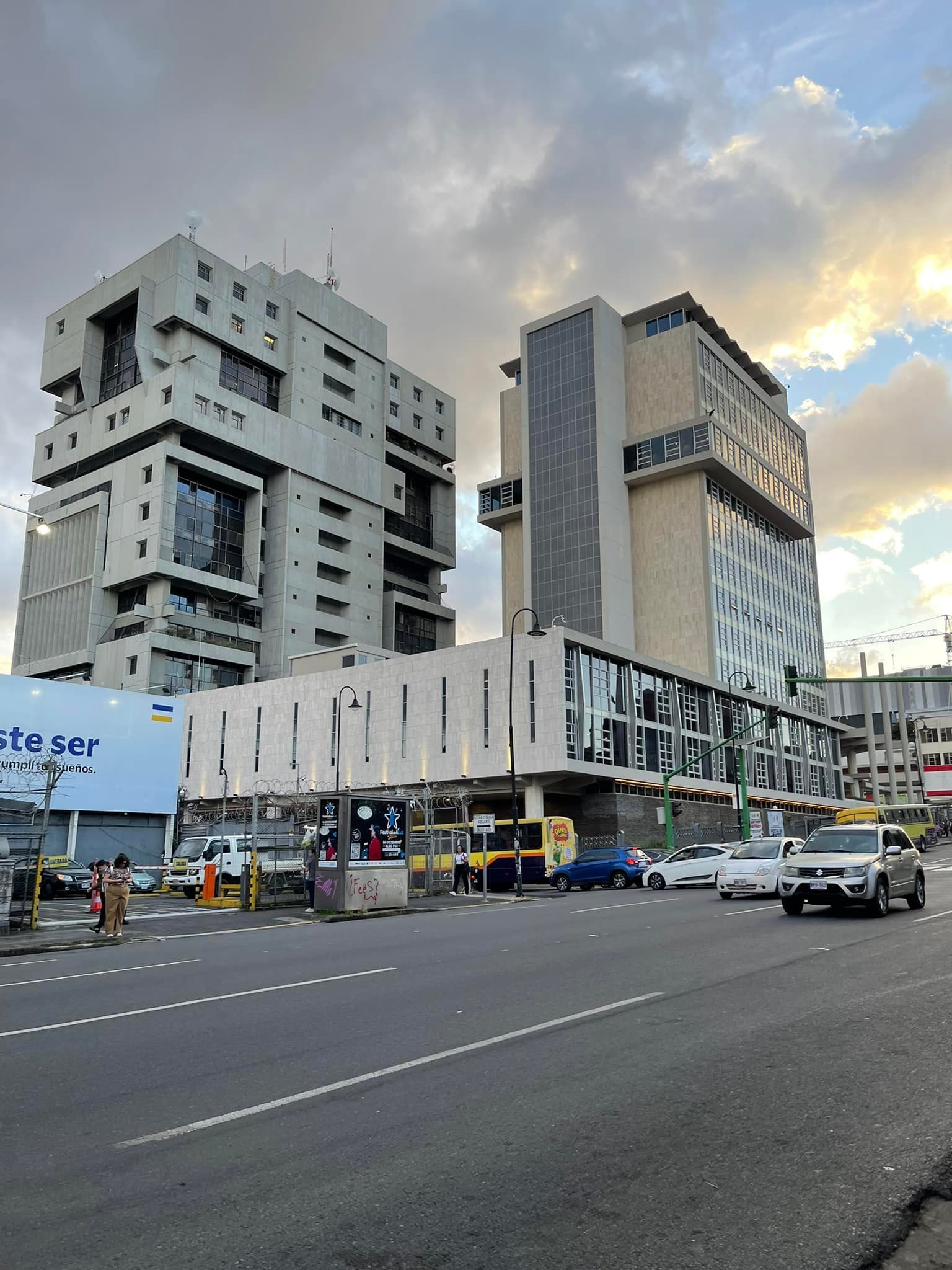
A 2025 trip back to Costa Rica, ten years after I lived there as a JICA volunteer. San José had changed; Pilsen and Imperial hadn't.

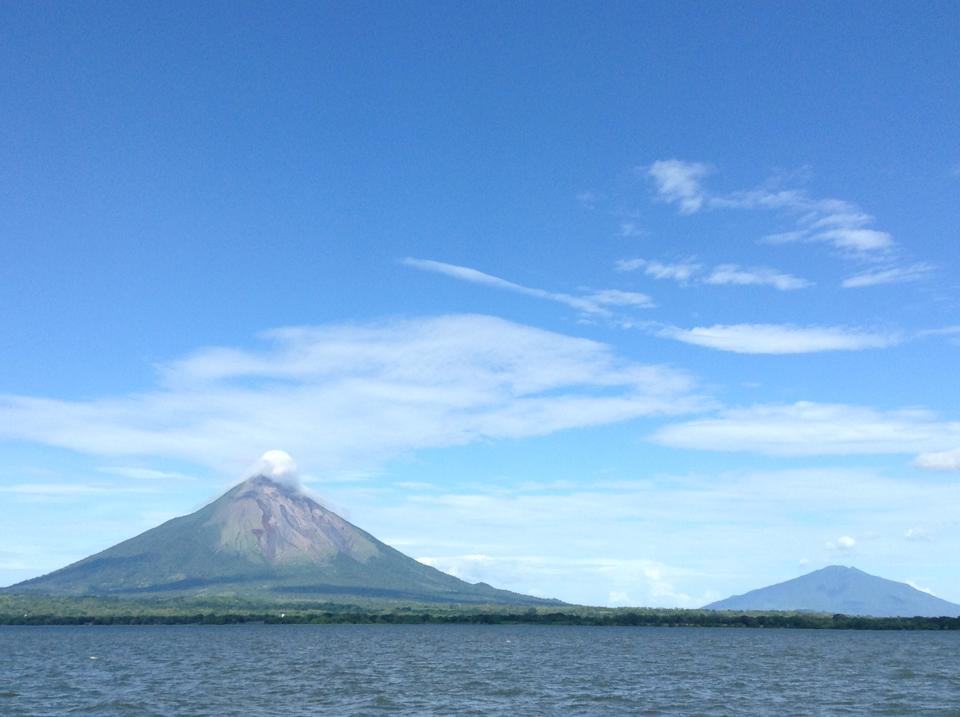
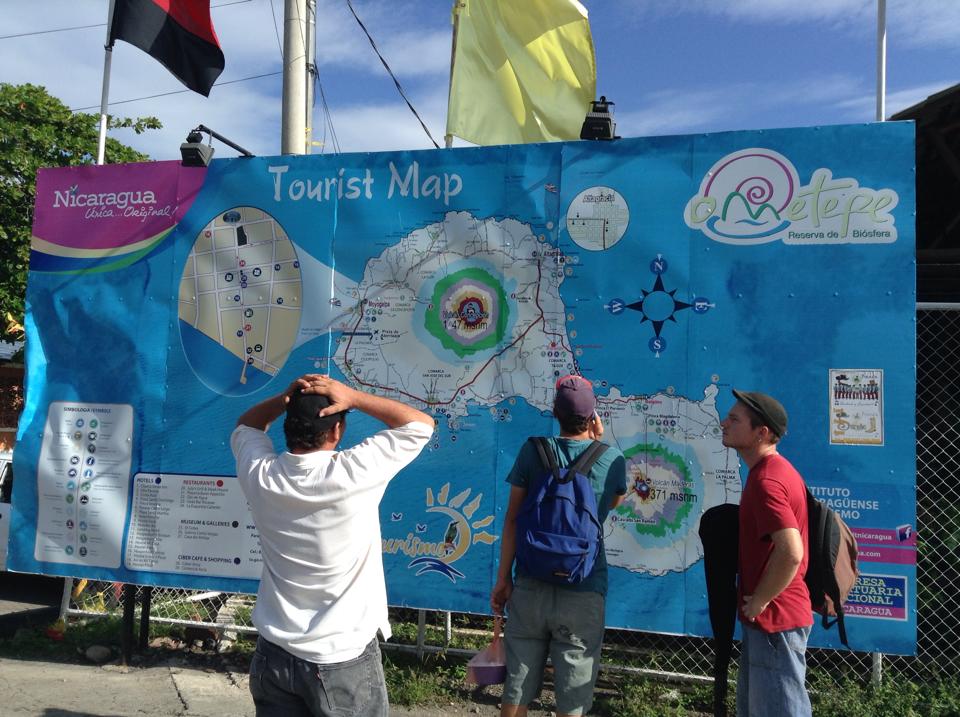
My first border crossing in Central America: long-distance TICA BUS from Costa Rica to Nicaragua, then ferry from San Jorge to volcanic Ometepe Island.

I arrived on Ometepe Island late on a Saturday afternoon. Sunday means no buses, so I hired a guide for about US$40 — pricey at first glance, but far more efficient than crossing the island alone by motorbike taxi.

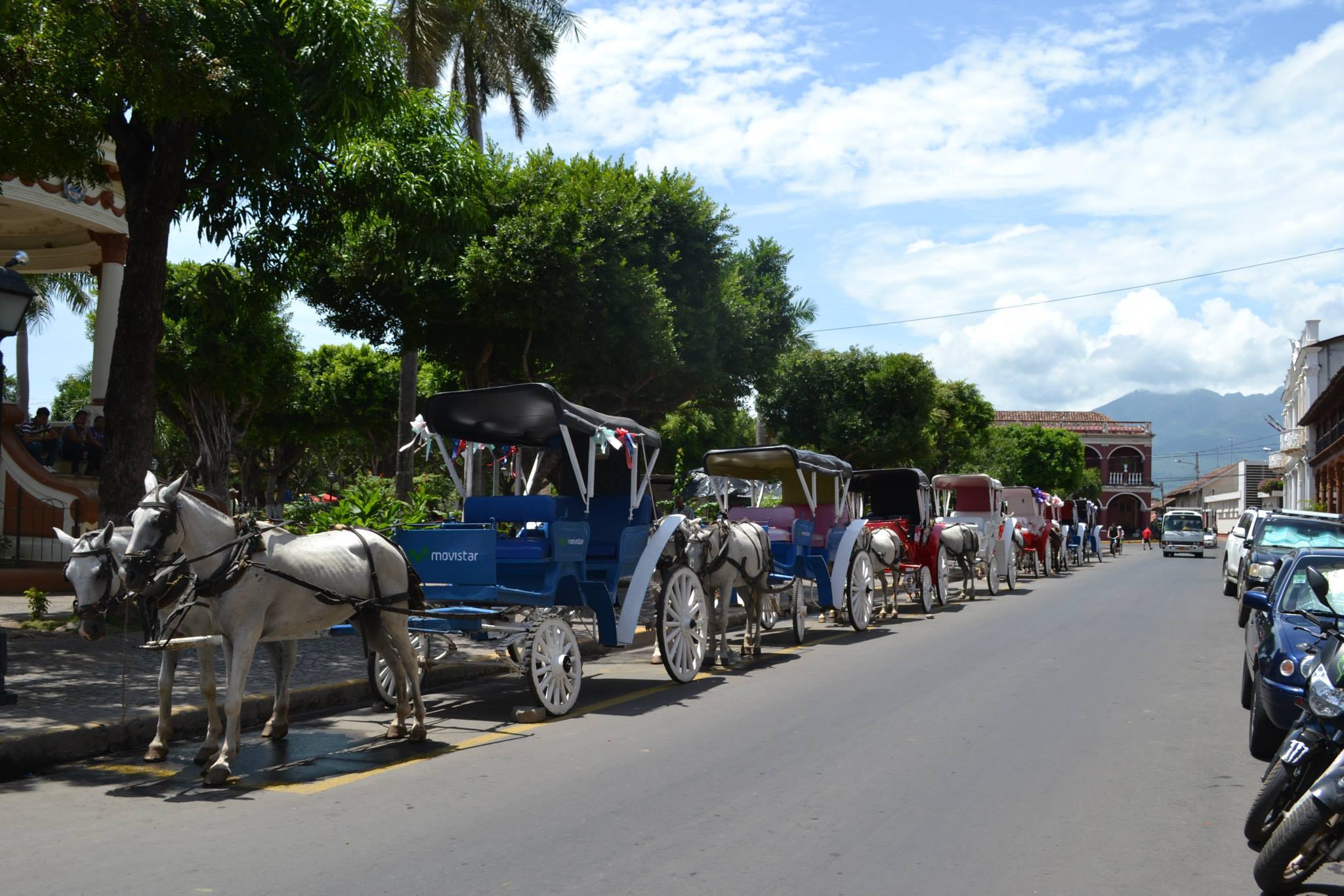
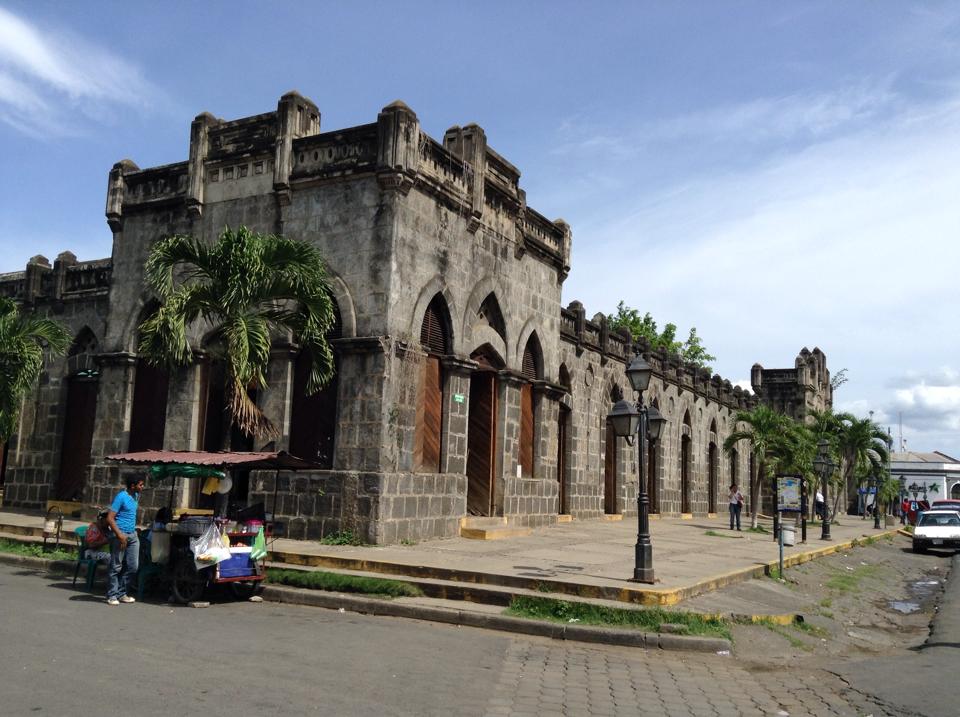
A 6 a.m. ferry off Ometepe Island, then on to Granada — Central America's oldest colonial city. Cathedrals, the Convento San Francisco museum, vigorón, Toña beer, and the leather shop that alone is worth a trip to Nicaragua.

Leaving Granada behind, I stopped in the crafts town of Masaya on the way to the capital, Managua. Hammocks and ceramics in the market — and a Japanese dinner with old friends.

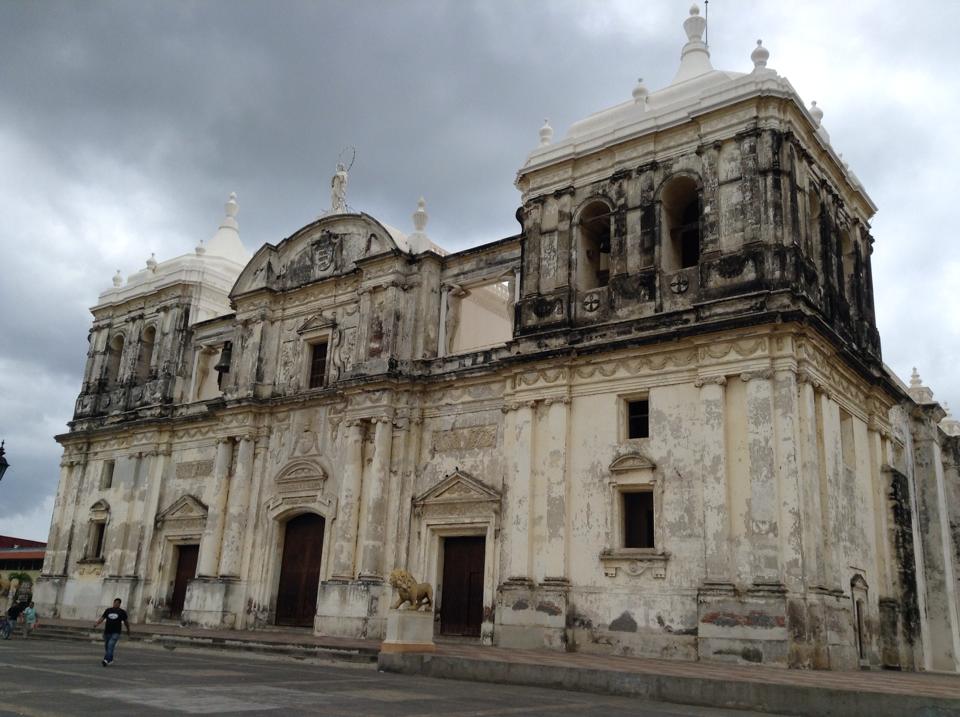
A long-distance bus from Managua to León, in northern Nicaragua. León means 'lion' in Spanish, and a stone lion sits in front of the cathedral. Sandinista memory, Rubén Darío's house, the Heroes & Martyrs gallery, and a lobster lunch.

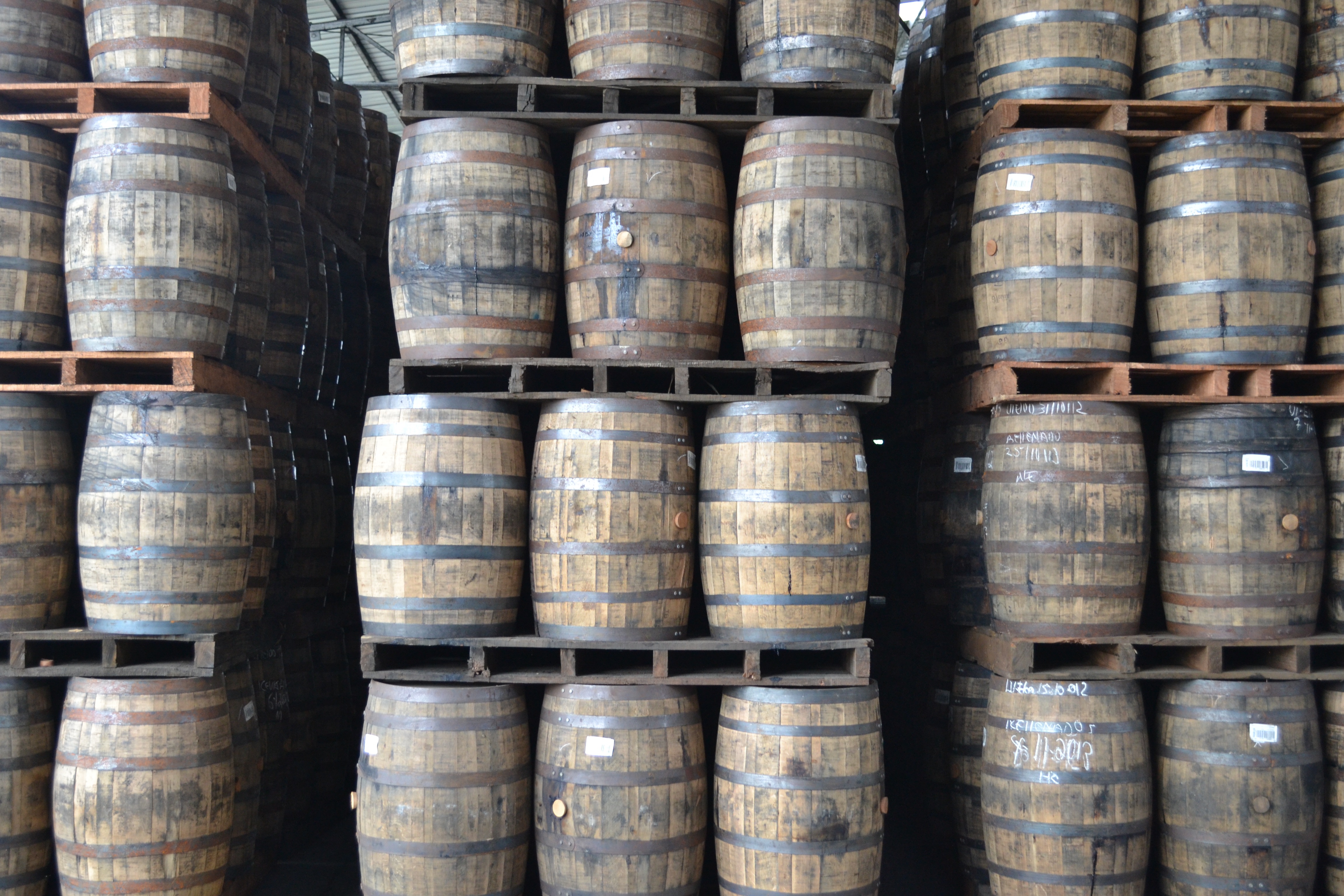
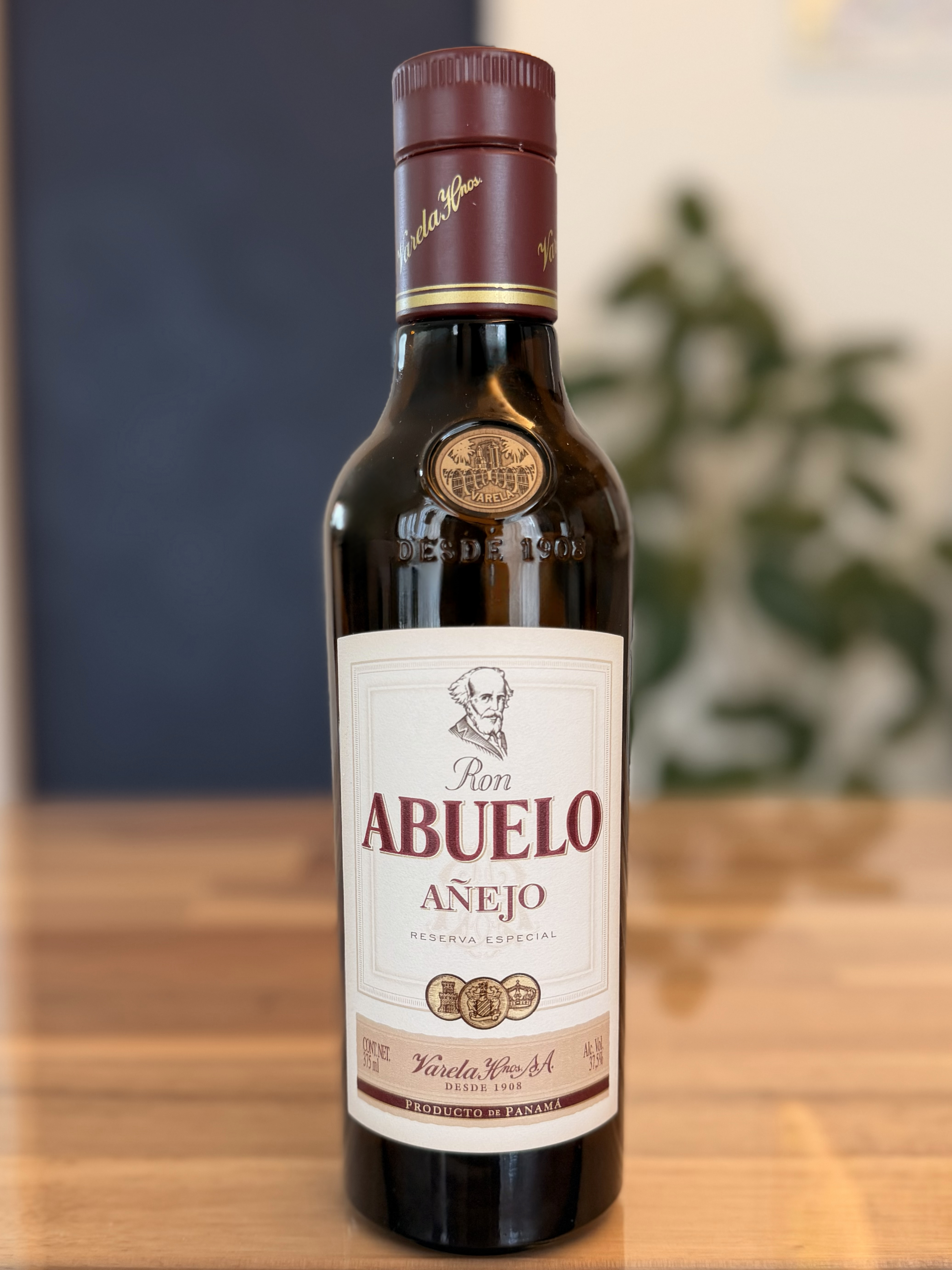
The day before leaving León, I took a bus alone to Chichigalpa — the town that's home to Flor de Caña, one of Central America's signature rums. A 1890-founded distillery, oak barrels, and a 20-year tasting that changed my mind about rum.

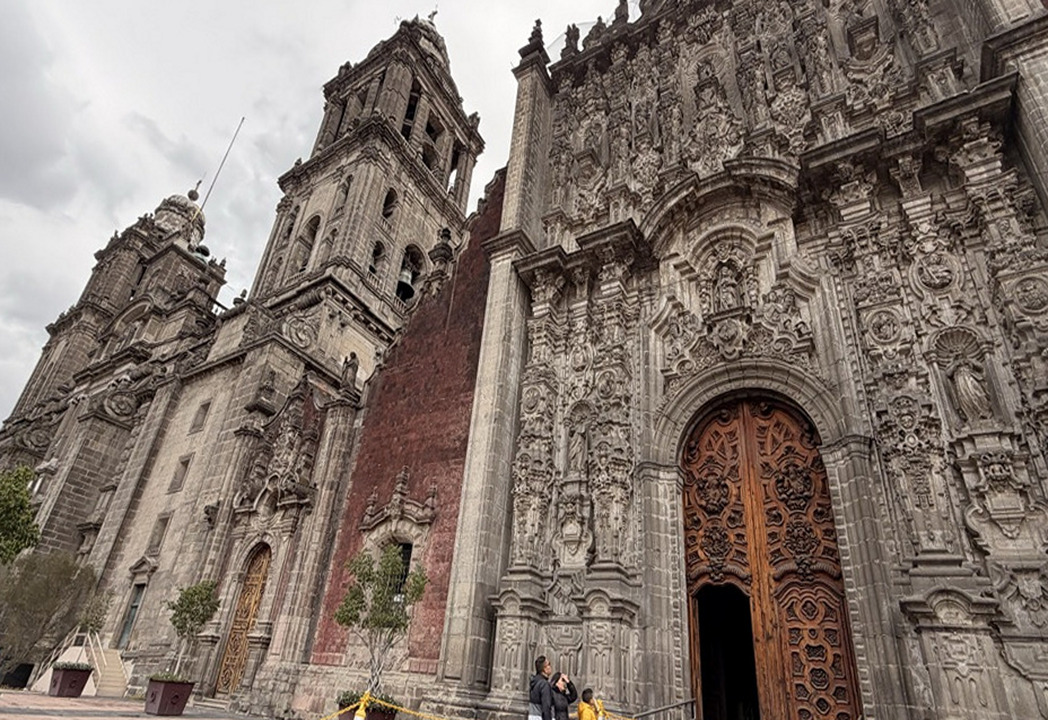
A walk through Mexico City's historic center: the Zócalo, the Metropolitan Cathedral built atop Aztec foundations, the Templo Mayor ruins, and the Art Nouveau Palacio Postal.

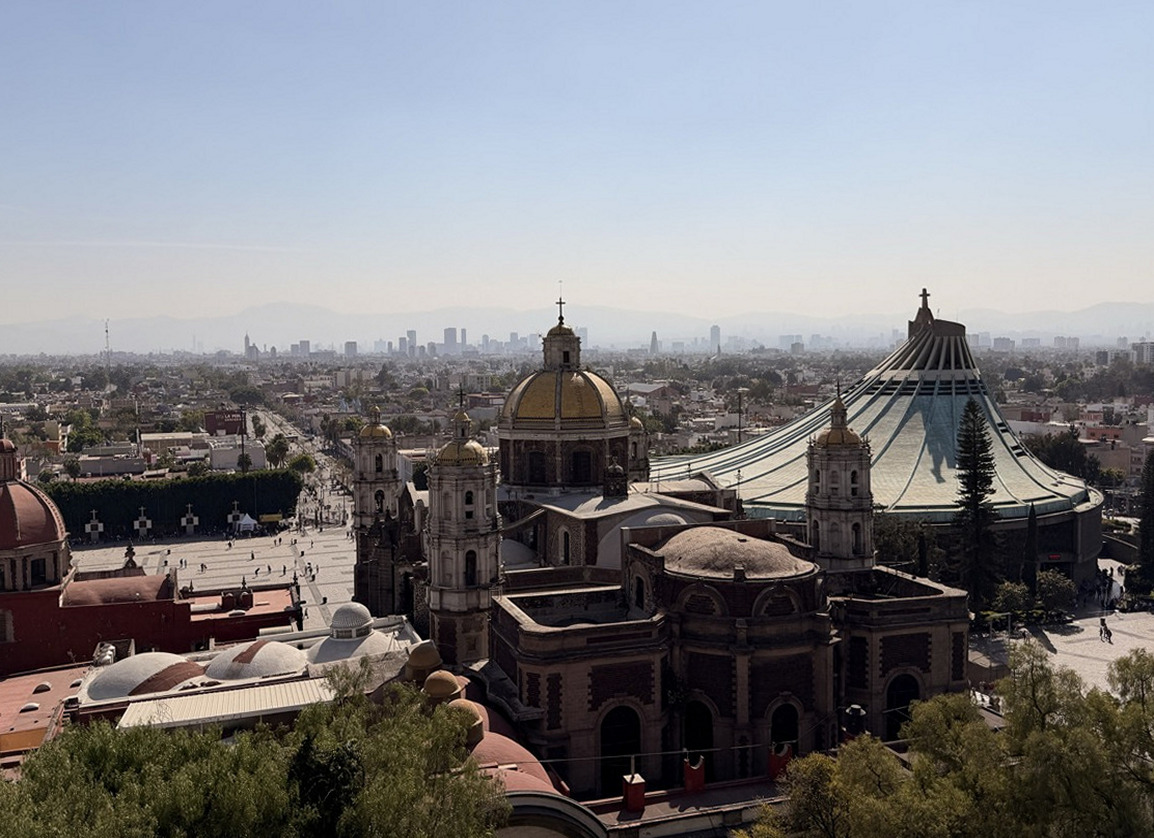
The Basílica de Nuestra Señora de Guadalupe draws tens of millions of pilgrims a year and ranks among the most-visited religious sites in the world. After two years in Costa Rica I'd grown curious about how Catholic faith blends with Indigenous belief in Latin America — this was a place I had to see.

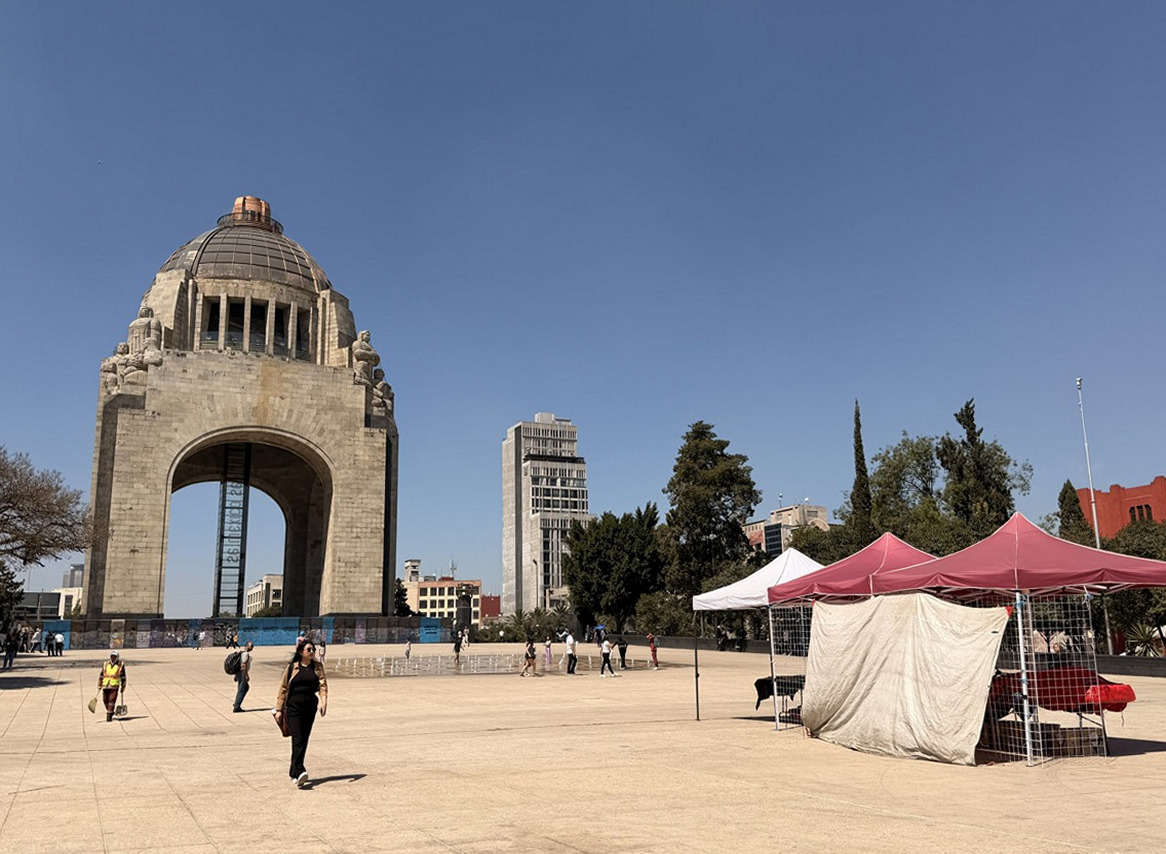
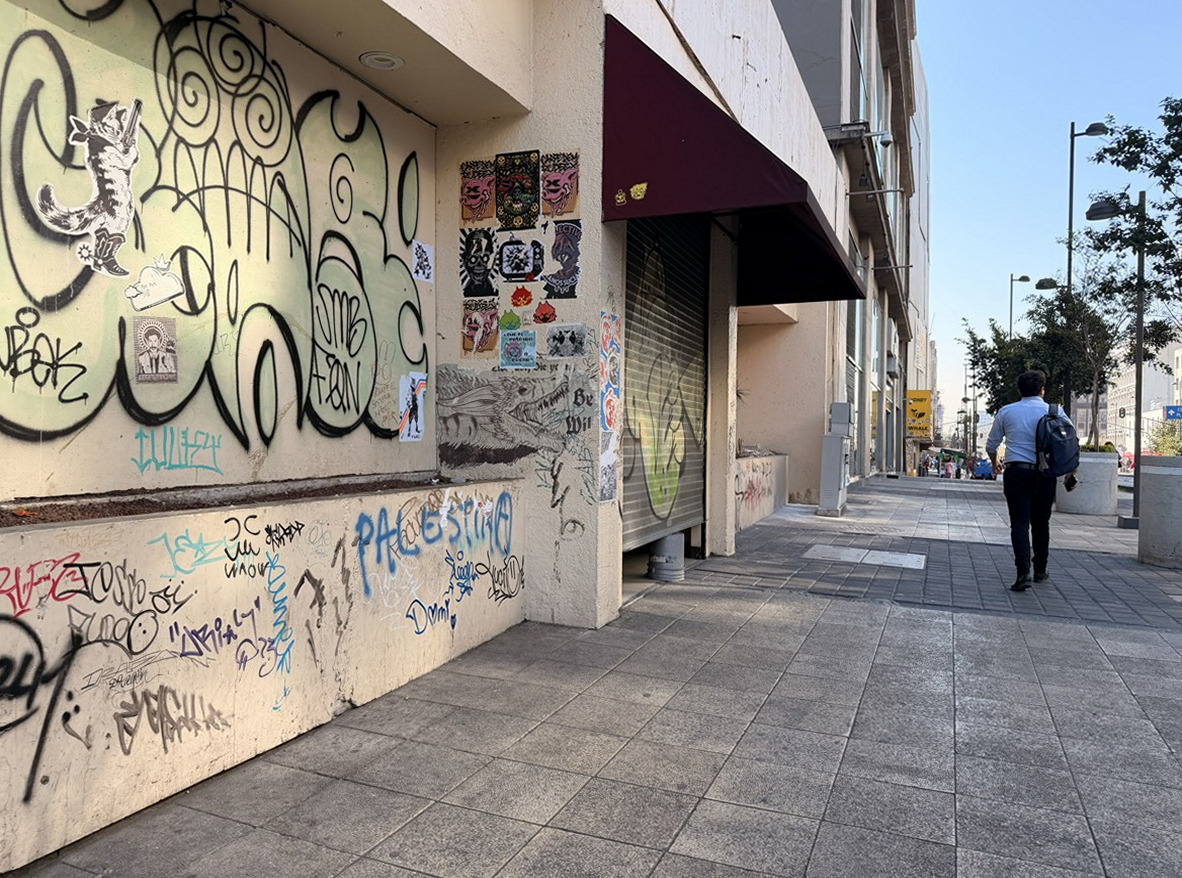
Mexico City is too big to just shuttle from one tourist site to the next. The side streets are full of breakfast stalls, walls covered in graffiti, and tented vendors — a face of the city you don't see from the headline attractions.

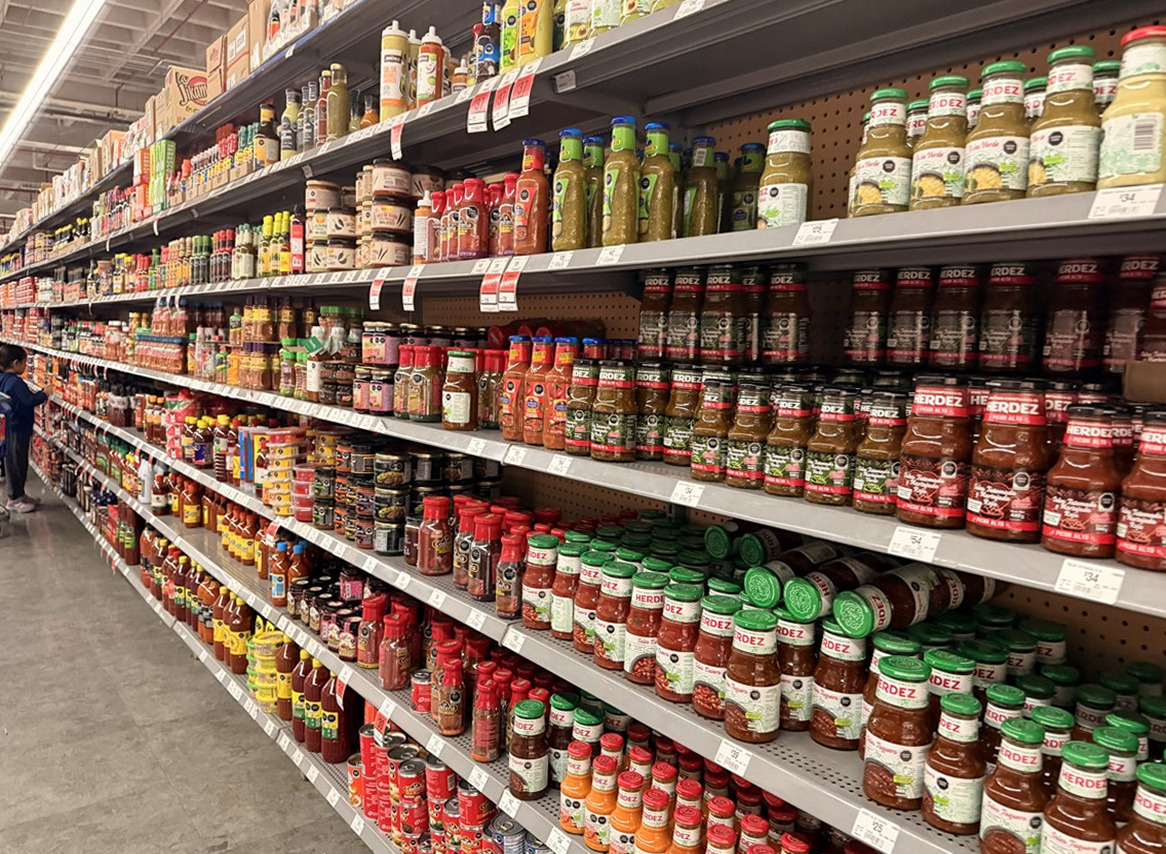
Tourist souvenir shops are overpriced and inconsistent. The local supermarket is often a better source. In Mexico City, Walmart is everywhere — perfect for a last-minute bulk souvenir run before flying home.

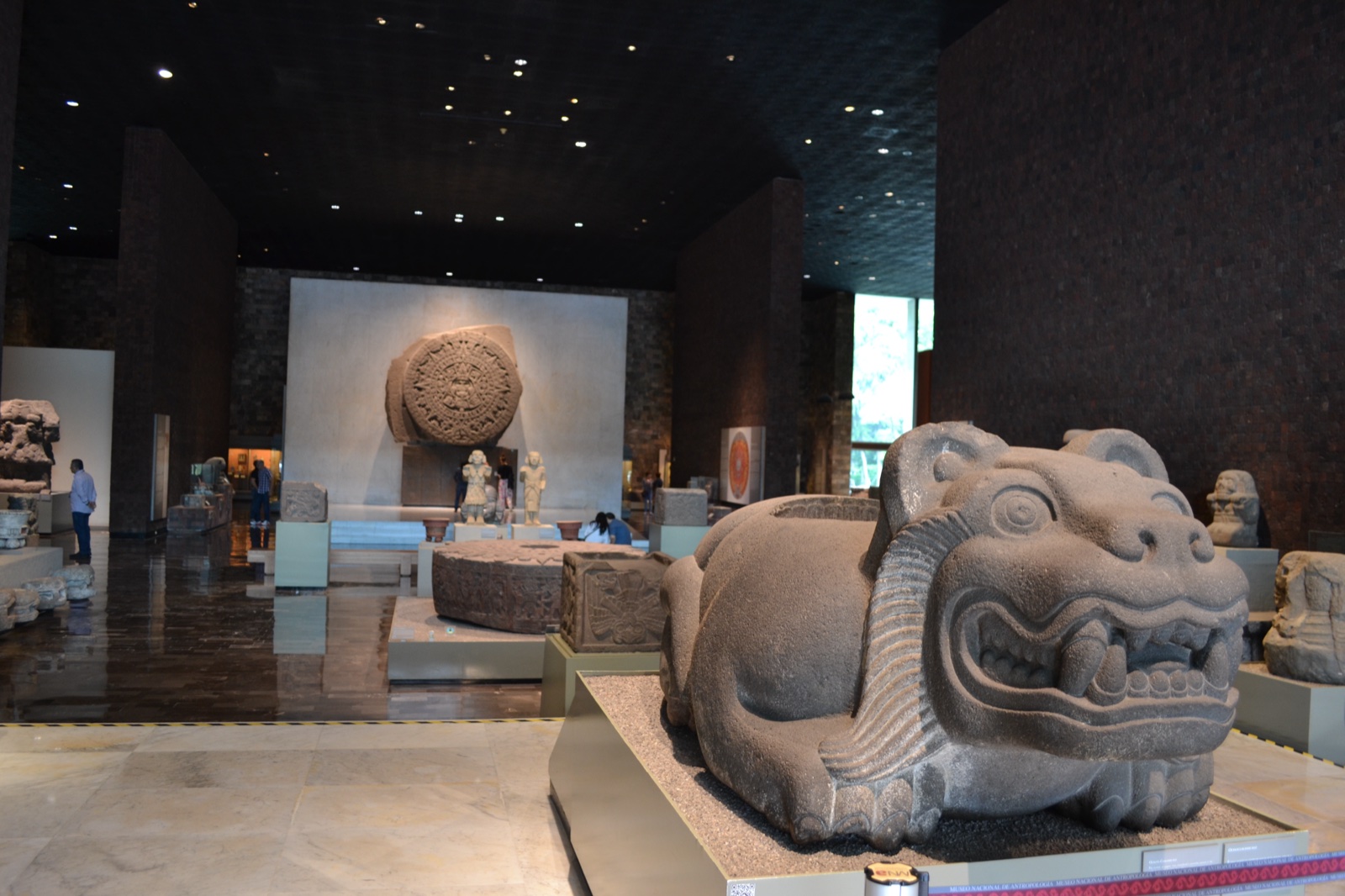
My first trip to Mexico. The first place I went in the high-altitude capital was the National Museum of Anthropology — where the Sun Stone, Coatlicue, and the Olmec colossal heads stand right behind the glass.

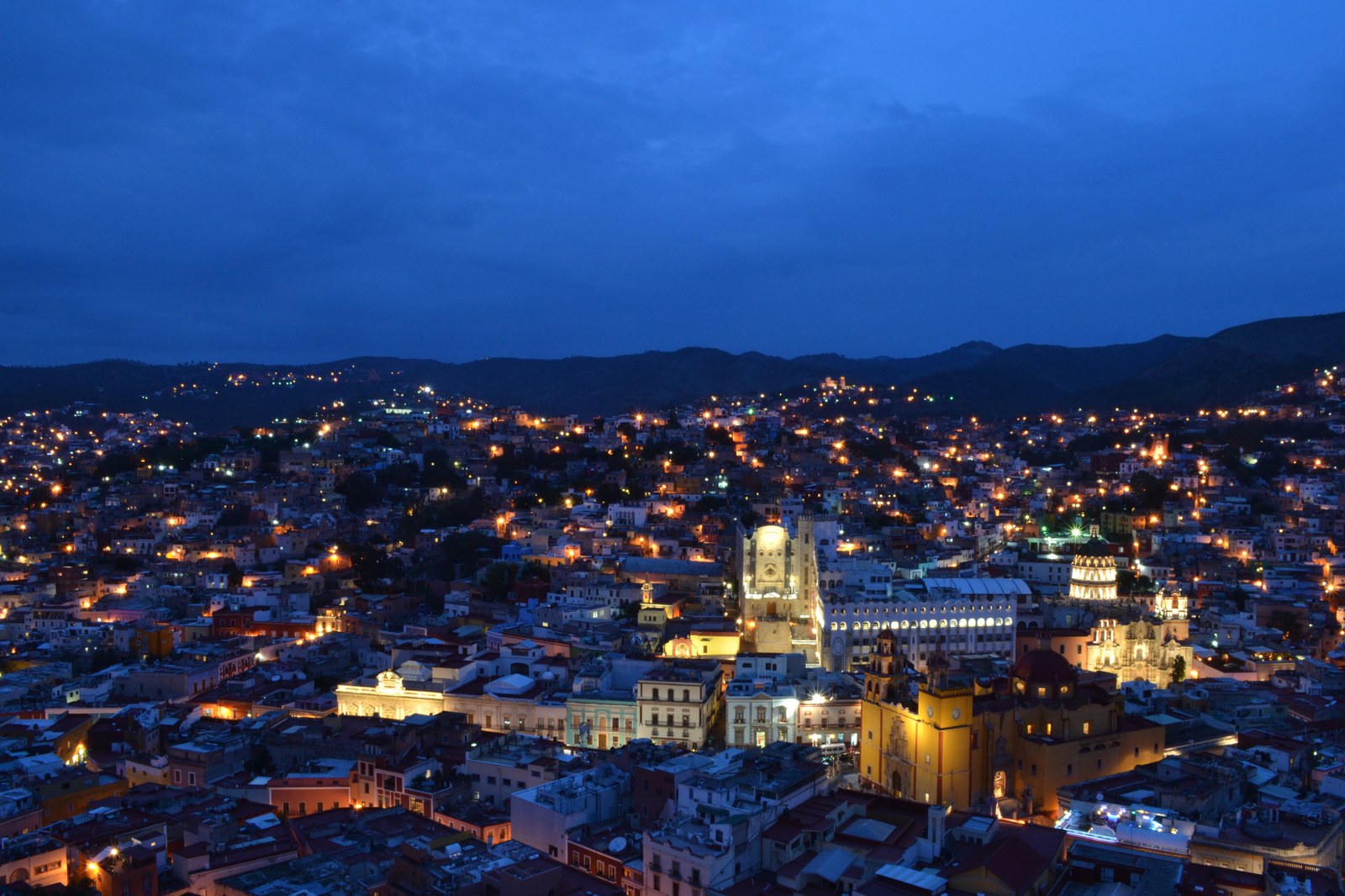
Guanajuato, a UNESCO World Heritage city at 2,000 m, where colorful houses climb the hillsides like a jewel box. The night view from the Pípila monument, the legend of the Alley of the Kiss, and the surprising history behind the Mummy Museum.

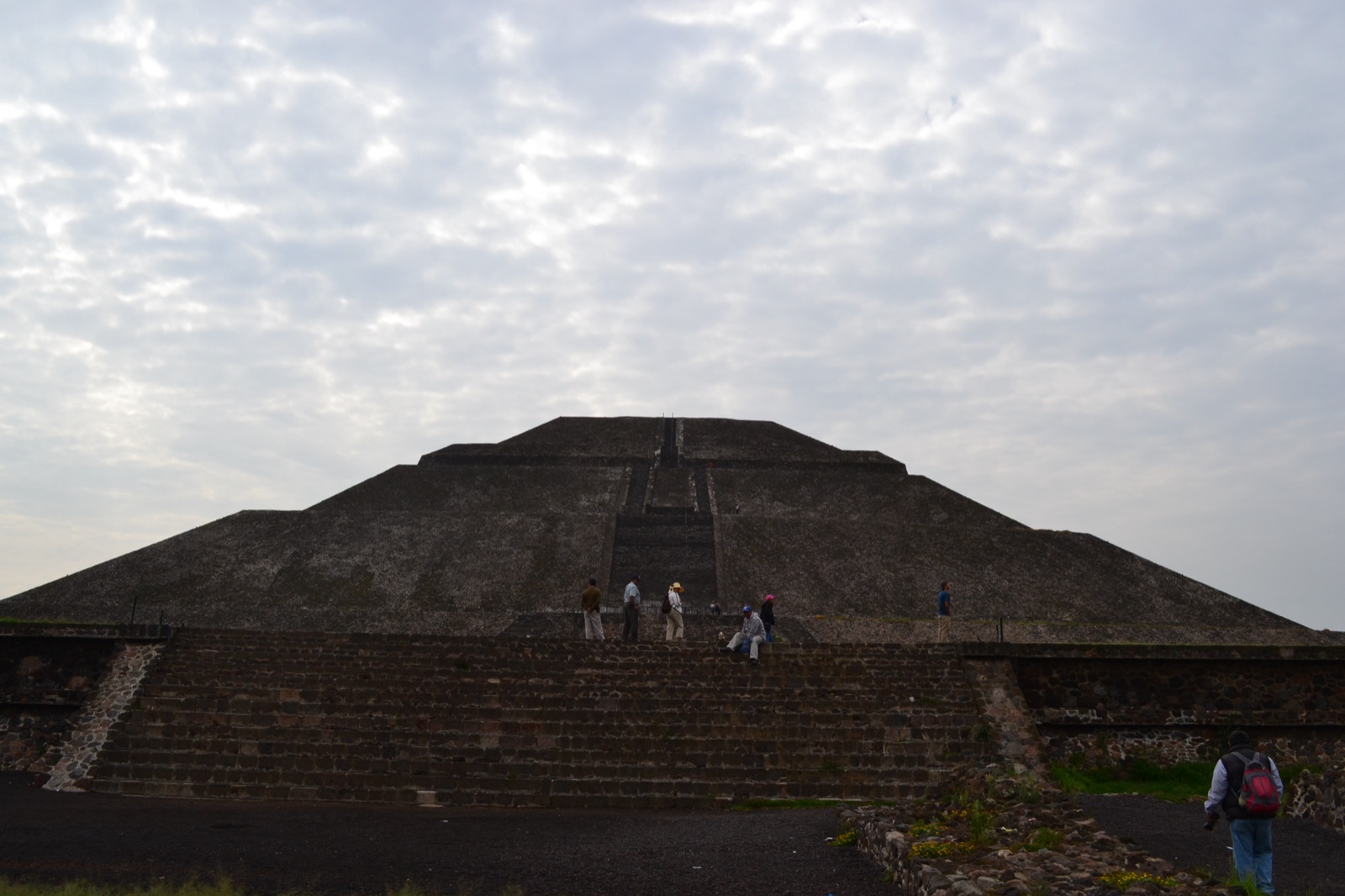
About 50 km northeast of Mexico City, the ancient city of Teotihuacán flourished from before the common era. The Pyramid of the Sun, the Pyramid of the Moon, the Avenue of the Dead, and the Temple of Quetzalcóatl — a day spent walking one of Mesoamerica's largest ceremonial cities.

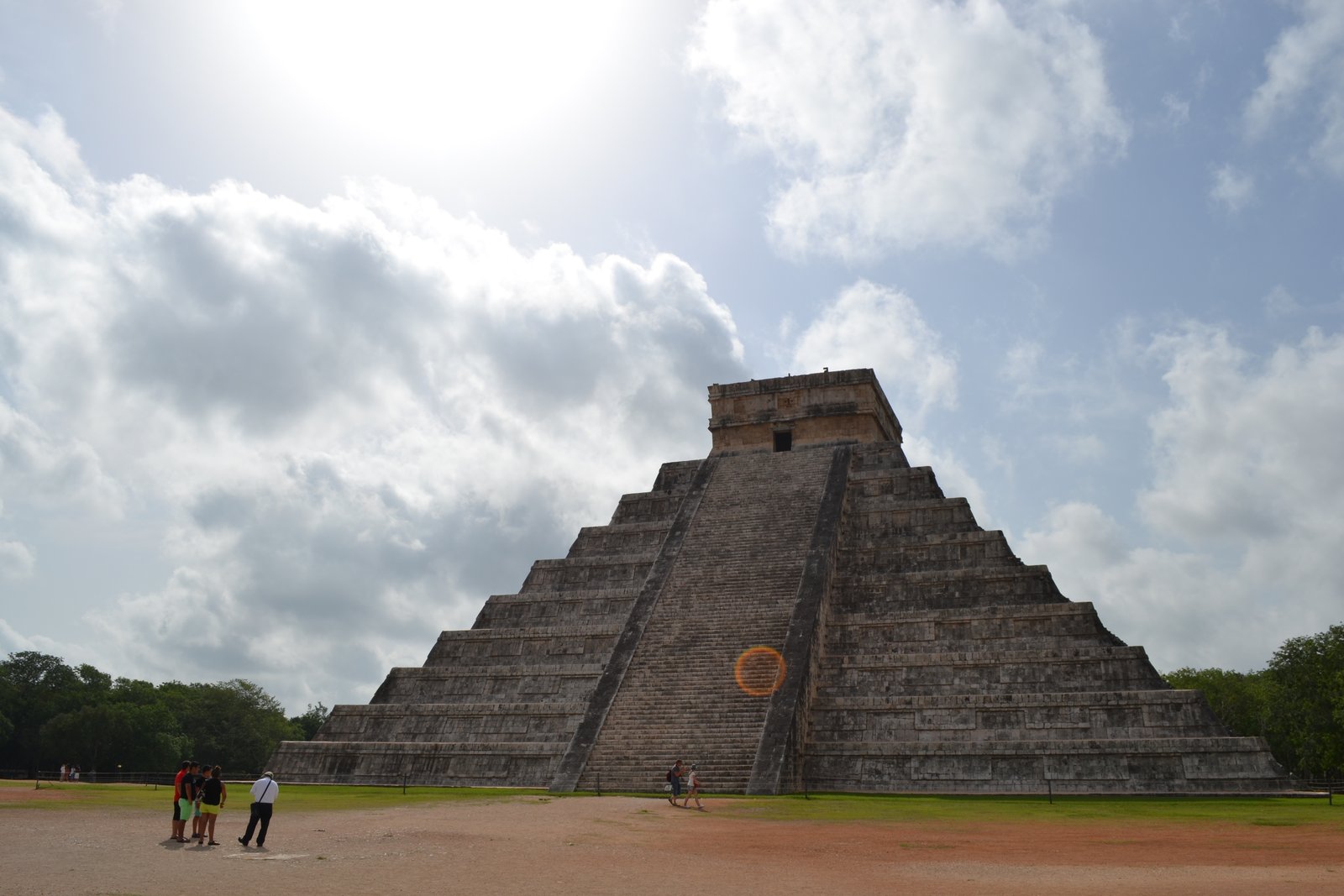
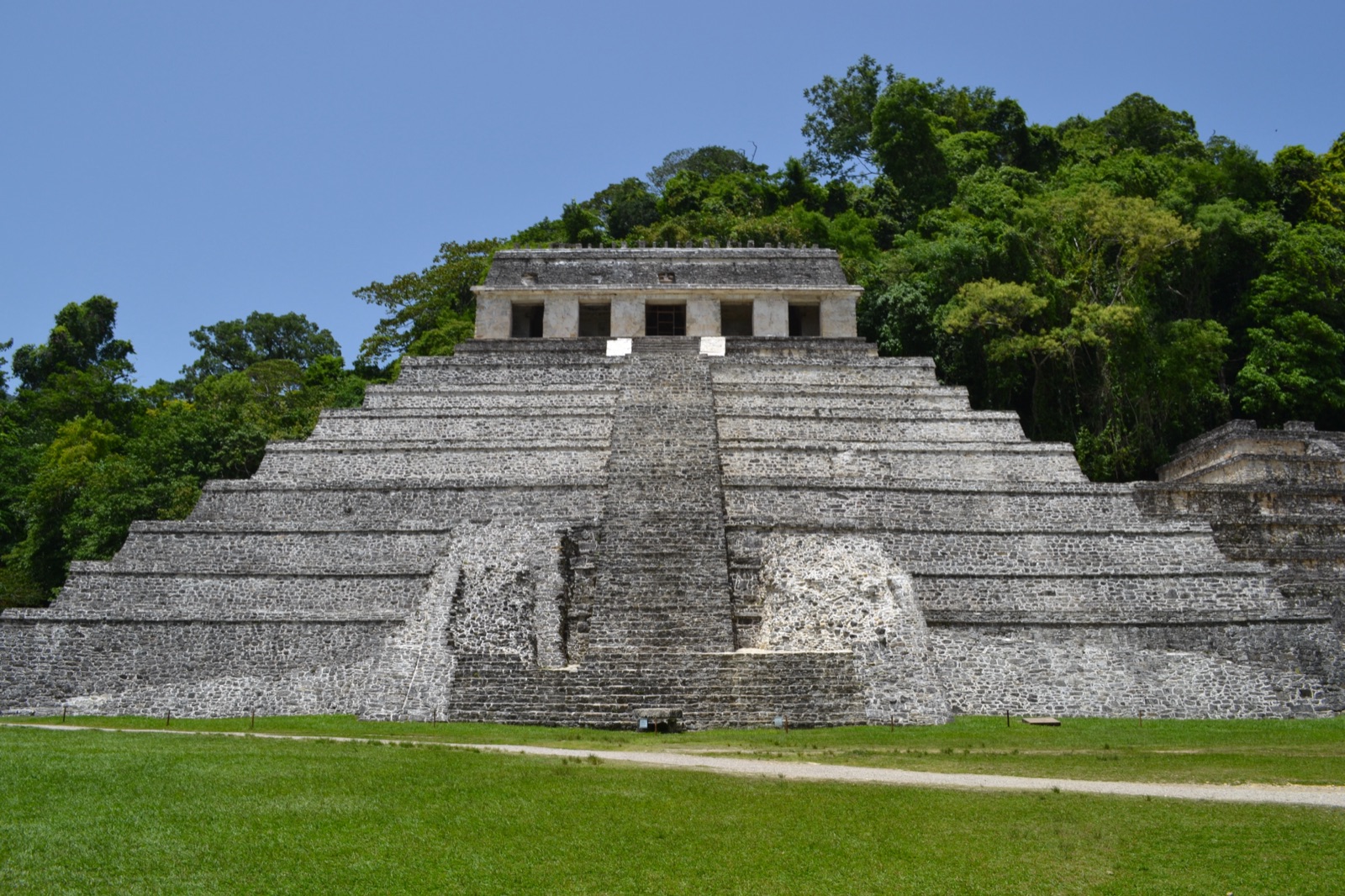
A domestic flight from Mexico City to Villahermosa, then by road to Palenque. The Temple of the Inscriptions with one of the largest Maya royal tombs, the Palace with its observation tower, and the Cross Group — walking through Palenque, where the jungle is half-eating the ruins.

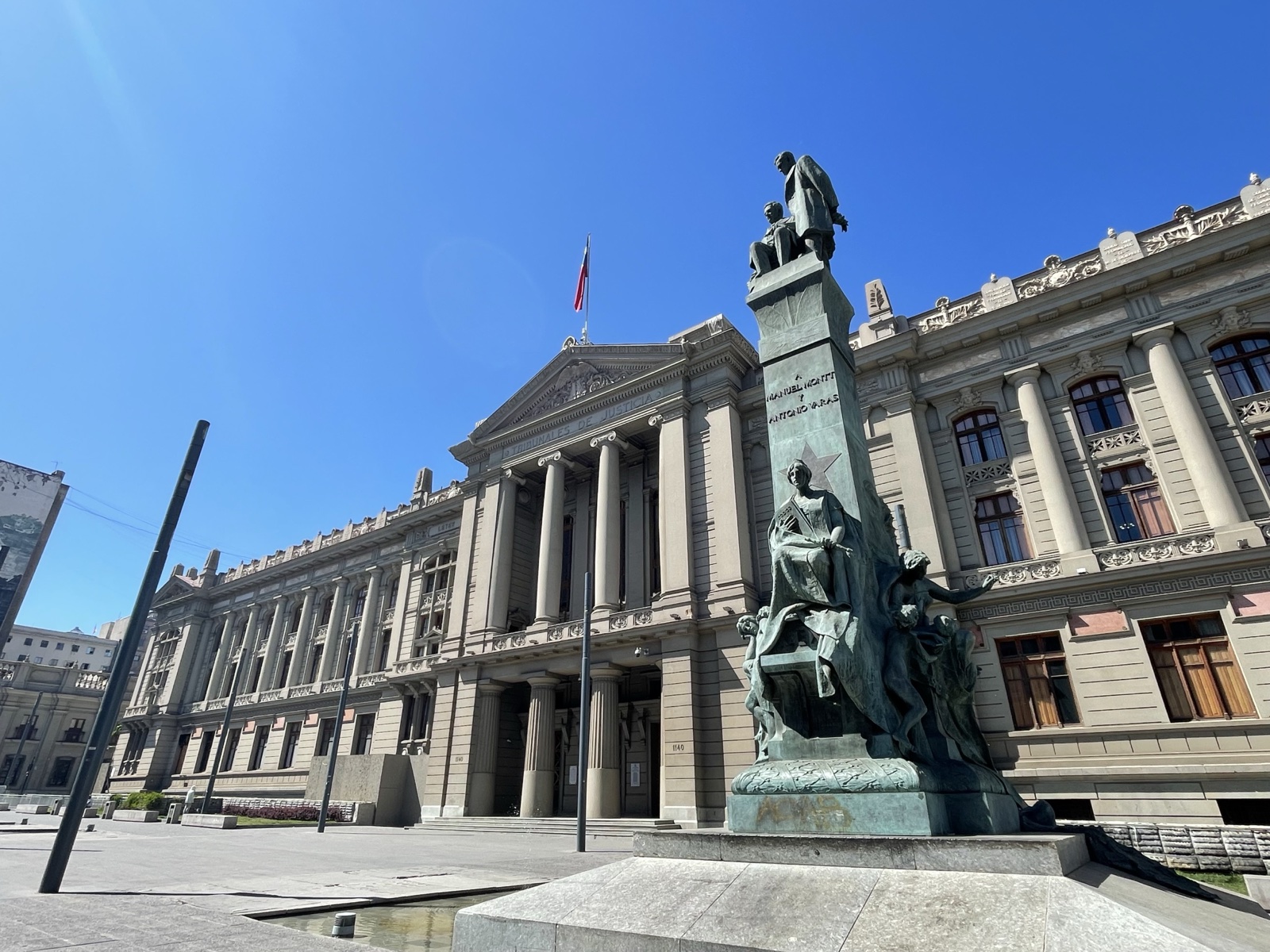
My first time in South America. Walking through Santiago: the Palacio de los Tribunales, neoclassical architecture, and contemporary art under that incredibly blue Andean sky.

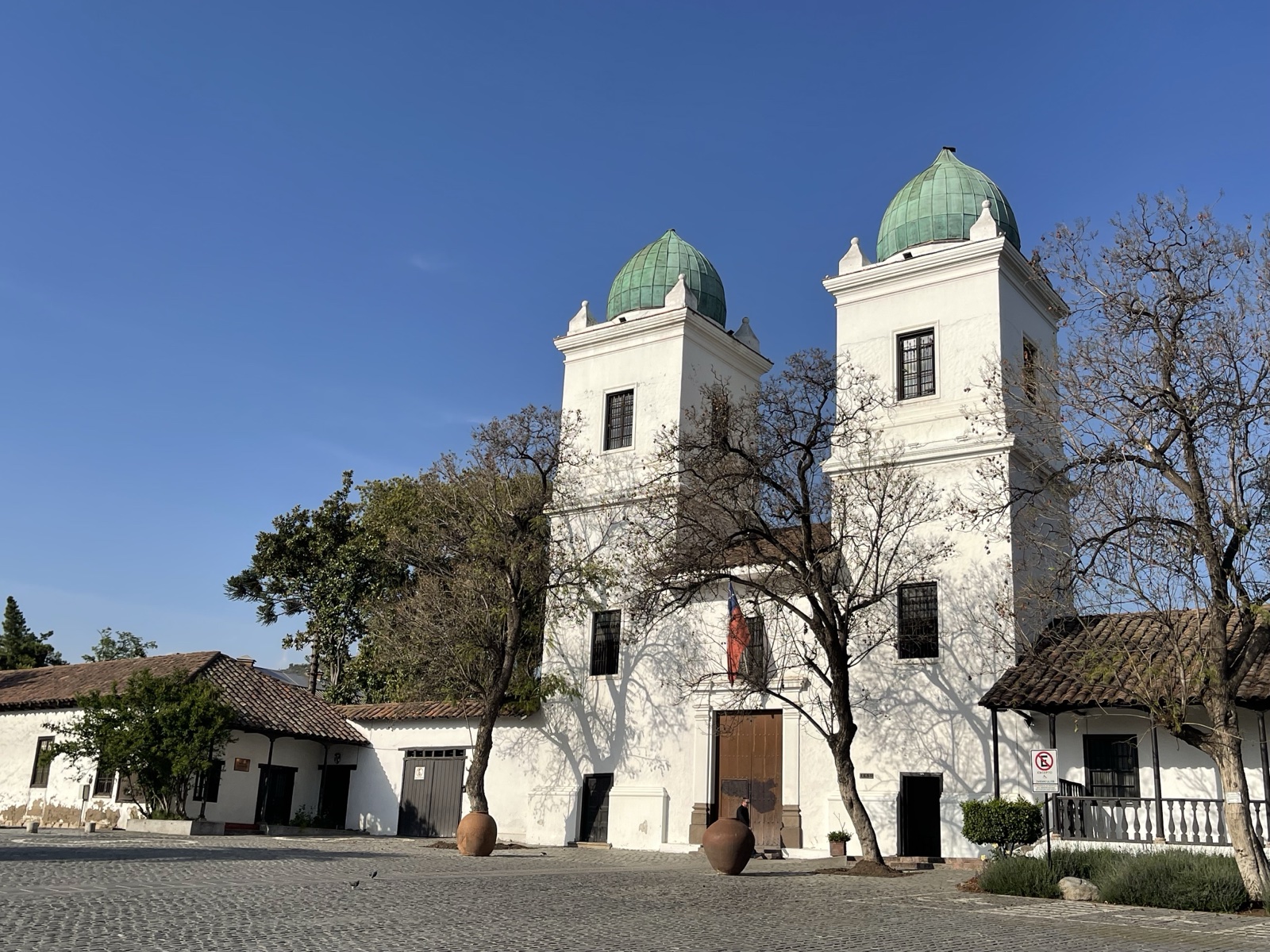
A visit to Los Dominicos Crafts Center in the Las Condes district of Santiago. The work of local artisans and the white colonial church next door made for a beautiful afternoon.

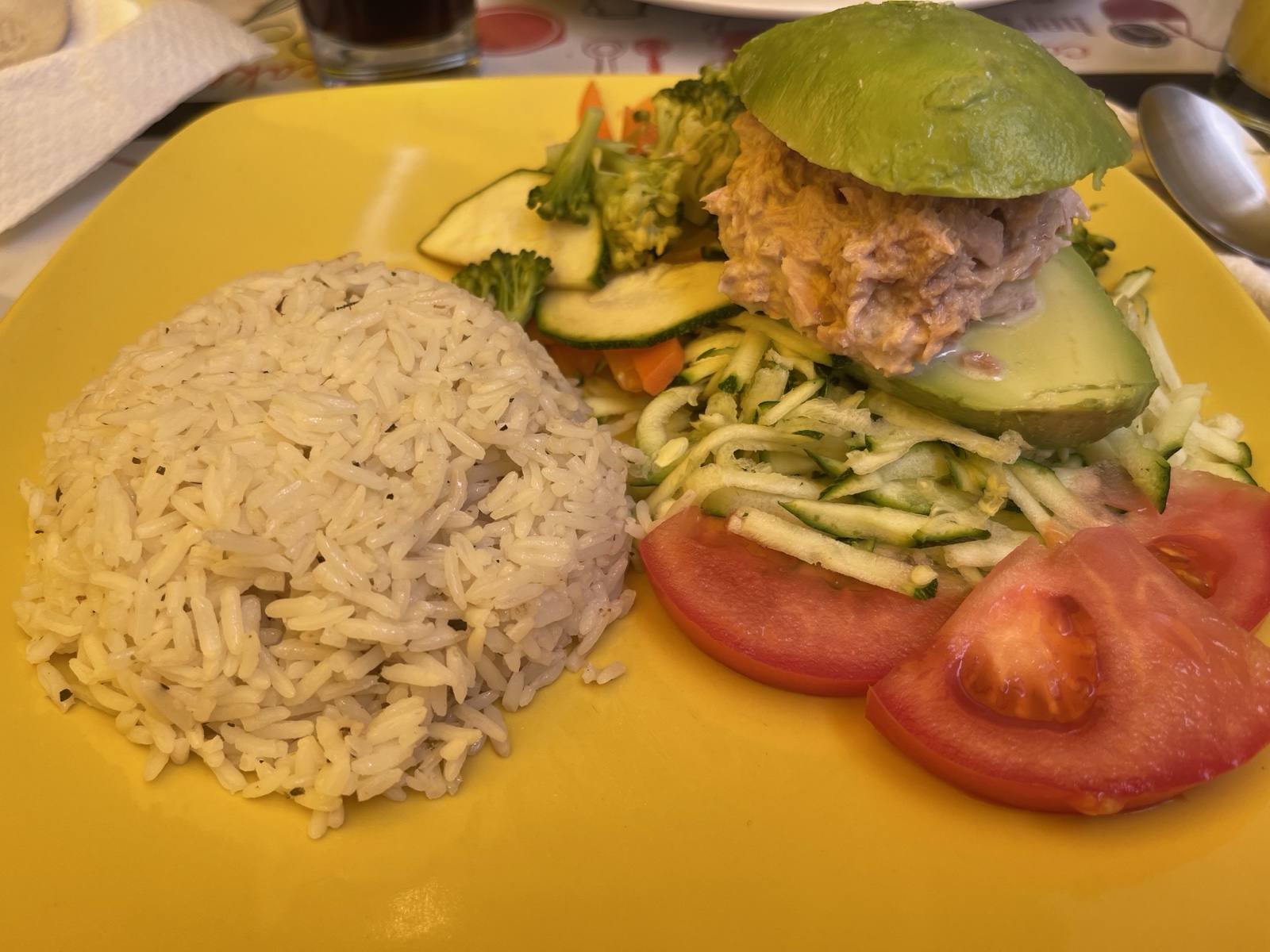
Final day in Chile. A lunch of Palta Reina — avocado stuffed with chicken salad — and a walk through a mall already decorated for Christmas.

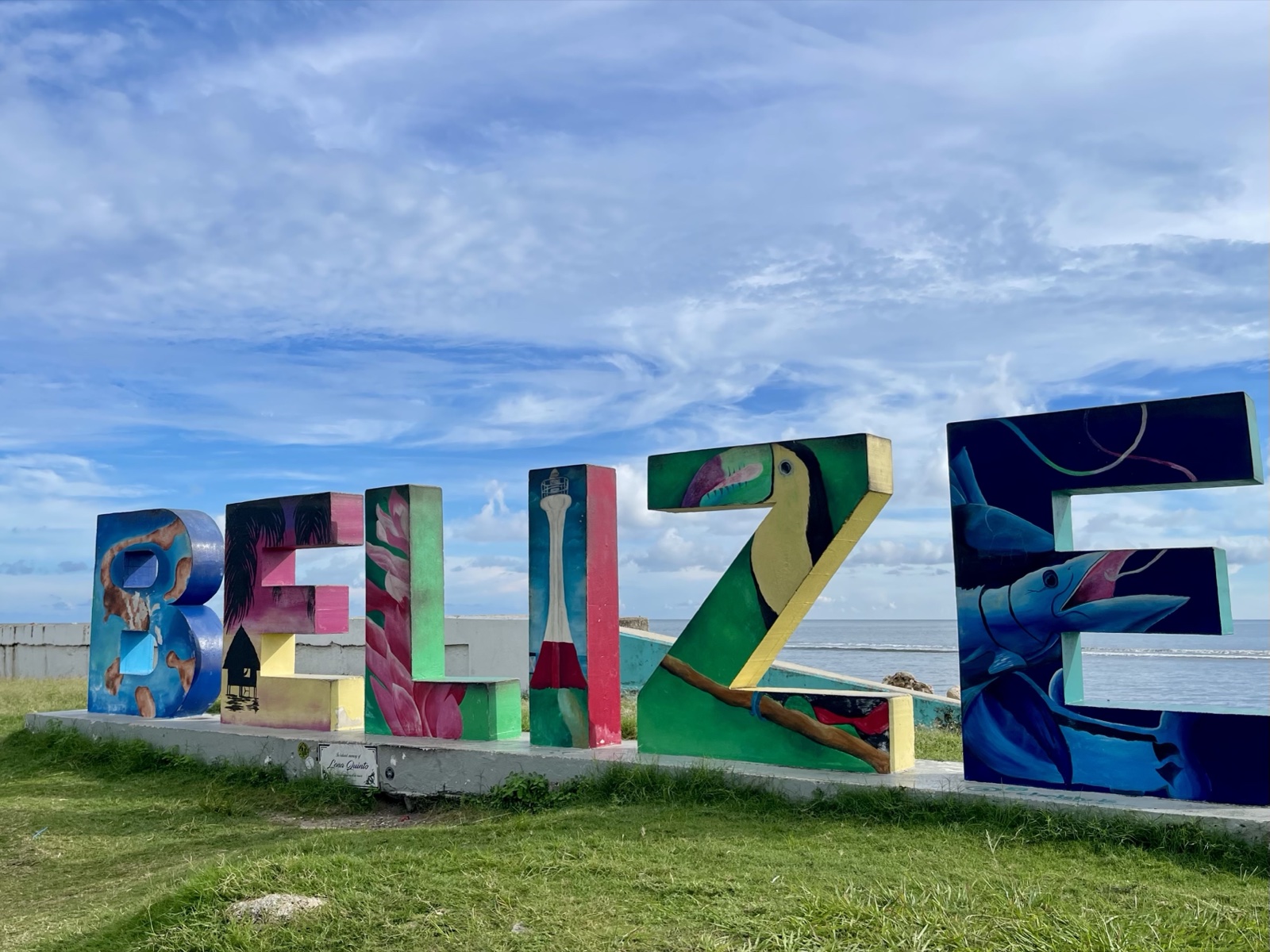
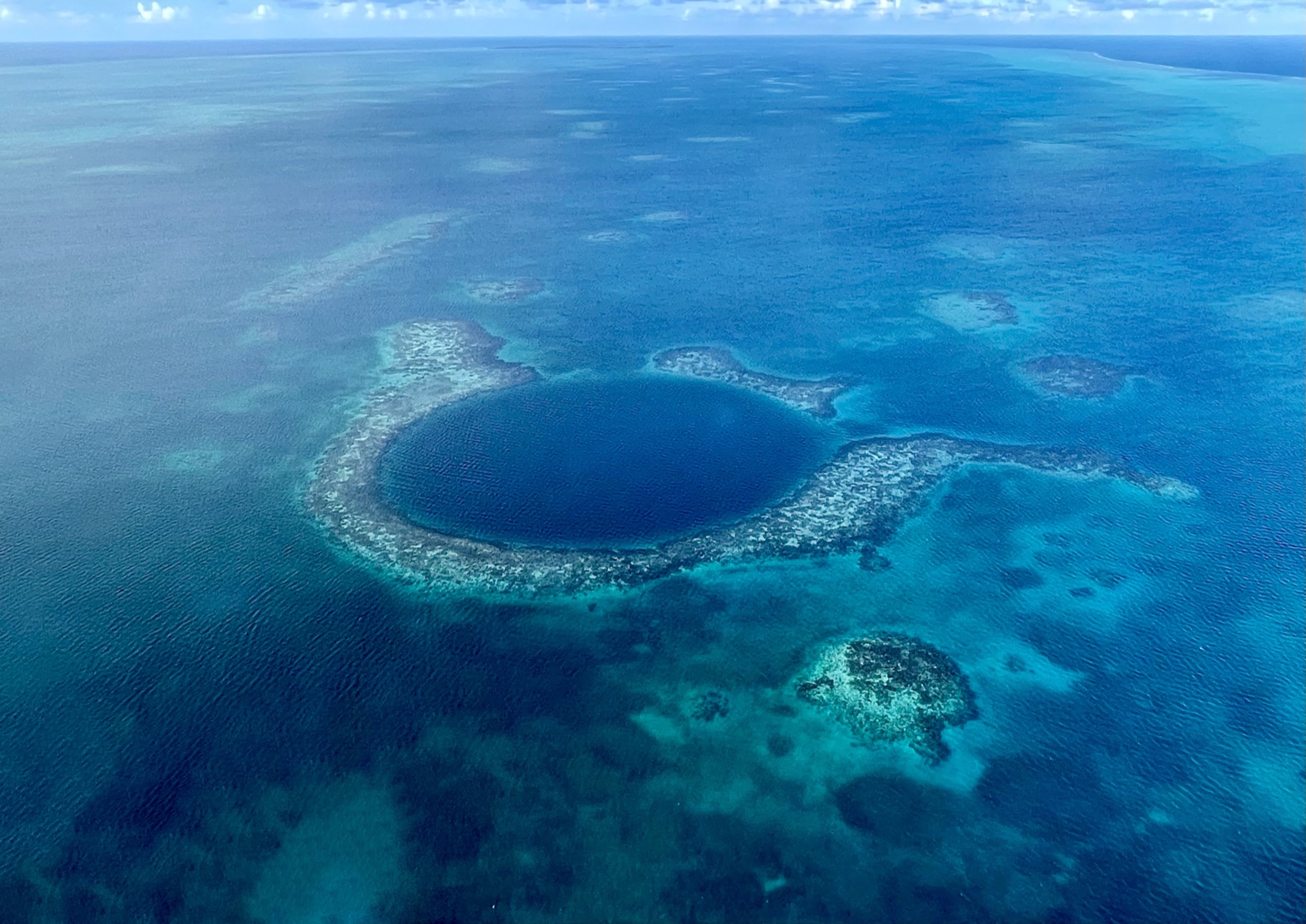
After Chile's dry blue sky, landing in Belize: the Caribbean at sunrise, English as the official language, and Japanese food found in Chinese-run grocery stores.

A day on Belize's

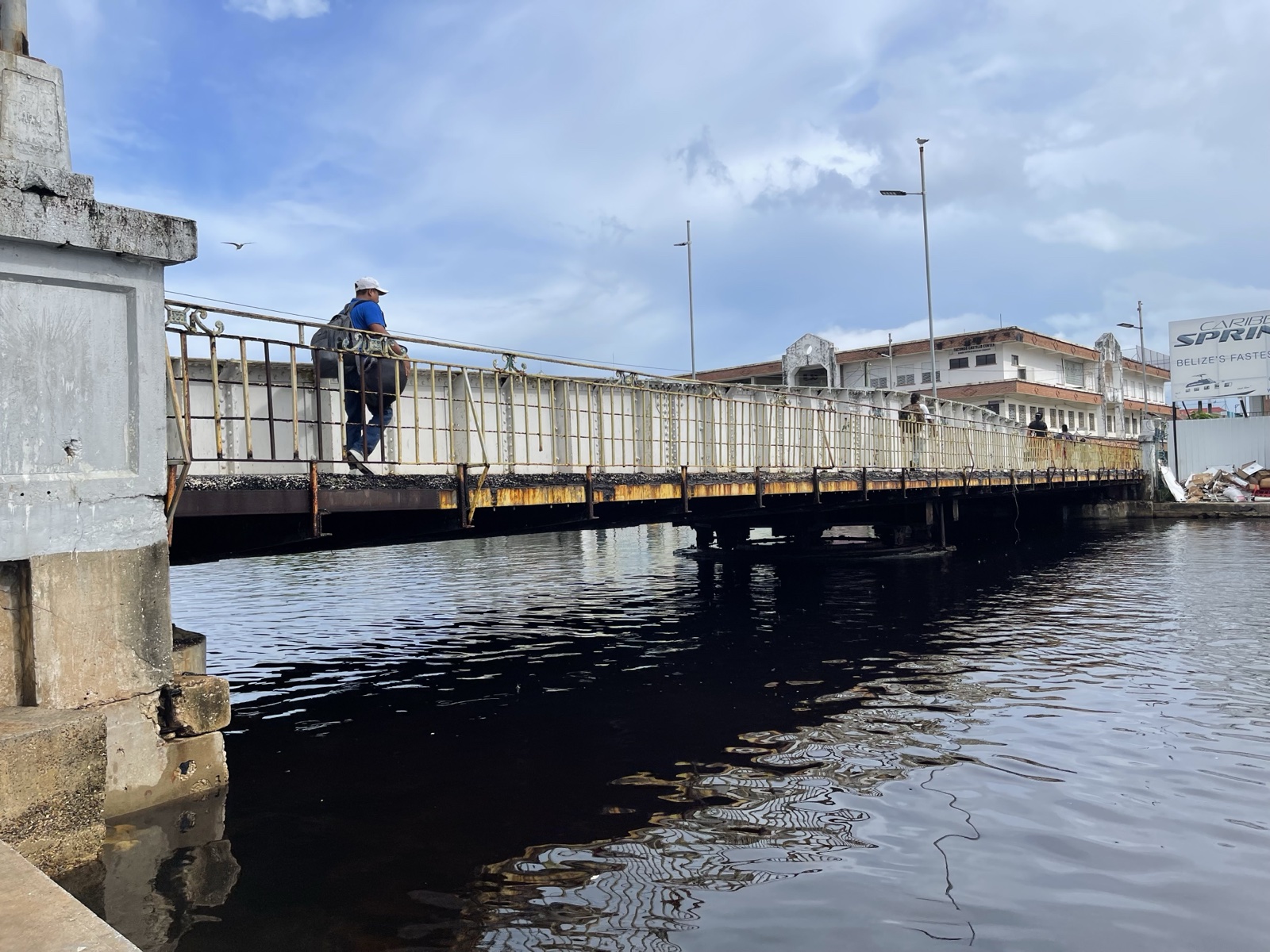
A last day in Belize City, looking at the historic Swing Bridge and reflecting on a country that mixes the Caribbean and Central America.

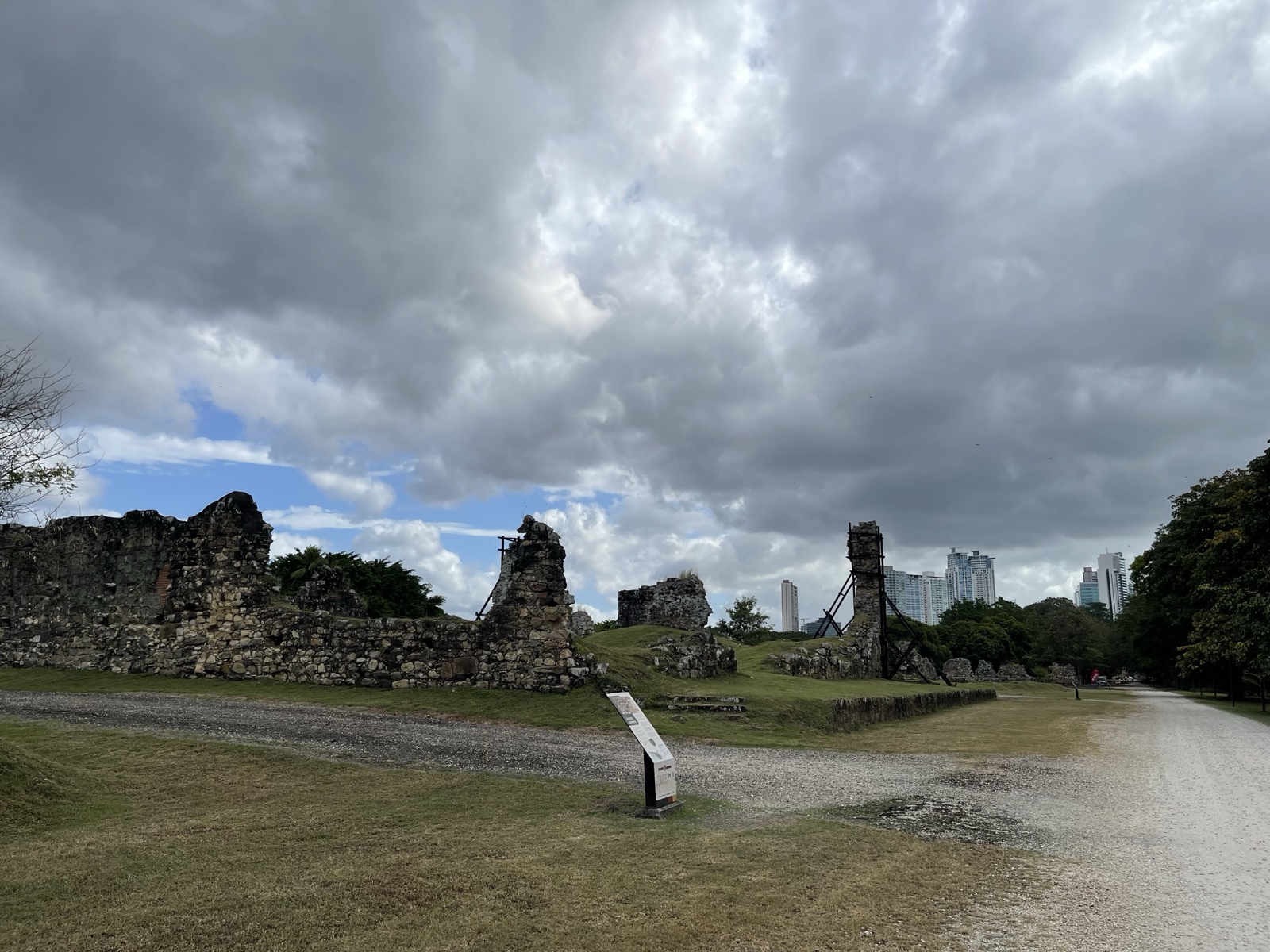
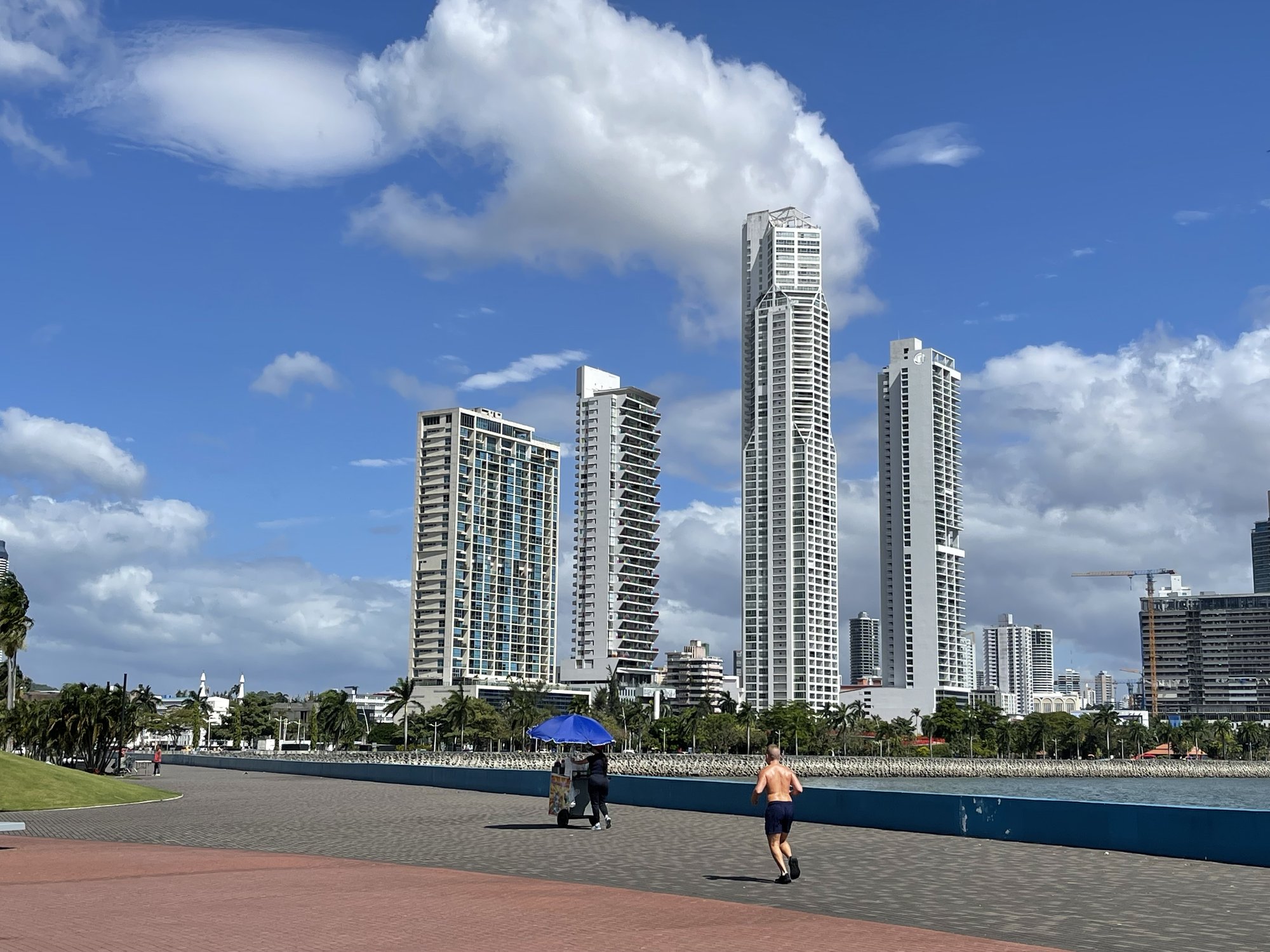
Panamá Viejo, the first Panama City, founded in 1519 by Spanish settlers and burned in 1671. Its stone ruins now stand against the modern Panama City skyline.

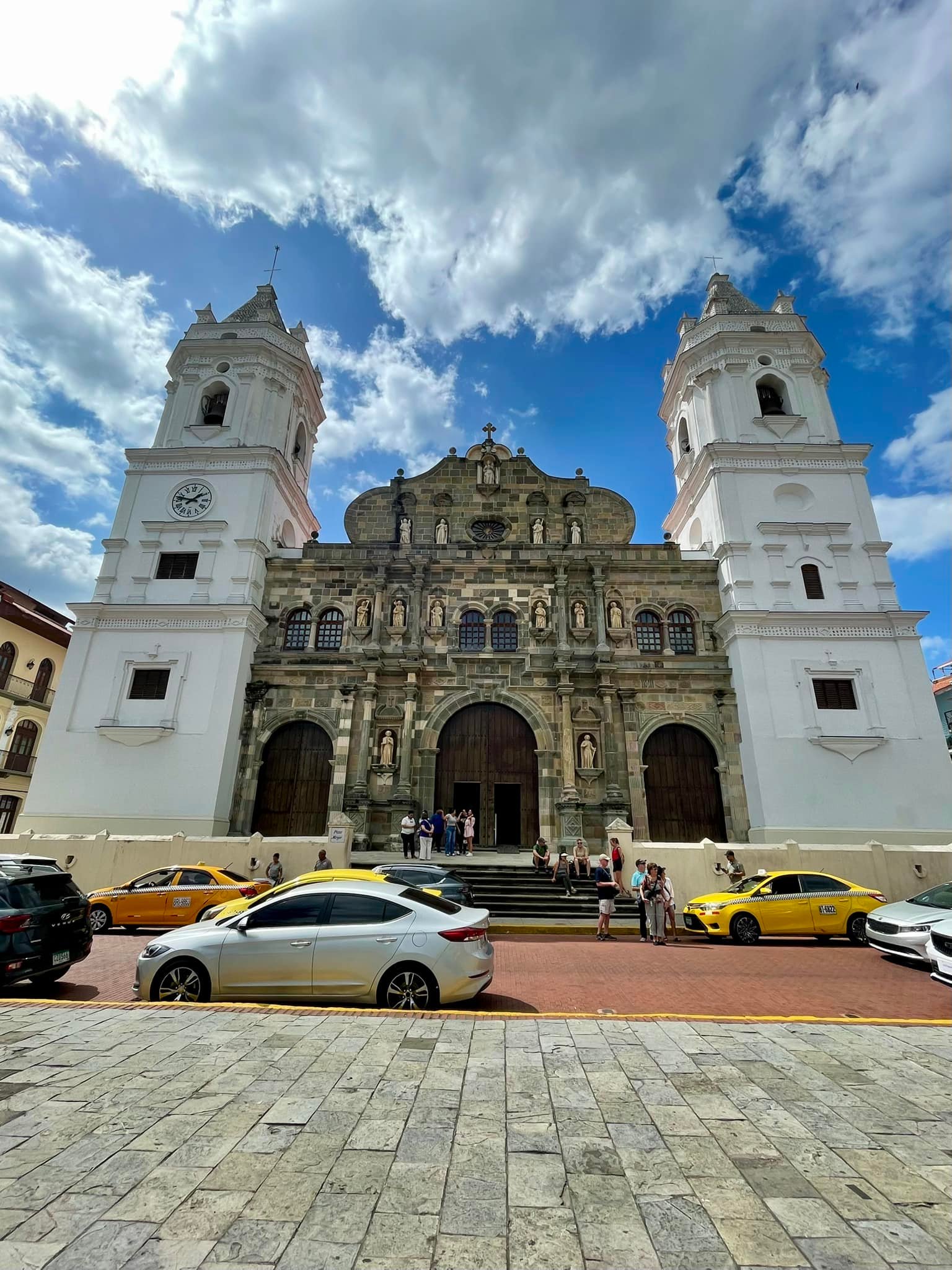
Panama City after Panamá Viejo: the Mercado de Mariscos (fish market built with Japanese aid), Casco Viejo (UNESCO old town), and the Canal Museum.

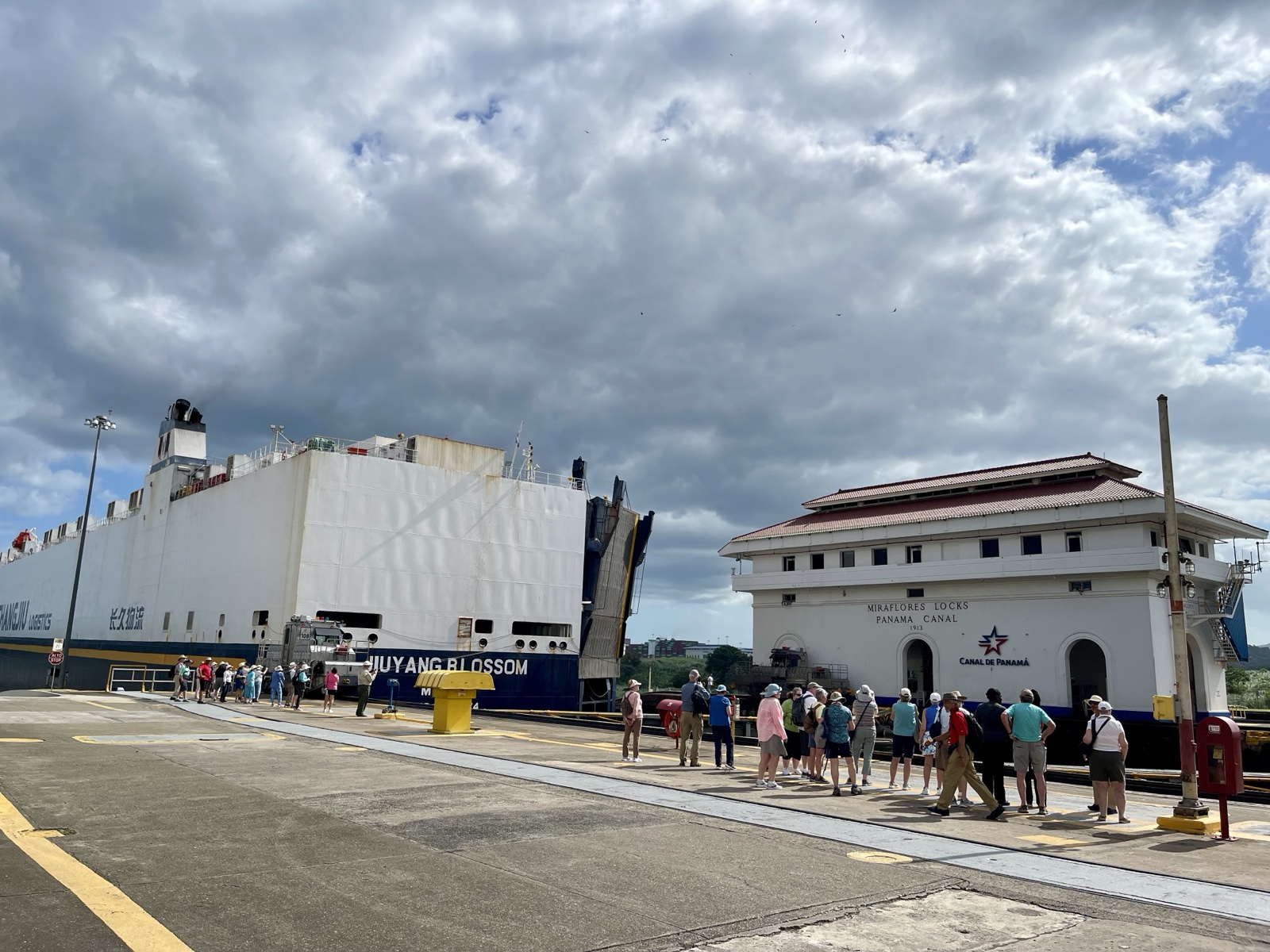
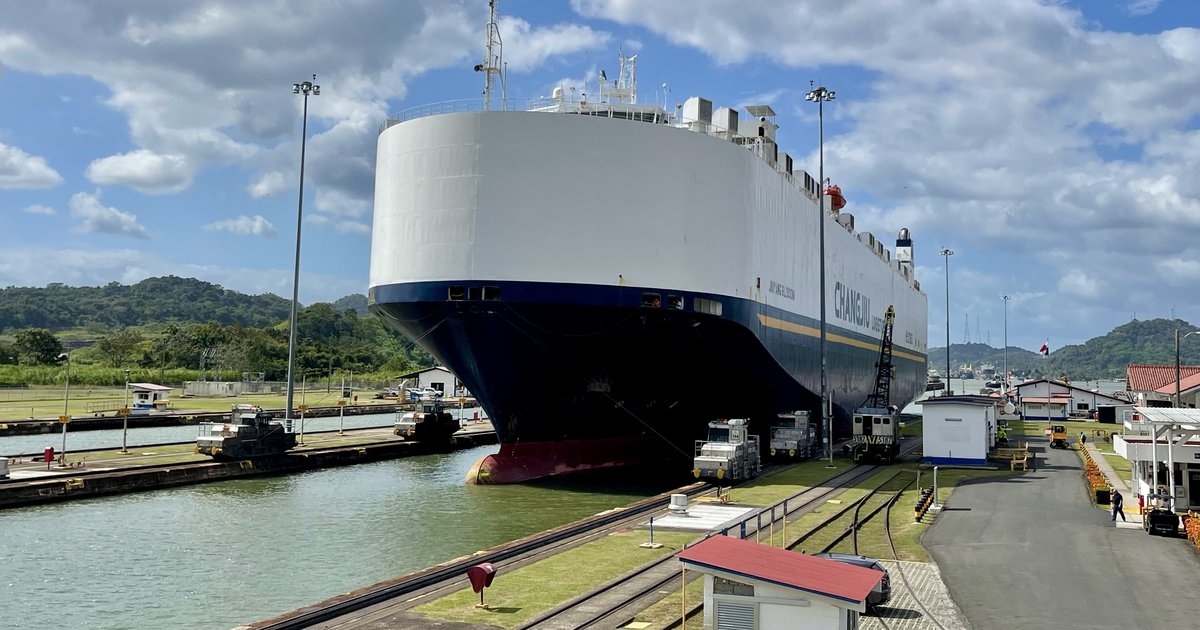
A trip to the Miraflores Locks on the Panama Canal's Pacific side, watching the JIUYANG BLOSSOM car carrier squeeze through the lock walls.

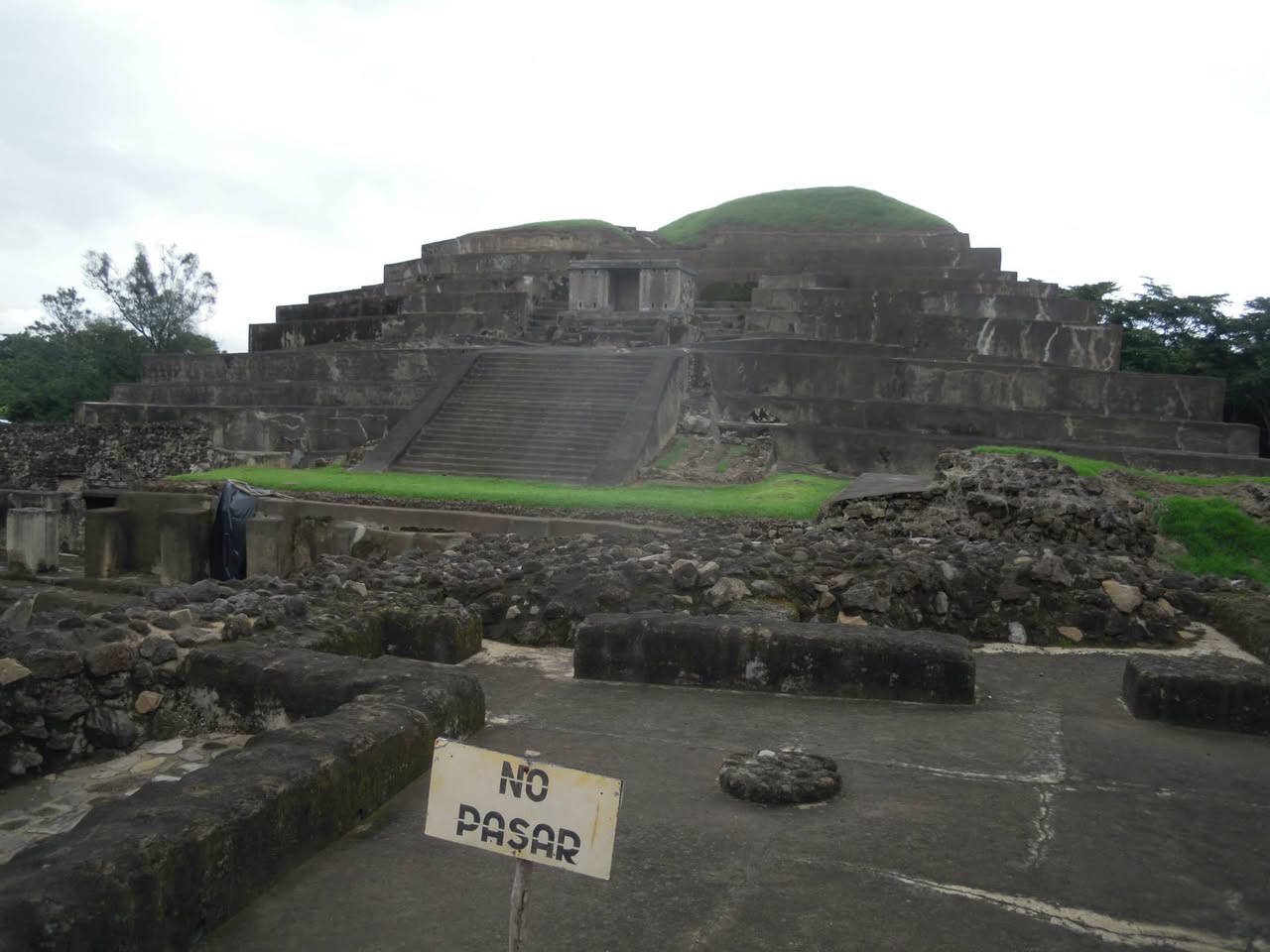
A trip to El Salvador to visit a friend on JOCV: the Joya de Cerén UNESCO site (the

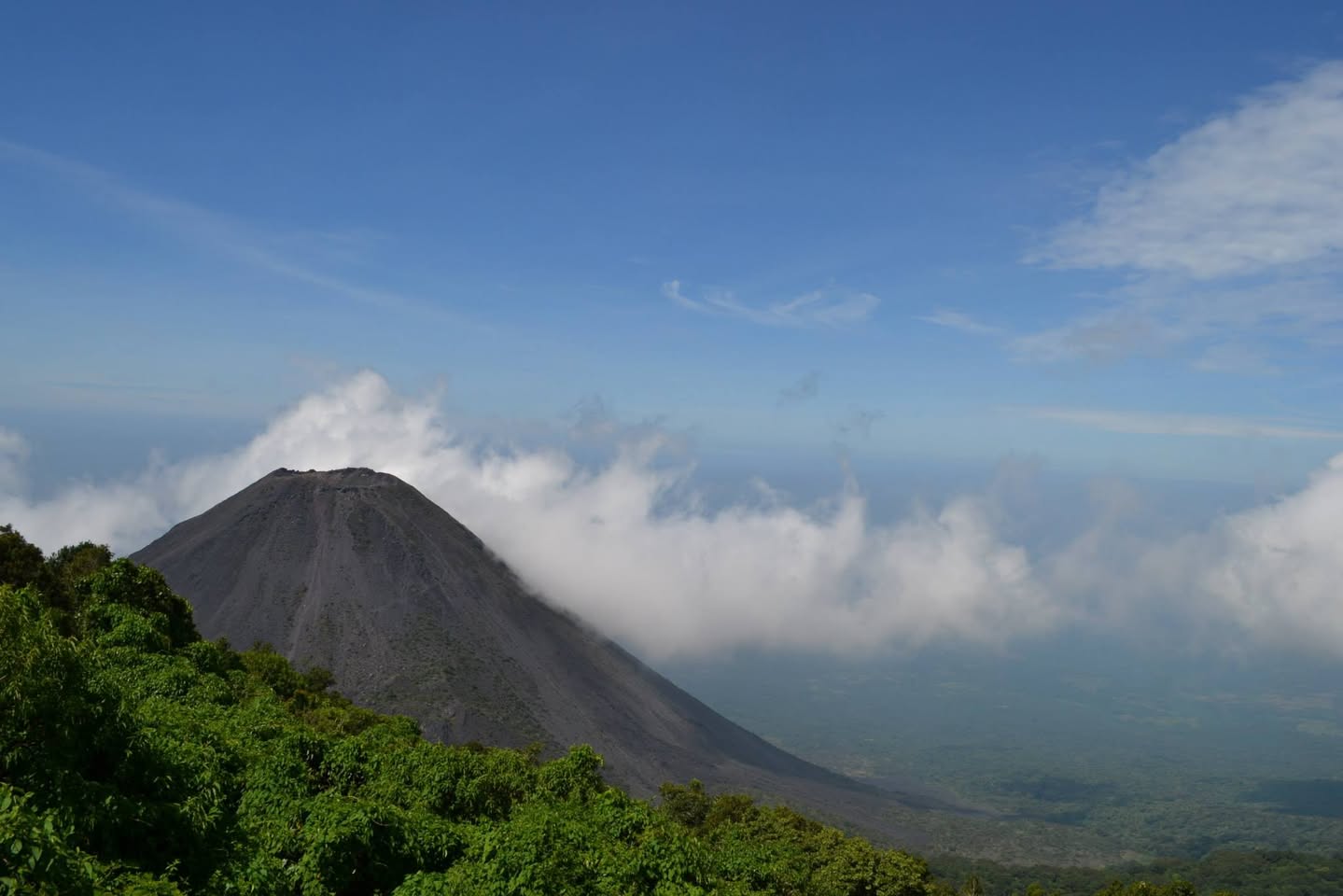
Climbing Volcán Santa Ana — El Salvador's highest peak — to see its emerald-green crater lake, with a police escort along the trail and Volcán Izalco rising in the distance.

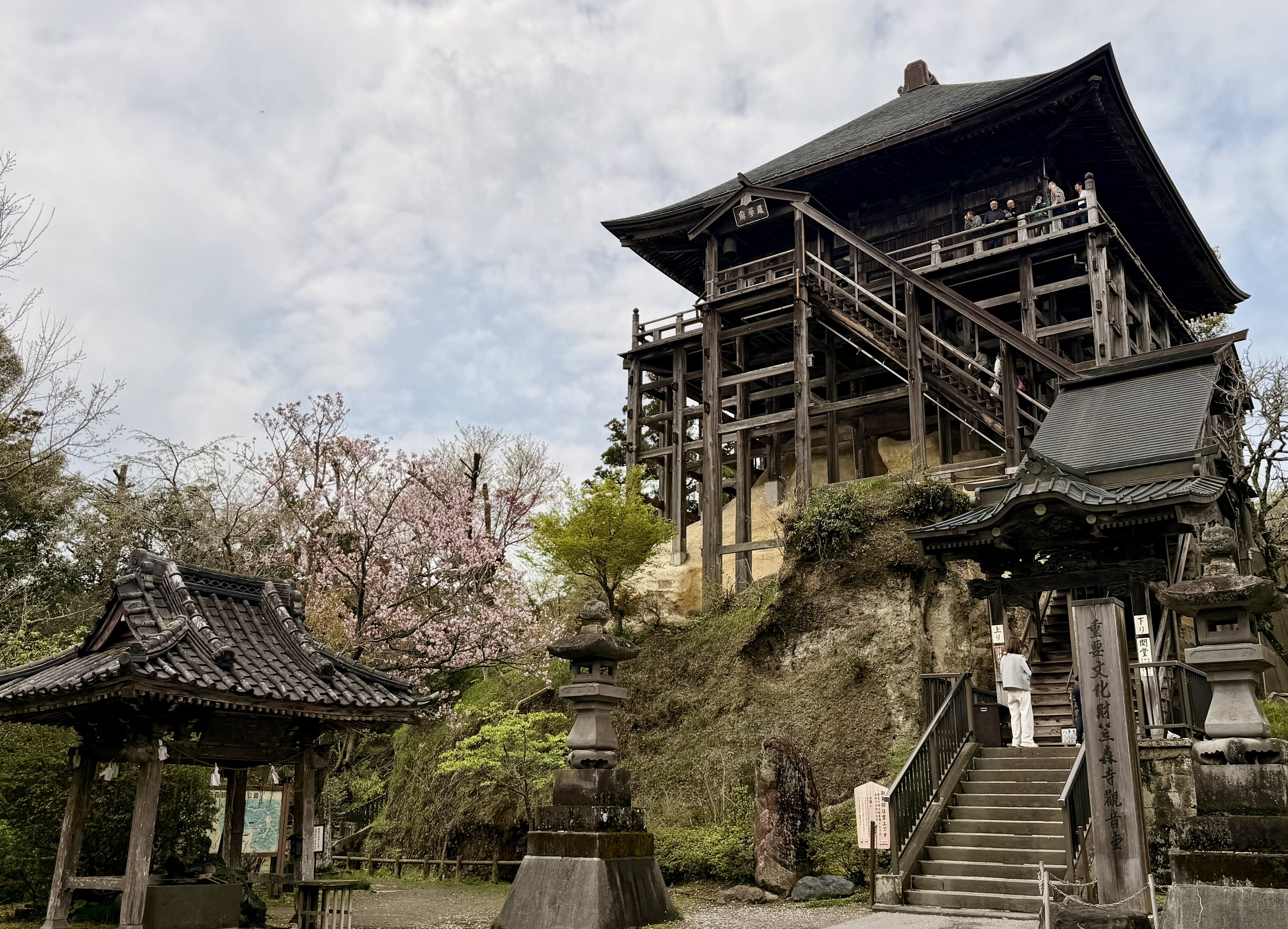
A spring ride through Chiba on the XSR900. The destination: Kasamori Kannon, an old temple hall built atop a natural rock outcrop in a structural style unique in Japan.

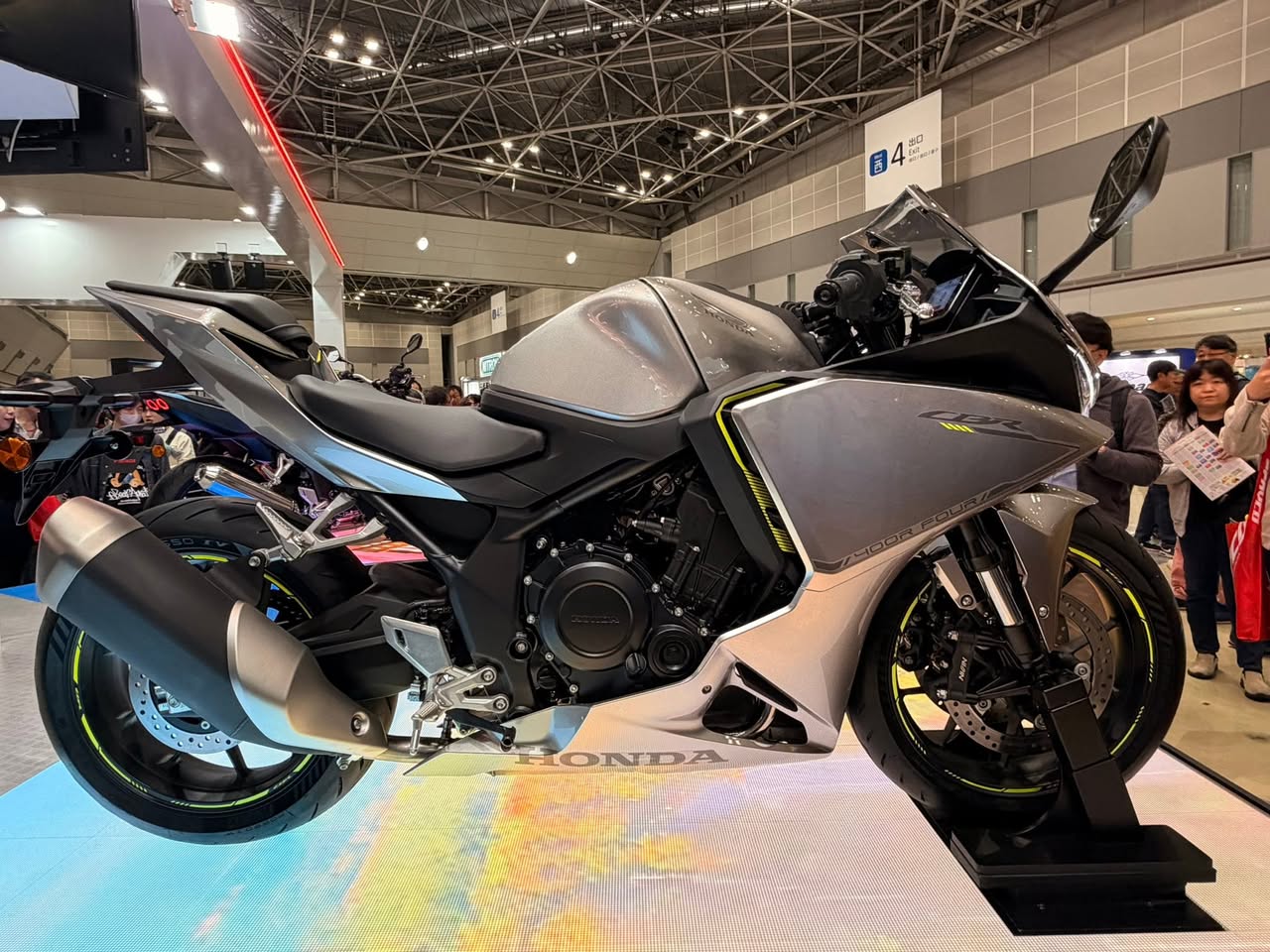
An AMBOOT side bag, the CBR400R FOUR, a customized CT125. The things that stuck with me from walking the Tokyo Motorcycle Show 2026 floor.

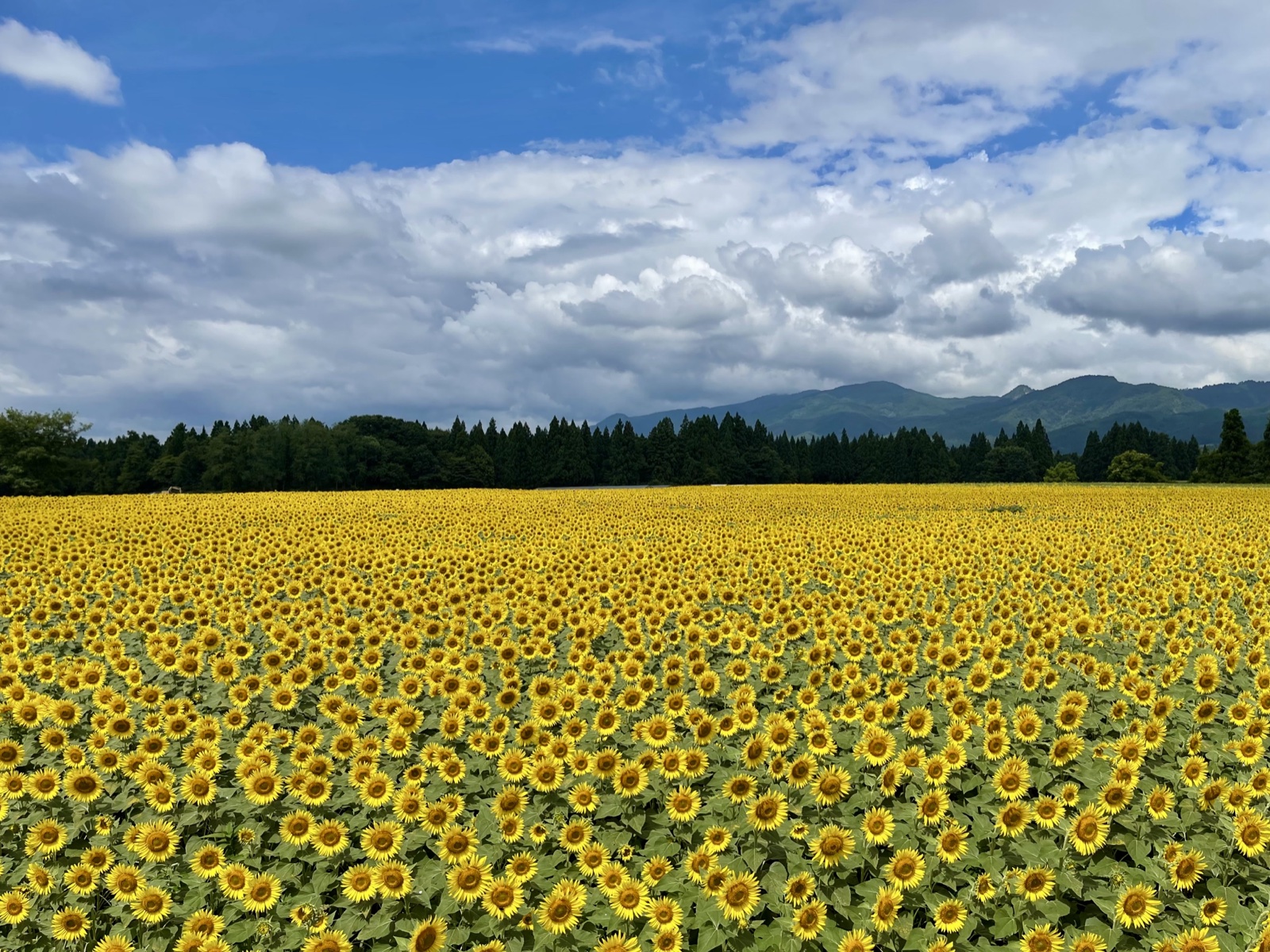
Day one in the Tsunan sunflower field, day two at the Nagaoka Fireworks Festival. A two-day Niigata summer packed in.

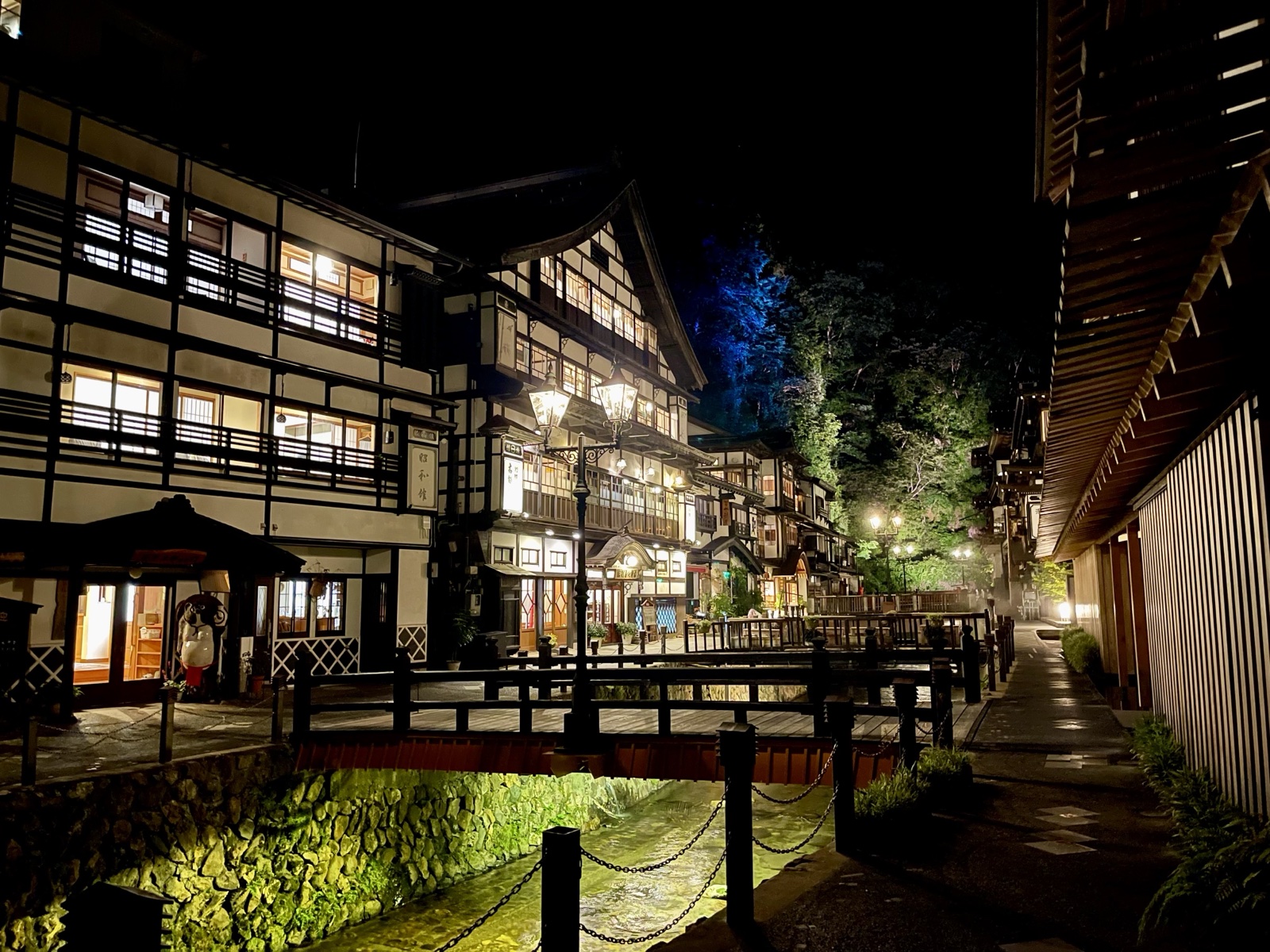
Two days in Yamagata. Zao's huge open-air bath, the eerie Okama crater lake, and the night view of Ginzan Onsen — a hot-spring street that feels like it walked out of a Taishō-era postcard.

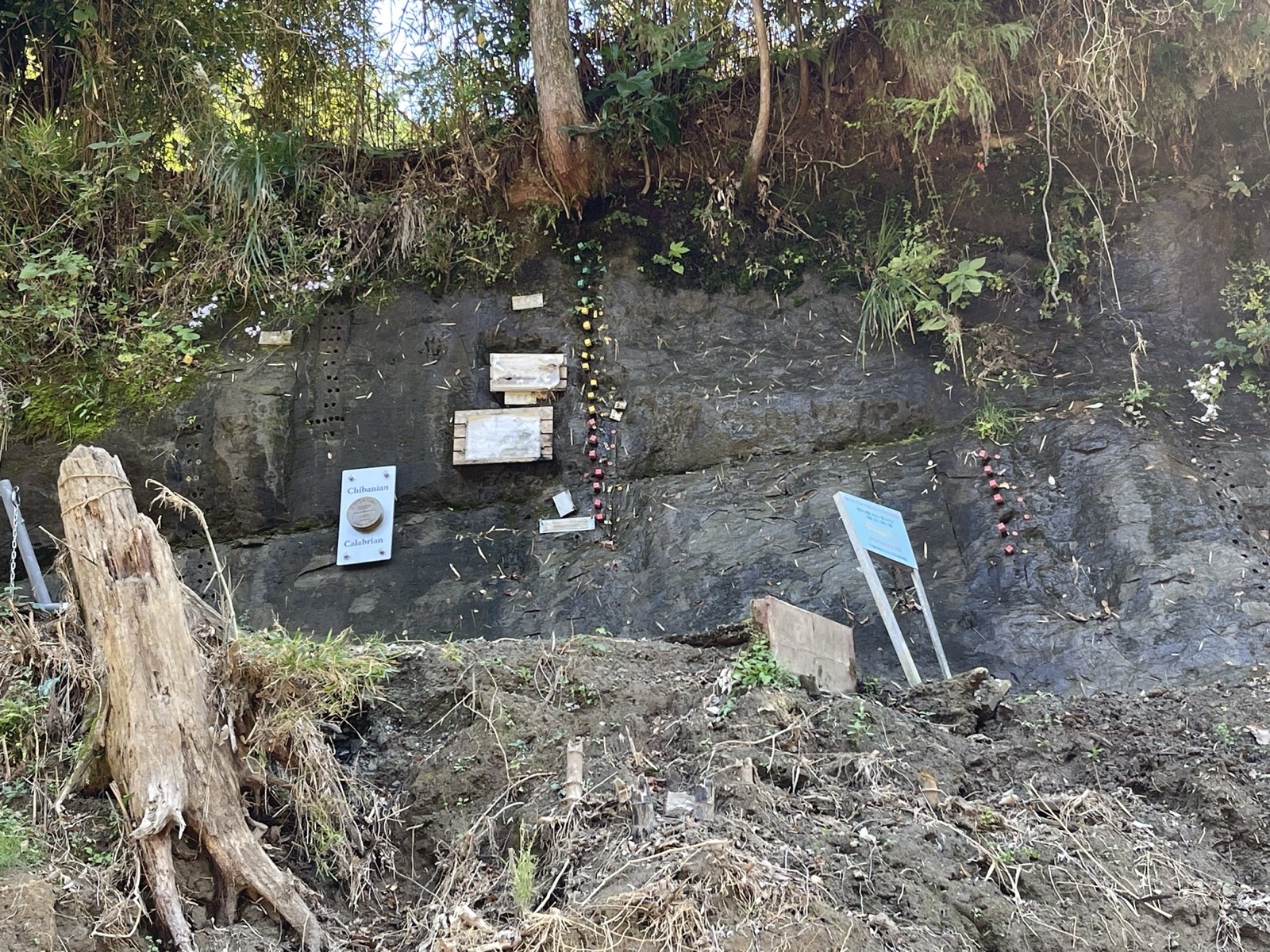
Took the bike to the Chibanian outcrop in Ichihara, Chiba — the geomagnetic-reversal layer that gave its name to a slice of Earth's history. Got close to a wild boar, picked up something in the rear tire, and watched the engine warning light come on for good measure.

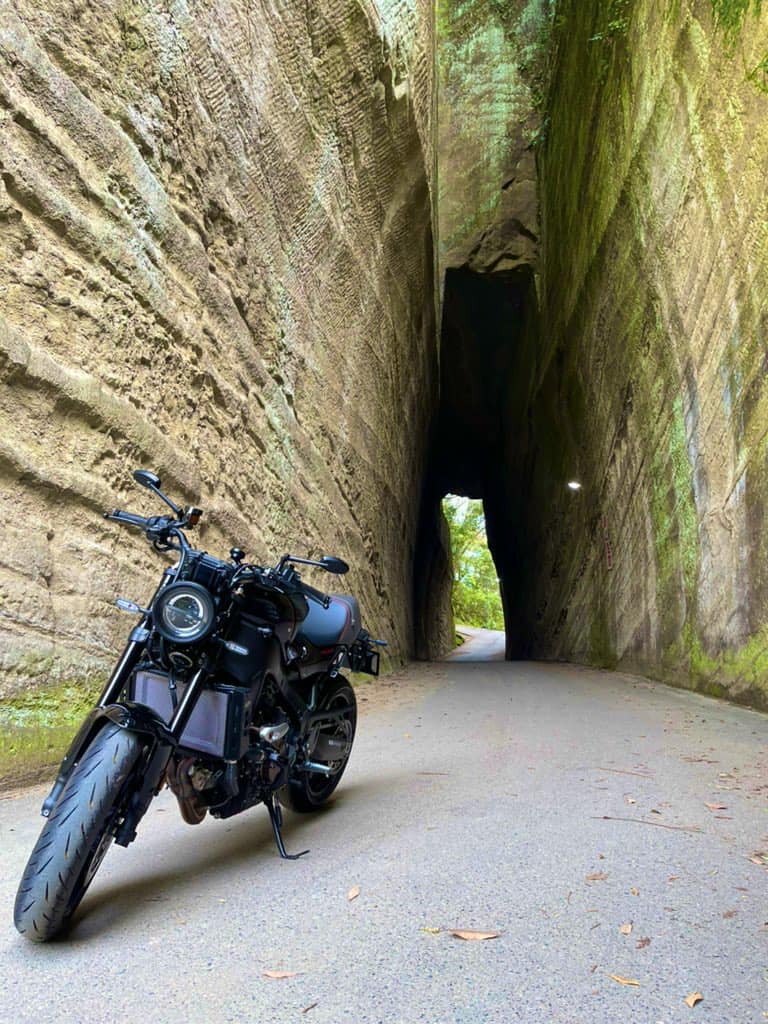
The Tōrōzaka Daishi cut-through tunnel in Futtsu, Chiba. Three years after first visiting on an SR400, I went back on an XSR900. The bike had changed; the tunnel hadn't.

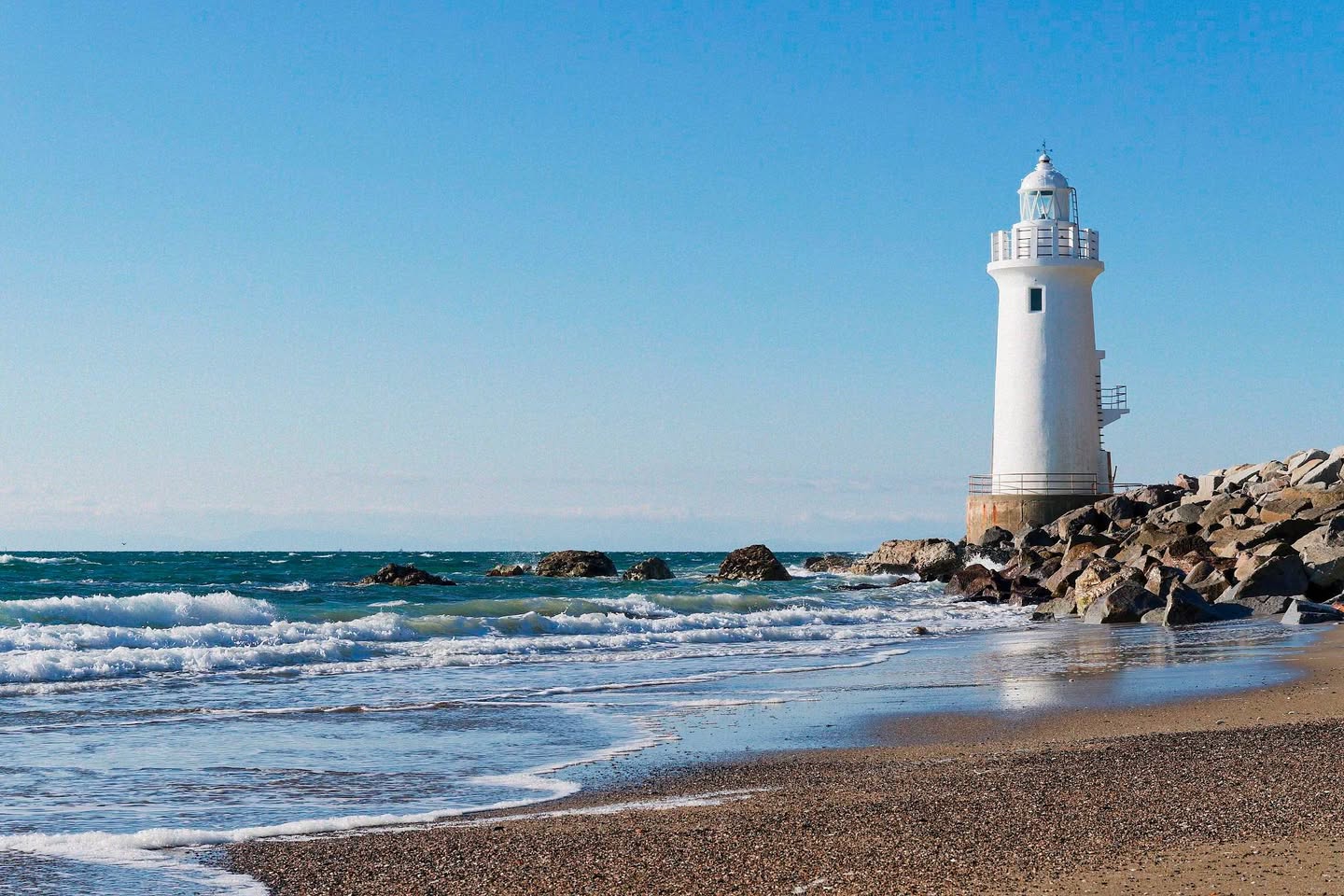
Year-end, headed to Cape Irago in Aichi. Walked around in serious wind, and left with a craving for bakagai clams I ended up not eating.

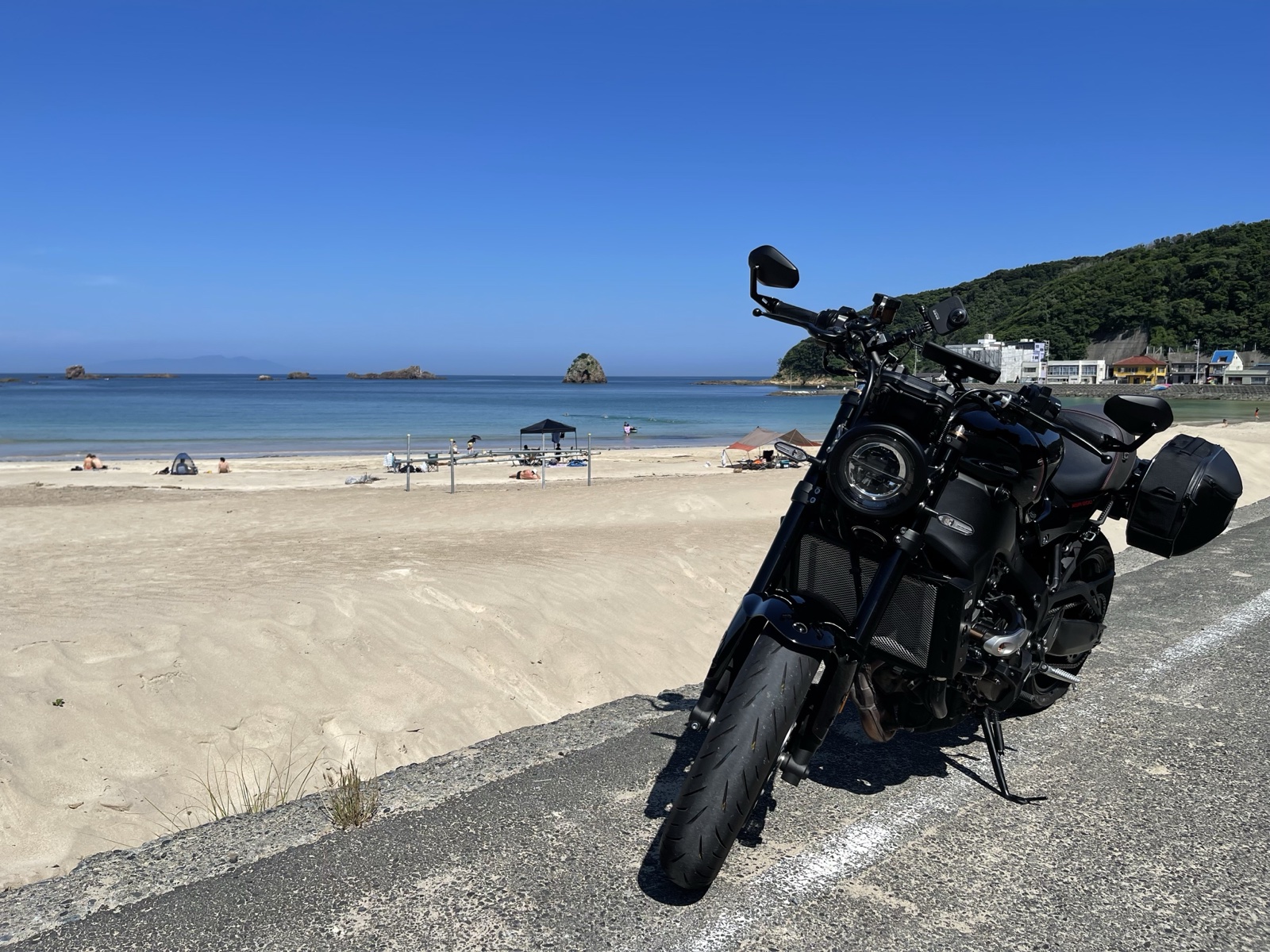
A two-day tour through the Izu Peninsula on an XSR900. No grand theme — but day two on the Ashinoko Skyline turned out to be reason enough to come.

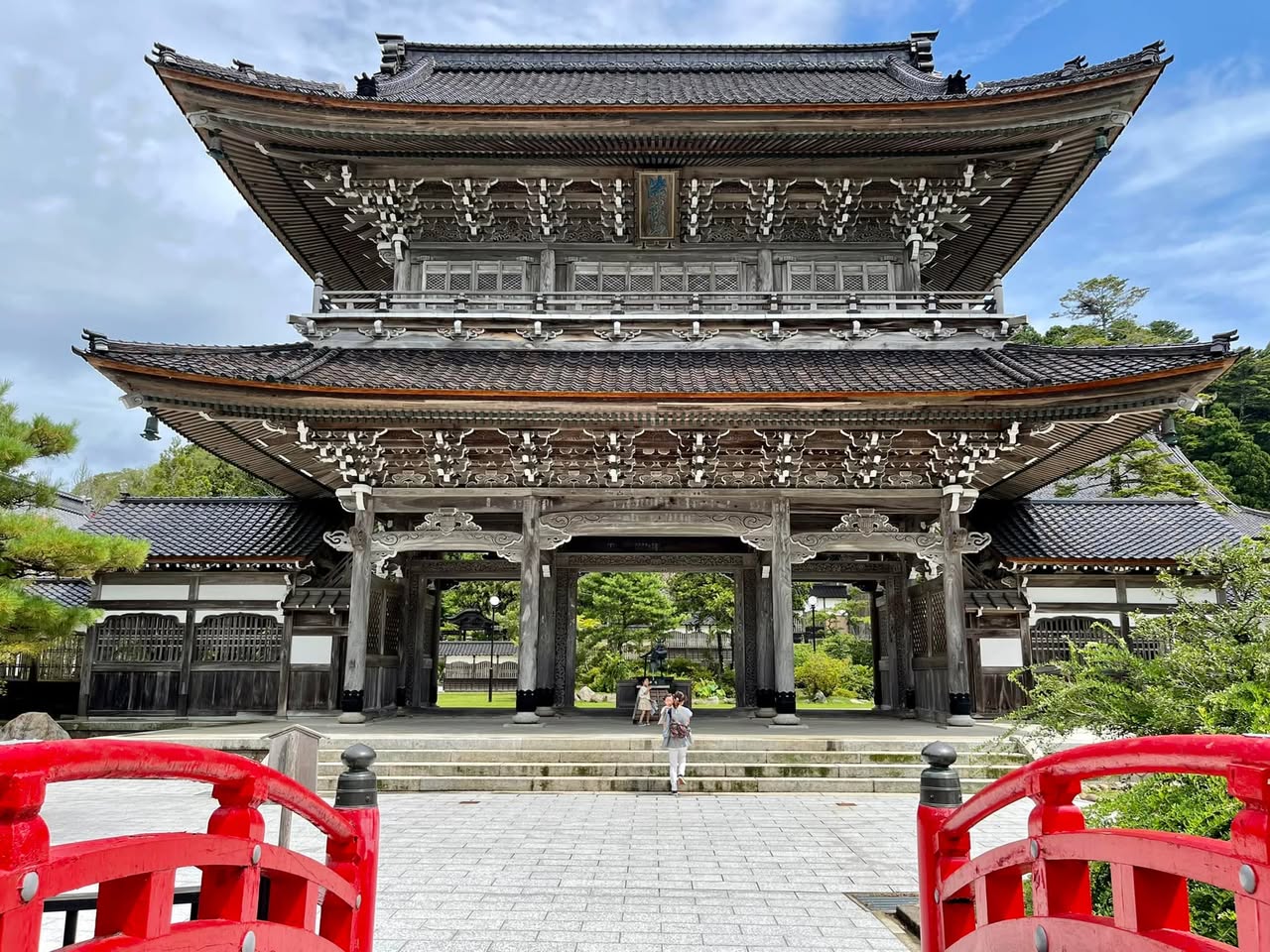
August 2022 — riding the Noto Peninsula. The mountain gate of Sōji-ji Soin temple was massive, and the izakaya in Kanazawa served sashimi topped with gold leaf. The food in Ishikawa was good across the board.

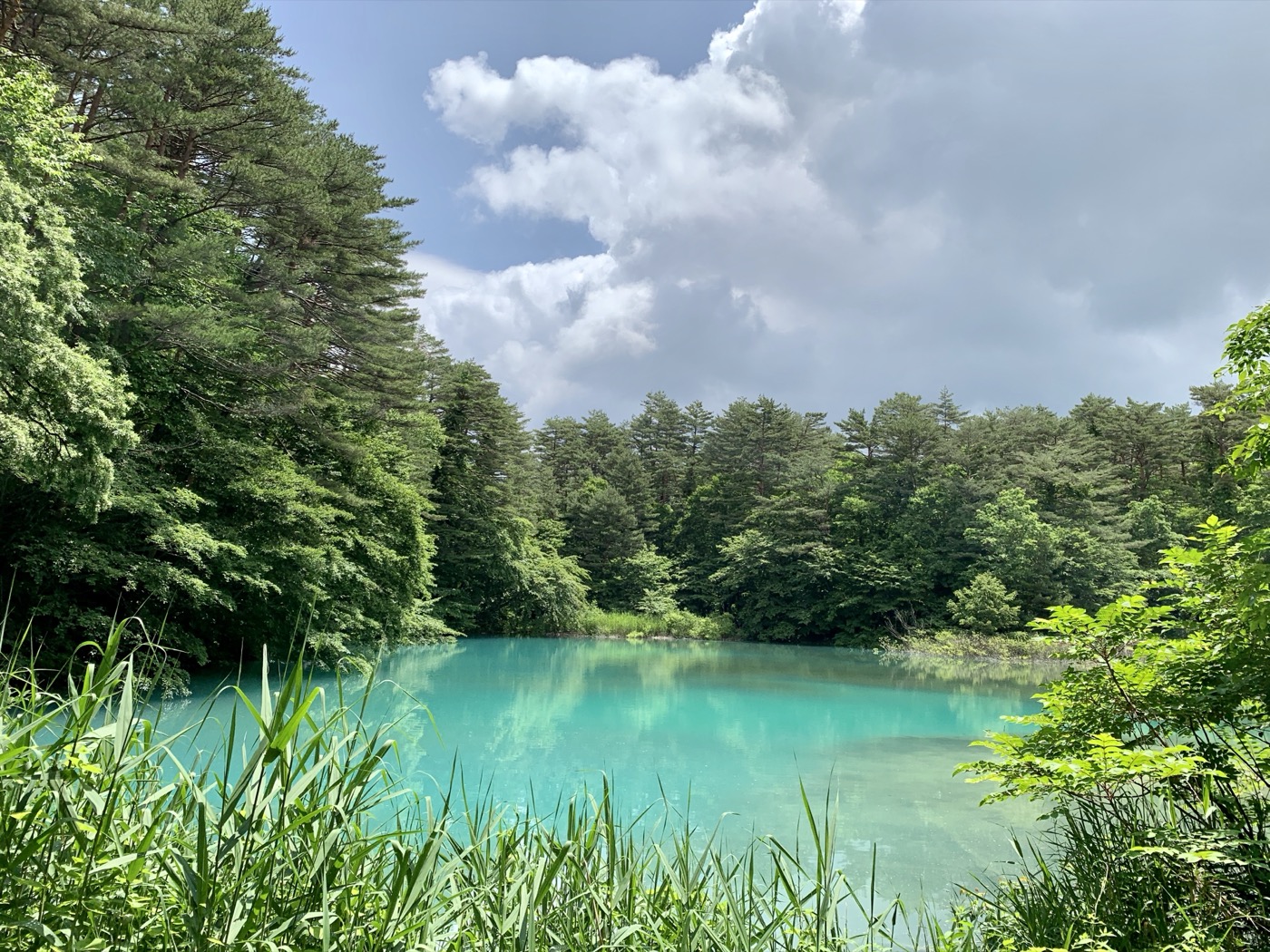
In Kitashiobara, Fukushima, Goshikinuma is the collective name for a cluster of ponds in Urabandai. Each one carries a different color — emerald green, cobalt blue, milky blue — and the surface shifts with the angle and the weather.

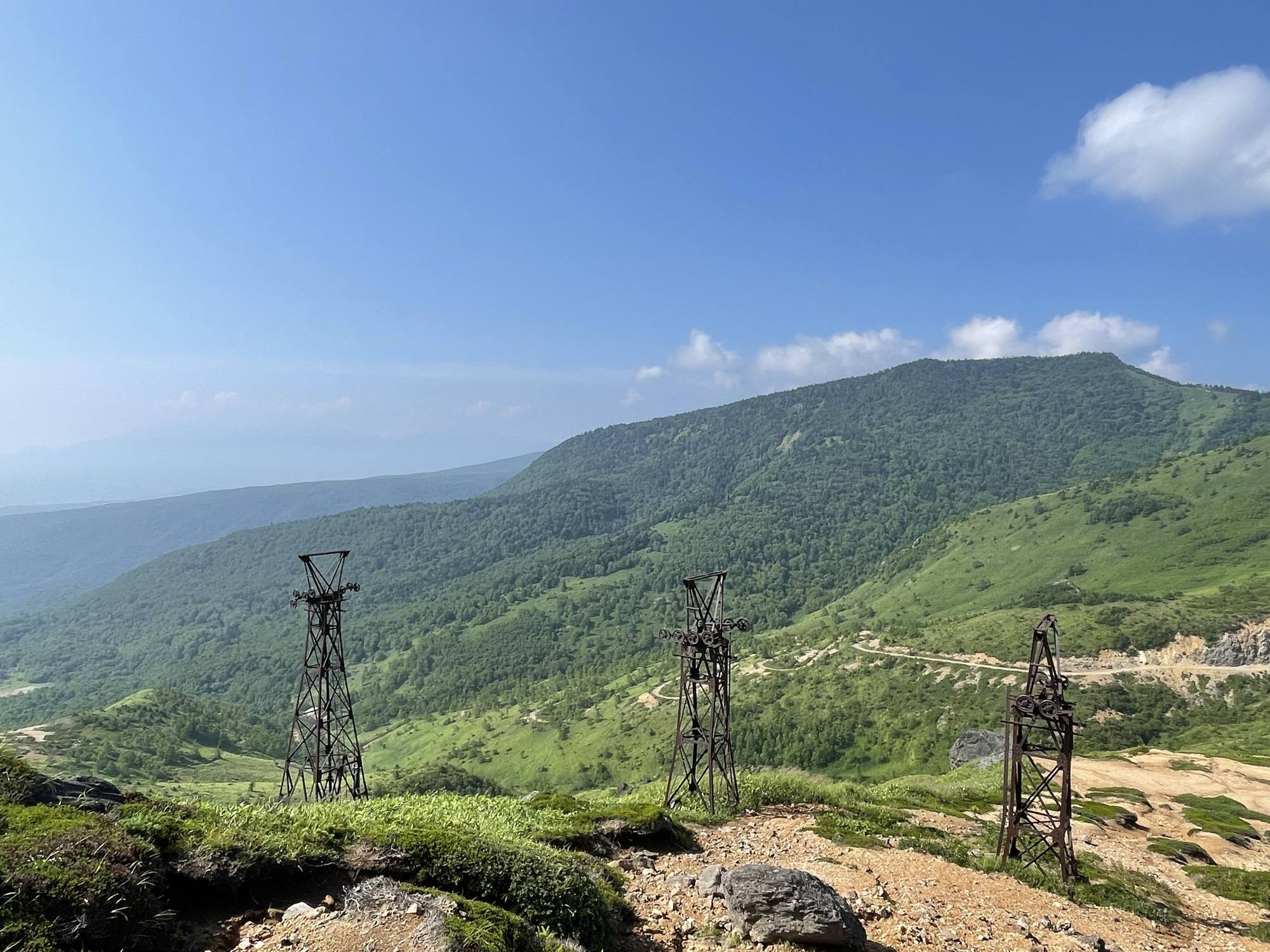
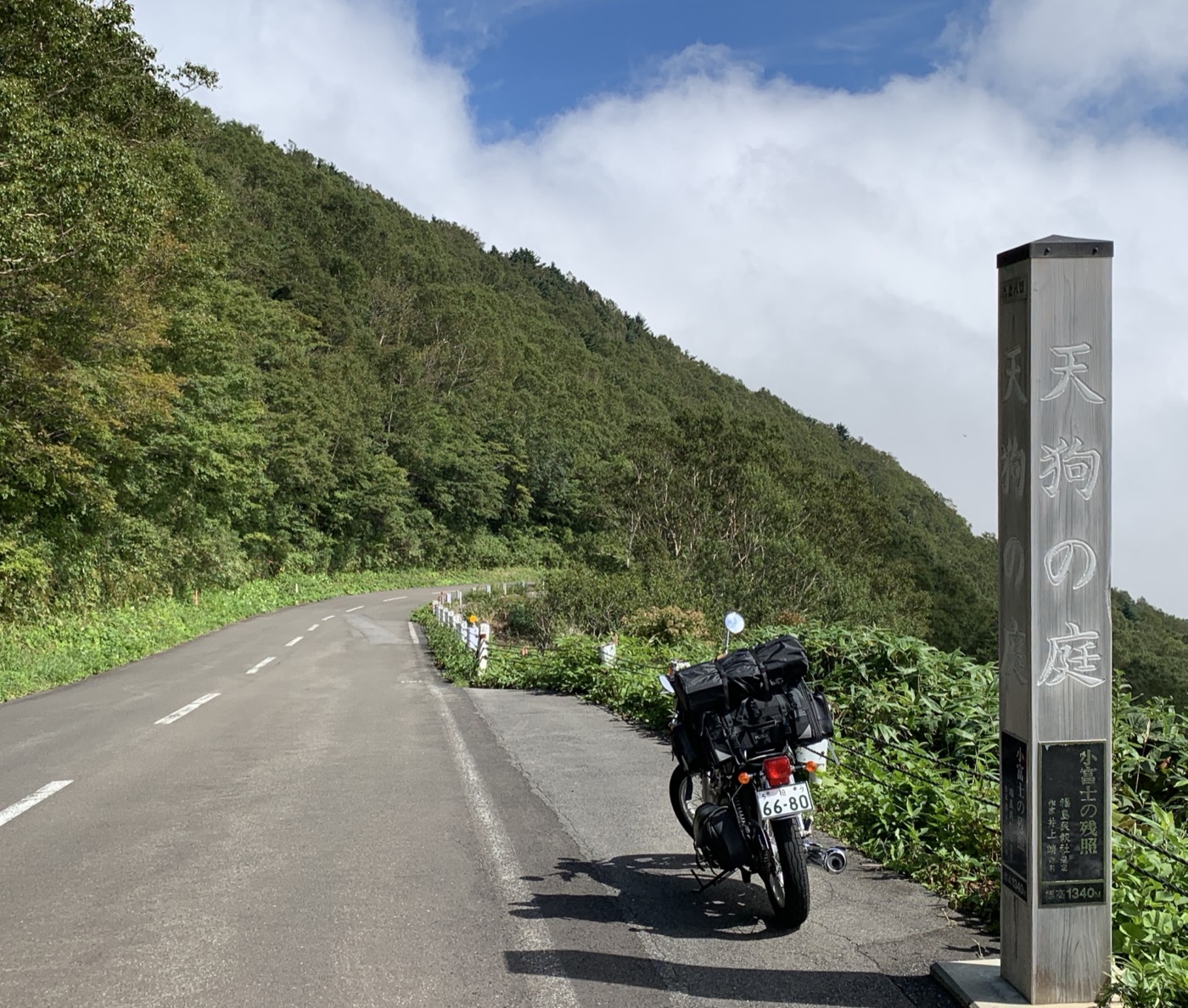
The Bandai-Azuma Skyline (Route 115) in Fukushima is one of Japan's signature volcano-touring roads. Highland riding above 1,600 m, with stark volcanic landscape and sweeping mountain panoramas — ridden once on the SR400 and once on the XSR900.

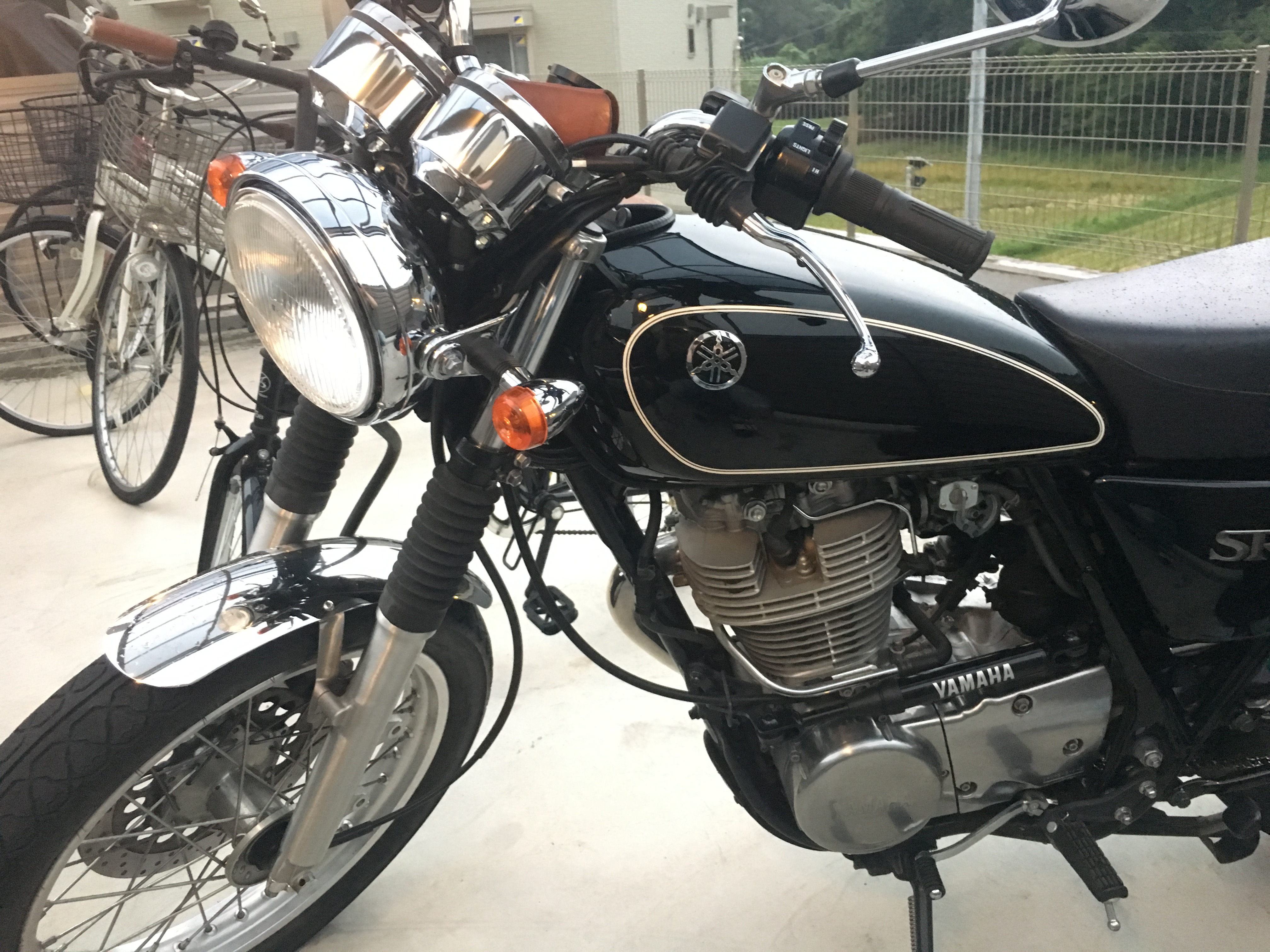
One of the standing complaints with an SR400 is the vibration on long-distance rides. After 300 km in one direction, both hands were numb.
![Ōarai → Tomakomai by Sunflower Ferry: First Day in Sapporo [SR400 Hokkaido Tour ①]](../images/hokkaido/tomakomai-ferry.jpg)
Solo Hokkaido on an SR400. The Sunflower ferry from Ōarai to Tomakomai, then onto Sapporo for the Red Brick Building and Ramen Ichiryūan. June 2021.
![Sapporo to Wakkanai via Ishikari and the Ororon Line [SR400 Hokkaido Tour ②]](../images/hokkaido/オロロンライン.jpg)
Sapporo north through Ishikari, the Roadside Station Airoad Atsuta, an ikura-don at Obira-Nishin-Banya, then up the Ororon Line past Teshio's wind farms to Wakkanai's North Breakwater Dome.

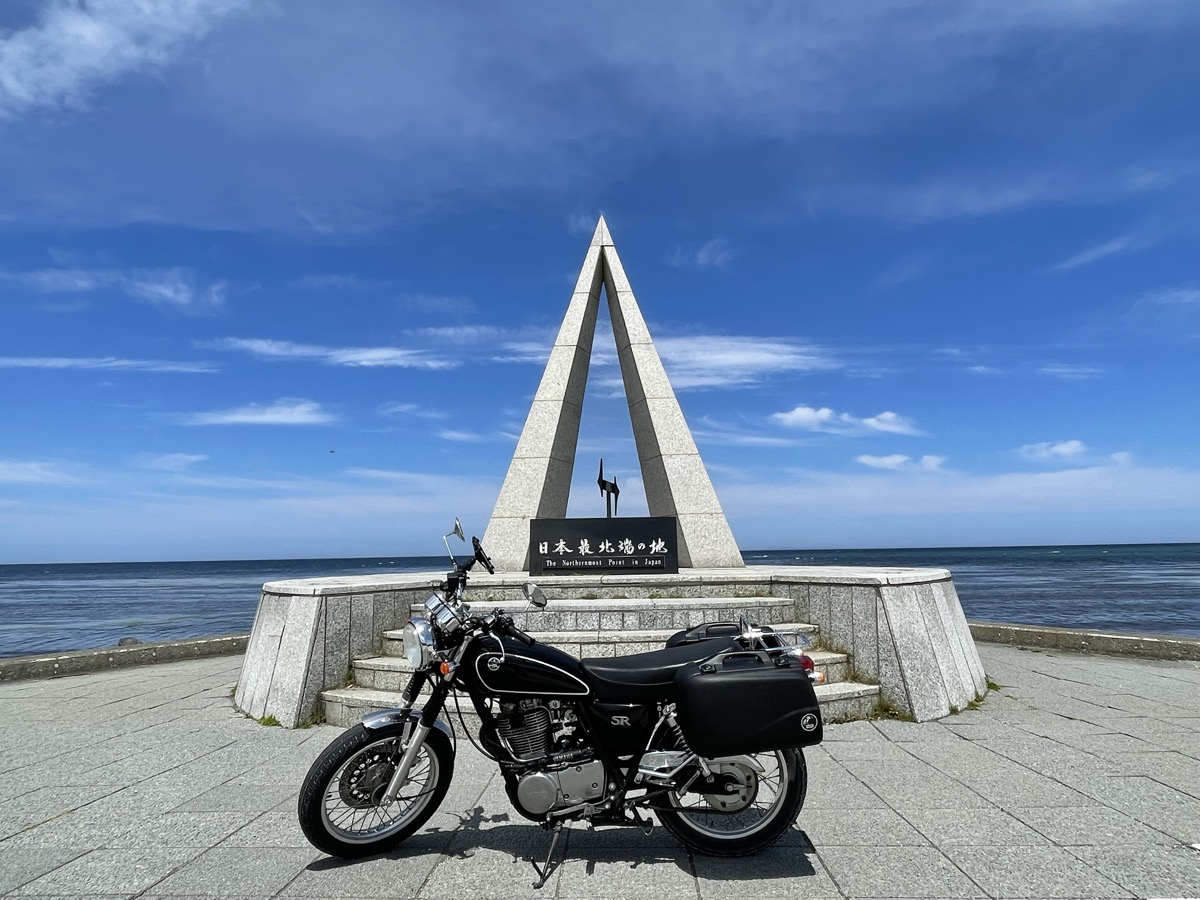
Morning uni-ikura don in Wakkanai, the White Road and Cape Sōya at Japan's northernmost point, the Esanuka Line bringing me close to tears. That night in Monbetsu, on the road up to the Okhotsk Sky Tower for stargazing, I came face-to-face with a Higuma. SR400 Hokkaido tour, day 3.
![Monbetsu to Biei: Blue Pond and the Patchwork Road [SR400 Hokkaido Tour ④]](../images/hokkaido/aoi-ike-pano.jpg)
From Monbetsu, a break at Saerubu-no-oka in Kamifurano, then on to Biei for the Blue Pond, the Ken & Mary Tree, and the Patchwork Road. A day connecting Hokkaido's icons in one ride.
![Furano's Farm Tomita to Tomakomai: Sunflower Ferry Back to Ōarai [SR400 Hokkaido Tour ⑤]](../images/hokkaido/furano-lavender.jpg)
Out of Biei, Farm Tomita lavender and soft serve, a Yūbari melon at a highway PA, and one last seafood bowl at Tomakomai before boarding the Sunflower. The last day of the SR400 Hokkaido tour.
![Ōarai → Tomakomai by Sunflower Ferry [XSR900 Hokkaido Tour ①]](../images/hokkaido-xsr900/20250819_070951847_iOS.jpg)
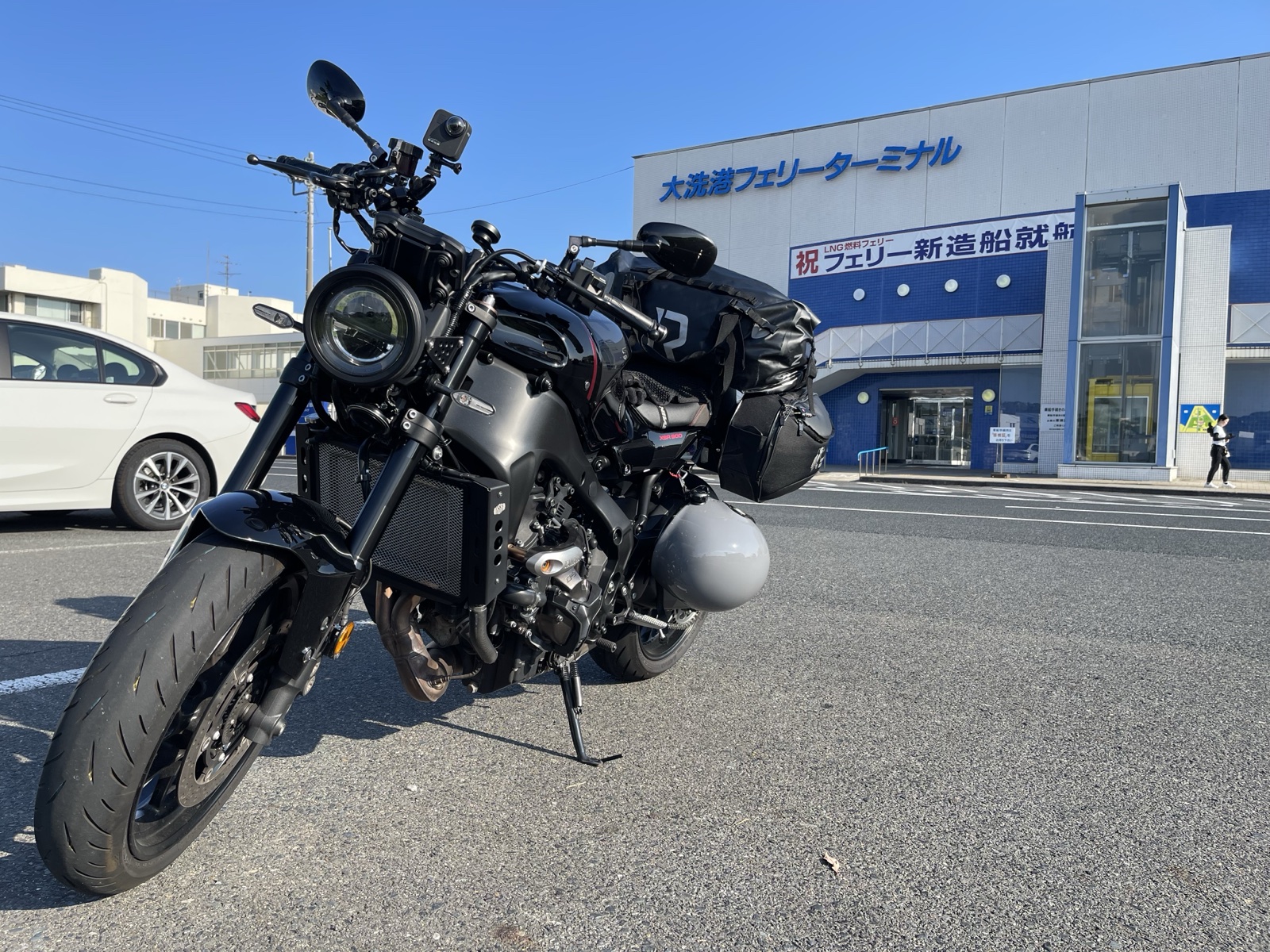
Heading to Hokkaido on an XSR900. Boarding the Sunflower at Ōarai Port, bound for Tomakomai. The moment we cast off, the trip began.
![Tomakomai to Obihiro: Nibutani Ainu Museum and Tokachi Buta-don [XSR900 Hokkaido Tour ②]](../images/hokkaido-xsr900/20250820_054937983_iOS.jpg)
Off the ferry at Tomakomai West Port, then on through the Yoshitsune Shrine and the Nibutani Ainu Culture Museum in Biratori, ending in Obihiro for a Tokachi pork bowl at Ippin.

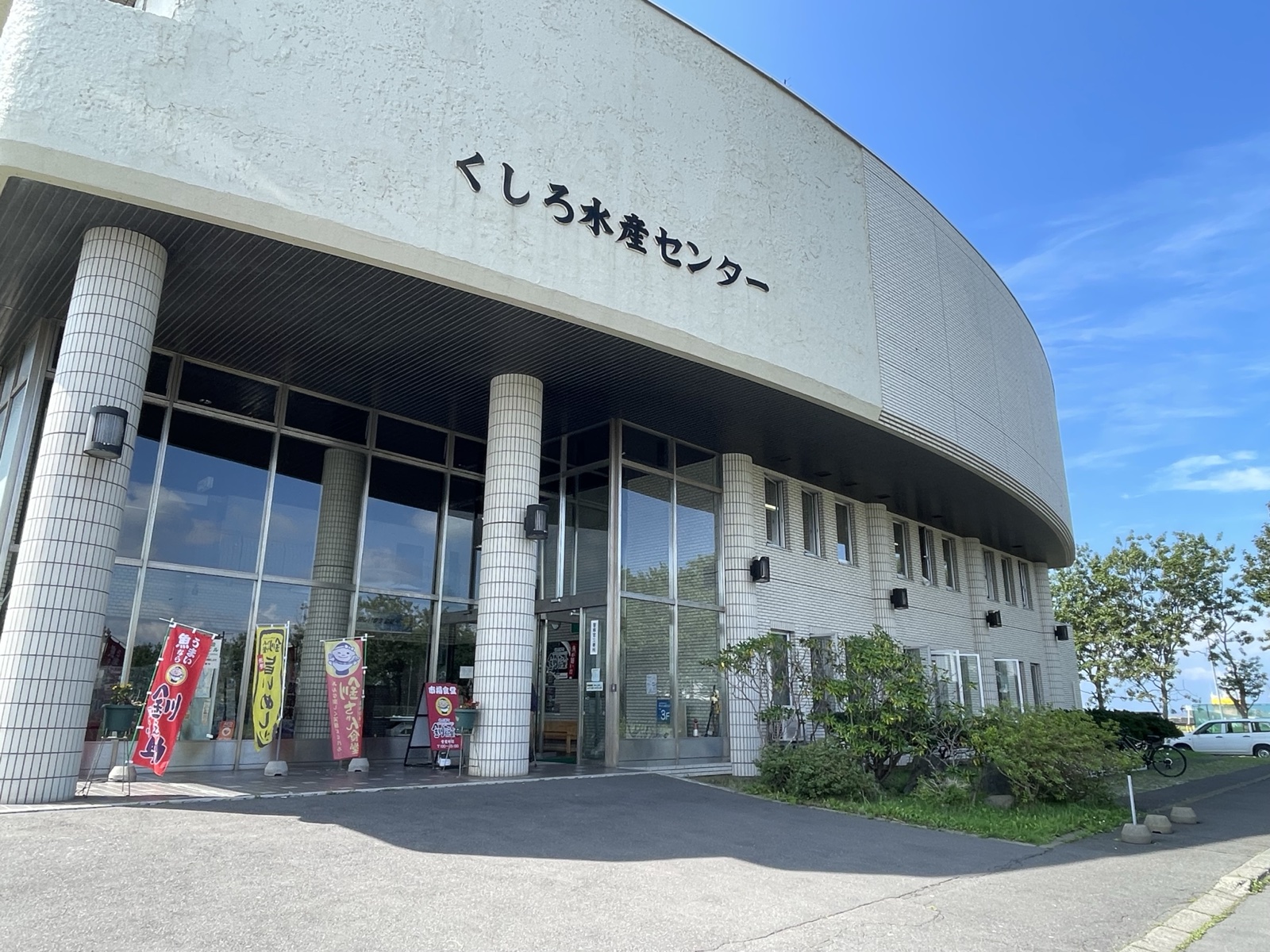
Obihiro to Nemuro by way of Kushiro. Seafood at Kushiro Suisan Center, an unplanned stop at Akkeshi Distillery and oysters, the lighthouse at Cape Nosappu, and crab in Nemuro.
![Eastern Hokkaido Touring: Cape Nosappu to Shiretoko Five Lakes [XSR900 Hokkaido Tour ④]](../images/hokkaido-xsr900/20250822_073520142_iOS.jpg)
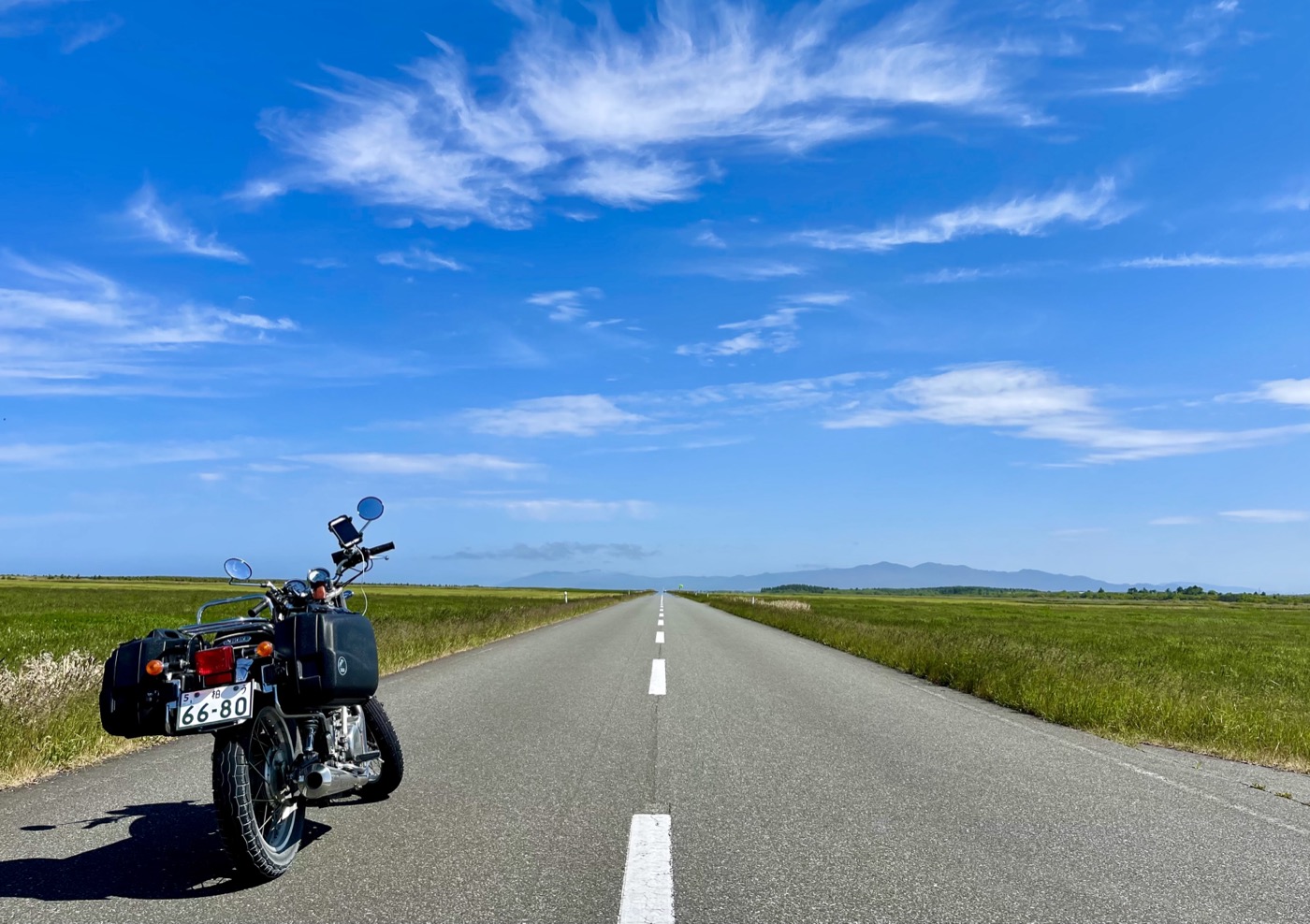
Morning back at Cape Nosappu and the Northern Territories museum, then north to Shiretoko Five Lakes and the Road to Heaven — the 28 km straight-line road that gives it its name.
![Kaminoko Pond, Bihoro Pass, Abashiri Prison Museum [XSR900 Hokkaido Tour ⑤]](../images/hokkaido-xsr900/20250823_022248708_iOS.jpg)
A packed loop: the cobalt-blue Kaminoko Pond, the foggy Bihoro Pass, and the open-air Abashiri Prison Museum — and the history of how convicts built Hokkaido's central road.

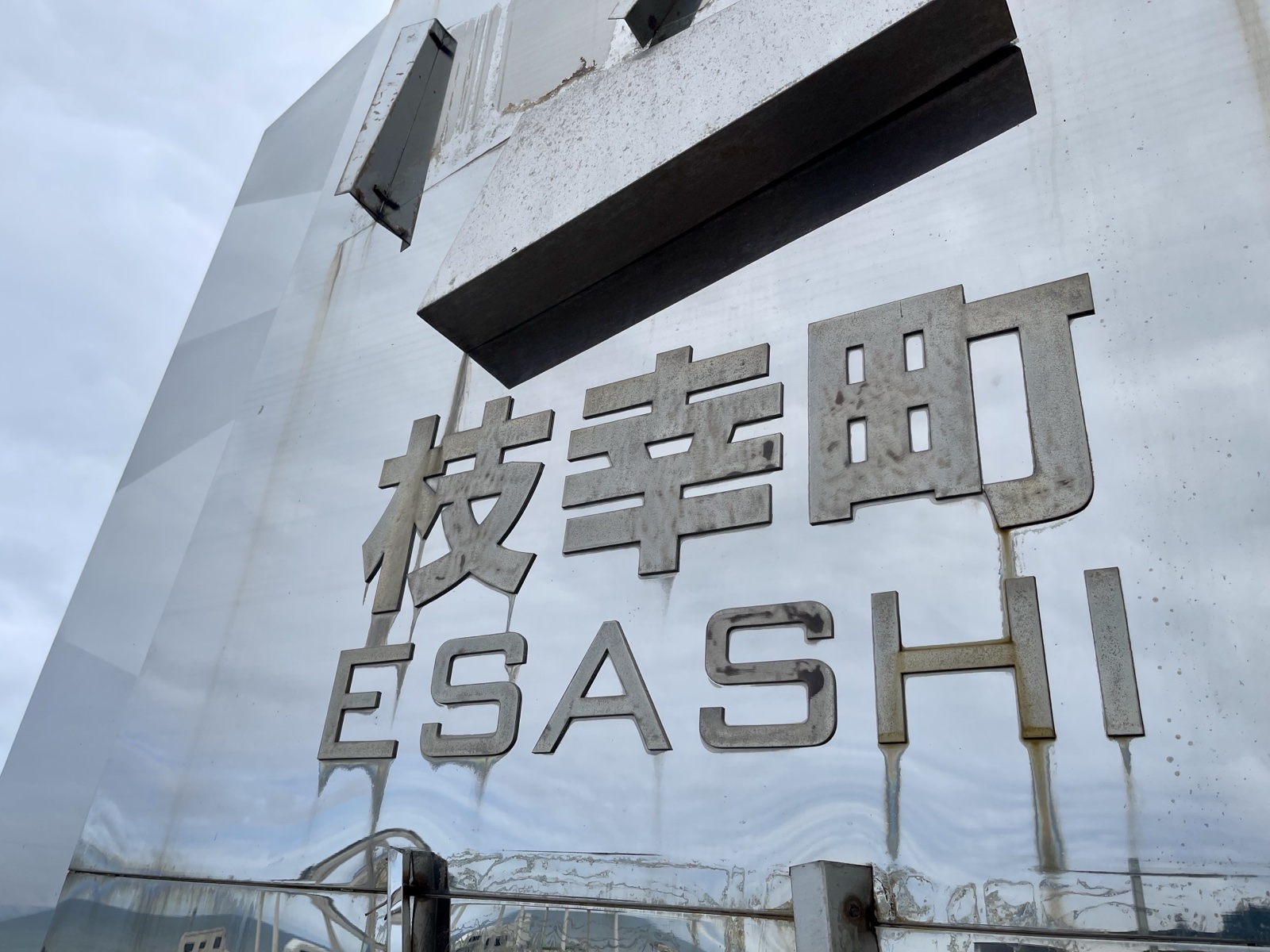
Out of Monbetsu up the Okhotsk coast. The wallet flew out of an open side case in Esashi — and an AirTag and a kind local turned a disaster into a story.

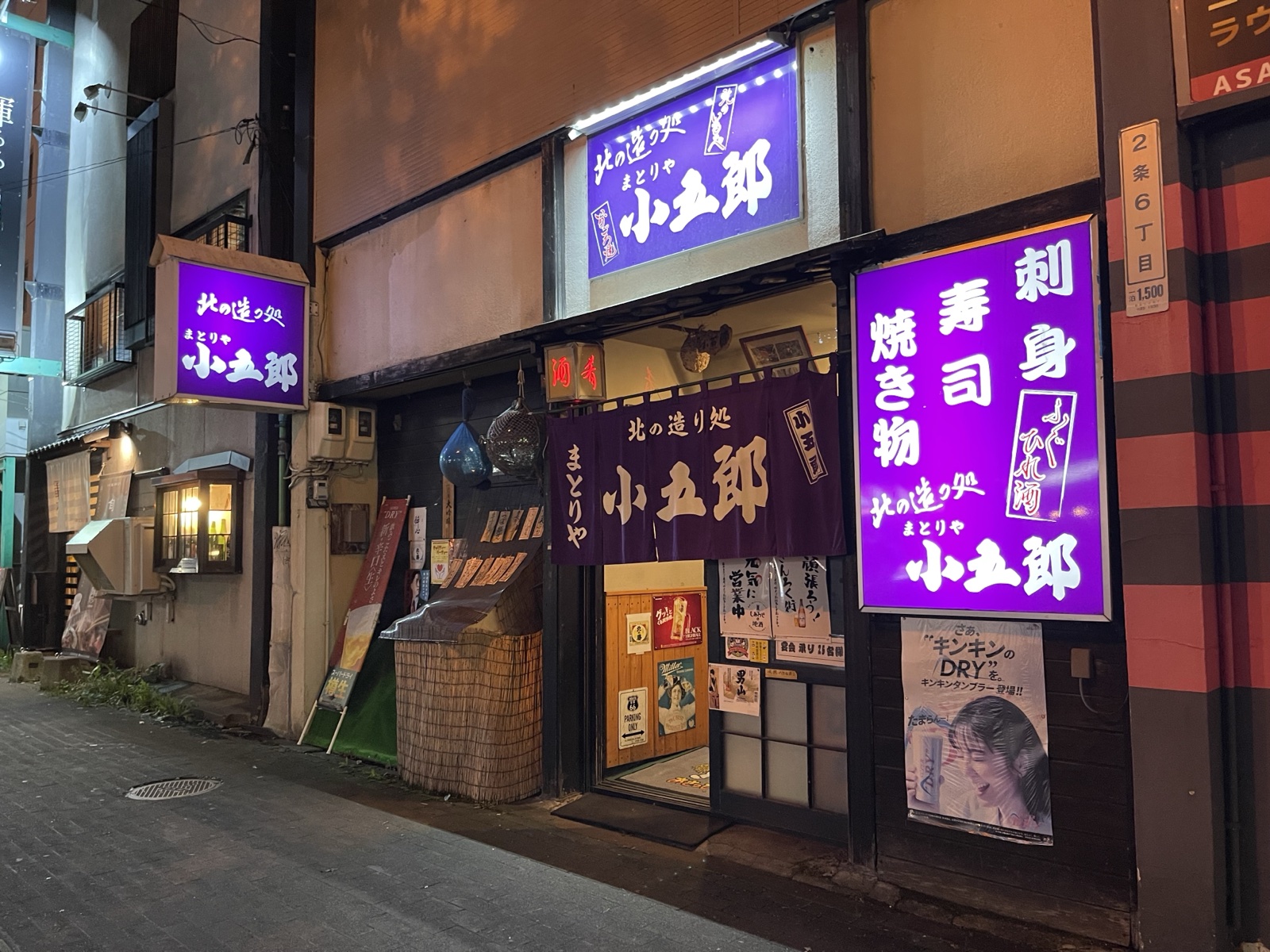
A long ride south from Wakkanai to Asahikawa on the Ororon Line, ending with dinner at the local izakaya 'Kogorō' in Asahikawa.
![Biei Blue Pond and Shirahige Falls to Tomakomai [XSR900 Hokkaido Tour ⑧]](../images/hokkaido-xsr900/20250826_002032526_iOS.jpg)
Final day. Asahikawa to Tomakomai via Biei (Blue Pond, Shirahige Falls), collecting Hokuren rider flags along the way, then back to Ōarai by ferry. 2,400 km in total.
![Aomori to Hakodate by Shinkansen: Walking the City at Night [Hokkaido Car Trip ①]](../images/hokkaido-car/hakodate-night-view-2022.jpg)
A 3-night, 4-day Hokkaido car trip in August 2022 begins with a Shinkansen from Aomori to Hakodate. The Hakodate Mountain night view, Lucky Pierrot, and Hakodate Beer.
![Mt. Yōtei, Nikka Yoichi Distillery, and Otaru Canal [Hokkaido Car Trip ②]](../images/hokkaido-car/mt-yotei.jpg)
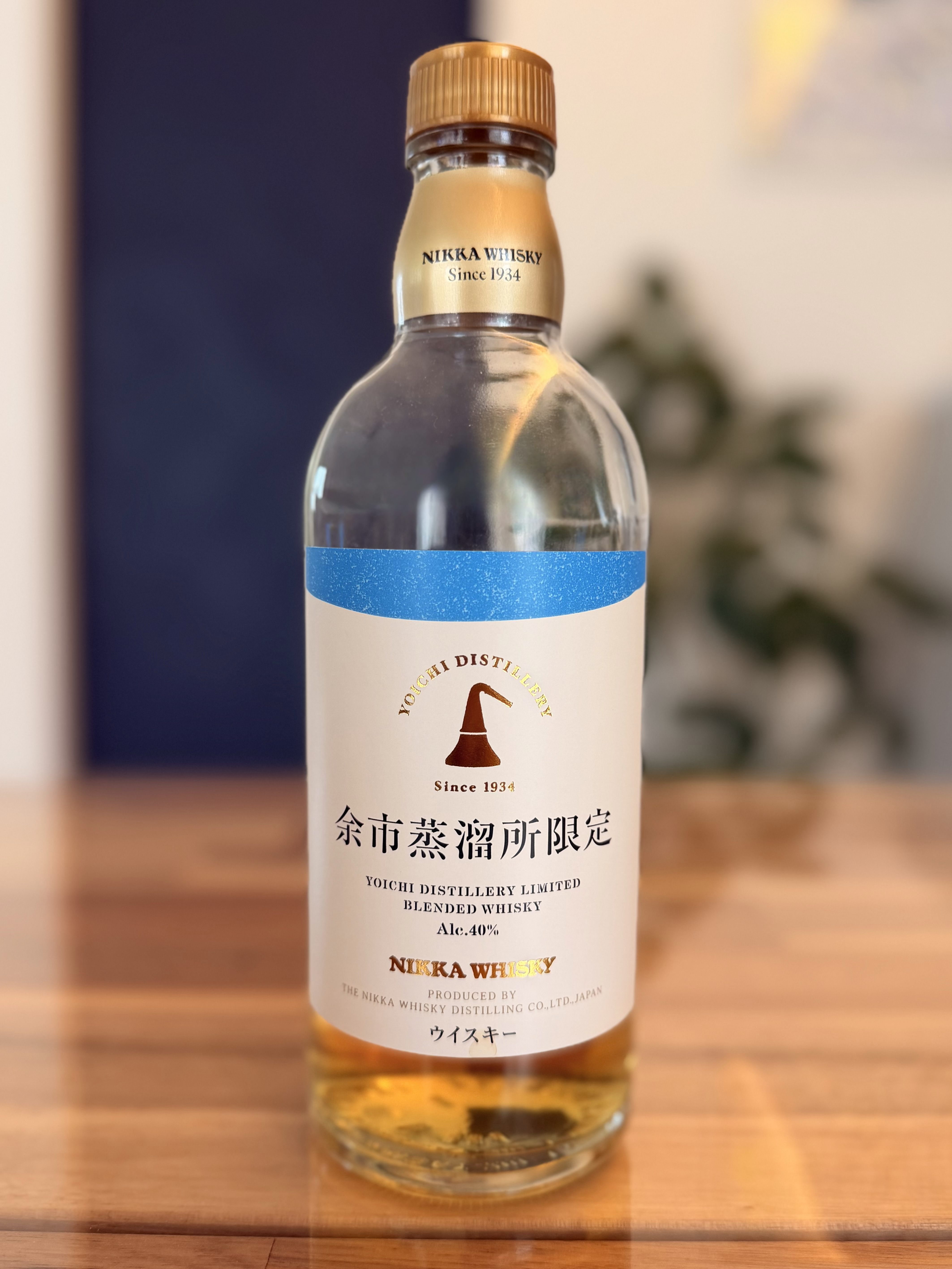
Day 2 leaves Hakodate at dawn, takes in Mt. Yōtei (Ezo Fuji) and the Mt. Kenashi viewpoint, tours Nikka Whisky Yoichi, the Yoichi Space Dome, and ends in Otaru.
![Shakotan Peninsula Drive: Bikuni Ōgon-misaki, Cape Kamui, and Sea Urchin at Kiyozushi [Hokkaido Car Trip ③]](../images/hokkaido-car/kamui-misaki-pano.jpg)
Day 3 drives the Shakotan Peninsula. The Bikuni Ōgon-misaki, Cape Kamui's 'Shakotan Blue', and a uni-ikura don at Kiyozushi Branch in Bikuni.
![Hakodate Morning Market, Goryōkaku, and the "First Step on Hokkaido" Monument [Hokkaido Car Trip ④]](../images/hokkaido-car/goryokaku.jpg)
Final day of the Hokkaido car trip: morning at the Hakodate Morning Market with live squid fishing, the star-shaped Goryōkaku, Lucky Pierrot a second time, and the 'First Step on Hokkaido' monument.
![Hokkaido Touring Gear List: 2,400 km of Field-Tested Essentials [Gear ①]](../images/hokkaido-xsr900/20250819_070951847_iOS.jpg)
The gear that actually mattered after two motorcycle trips across Hokkaido. Bags, wear, rain gear, camping gear, bear deterrents, and gadgets — by category.
![Why You Need Bear Spray on a Shiretoko Tour: UDAP 12HP [Gear ③]](../images/og/hokkaido-bear-spray.jpg)
At the entrance to the Shiretoko Peninsula stands an official sign reading 'Carrying bear spray is recommended.' What I learned about brown bears on a Hokkaido tour, and the UDAP 12HP I packed.

A summary of three Hokkaido trips — two by motorcycle, one by car. Routes, lodging, and standout spots, with maps.

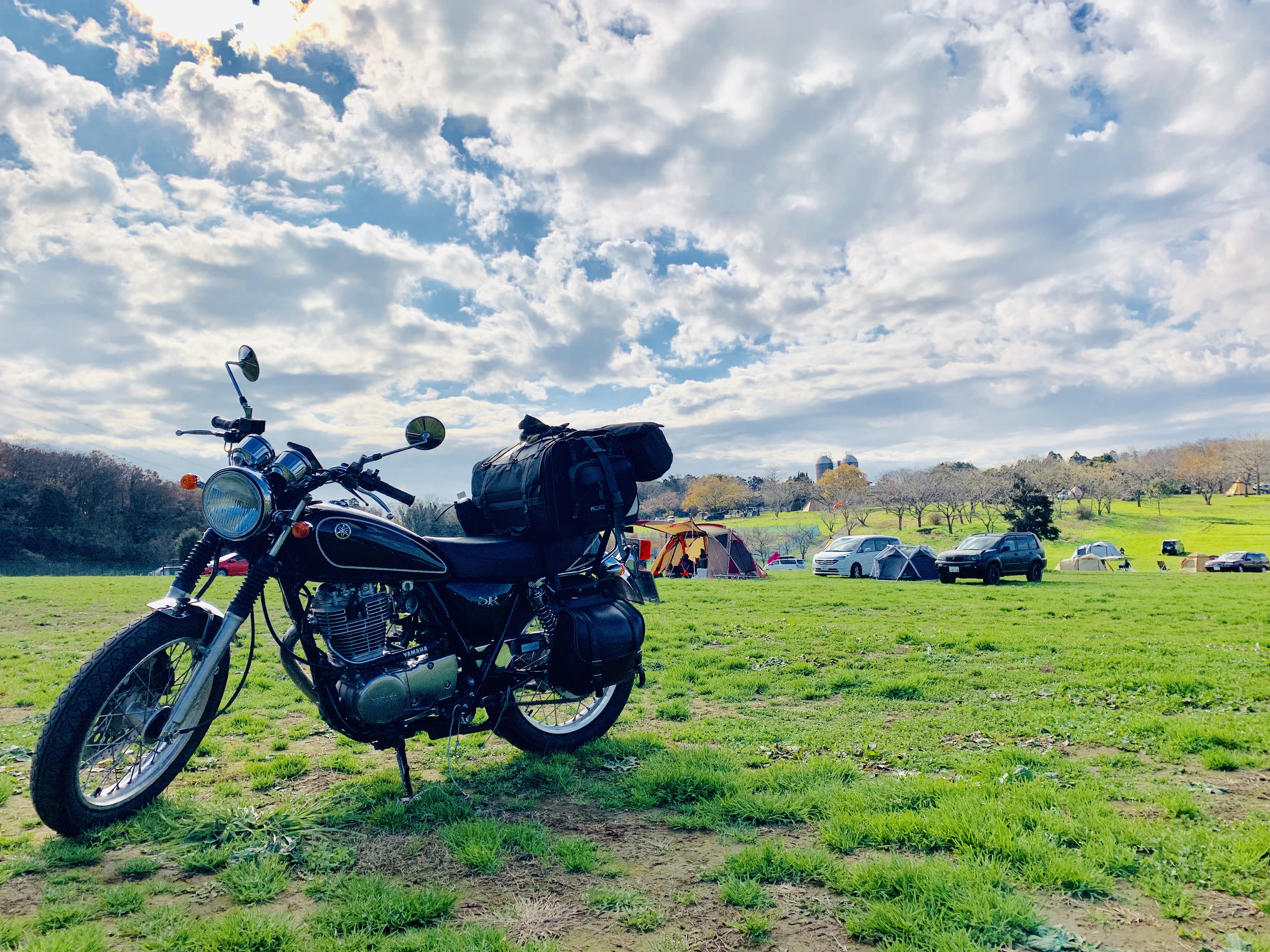
Mid-December, escaping the year-end noise, I tried a paid auto-campground for the first time. Mori-no-Makiba Auto Campground in Sodegaura, Chiba — a former pasture turned campground.
![Solo Motorcycle Camping Gear: Tent, Sleeping Bag, and Pad [Camp Gear ①]](../images/og/touring-camp-gear.jpg)
'OK, I'm going camping by motorcycle this year' — and I built out the kit from scratch. After two solo trips, here are the gear reviews from actually using everything in the field.

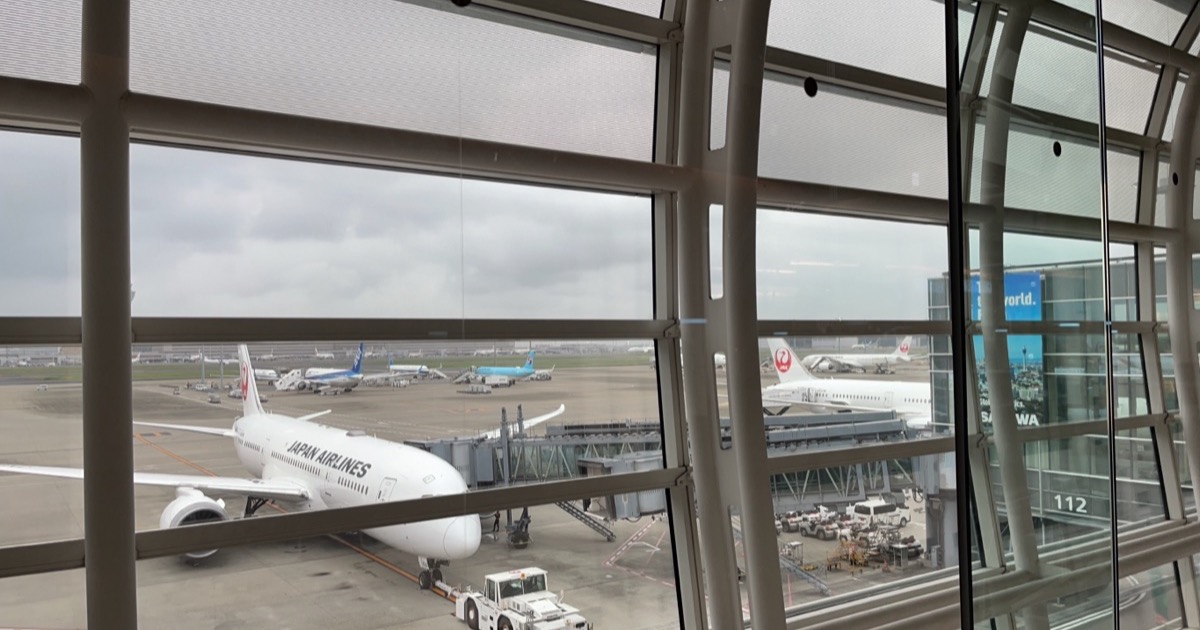
Small things to bring on board that make a long-haul flight in economy noticeably less brutal. Inflatable neck pillow (Tabine), wired earphones (final E3000) with a 2-pin adapter, AirFly Pro, alcohol wipes for contact lenses, heel-droppable 2-way shoes (KEEN HOODMOC HS), and a Samsonite + LOJEL two-suitcase setup — based on actual experience.

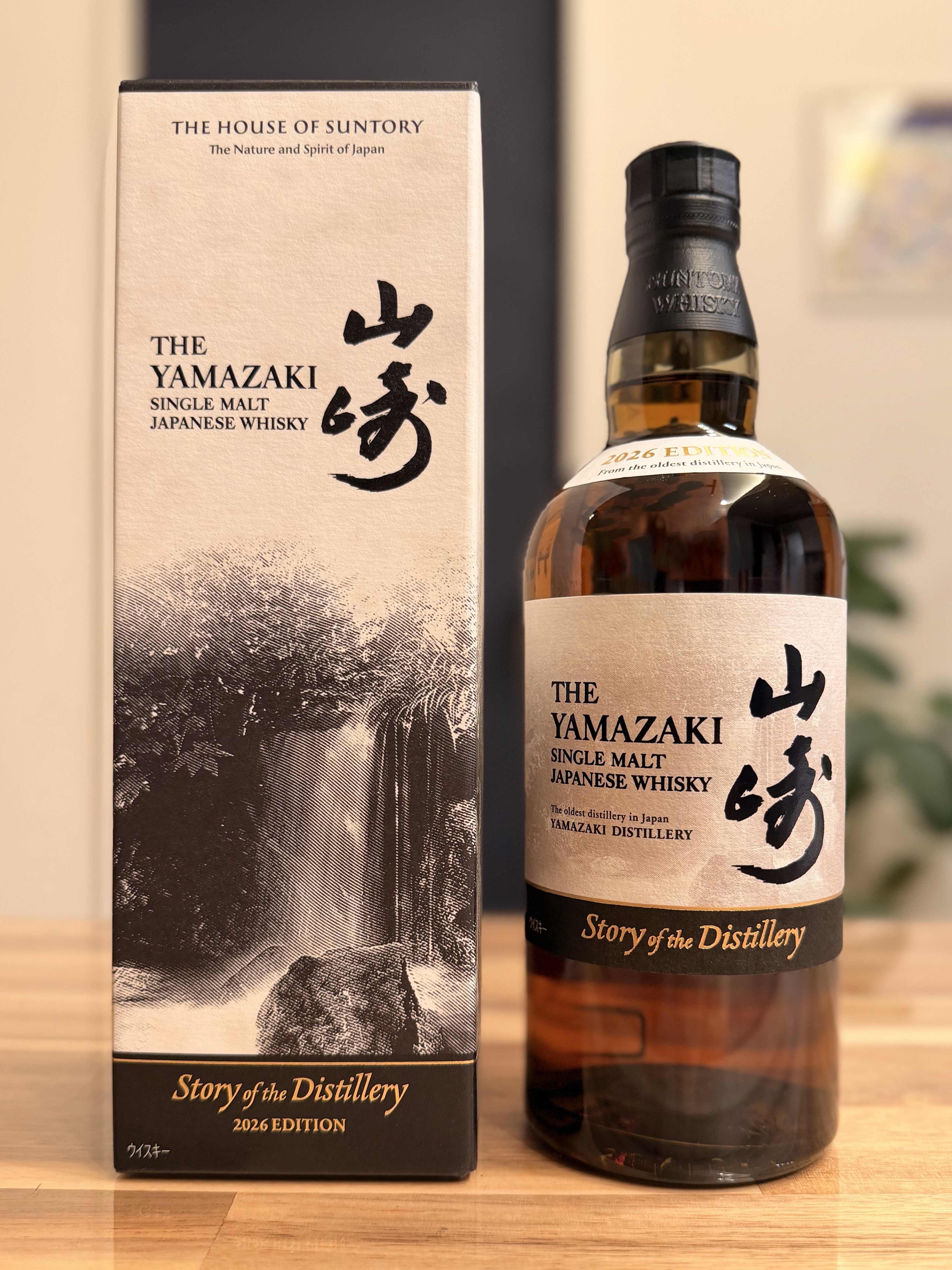
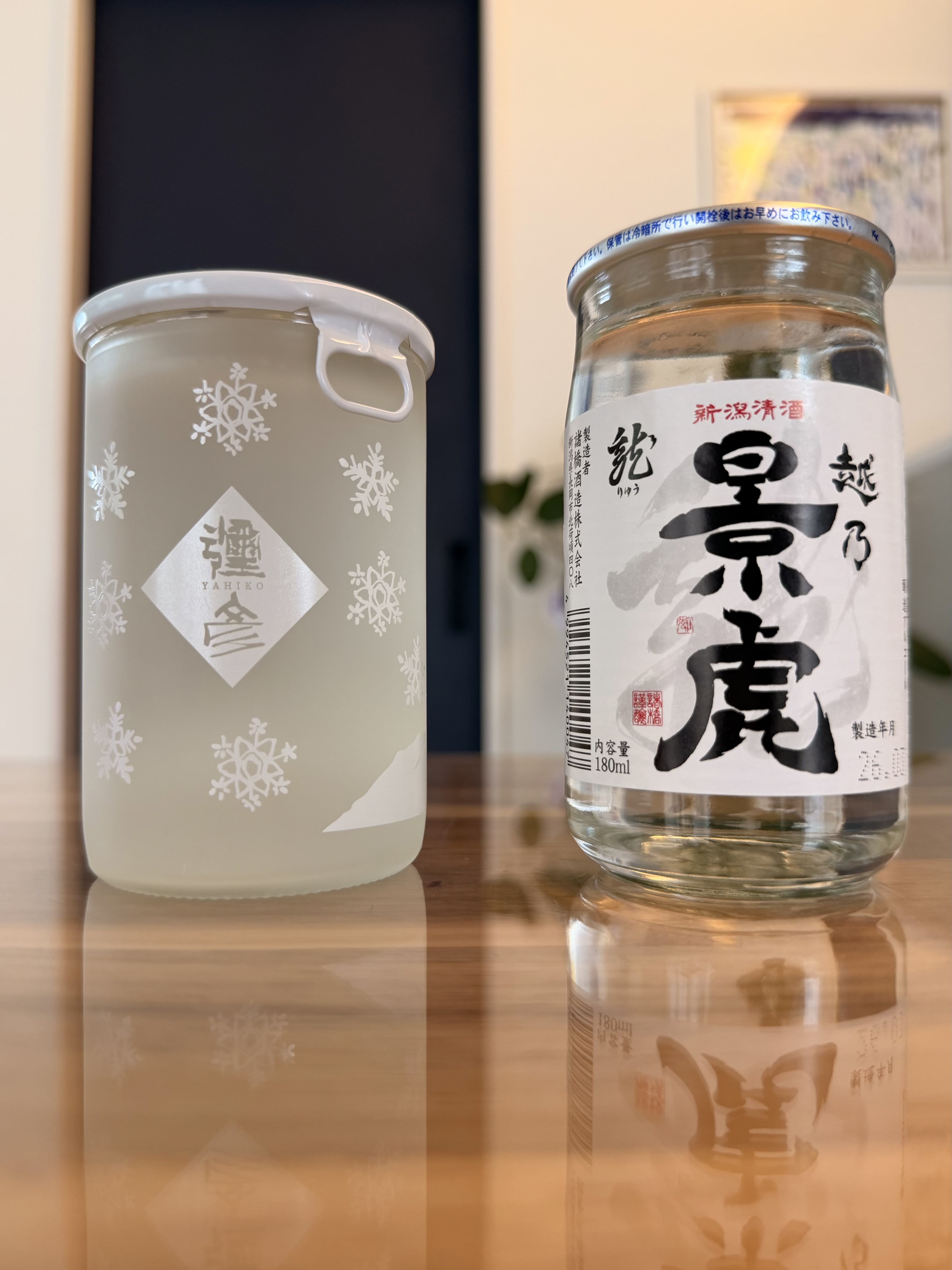
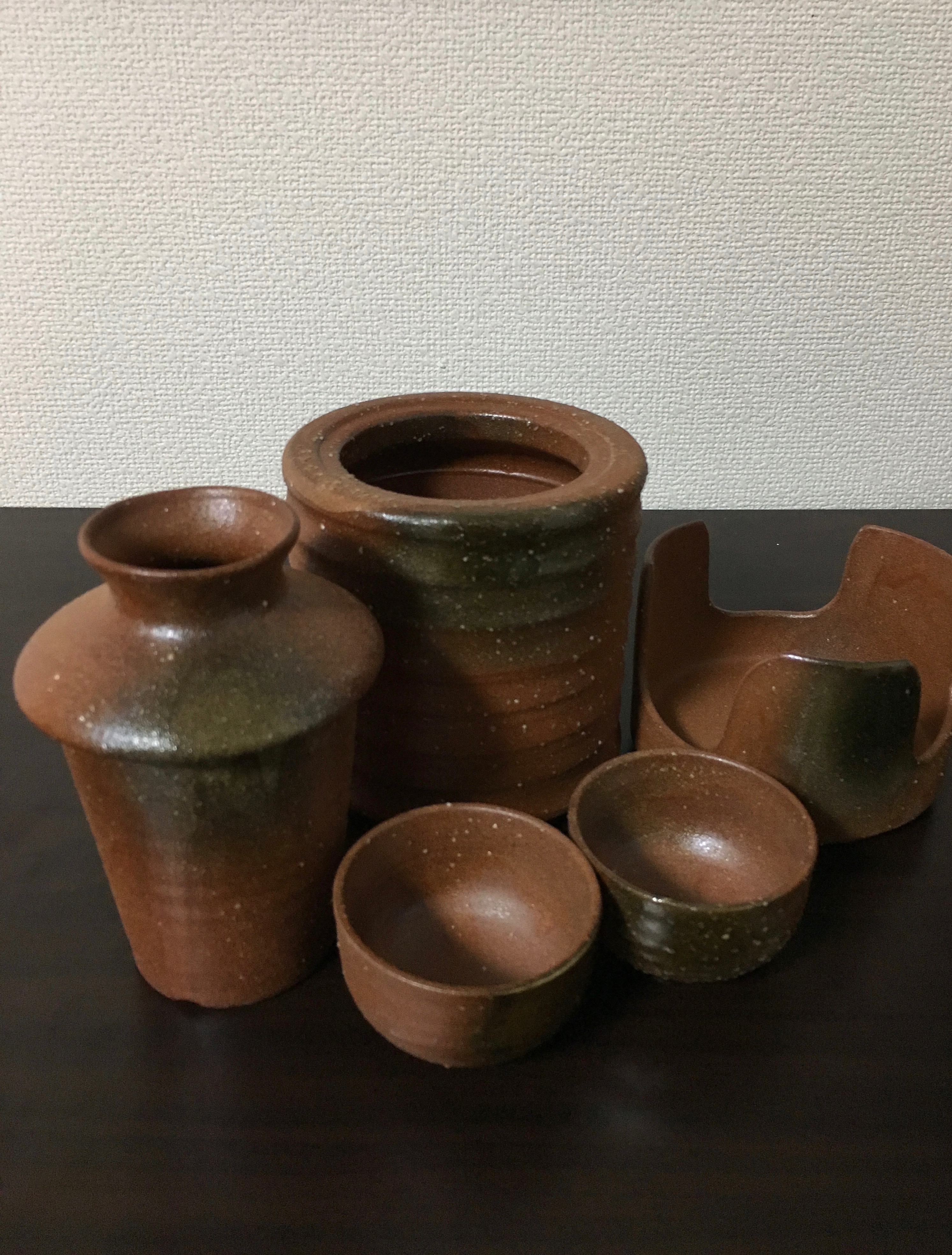
A cold front is in. The kind of night that calls for hot sake — and not microwaved either, properly warmed. Bought two bottles to do it right.

When you're learning Spanish, picking the right dictionary actually matters. From actually using each kind in Central America, here are three things to look for.