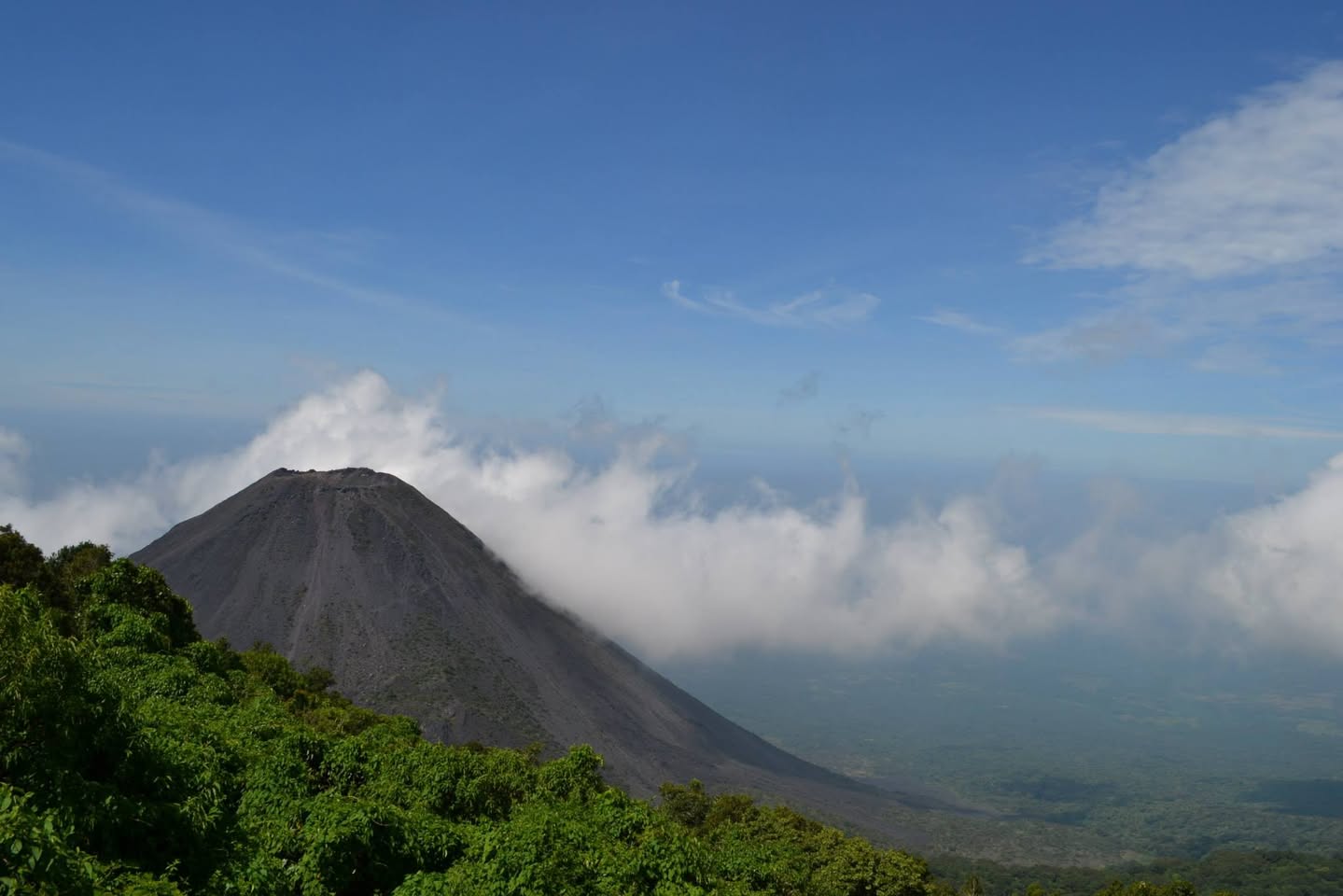
September 2014, El Salvador's highest peak — Volcán Santa Ana — at 2,381 meters. A friend living in El Salvador took me up. To be honest, I'd done almost no preparation for the climb.
Volcán Izalco — "The Little Prince" Mountain
On the way to the trailhead, another volcano came into view. Volcán Izalco. A perfect black cone of a mountain, rising out of the clouds — instantly memorable.
My friend told me: "When Saint-Exupéry flew, he used this mountain as a navigation landmark. People say it inspired the volcanoes in The Little Prince." Whether that's true or not, the shape really does look like something out of a children's book illustration.
A Police Officer Behind Us
At the trailhead I met our guide. A "guide who isn't exactly a guide" — I couldn't tell what kind of formal certification he had.
And as we set off, a police officer fell in behind us. When I asked why, the answer was: "There was an incident on this trail where a traveler was attacked and killed. Since then, police escort hikes." Hearing that, walking through green forest carries an odd tension.
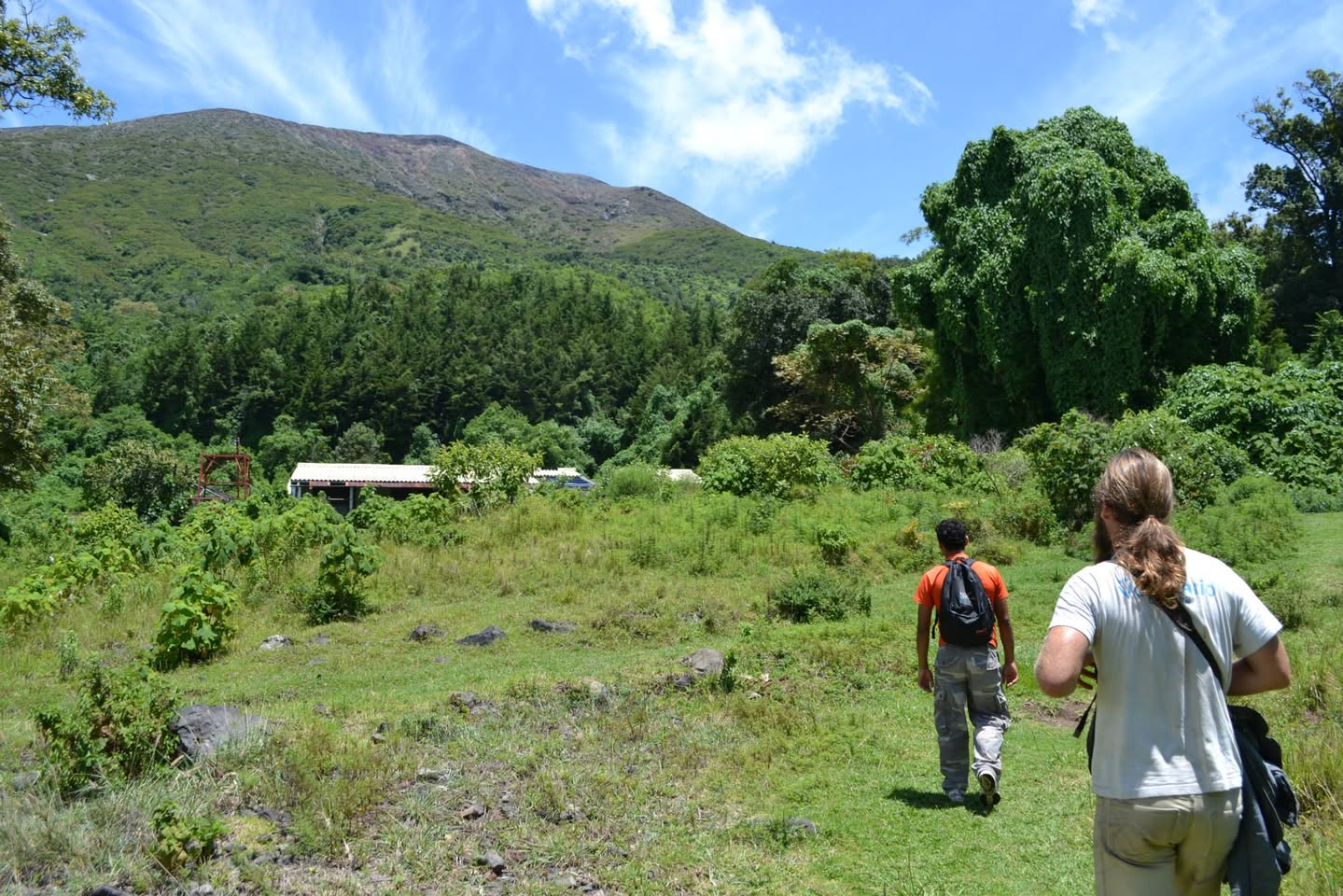
My friends walked fast. I was the one falling behind. As the slope steepened, I was breathing hard. Looking back, the police officer kept a steady distance behind me. Mixed feelings, watching that.
"Man, that was hard. I climbed the whole thing being cheered on by a police officer." That's the memory that stayed with me.
The Crater Lake at the Top
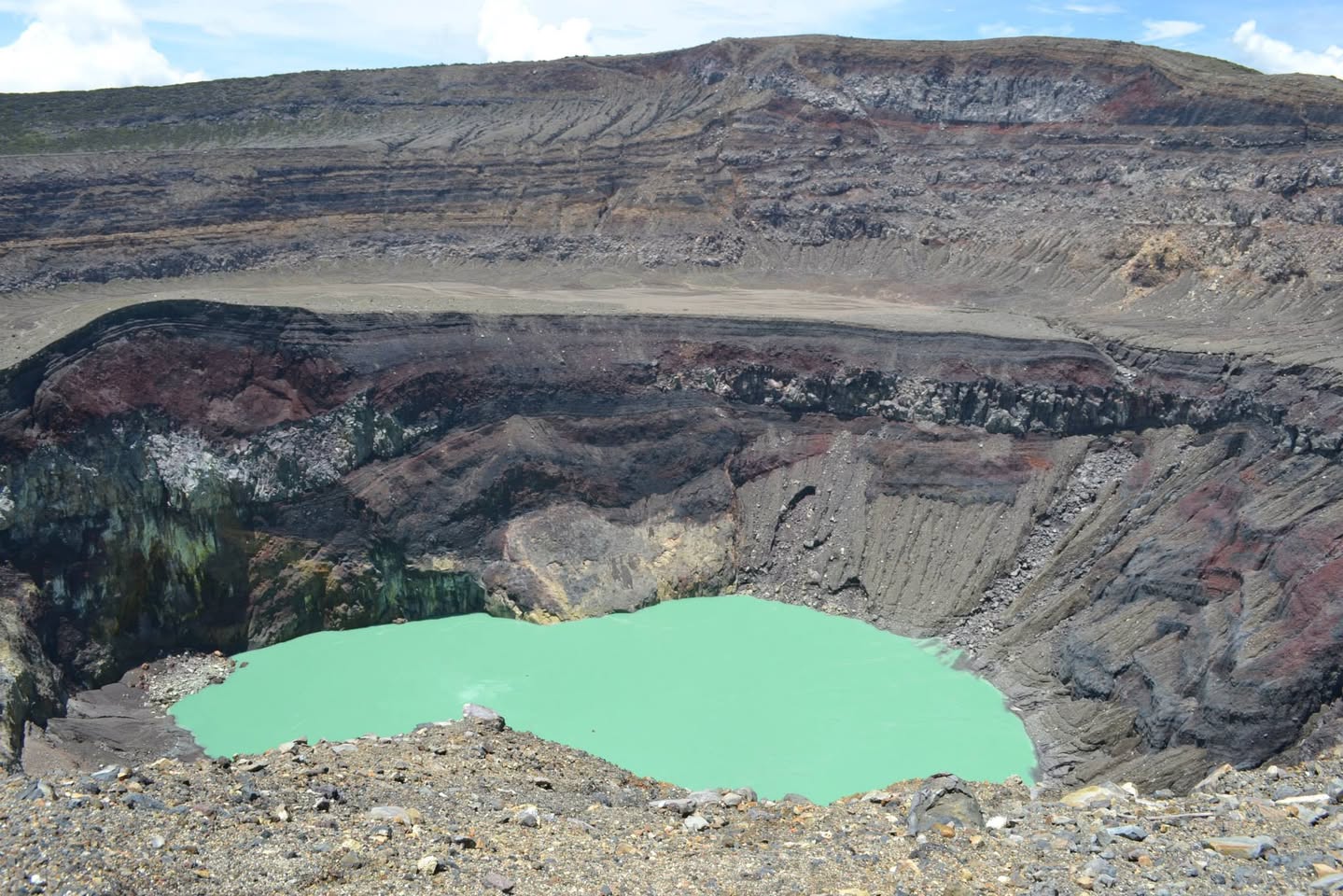
At 2,381 meters, the summit had an emerald-green lake inside the crater.
I'd seen photos, but the real thing was much more vivid. Looking down from the rocky crater rim with the smell of sulfur in the air, the color didn't look real. That this clear-colored water existed inside an active volcano — strange and unforgettable.
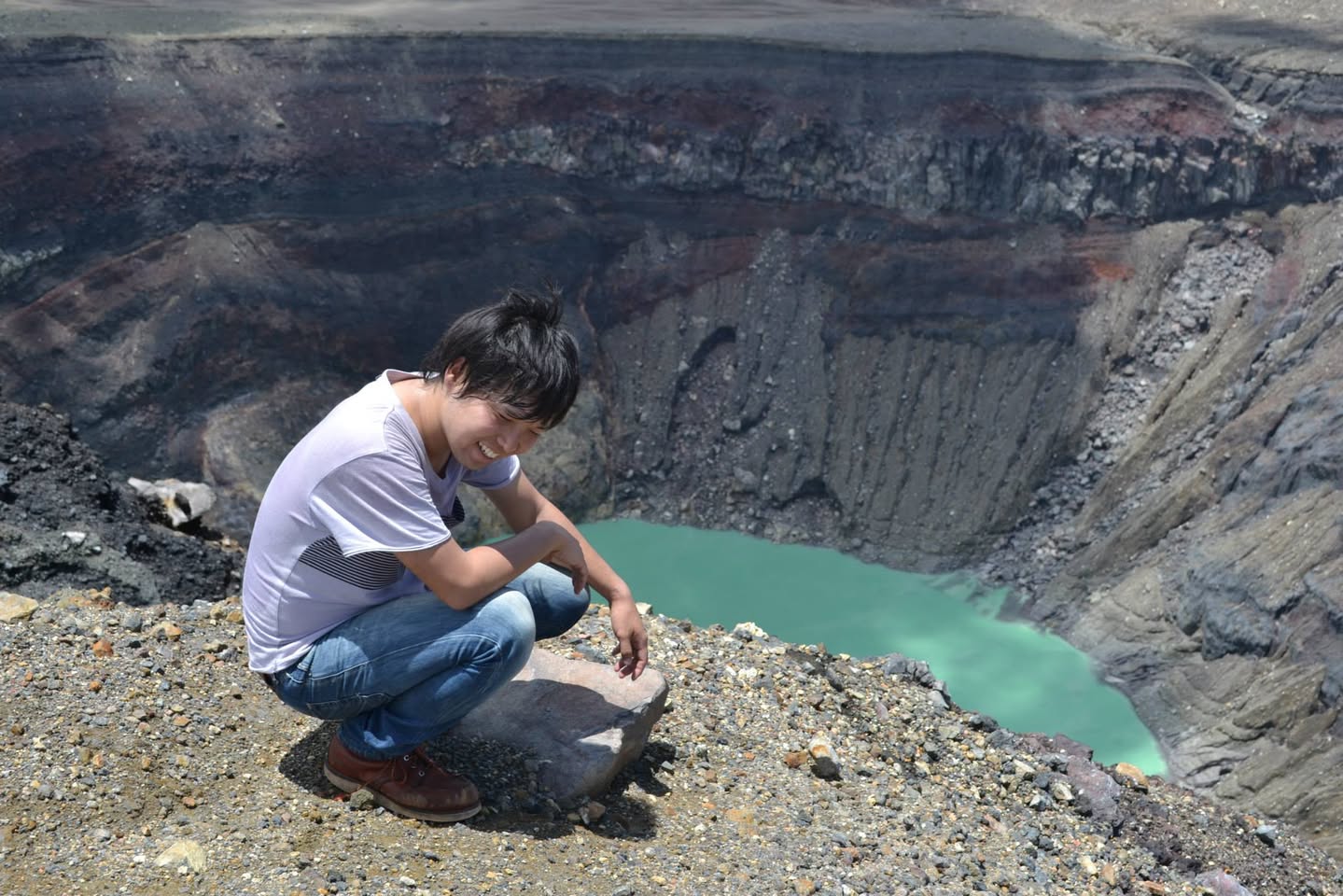
I'd thought of El Salvador as a country of coffee and salsa. Volcanoes and ruins, I didn't know about until I came.
Coming without knowing, seeing what you don't know — that's travel.
Travel guide (general info)
※ This section combines public information with the author's notes; please confirm the latest entry, safety, and operating details on the official sites.
Climbing Santa Ana Volcano in brief
- 2,381 m. El Salvador's highest active volcano (also called Ilamatepec); the most recent eruption was in 2005. The summit holds a 500 m-wide crater lake.
- The trailhead is in Cerro Verde National Park (Parque Nacional Los Volcanes). About 1.5–2 hours by car from San Salvador, ~1 hour from the city of Santa Ana.
- Climbs depart in a single group, usually around 11:00. A tourist police (POLITUR) escort is standard; expect roughly USD 5–10 in guide and entrance fees.
Izalco Volcano — the "Lighthouse of the Pacific"
- 1,950 m. It first emerged in 1770 and erupted near-continuously for nearly two centuries — earning the name "Lighthouse of the Pacific." Dormant since 1966.
- Its perfect cone is the volcano you see straight ahead from the Santa Ana trail. The view is said to have been familiar to Saint-Exupéry during his Central American flying days.
- It can be climbed independently, but the steep volcanic gravel is slippery. For most visitors, the lookouts of Cerro Verde are the realistic option.
Gear and safety
- Allow about 2 hours each way (4–5 hours round trip). Around 600 m of elevation gain; the second half is a steep climb on volcanic scree.
- Essentials: trekking shoes, rain gear, sunscreen, a hat, at least 1.5 L of water and a snack. Wind at the summit drops the perceived temperature.
- Access can be closed without notice depending on volcanic activity. Check the latest updates from MARN (Ministry of Environment and Natural Resources) before going.
References
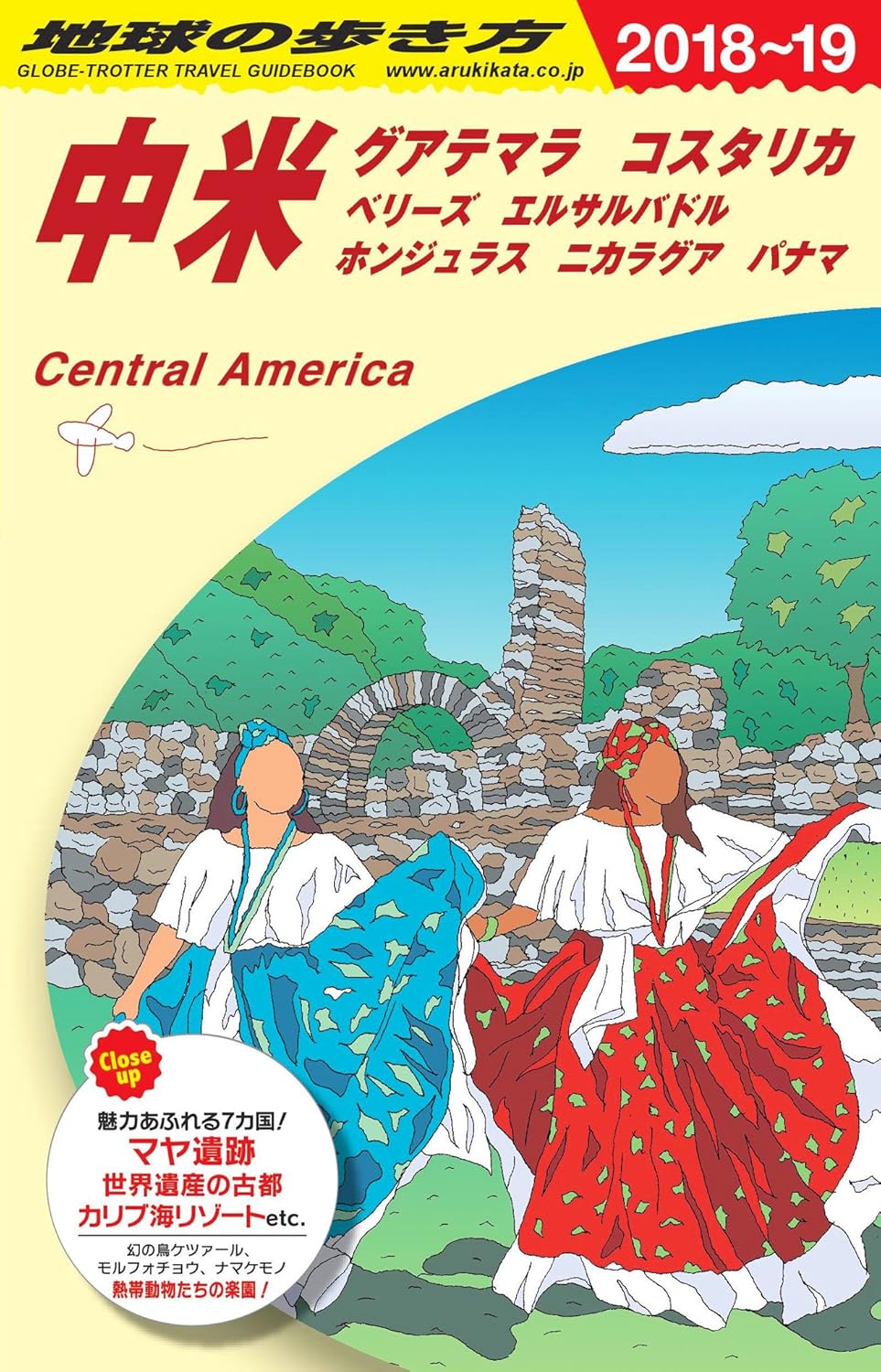
El Salvador travel info, all in one place — if you're planning a volcano hike or a Central America loop, a single guidebook goes a long way.