Costa Rica is relatively prosperous by Central American standards, and Christmas is a major event. Most of the population is Catholic, and Christianity is woven deep into the culture. December 2013 was my first Christmas season in Costa Rica after arriving on assignment.
Festival de la Luz (Festival of Light)
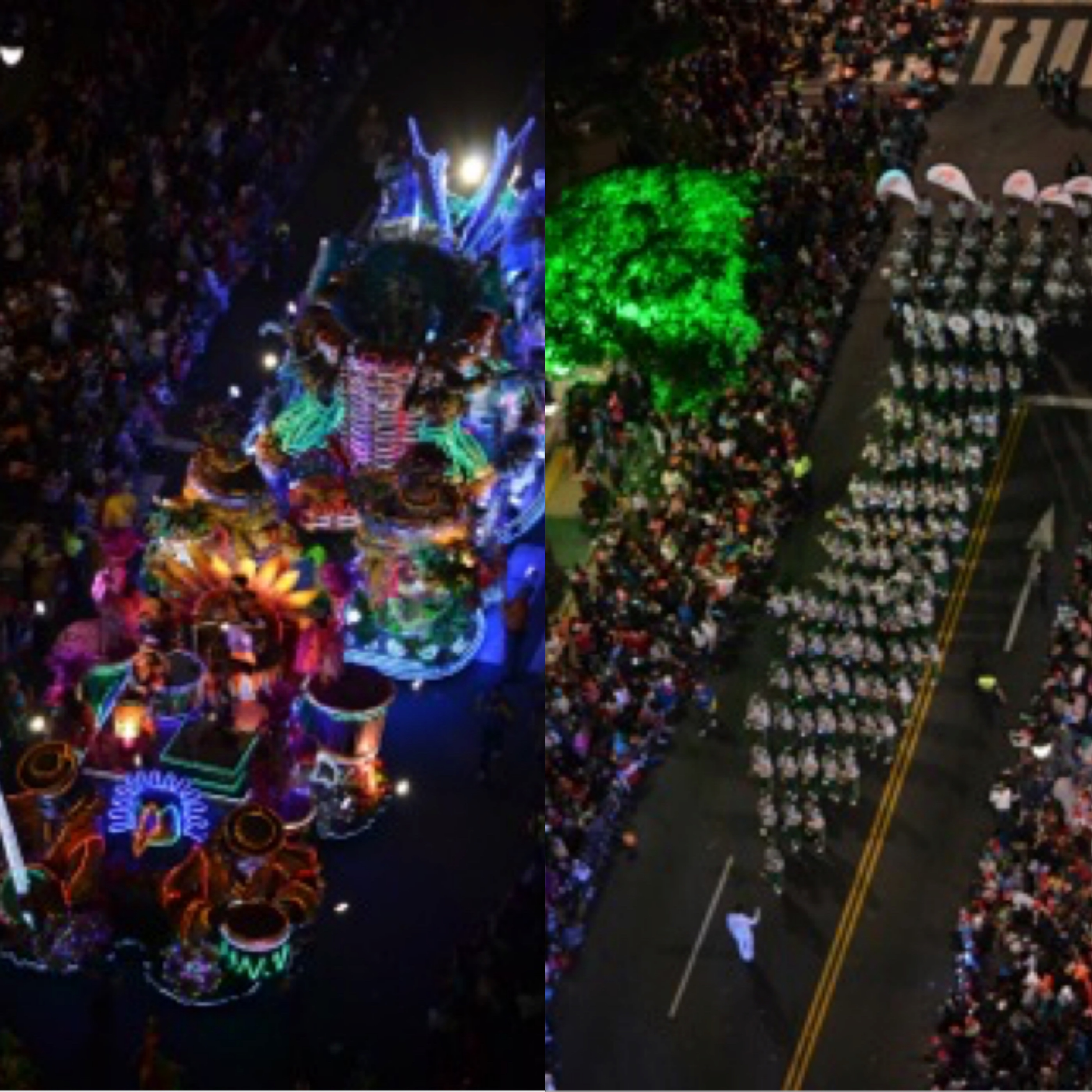
Each Christmas season, the capital San José hosts a parade called the Festival de la Luz. Floats covered in lights move through downtown, and crowds gather along the streets. To Japanese sensibilities, it feels like a Christmas illumination parade.
Tamales — Costa Rica's Christmas Dish
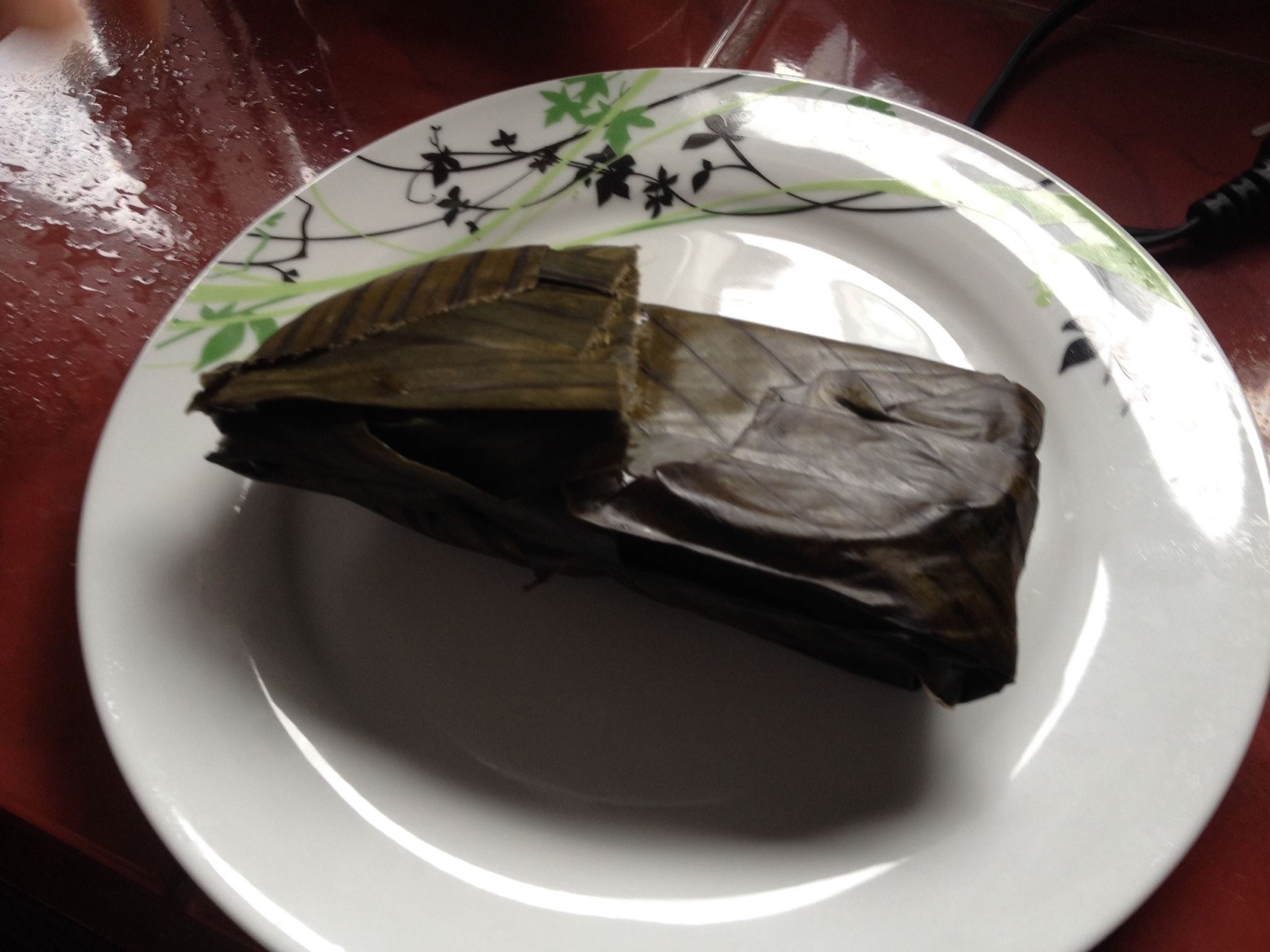
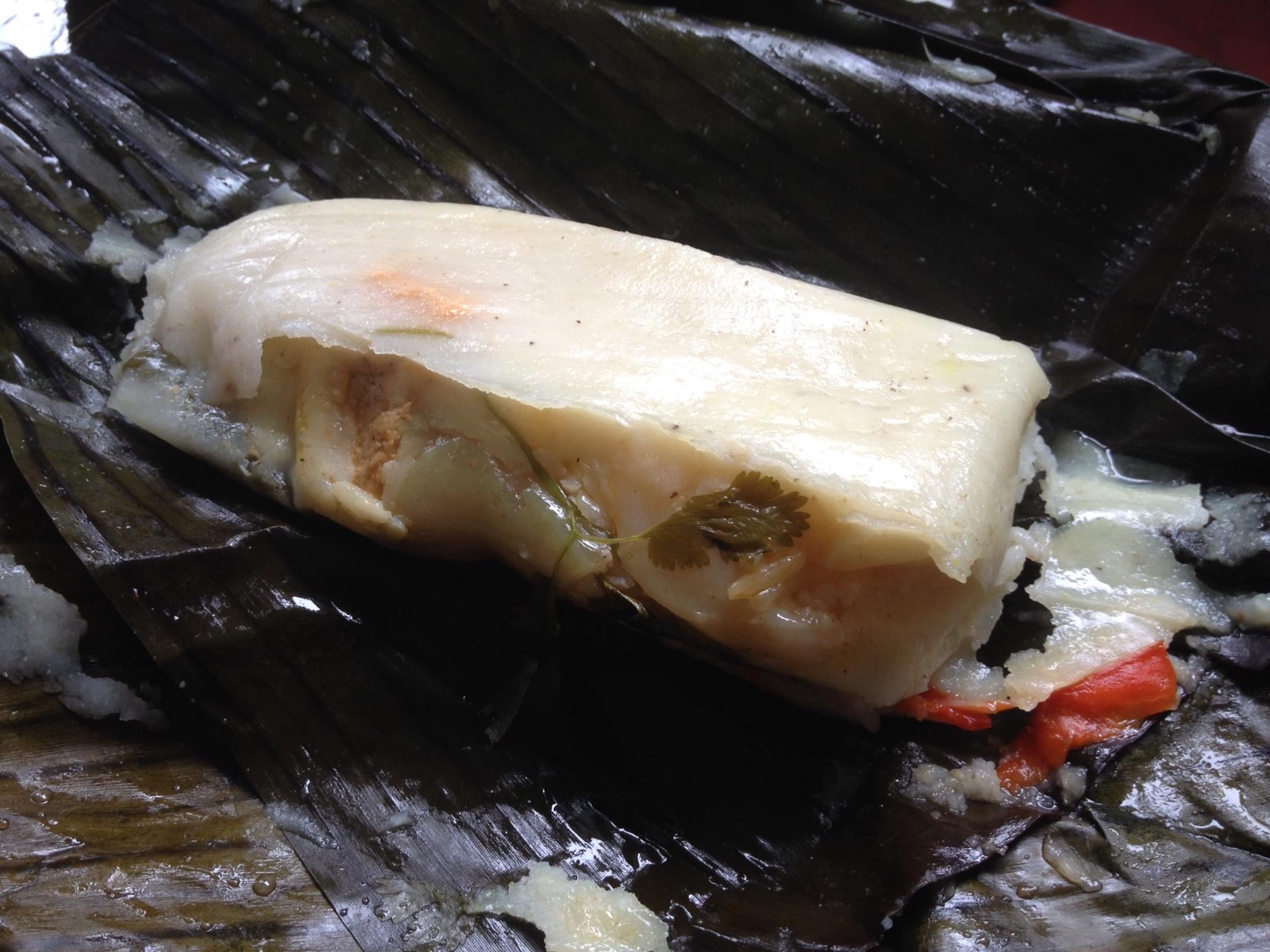
The essential dish on the Christmas table is the tamal. A corn-flour dough is mixed with oil, then rice, meat, and vegetables are added, wrapped in banana leaves, and steamed. The taste varies family to family, and people keep eating them well into the new year. To Costa Ricans, tamales are quite literally "the taste of Christmas."
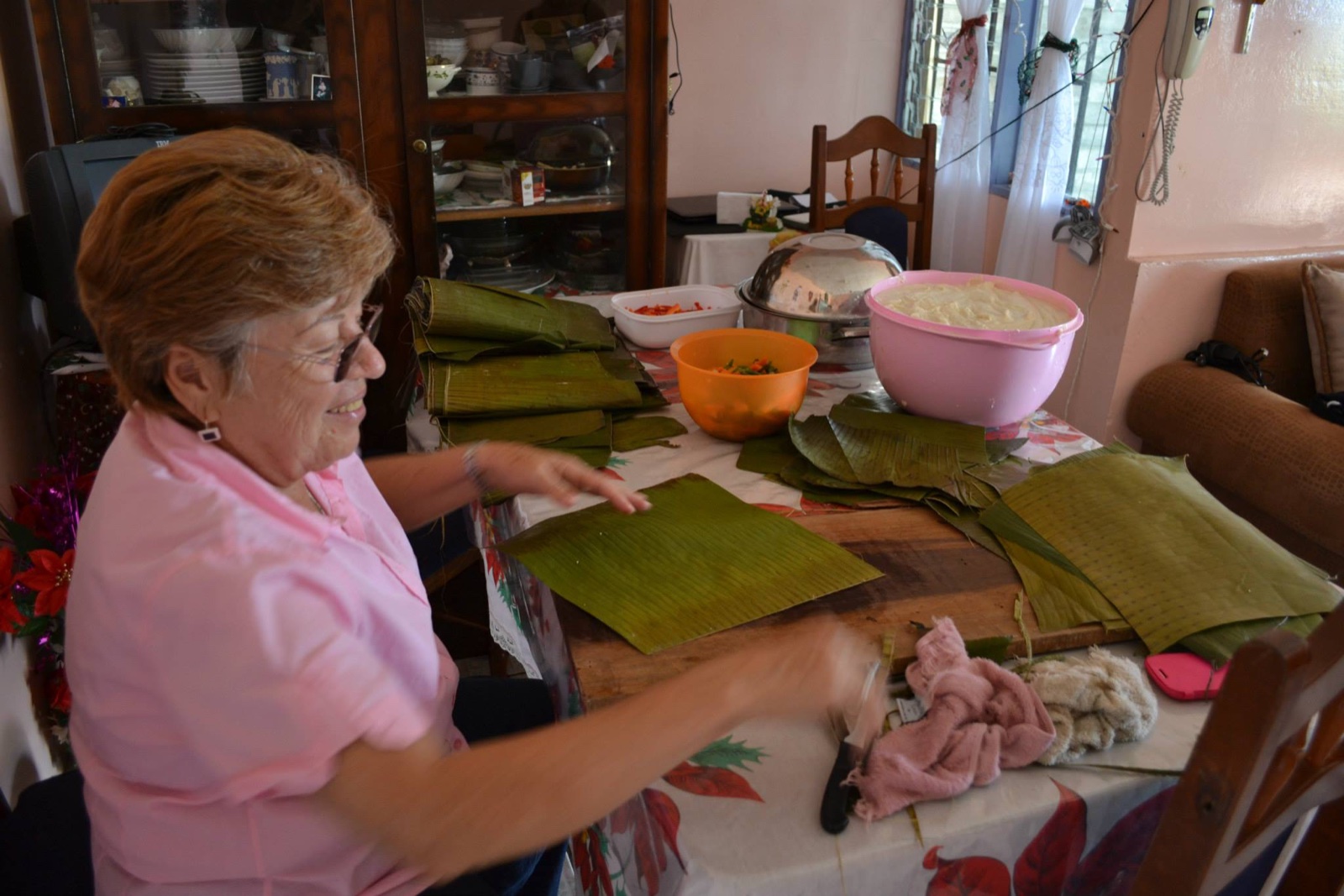
It might be similar to osechi-ryōri, the food families eat at New Year in Japan. I lost count of how many times I heard "this year my mom's tamales are the best."
Bullfights and Firecrackers for the New Year
Once Christmas is over, bullfights are held every day and broadcast live on TV. Unlike the Spanish style, this is a festival format where young men get taunted and chased by bulls. The bull isn't killed — the fun is in watching the humans get tossed around.
When the new year arrives, firecrackers echo day and night. The exact opposite of Japan's quiet new year — a rowdy, very loud start to the year. January 1 is a holiday, but business resumes from January 2.
Japanese new years tend to be quiet, but Costa Rica is the opposite. Firecrackers go off, meat is grilled, families gather and make noise.
I'm not sure which is "better," but I was a little envious of that energy.
Travel guide (general information)
※ This section combines public information with the author's notes; please confirm the latest details on the official sites.
Festival de la Luz (Festival of Lights)
- When & where: A Saturday evening in mid-December, along Avenida Segunda in central San José.
- What happens: Illuminated floats, marching bands and dance troupes, and a fireworks finale.
- History: Launched in 1996 — relatively new, but now the capital's biggest Christmas event.
- Crowds: Hundreds of thousands of attendees. Book lodging early; avoid strollers and bulky bags.
Tamal
- Dish: A Central American classic — corn dough wrapped around pork, rice and vegetables, steamed in banana leaves.
- Christmas tradition: From early to mid-December, families and neighbors gather for a "tamaleada" to make them in bulk.
- Regional variations: Costa Rican tamales are less sweet; fillings and wrapping differ from those in Nicaragua or Guatemala.
Toros a la Tica and new year firecrackers
- Costa Rican-style bullfighting: Unlike the Spanish version, the bull is not killed; volunteers are chased by the bull in a humorous spectacle.
- Main venue: Zapote in San José hosts marquee events from late December through early January, broadcast live on TV.
- Firecrackers (pólvora): Peak on Dec 24 at night and on New Year's Eve. Childhood firework injuries are an annual concern, and the Ministry of Health issues safety advisories.