End of August 2014, I went to visit a friend posted in El Salvador with JICA (Japan's overseas volunteer program). Since I was there, I figured I'd sightsee — and decided to visit ruins. It was my first time in El Salvador, and honestly I didn't know much about its archaeological sites either.
Joya de Cerén — The "Pompeii of Central America"
First stop was Joya de Cerén. A Maya village registered as a UNESCO World Heritage site.
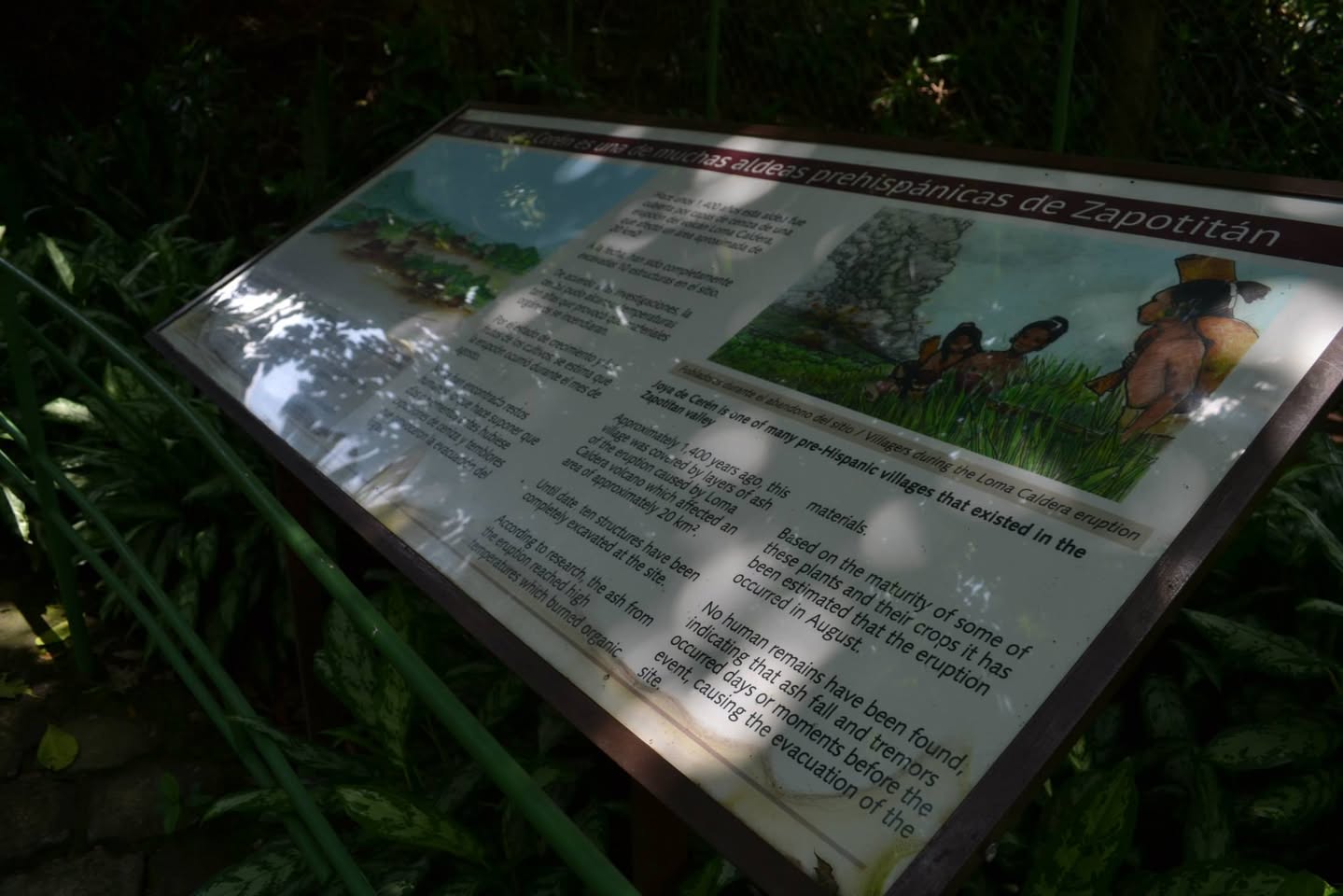
About 1,400 years ago the nearby Loma Caldera volcano erupted. The ash buried the village instantly, leaving houses, food, and household tools entombed exactly as they were. No human remains have been found, suggesting the residents had time to evacuate before the eruption. Because of this preservation, it's called "the Pompeii of Central America."
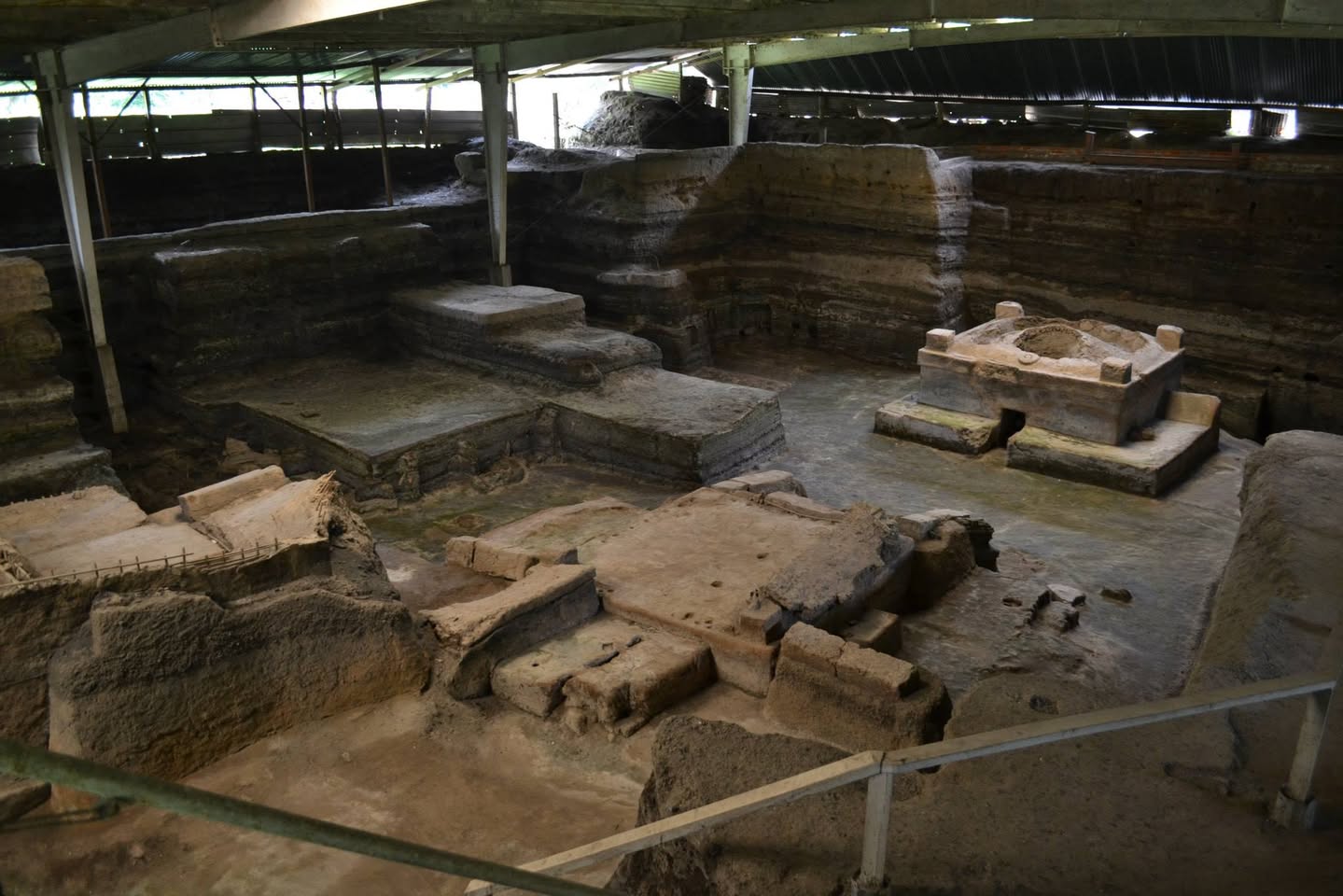
The excavated houses are protected by roof structures, and you can walk inside to see them. Stone-and-mud walls, the remains of hearths, ceramic vessels that likely held food — a 1,400-year-old kitchen. The local guide warned me there wasn't much to "explain," but seeing it in person had a totally different weight to it.
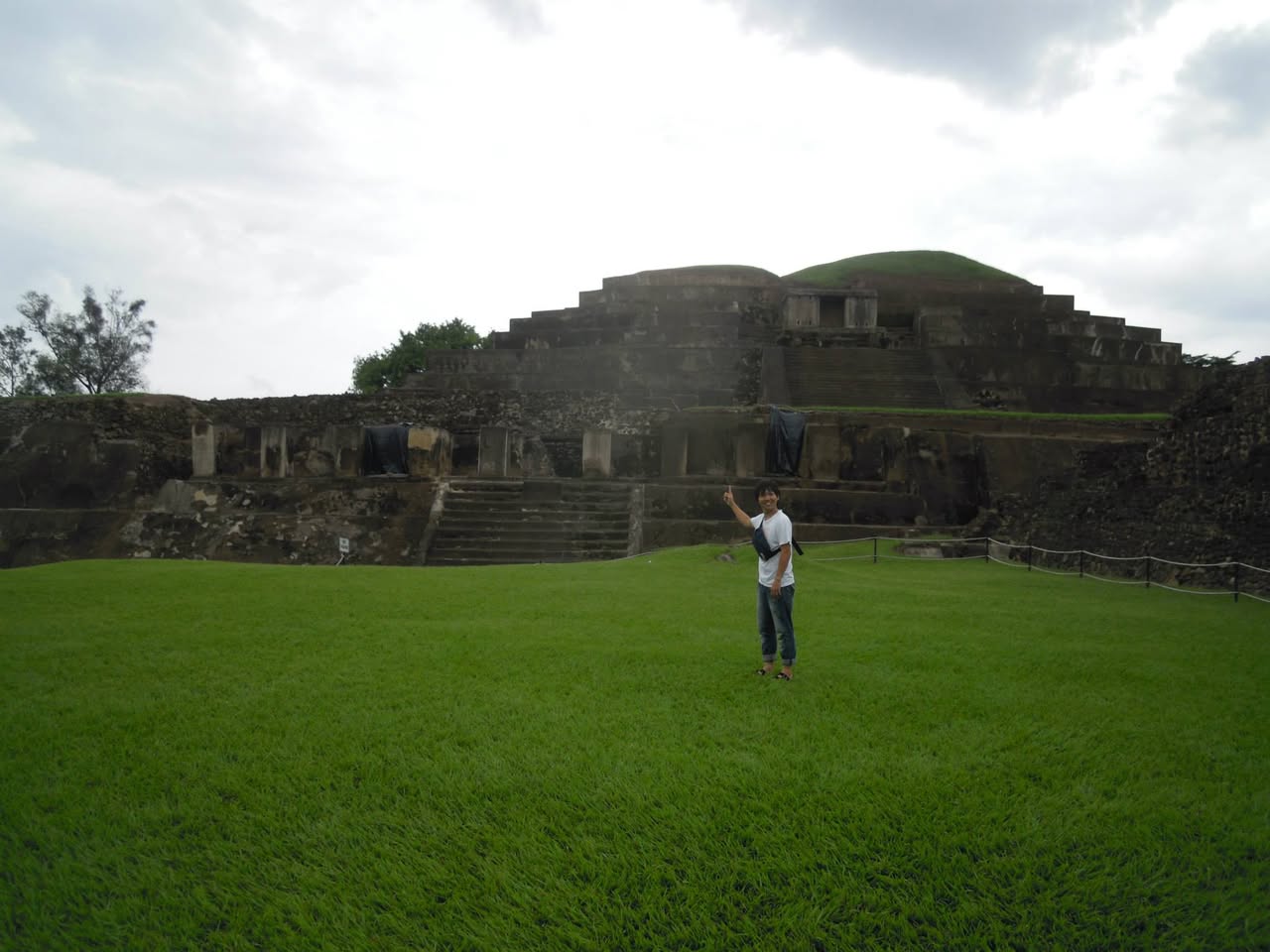
Tazumal Ruins
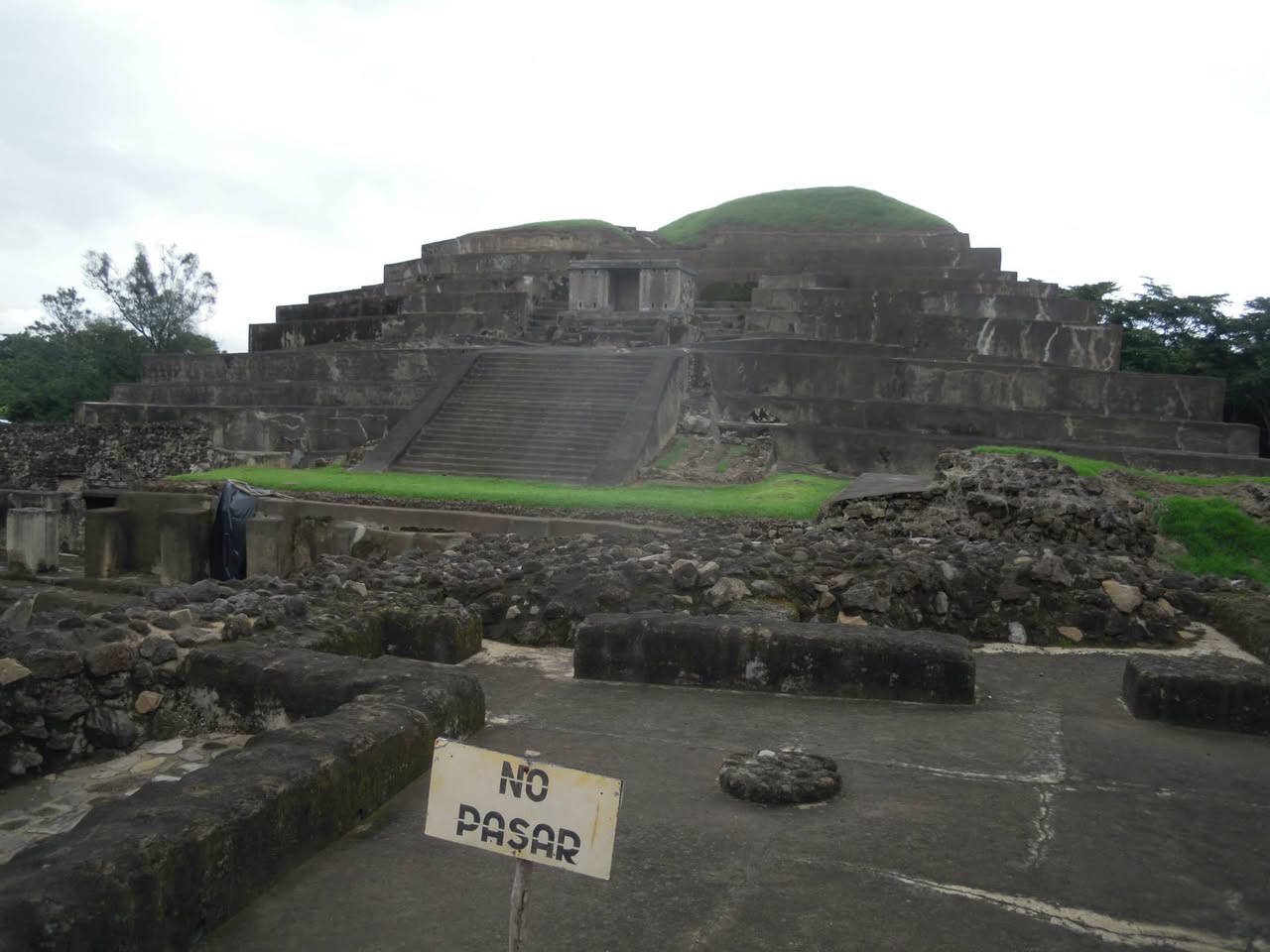
Next was Tazumal. The largest Maya site in El Salvador, in the town of Chalchuapa.
The main pyramid stands about 24 meters tall. It's well-known enough to appear in El Salvador's school textbooks, but Japanese travelers are apparently rare — locals struck up conversation and we took photos together.
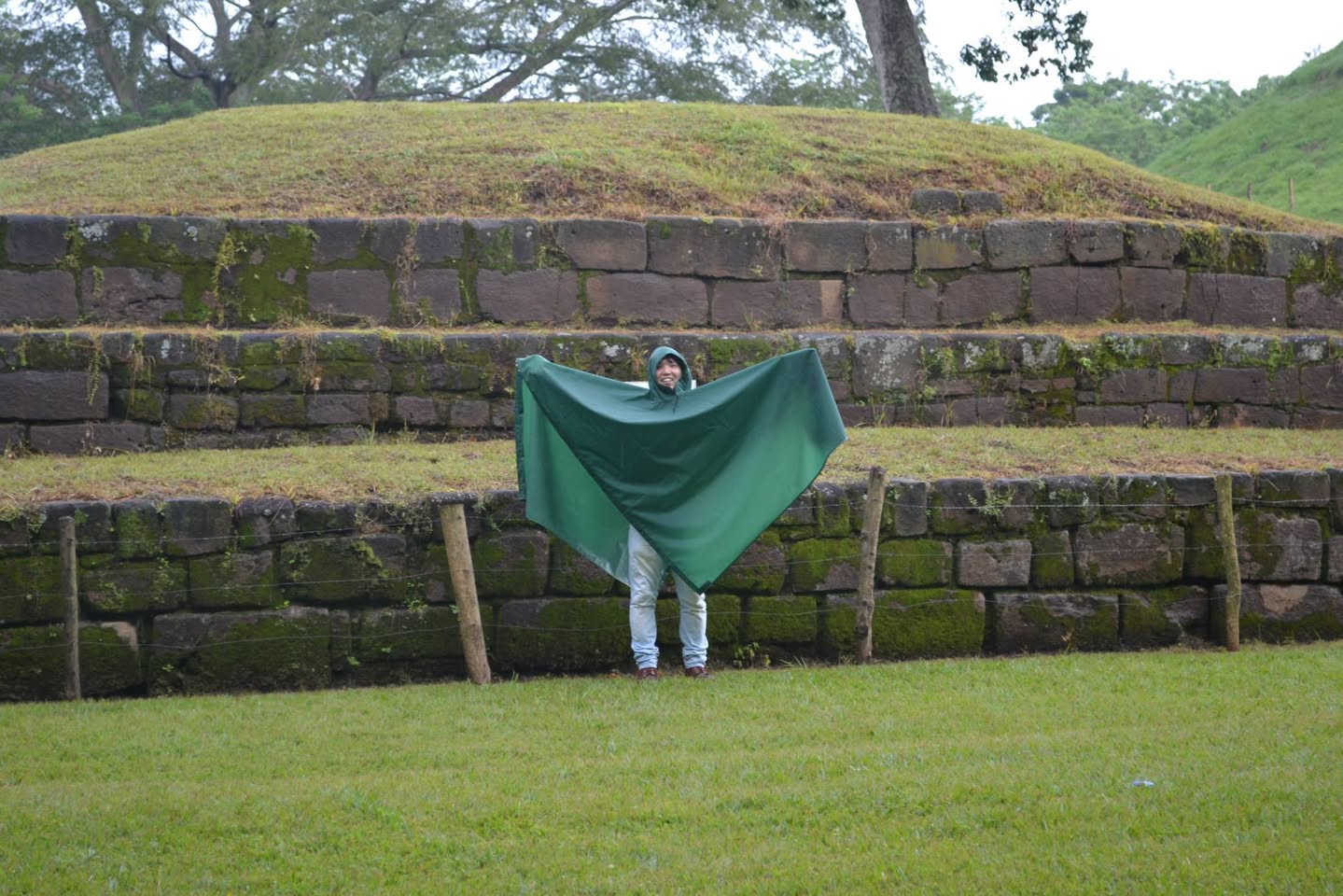
It started raining. I hadn't brought rain gear, so I bought a poncho on the spot and stood in front of the ruins in green plastic. Ruins, rain, green poncho — somehow a very Central American photo.
Casa Blanca Archaeological Park
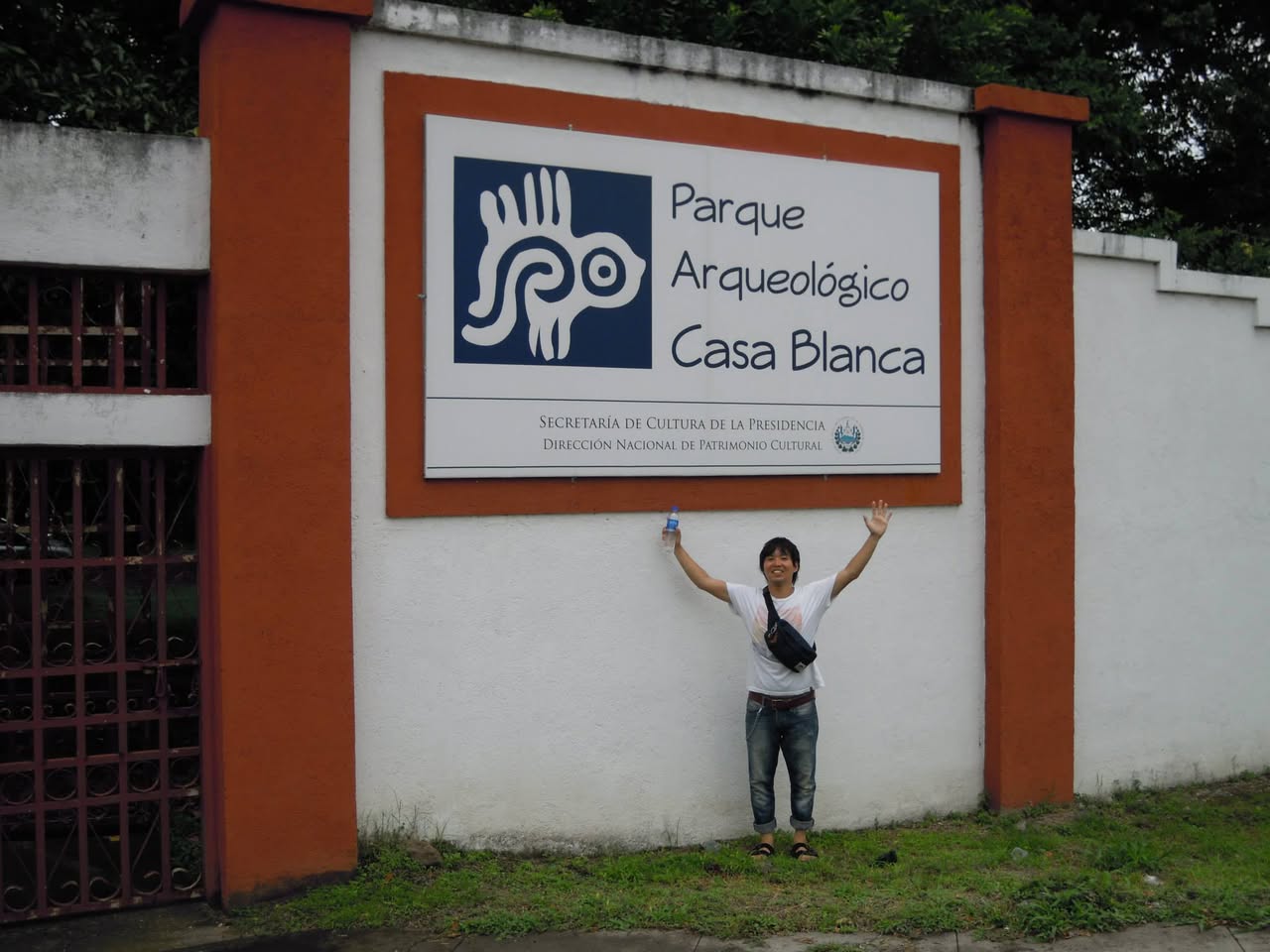
Not far from Tazumal is Casa Blanca. Less famous than Tazumal, but a well-maintained archaeological park, with grass-covered mound-pyramids dotted across a lawn.
I didn't know El Salvador had ruins until I went. Joya de Cerén is a World Heritage site, but you barely hear about it in Japan.
It made me feel the depth of Central America all over again.
Travel guide (general info)
※ This section combines public information with the author's notes; please confirm the latest entry, safety, and operating details on the official sites.
Joya de Cerén in brief
- A Maya farming village whose excavation began in 1976; UNESCO World Heritage since 1993. Often called the "Pompeii of the Americas."
- Around AD 600 it was buried under 4–8 m of ash from the Loma Caldera eruption — dwellings, farming tools and food containers were preserved exactly as they were.
- About 36 km west of San Salvador, ~45 minutes by car. Closed Mondays; typically open Tue–Sun 9:00–16:00. A few dollars for foreign visitors.
Pairing Tazumal with Casa Blanca
- The Tazumal Maya ruins sit in Chalchuapa, Santa Ana department — the largest Maya site in El Salvador, with the B1-1 pyramid rising about 24 m.
- Within walking or taxi distance from Tazumal lies the Casa Blanca archaeological park, which also houses an indigo workshop (Casa Blanca Añil) where you can try natural dyeing.
- Doable as a day-trip from San Salvador (~78 km west, 1.5–2 hours by car). Basing yourself in the city of Santa Ana works well.
Access and safety
- Japanese passport holders enter visa-free for tourism up to 90 days (CA-4 zone — counted jointly with neighbouring countries). The main gateway is San Salvador International Airport (SAL).
- The U.S. dollar is legal tender. Cards are accepted, but cash is still standard outside the cities. Bitcoin has also been legal tender since 2021.
- Security has improved dramatically in recent years, but caution remains warranted at night and on rural roads. Guided tours, Uber or a private driver are safer than self-drive for first-time visitors.
References
Planning your El Salvador trip in one place — if you're thinking about Maya ruins or a wider Central America loop, having a single guidebook on hand makes things easier.