The day before leaving León, I took a bus alone to Chichigalpa — the town that's home to "Flor de Caña", one of Central America's signature rums.
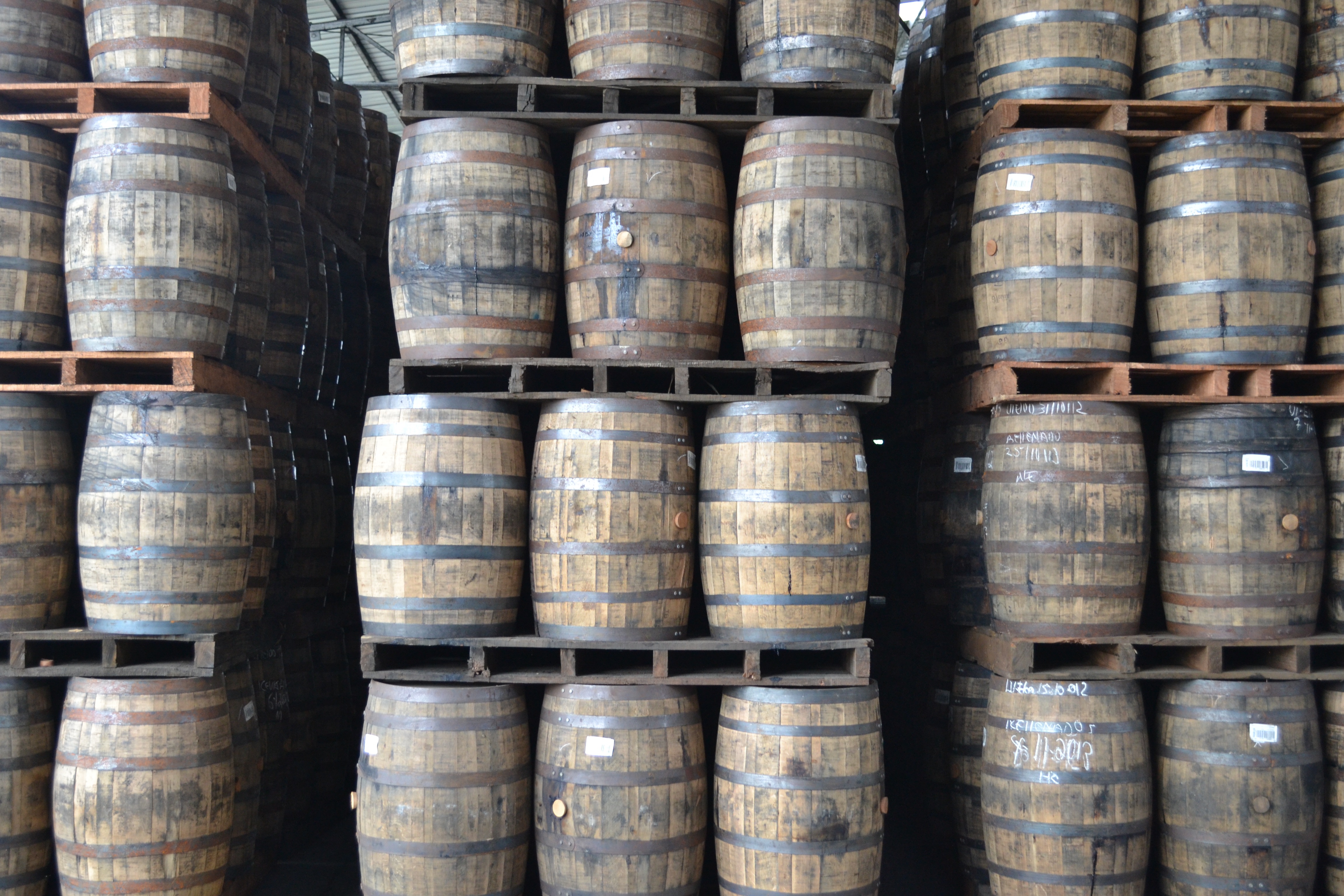
What Flor de Caña is
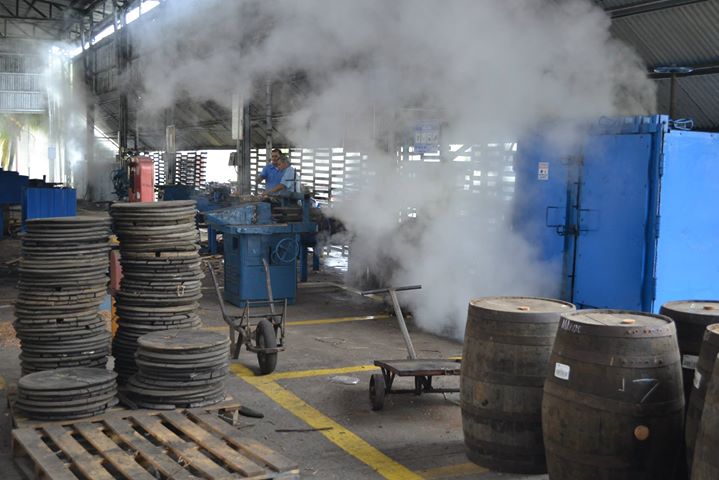
"Flor de Caña" means "flower of the cane" in Spanish. It's a rum made from the molasses of sugarcane harvested in the dry season, then aged slowly in white oak barrels. The distillery was founded in 1890. Everything from making the barrels to exporting around the world happens here.
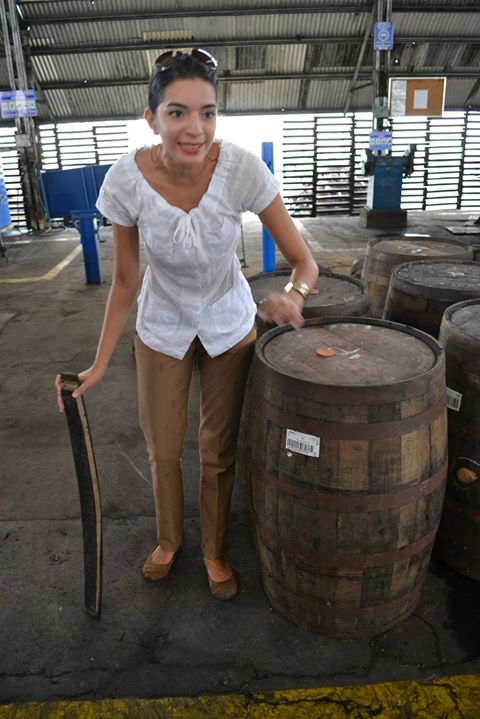
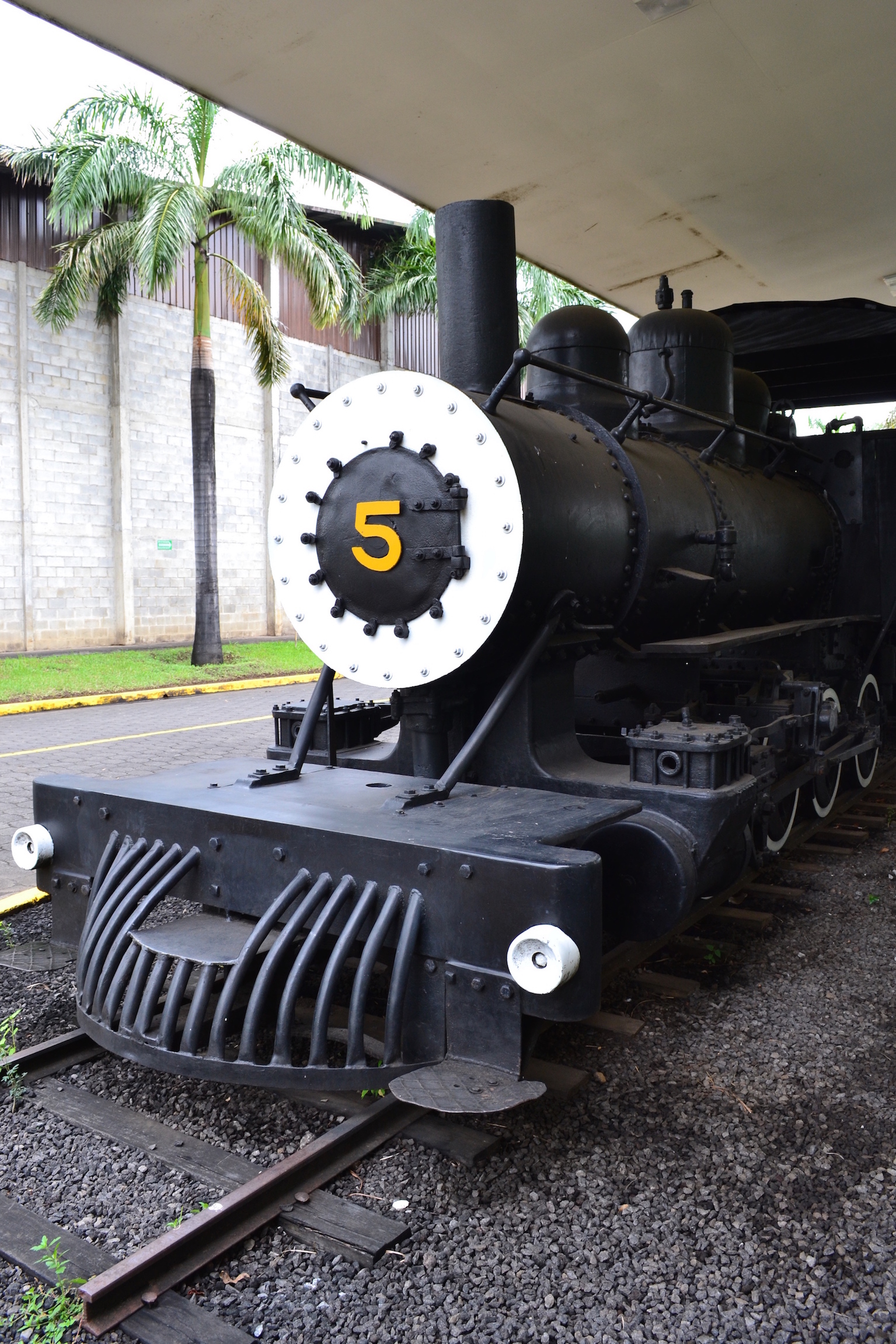
When I arrived, a tour group of about 15 was just heading out. A Nicaraguan woman on staff guided us through. They used to bring the raw materials in by train. Today they ship to the entire world. The depth of the history is striking.
The 20-year shock
Honestly, I'd never been much of a rum fan. But the 20-year Flor de Caña they brought out for the tasting was something else entirely.
Pour it into a glass and swirl gently — the liquid runs slowly down the inside of the glass. The longer the aging, the higher the viscosity. That, they told us, is the proof of the years. On the tongue, sweetness and smokiness braid together in a complicated way, and the finish goes on and on.
Someone who didn't even like rum walked out of that distillery thinking, "I have to take a bottle home." The 20-year is pricey, but at least once you should try it.
The next day I got on the bus to El Salvador. With the aftertaste of Nicaraguan rum still hanging on.
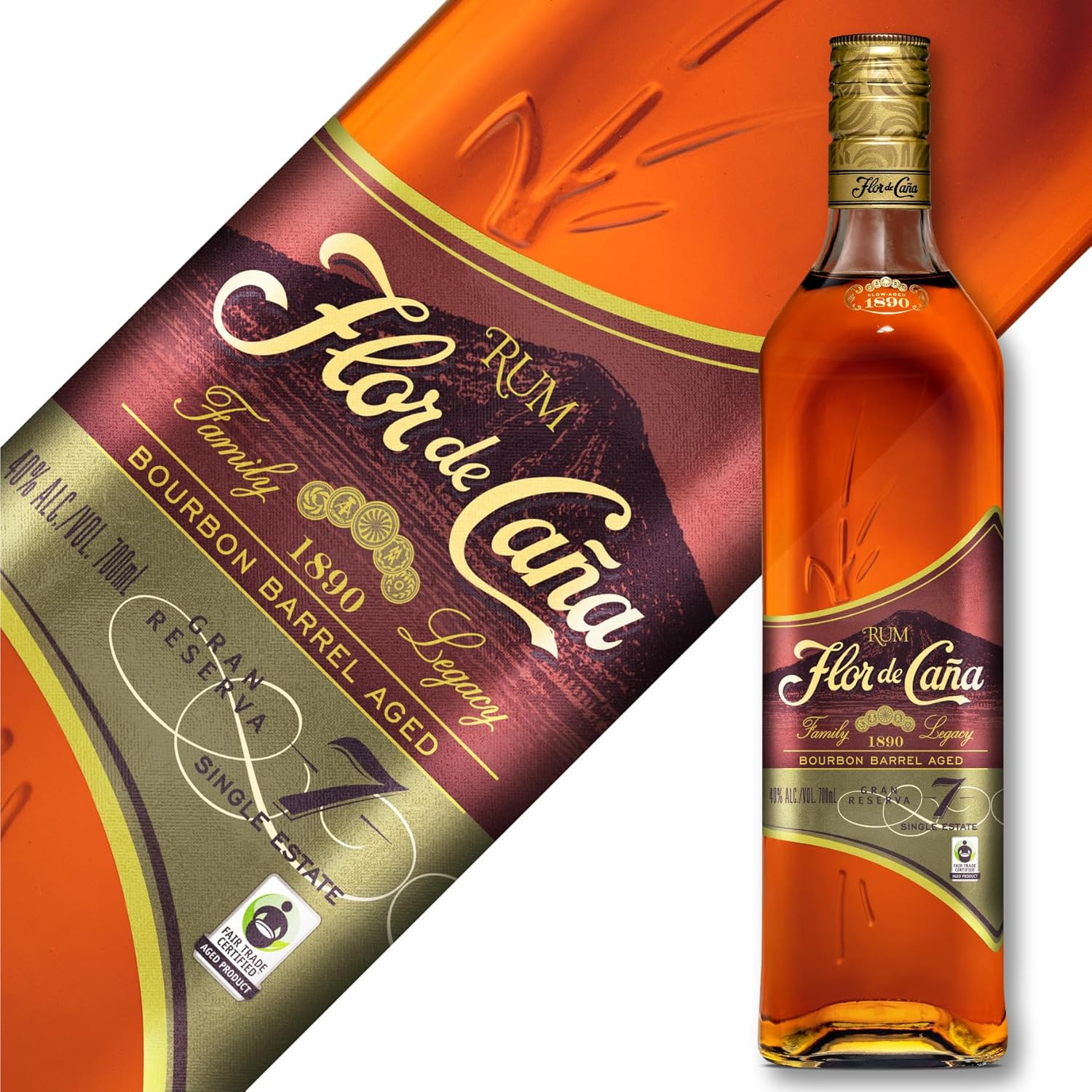
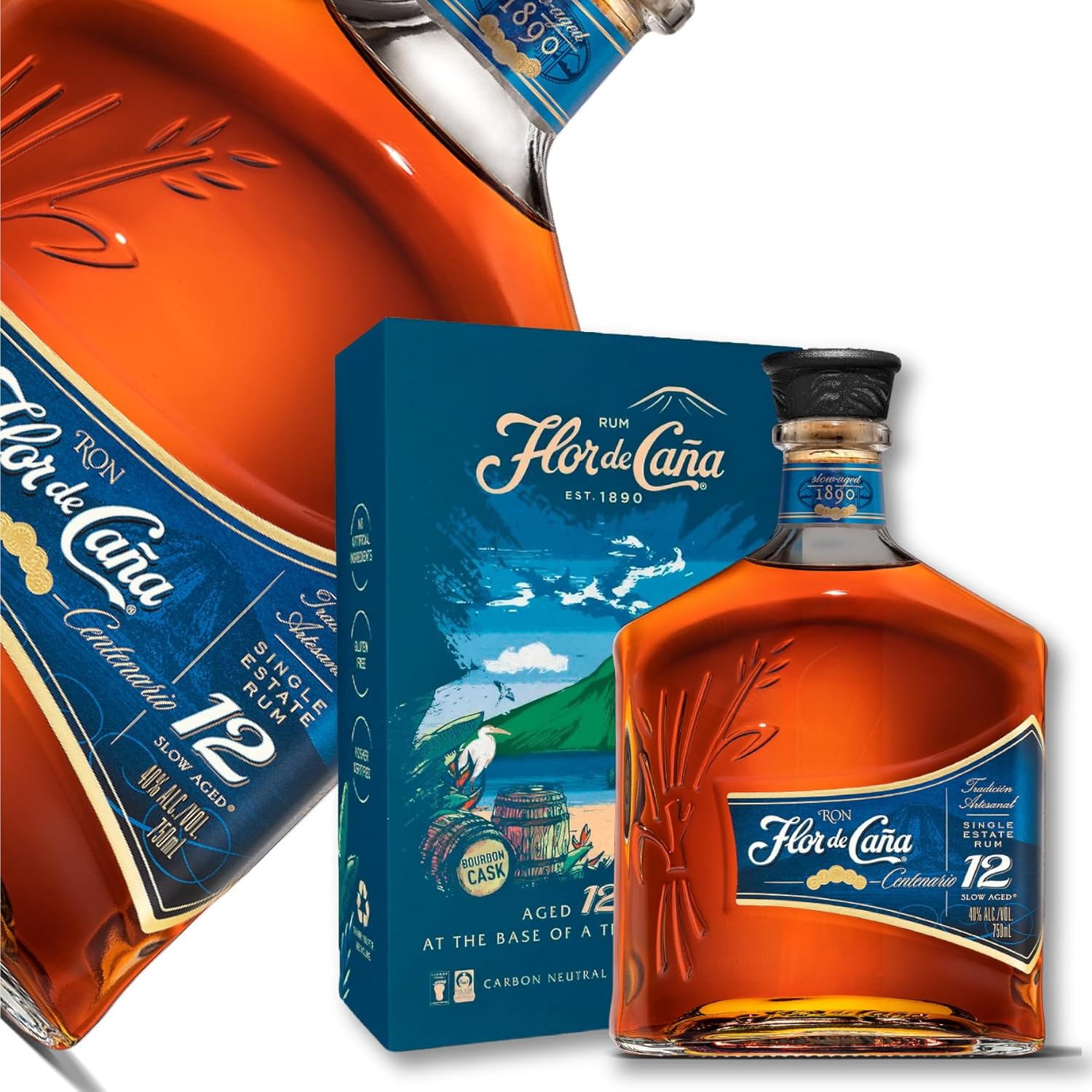
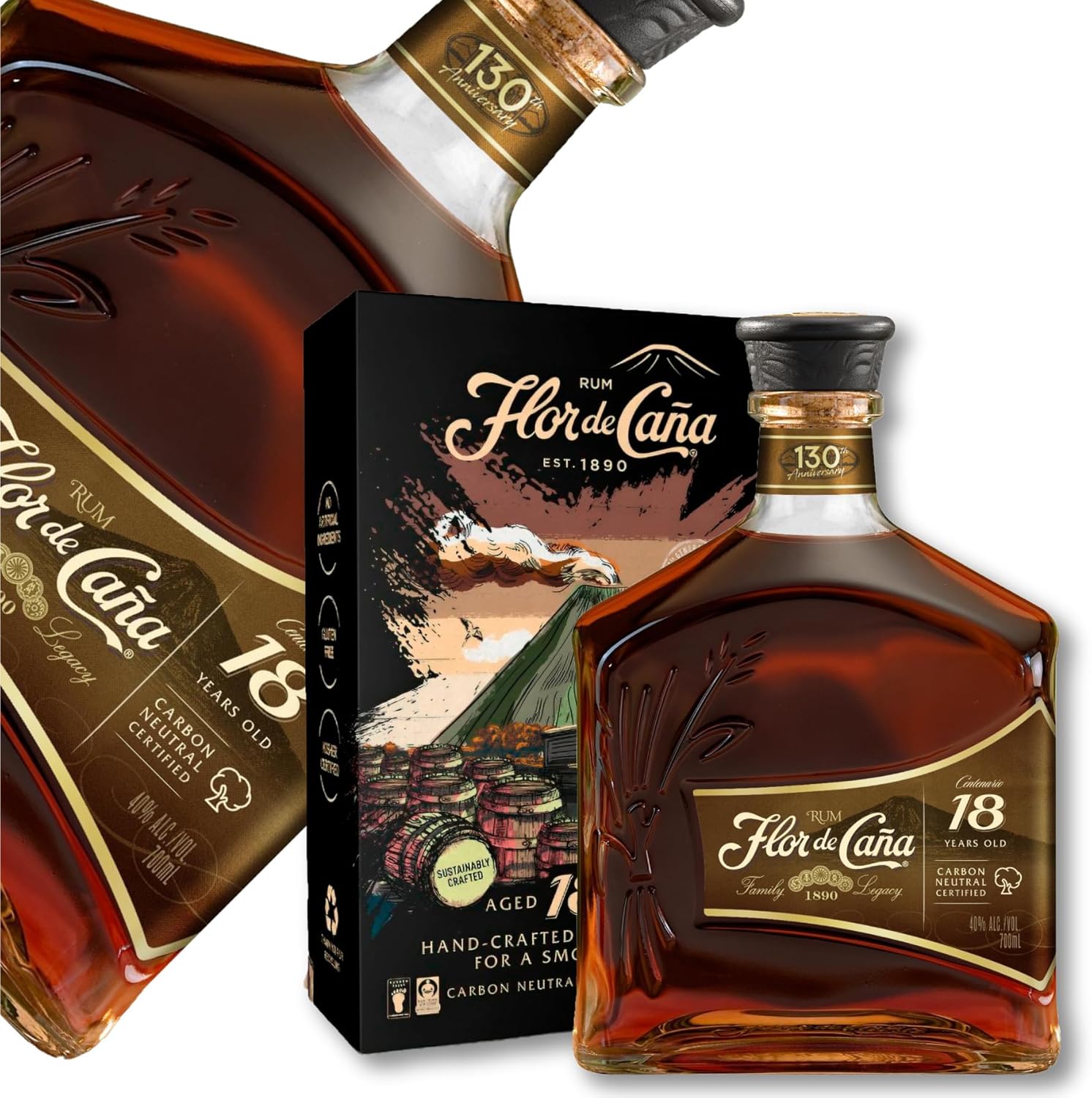
You can buy Flor de Caña in Japan too — on Amazon.co.jp the lineup runs from the entry-level 7-year, through the brand's signature 12-year, all the way to the gift-grade 18-year. Tasting three side by side gets you close to the feeling of the distillery's tasting room, where the difference in viscosity and finish from barrel aging really comes through.
Travel guide (general info)
※ This section combines public information with the author's notes; please confirm the latest details on the official sites.
History of Nicaraguan rum
- Background: Spaniards introduced sugar cane to Central America from the 16th century, and rum was born from molasses
- Nicaragua: Volcanic-ash soils and a clear wet/dry climate suit cane cultivation; serious distilleries took shape from the late 19th century
- Export industry: Today Central American rums reach Caribbean, European, and US markets, with Nicaragua a quality-focused producer
Flor de Caña basics
- Founded: 1890 in Chichigalpa, western Nicaragua. Run by the Pellas family across five generations
- Source: Estate-grown sugar-cane molasses; geothermal distillation and natural filtration drawn from the San Cristóbal volcano
- Aging: Hot, humid environment near sea level; ex-bourbon American white-oak barrels reused for maturation
- Range: 4 / 5 / 7 / 12 / 18 / 25 years on the label, where the number is the minimum aged year
Getting to Chichigalpa
- Location: Chinandega Department, western Nicaragua. About 45 km northwest of León
- Transport: Local bus from León's terminal to Chichigalpa, around 1 hour. Private taxi also possible
- Tour: The "Compañía Licorera de Nicaragua" distillery offers reservation-only tours including tastings (2–3 hours)
- Note: Walking from the bus stop to the plant is impractical; mototaxi or Uber is the realistic option