Out of Koshimizu Town. Today is a packed route: Kaminoko Pond, Bihoro Pass, and the Abashiri Prison Museum.
Kaminoko Pond — uneasy under brown bear country
Up in the mountains of Shari Town, Kaminoko Pond is a mystical pond fed by groundwater from Lake Mashū. The water is clear, cobalt-blue, with fallen logs visible at the bottom. I'd seen photos online and wanted to see it in person.
The catch: access is on an unpaved forest road. The instant I arrived at the trailhead, I had a vague sense of "something animal." Maybe my imagination, but it didn't sit well. To make it worse, tourists (a Chinese-speaking group) were walking the forest road on foot — what's their bear strategy? — which made me even more anxious 🐻
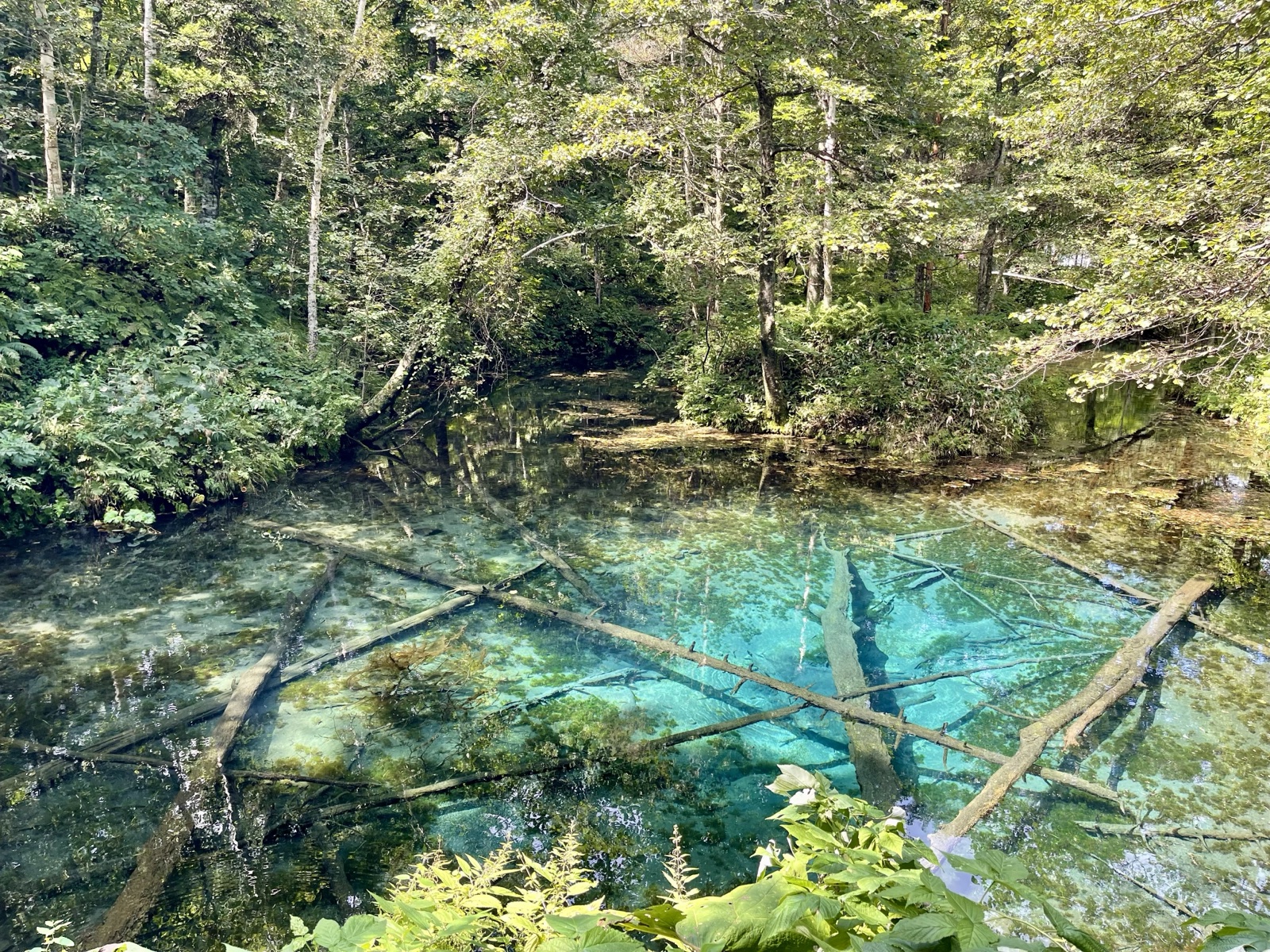
Once you're at the pond, it's stunning. The water is so clear that the submerged logs look as if they're floating just below the surface. Even under overcast skies the blue holds; on a sunny day it must be vivid. A short visit, but worth the ride.
Bihoro Pass — panorama in fog
Out of Kaminoko Pond, dropping south briefly to Bihoro Pass. Famous for the viewpoint over Lake Kussharo — but when I arrived, it was deep fog.
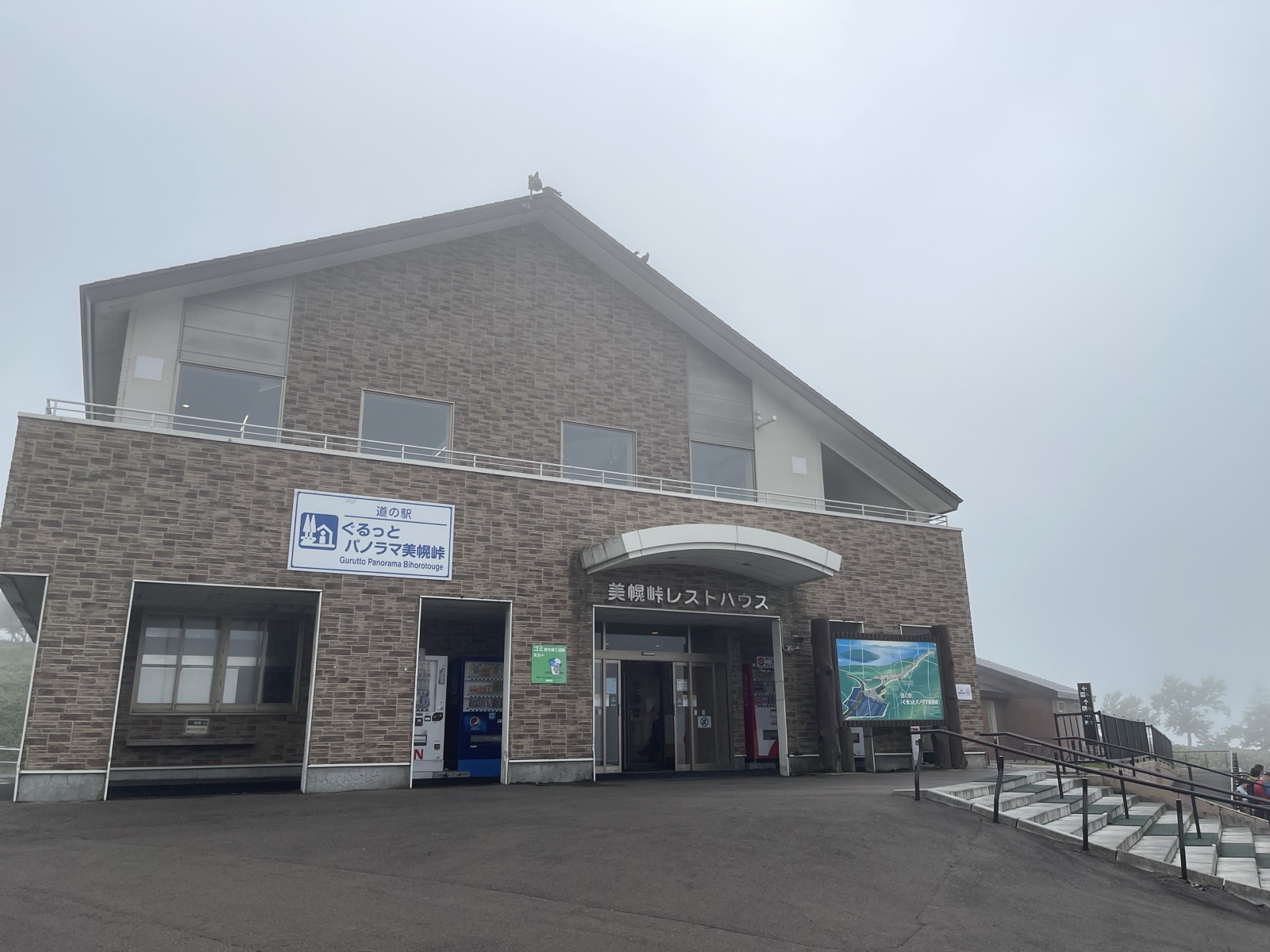
No lake unfortunately, but a foggy mountain pass has its own atmosphere. A break at the roadside station, then north to Abashiri.
Abashiri Prison Museum — the history of pioneers and convicts
Down from Bihoro Pass and north, on to the Abashiri Prison Museum. I knew the name — first time actually visiting. In the Meiji era, prisoners were drafted into building roads to open up Hokkaido; this is an open-air museum where the original Abashiri Prison buildings have been relocated and restored.
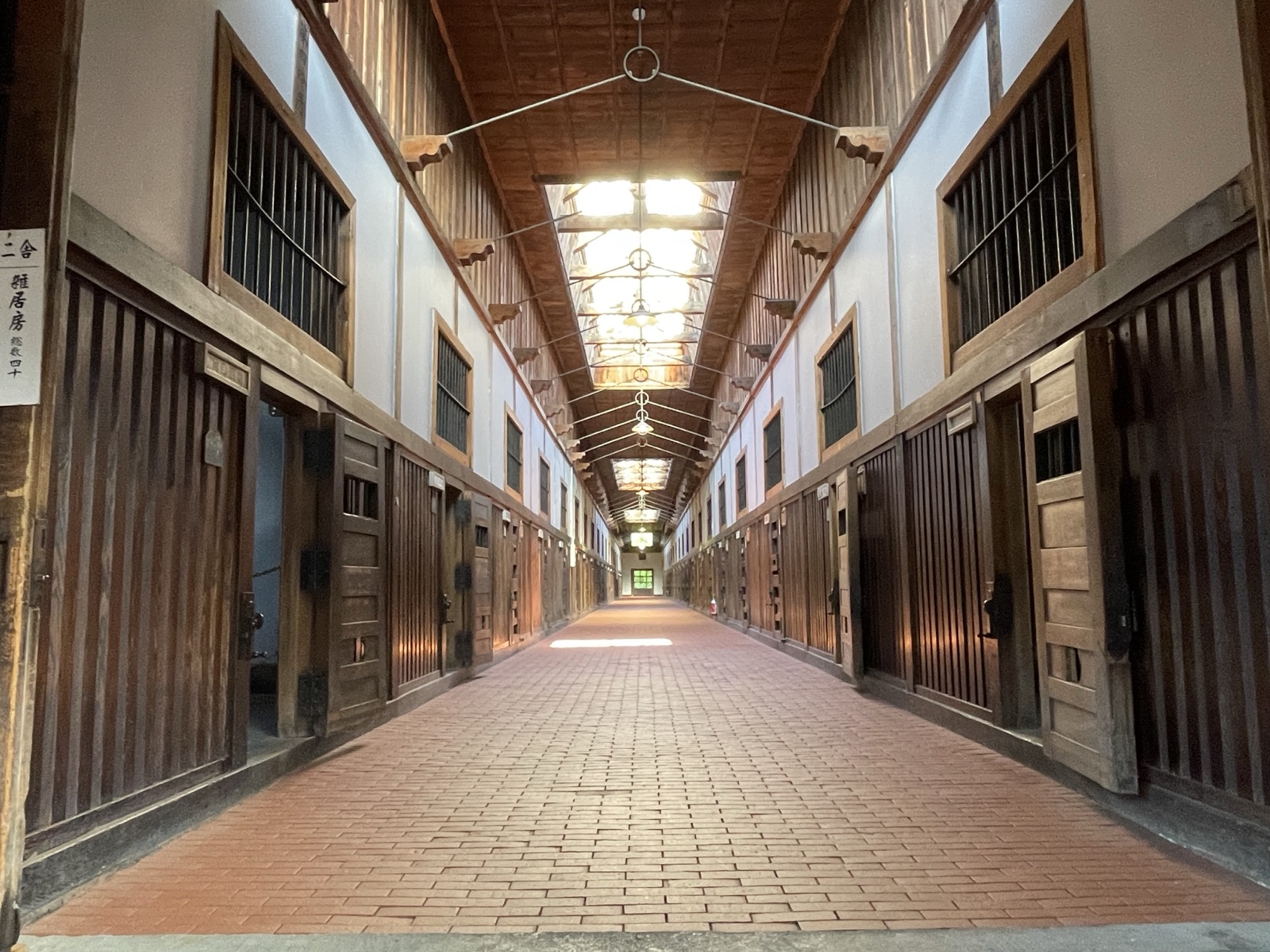
Inside the grounds, what catches your eye first is the shared-cell housing. A wooden longhouse-like building with a central corridor and rows of cells lining either side. Prisoners lived communally here. The light coming down through the central skylight is oddly bright, sharpening the tension of the space.
Further back are the relocated Kyōkai-dō (chapel hall) and the Abashiri Branch of the Kushiro District Court. The beauty of Meiji-era wooden architecture pulls in two directions at once — admiration for the buildings, and the weight of imagining the people who came here to be lectured at, or sentenced.
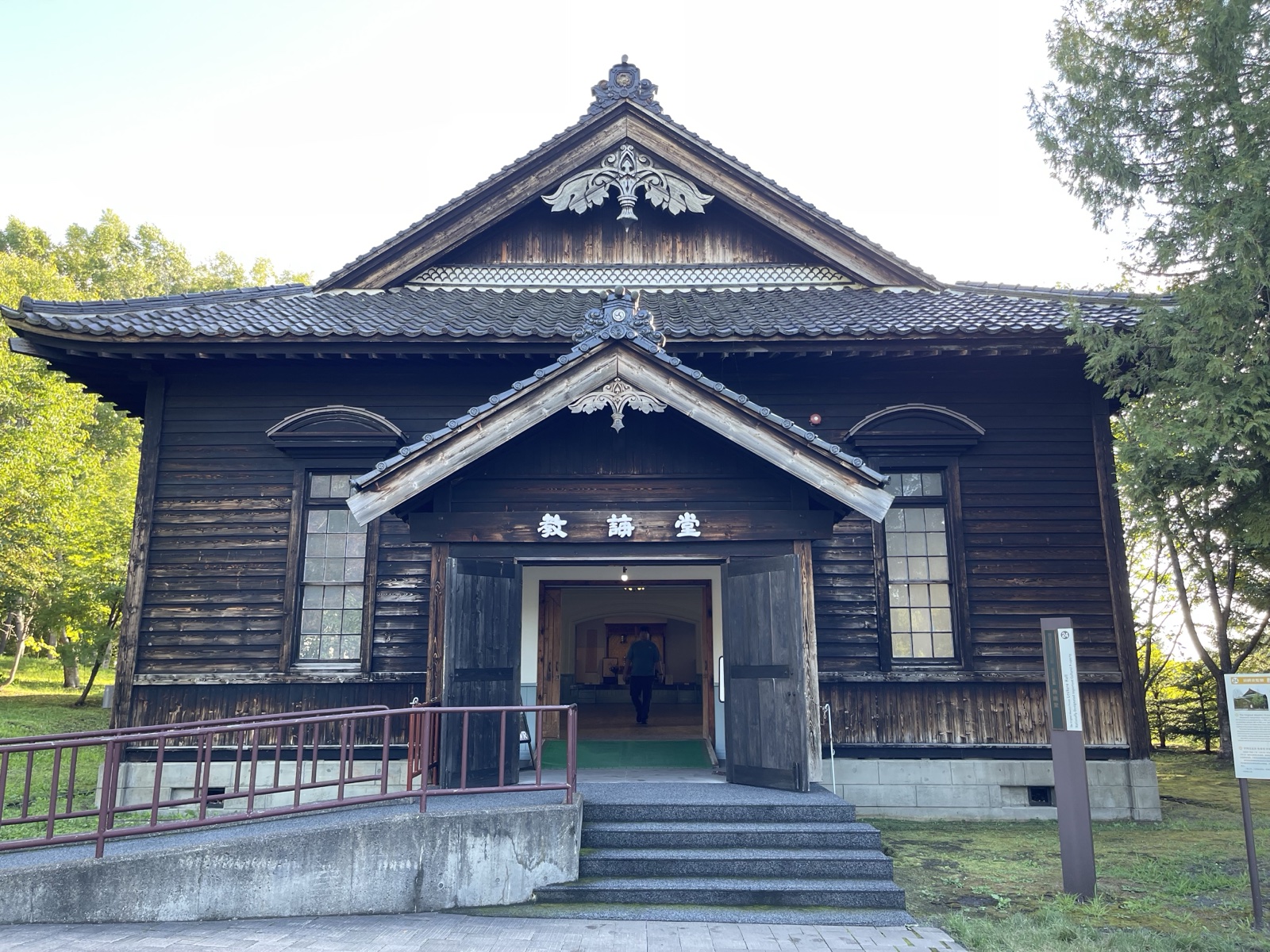
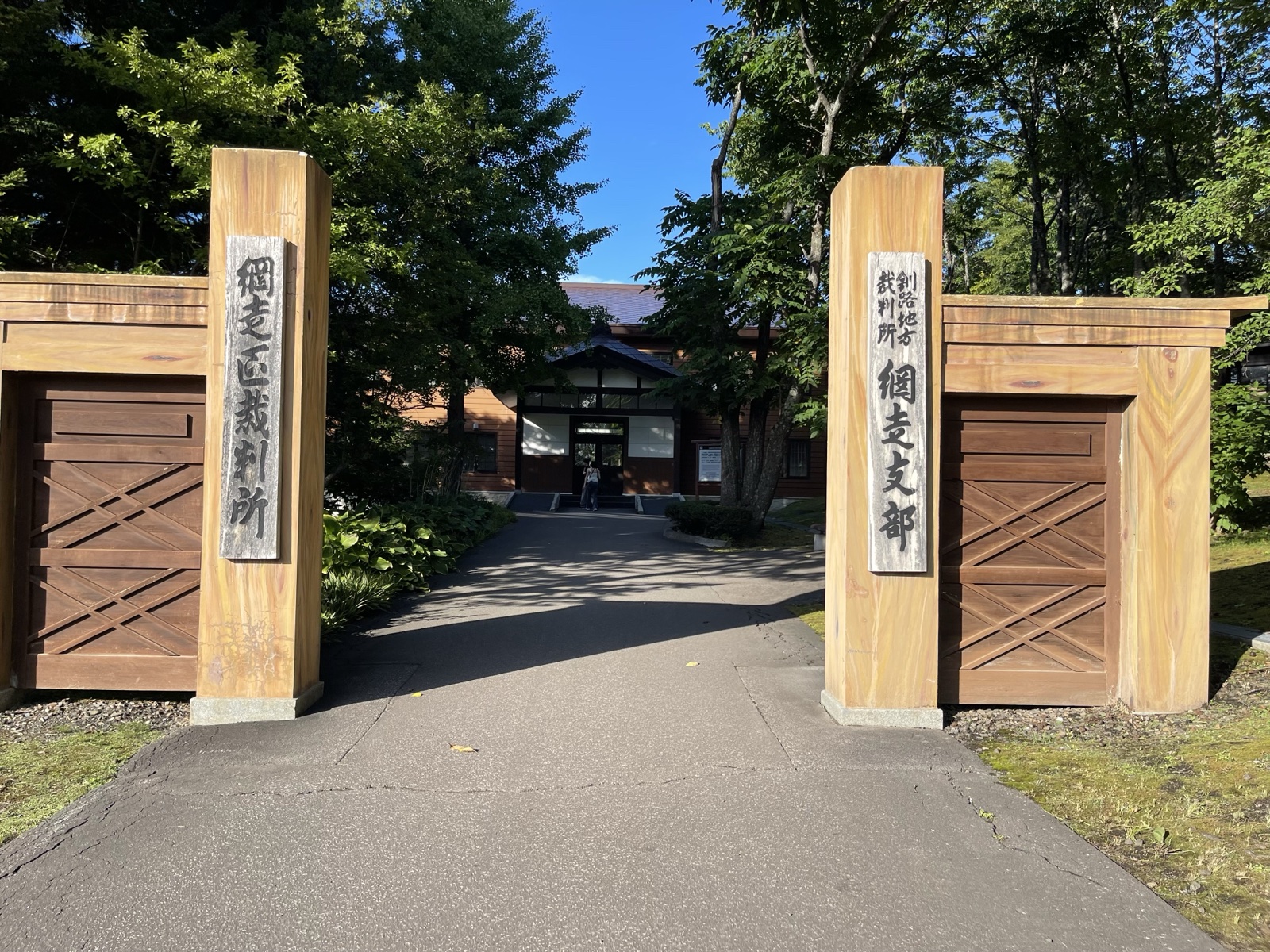
How brutal road construction was at the time, how Route 39 (the Central Road) was built — I learned about it for the first time here. The Central Road that runs from Abashiri to Asahikawa was opened by convict labor. I had no idea that the road still in active use had that kind of history behind it.
After the visit, on toward Monbetsu where I'm staying tonight.
Travel guide (general info)
※ This section combines public information with the author's notes; please confirm the latest fares, hours, and road conditions on the official sites.
Kaminoko Pond
- Location: Kaminoko, Kiyosato Town — a highly transparent pond fed by groundwater from Lake Mashū.
- Water temperature: About 8 °C year-round; the spring water never freezes, and submerged logs lie undecayed on the bottom.
- Access: About 2 km of forest road from Route 244, unpaved and inside brown-bear habitat. Motorcycle or car recommended; on foot or by bicycle, carry a bear bell.
- Best time: Around midday on a sunny day; sunlight reaching beneath the surface maximizes the blue.
Bihoro Pass
- Location: Route 243, on the boundary of Bihoro Town and Teshikaga Town, elevation about 525 m.
- View: Panorama over Lake Kussharo; on clear days you can see all the way to Mt. Meakan and Mt. Oakan.
- Roadside Station "Gurutto Panorama Bihoro-tōge": Food, restrooms, and an observation deck — a standard stop for riders and drivers.
- Frequent fog: Mornings and evenings often see fog rolling up from Lake Kussharo; if visibility drops, don't push it — turn back.
Abashiri Prison Museum
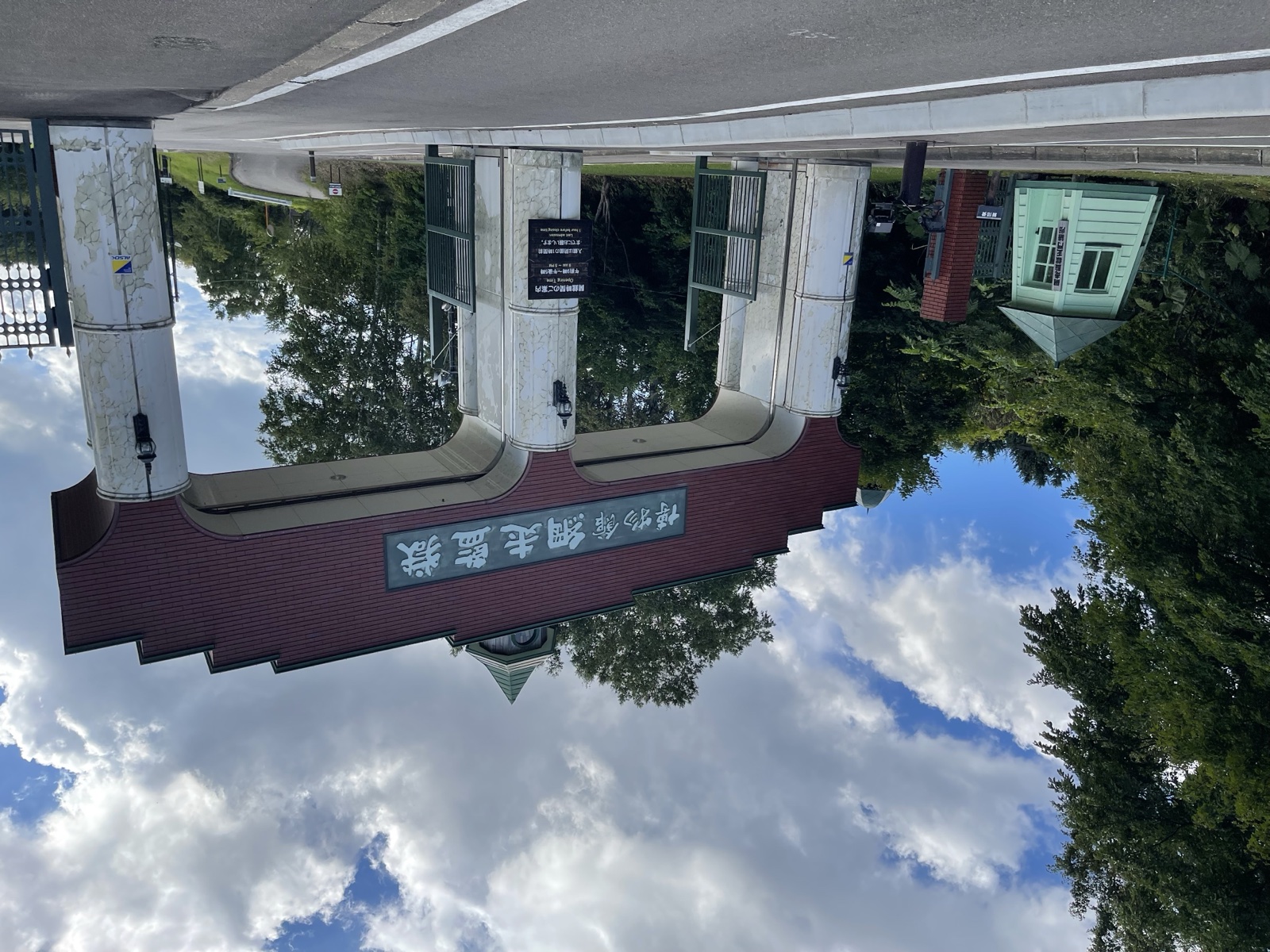
- Location: 1-1 Yobito, Abashiri City, on the slope of Mt. Tento.
- Exhibits: Eight buildings (Important Cultural Properties) actually used between 1890 and 1984, relocated and restored.
- Hokkaido development and prisoners: Eastern Hokkaido's Central Road (now Route 39) was opened up by convict labor.
- Time needed: 90–120 minutes; the grounds are large, so dress for walking.