Day 2 leaves Hakodate in the morning and pushes north up the southwestern half of Hokkaido in one go. Mt. Yōtei, the Mt. Kenashi viewpoint, the Nikka Whisky Yoichi Distillery, and Otaru by evening. Hands on the rental car wheel — finally a proper car-trip day.
Mt. Yōtei — the "Ezo Fuji"
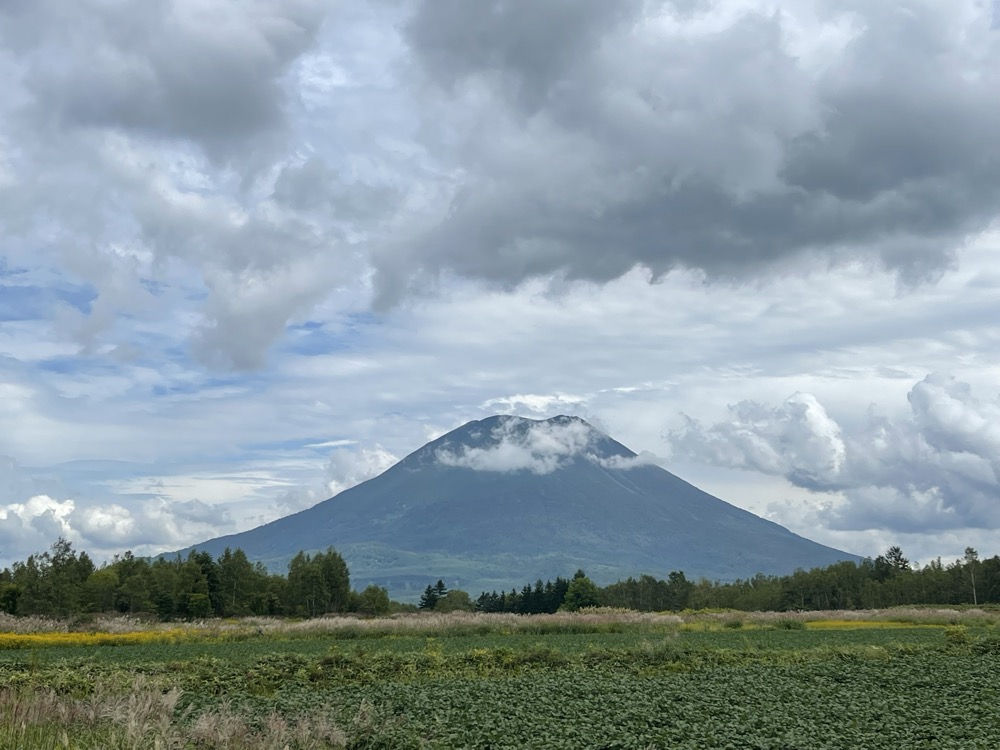
Heading north from Hakodate on Route 5, before the Niseko / Kutchan area, Mt. Yōtei comes into view. At 1,898 m, with an almost perfectly conical silhouette, it's earned the nickname "Ezo Fuji" — the Fuji of Ezo. Seen across a field, it looks just like Mt. Fuji, but its broad Hokkaido base gives it a different face.
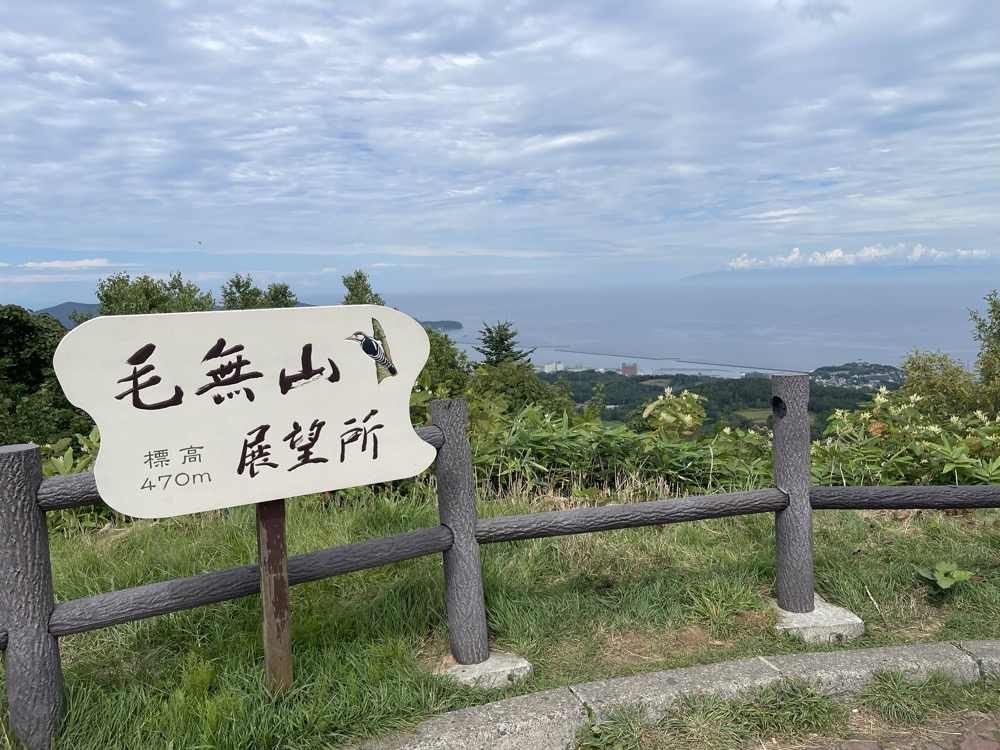
Mt. Kenashi viewpoint — looking out to the Sea of Japan from 470 m
On the way to Yoichi I stopped at the Mt. Kenashi viewpoint. At 470 m, it sits on the pass between Sapporo and the Yoichi/Otaru side. Below: Otaru spread out, and the Sea of Japan all the way to the tip of the Shakotan Peninsula on a clear day. Locals stop here as a casual driving break — un-touristy and easy.
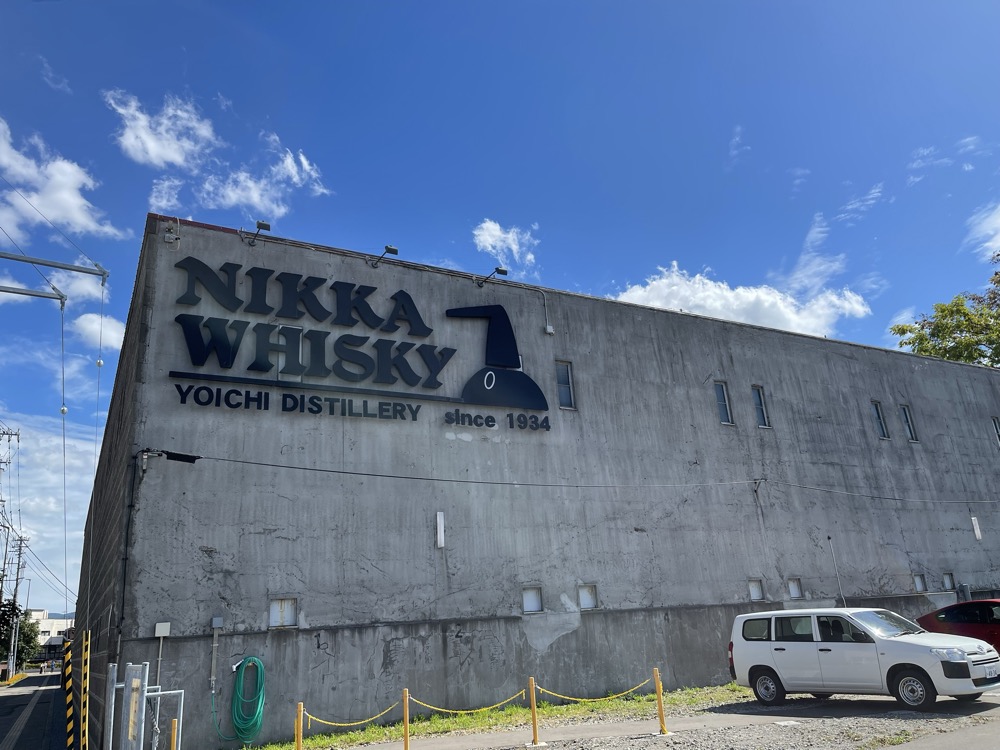
Nikka Whisky Yoichi Distillery
Down the pass into Yoichi, the heavy stone walls of the Nikka Whisky Yoichi Distillery announce themselves. In 1934, founder Masataka Taketsuru chose this spot for its climate's resemblance to Scotland's Speyside. The origin point of Japanese single malt.
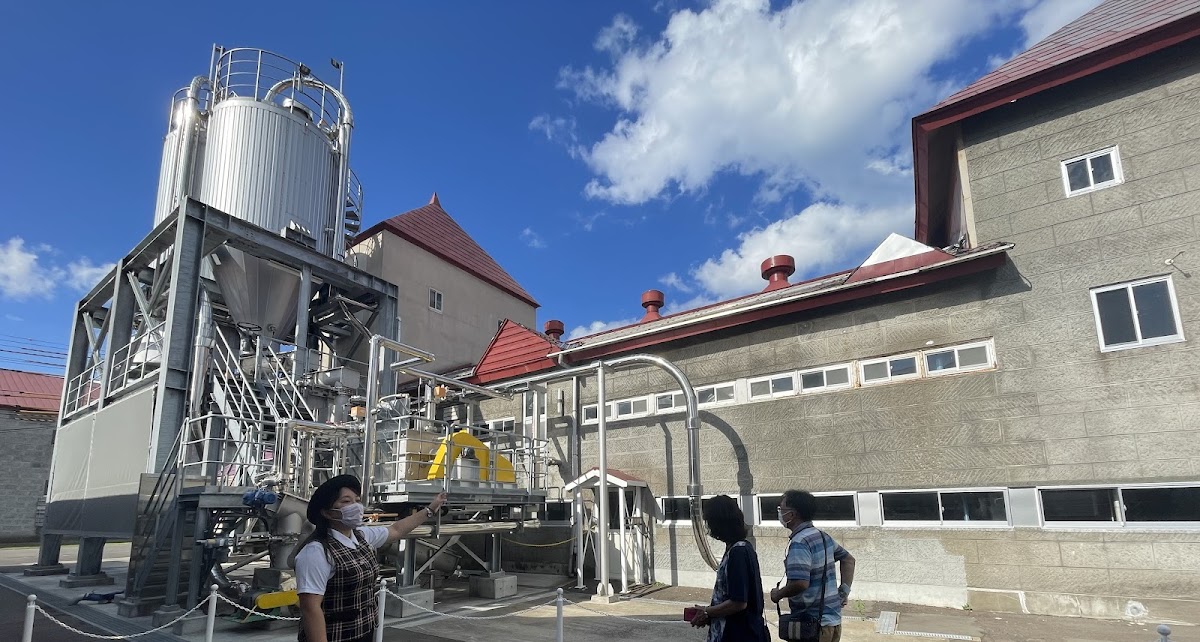
I joined the free guided tour. The guide walked us carefully through each piece of equipment, the group was small, and questions were easy to ask.
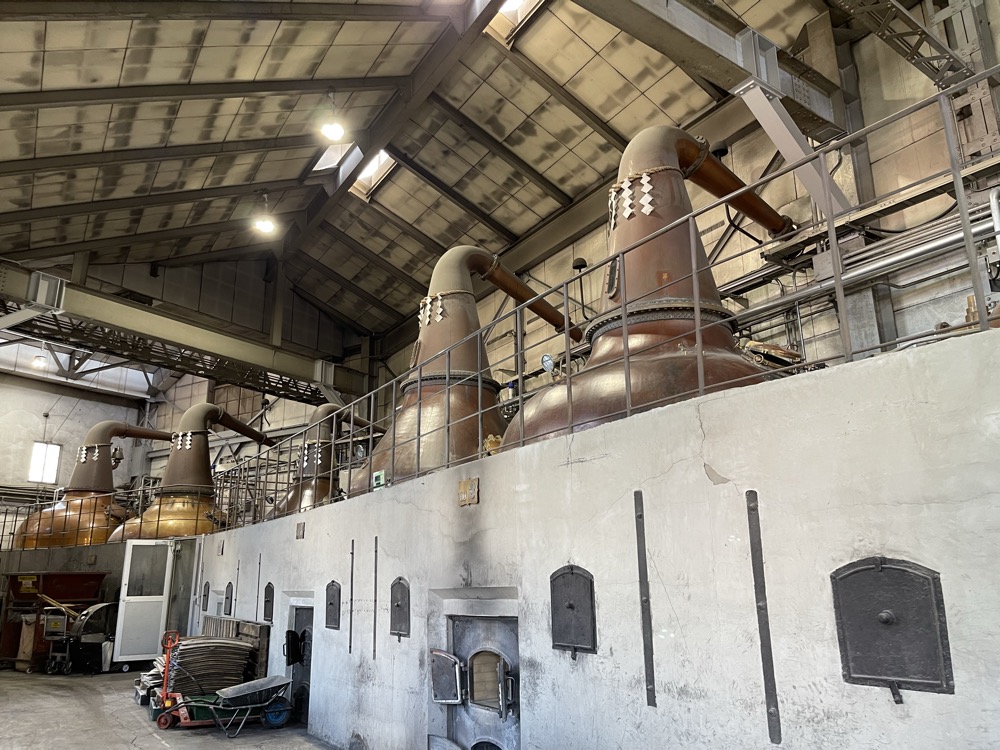
The highlight is the pot stills. What makes Nikka Yoichi unusual worldwide is its direct coal-fired distillation. Craftsmen tend the coal fires, fine-tuning the temperature, while the alcohol vapor rises out of the copper stills to be cooled and condensed. Above the stills hangs a shimenawa — a sacred straw rope — a quietly Japanese touch in the midst of whisky-making.
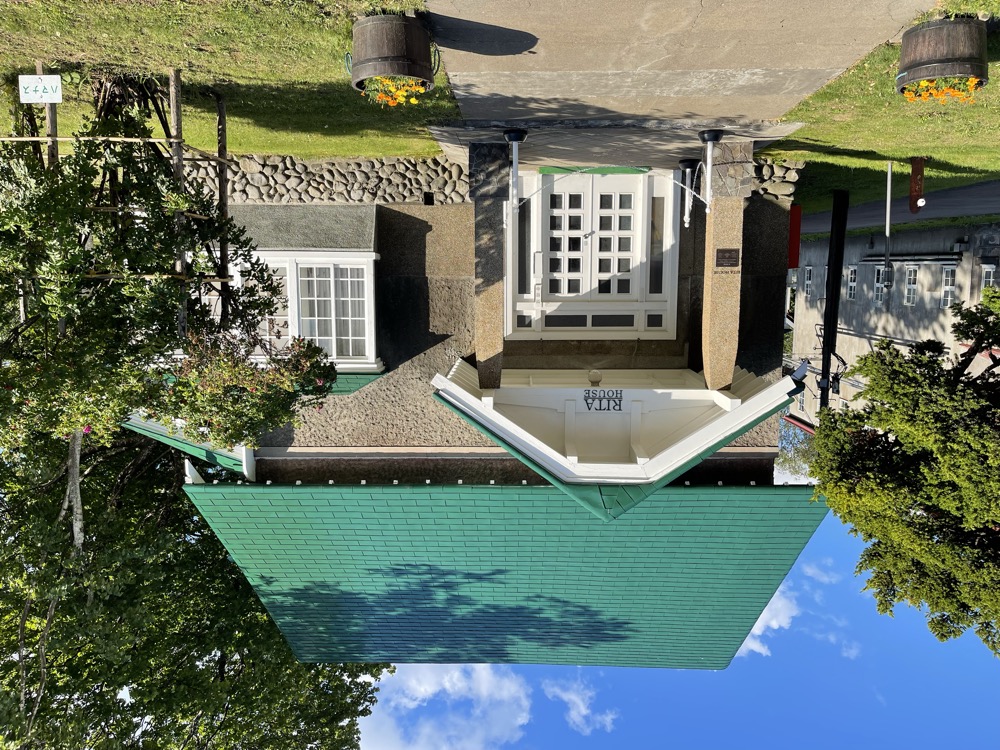
On the grounds is also the RITA HOUSE, named for Taketsuru's wife Rita. Born in Scotland, she came to Japan and supported the whisky-making — a story familiar to many through NHK's morning drama "Massan."
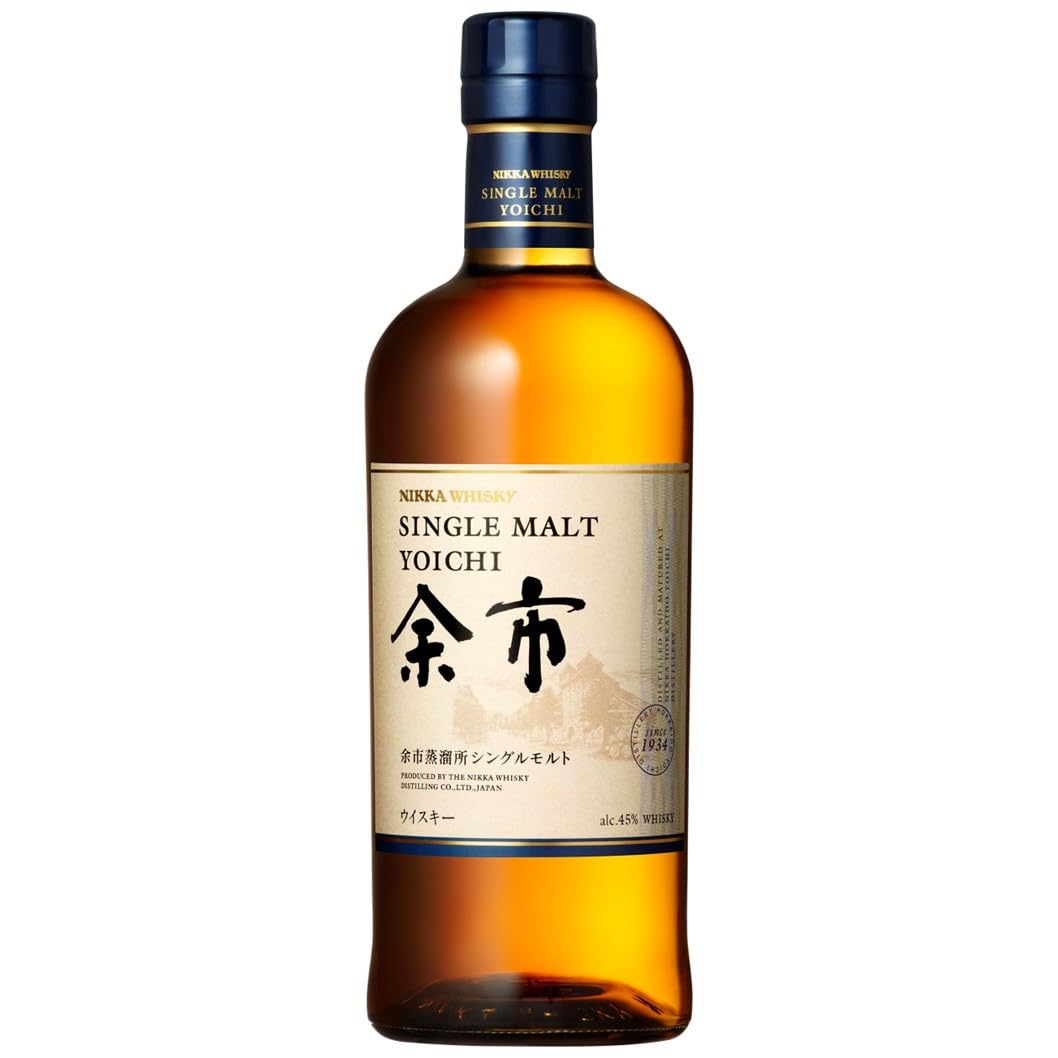
I came intending to do the free tour and somehow walked out of the gift shop with bottles I hadn't planned to buy. If "limited edition" is your weak spot, be warned.
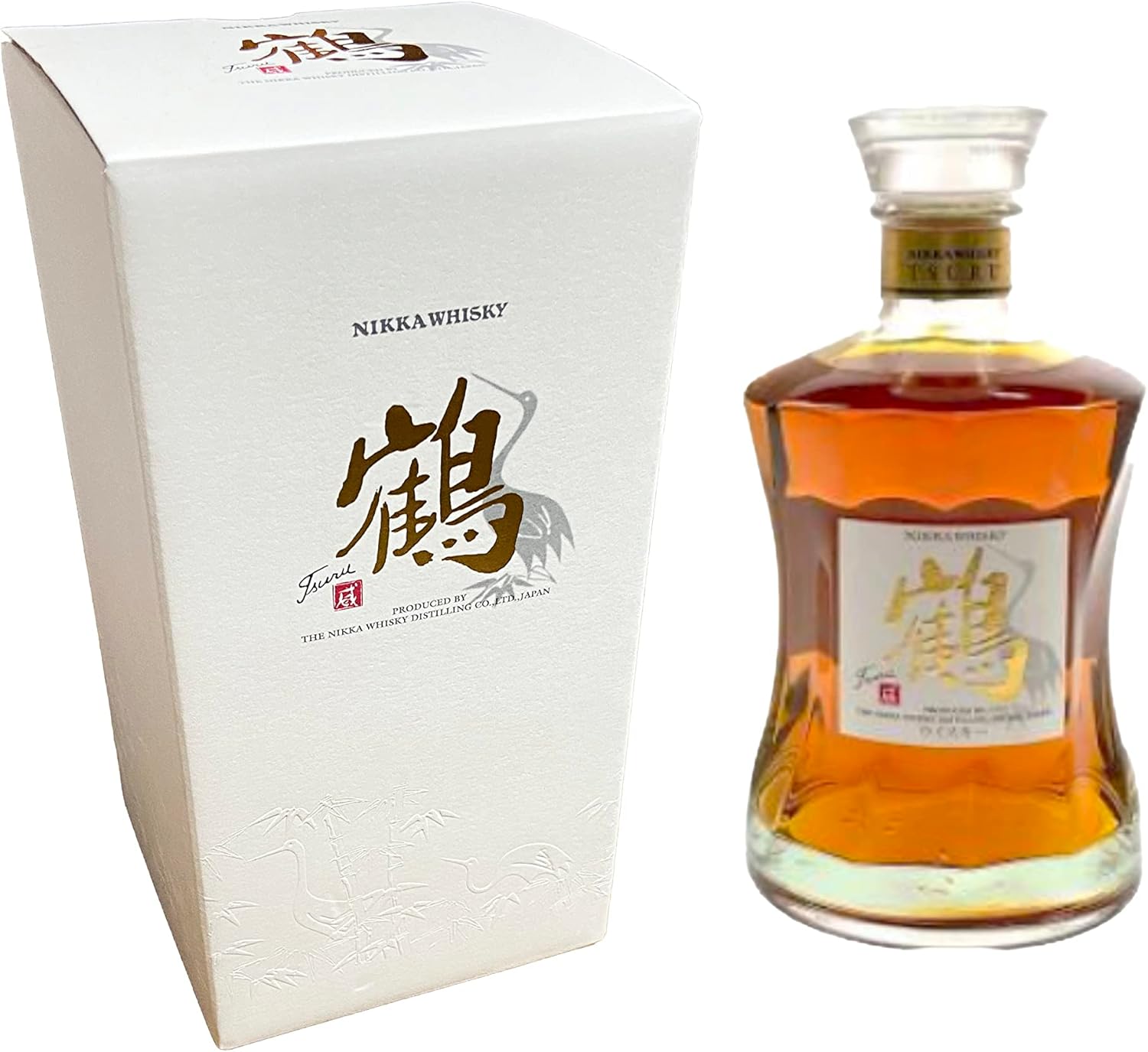
For those who can't make it to the distillery — Nikka Yoichi's single malt is available on Amazon too. The Scottish-rooted direct coal-fired distillation gives it a heavy, complex character. The distillery-exclusive "Tsuru" is scarce, but turns up from time to time.
Yoichi Space Memorial Hall — Space Dome
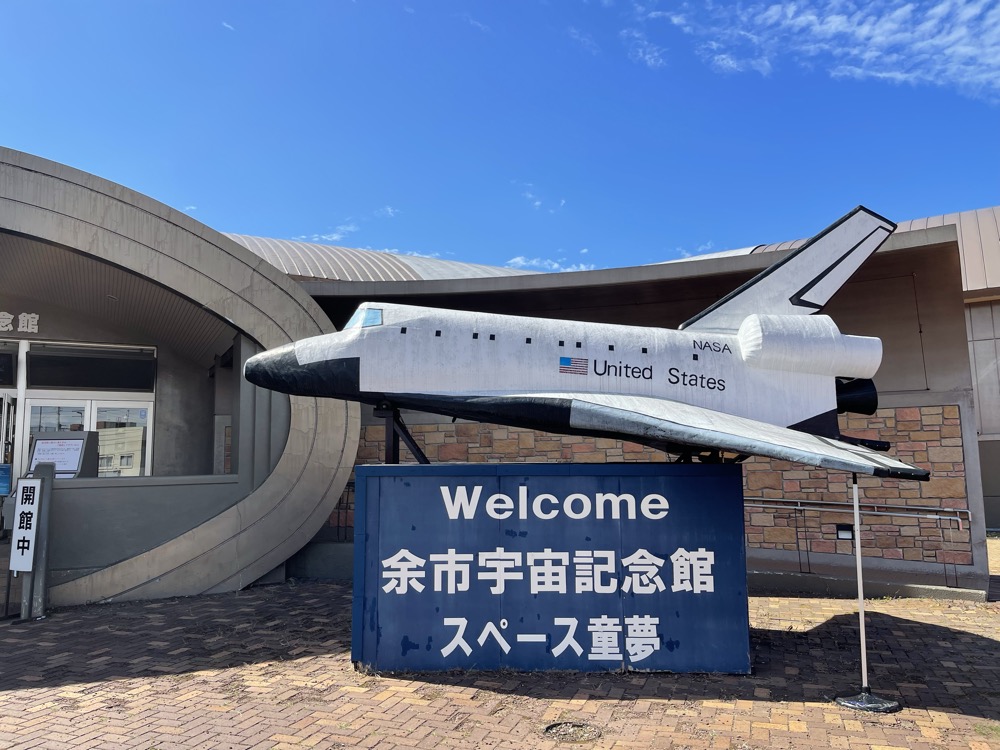
Yoichi is also the hometown of astronaut Mamoru Mōri. Right near the distillery is the Space Dome. Out front, a full-scale Space Shuttle replica greets you — adults and kids both react.
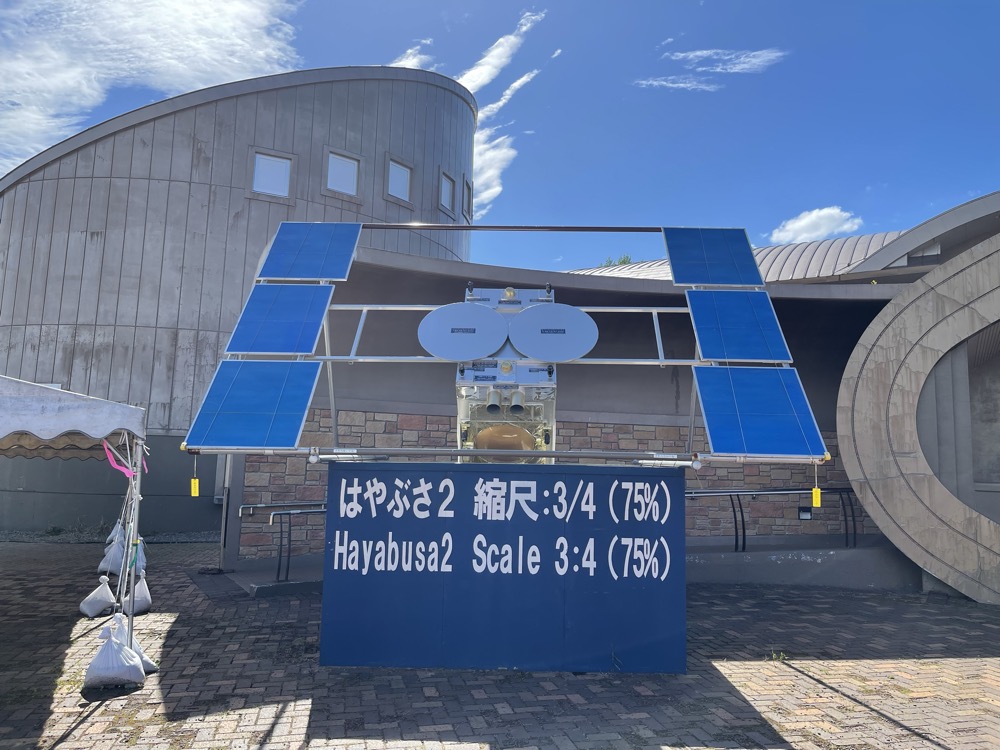
The other highlight is a 3/4-scale replica of the Hayabusa2 asteroid sample-return spacecraft. Seeing the project that brought back samples from Ryūgū up close, in a small Hokkaido town — not what I expected.
Otaru — canal and seafood
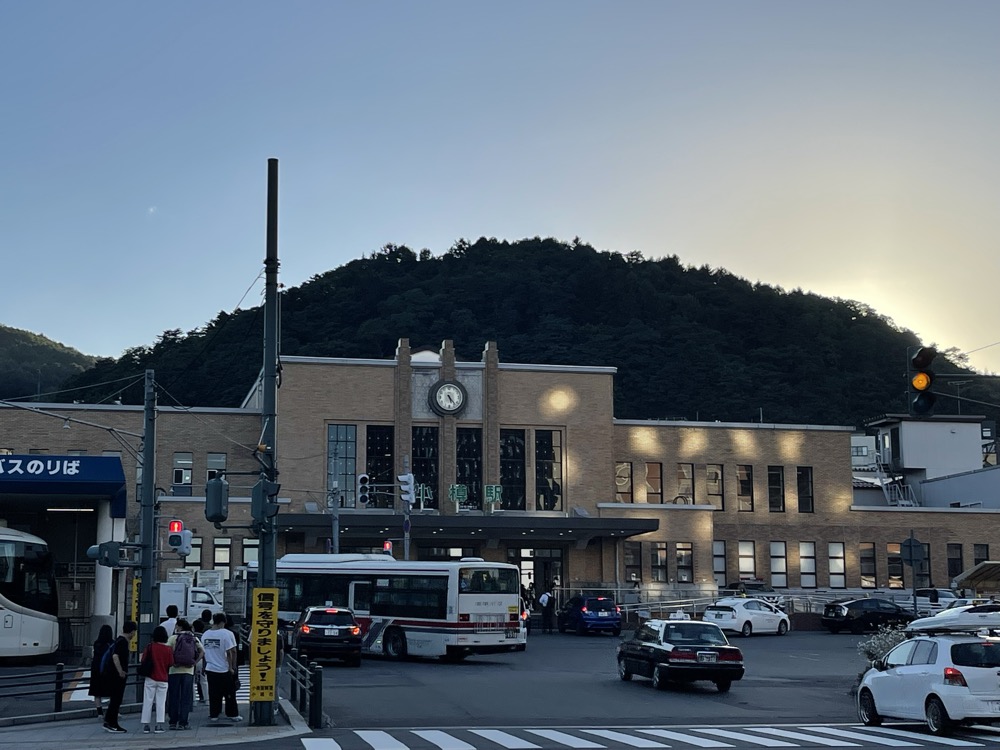
Yoichi to Otaru is about 30 minutes by car. Otaru Station, completed in 1934, is a historic station building with rows of gas-lamp-style fixtures — a retro feel. I arrived as the sun was dropping and stood for a while taking the city in with the station in front of me.
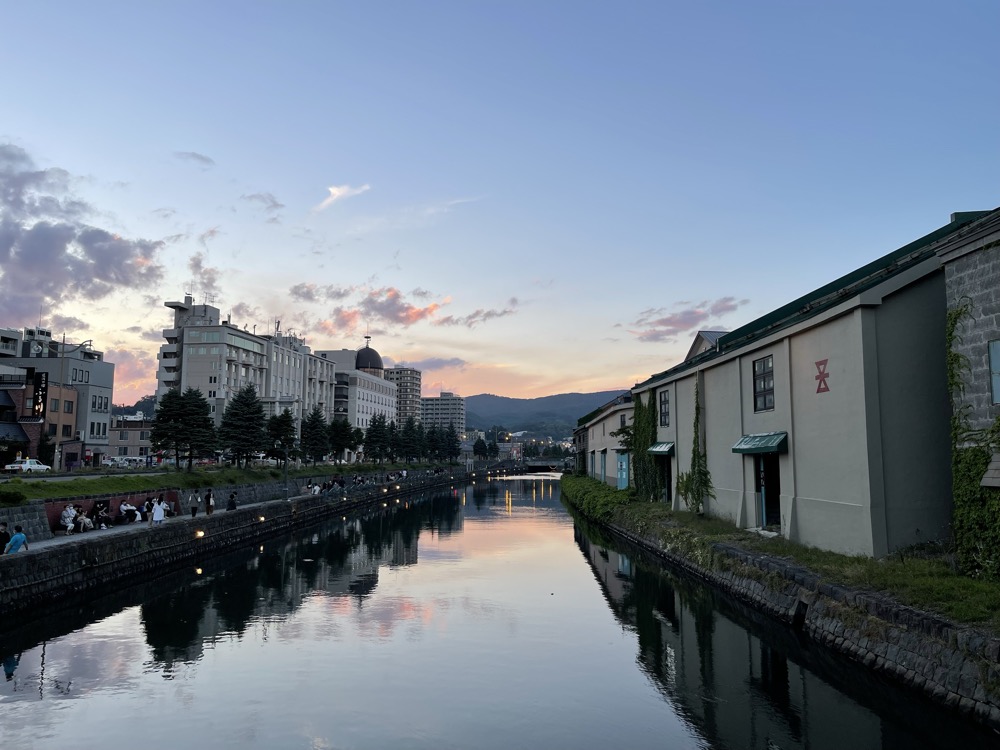
The classic Otaru is the Otaru Canal. Built between the late Meiji and Taishō eras, the rows of stone warehouses on either bank give the canal its character. Right around sunset, the colors of the sky reflect onto the surface — the prime time for photographers.
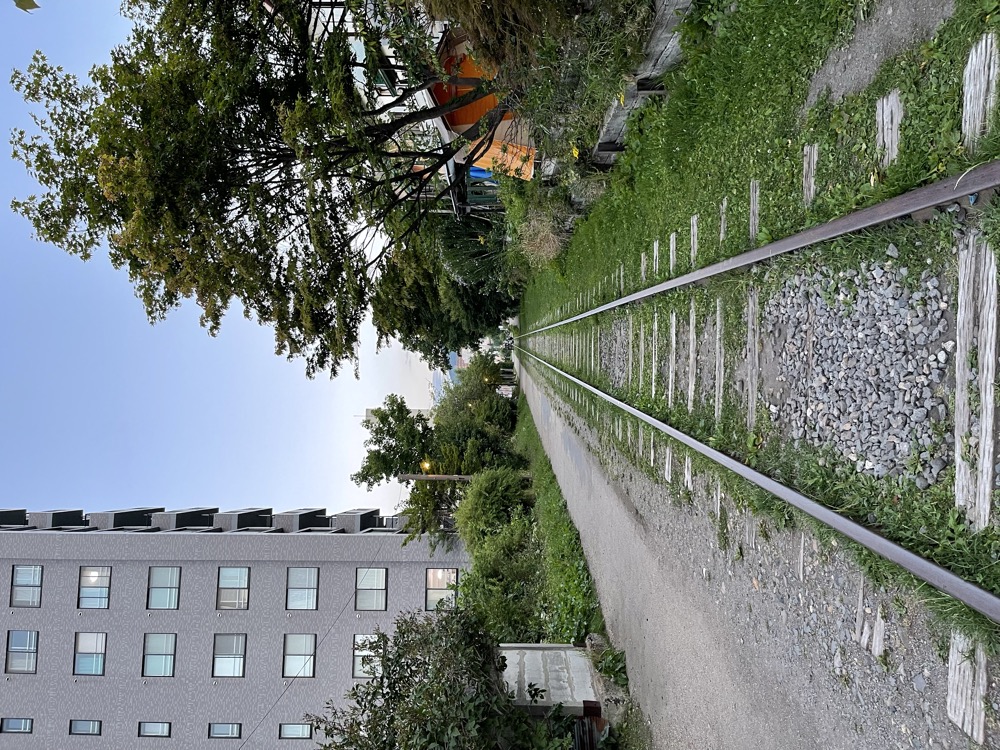
I also walked the Old Temiya Line alongside the canal — the remains of Hokkaido's first rail line, preserved as a walking path. Tracks and ties have been left in place; you feel a layer of time emerging right in the middle of the city.
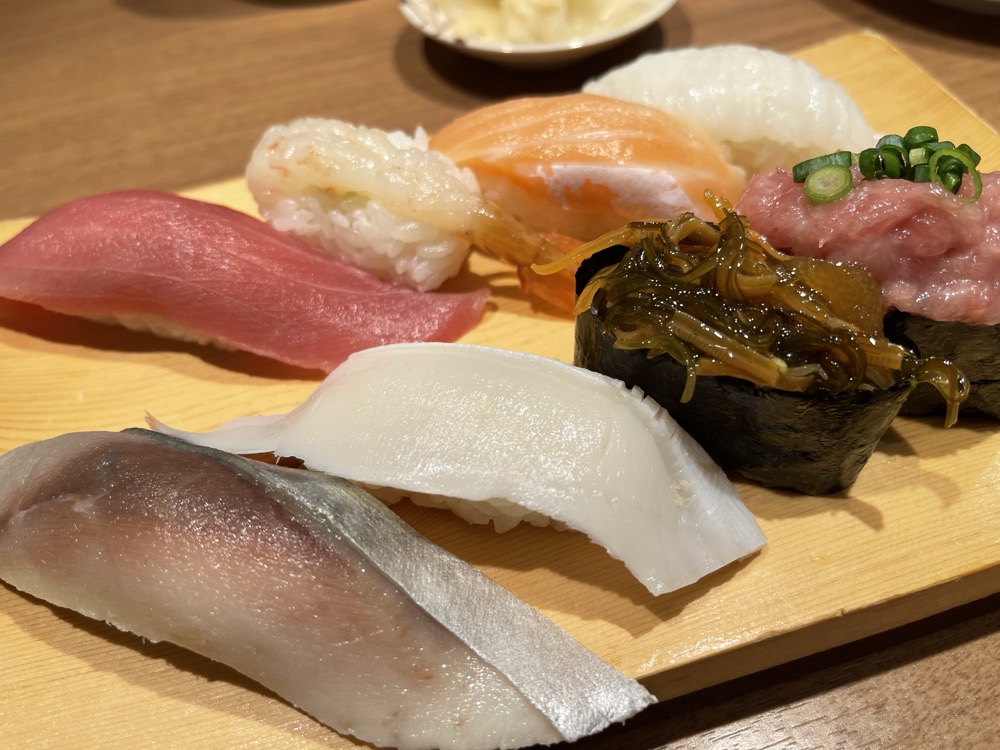
Dinner: Otaru sushi. Hokkaido sushi sits at a different level — flounder, salmon, mackerel, scallop, fatty tuna, every cut better than what most mid-tier Tokyo shops manage. It costs what it costs, and it's worth staying overnight in Otaru to eat it.
The lone peak of Mt. Yōtei, Nikka Yoichi's coal fires, the Otaru Canal at dusk. Three faces of Hokkaido in one day.
Travel guide (general info)
※ This section combines public information with the author's notes; please confirm the latest fares, hours, and road conditions on the official sites.
Visiting the Nikka Yoichi Distillery
- Tour: a free self-guided route is available; guided tours need advance booking via the official site.
- Tasting: paid tastings of distillery-only releases on site.
- Time required: 60–90 min for the self-guided route, around 2 hours including the shop.
- Access: 3-min walk from JR Yoichi Station; parking on Route 5 if you drive.
- History: founded in 1934; founder Masataka Taketsuru chose Yoichi for its climate similarity to Speyside, Scotland.
Mt. Yōtei and Kenashi-yama Viewpoint
- Mt. Yōtei (Ezo Fuji): 1,898 m, a clean conical stratovolcano. The classic views are from Kyōgoku, Makkari, and Kutchan, where the slopes run all the way to the foothills.
- Spring water: Kyōgoku's "Fukidashi Park" and Makkari's "Yōtei spring water" are free, well-known water spots.
- Kenashi-yama Viewpoint: 470 m, partway through the pass between Sapporo and Yoichi. Sweeping view of Otaru and the Sea of Japan; particularly good at sunset.
Otaru Canal area
- Otaru Canal: completed 1923; the gas-lamp lighting from dusk into the evening is the iconic photo spot.
- Former Temiya Line: trace of Hokkaido's first railway (1880), now a walking promenade.
- Otaru Station: completed 1934; gas-lamp-style lighting and a station building modeled on Tokyo's Ueno Station.
- Seafood: Sankaku Market and Minamitaru Market for sushi and seafood bowls; busiest from early morning into late morning.