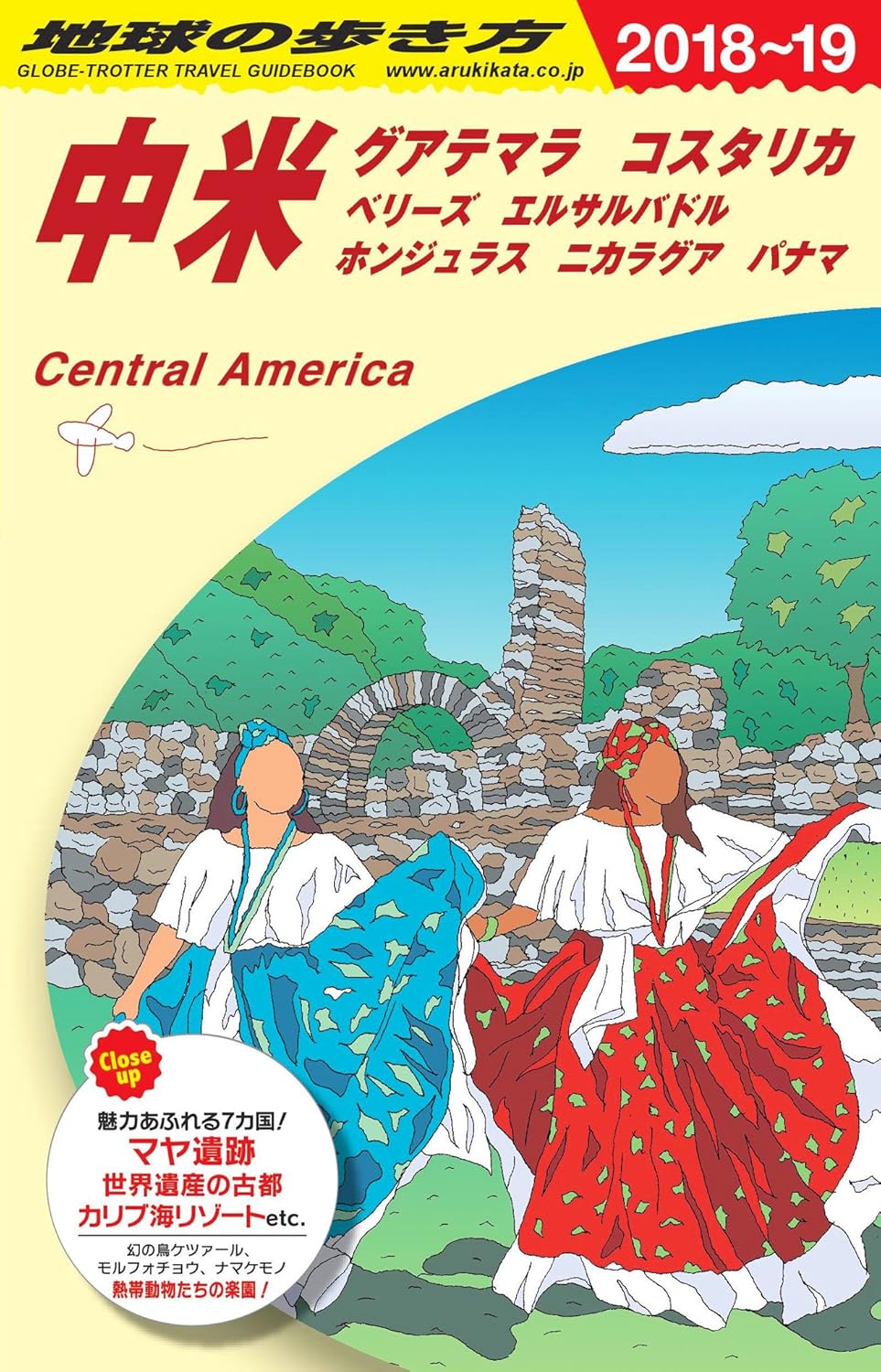
Leaving Granada behind, I stopped in a town called Masaya on the way to the capital, Managua.
Masaya — a treasury of folk crafts
Masaya is famous for crafts. The variety and volume of what's stacked in the market is more than any market in Costa Rica I've seen. Colorful hammocks, woodwork, ceramics, textiles — Nicaragua's distinct hand-craft culture, all in one place.
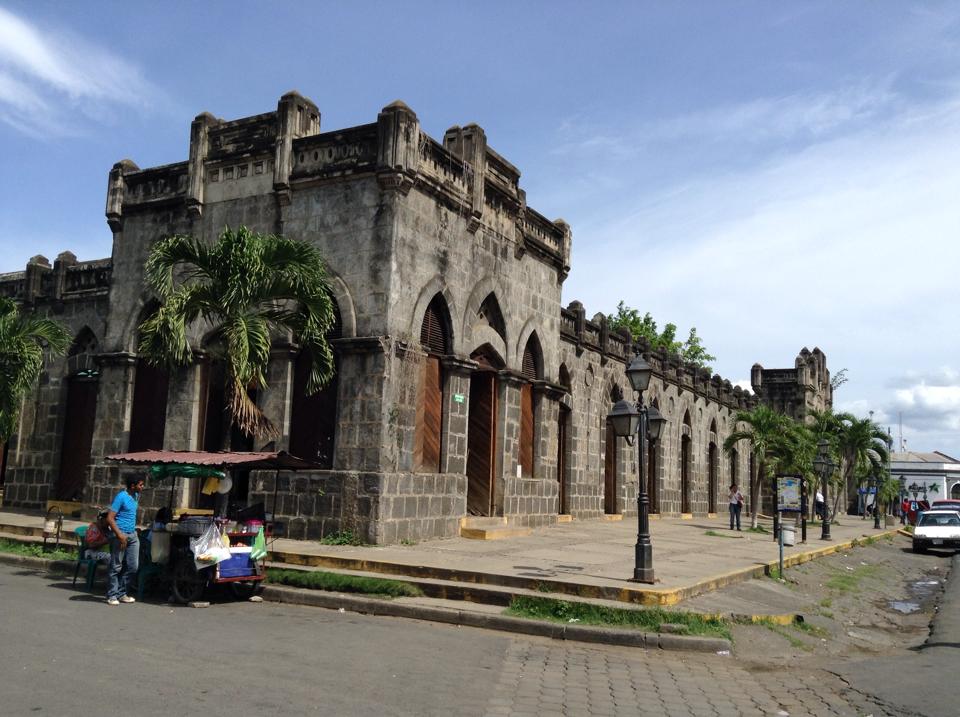
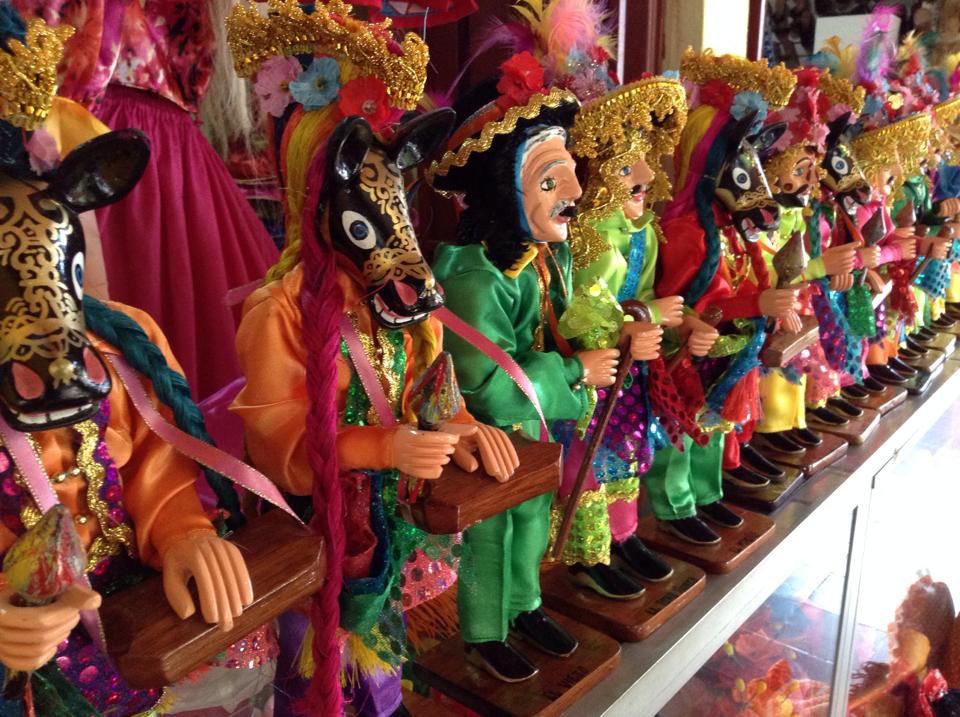
I knew buying too much would just become luggage, but my hand kept reaching out anyway. I picked up a small hammock-shaped keychain and pressed on.
Managua — "the place with much water"
"Managua" means "the place with much water" in Nahuatl. As advertised, Lake Managua spreads across the city. You can look at it, but pollution has gone far enough that swimming is out of the question. "OK, there's the lake" was about as far as my reaction got.
Managua is among the Central American capitals where tourism infrastructure is still developing. There aren't many sights, and the polish of Costa Rica or Granada is something for the future — but the city has a plain, unaffected air.
Reuniting with friends
The real reason I came to Managua wasn't sightseeing. Friends I'd met in Costa Rica were now living here, and I'd come this far to see them after a long time.
That night they treated me to Japanese food at their place. Eating Japanese food in the middle of Central America was something else. Travel makes you grateful for the everyday meals you usually take for granted.
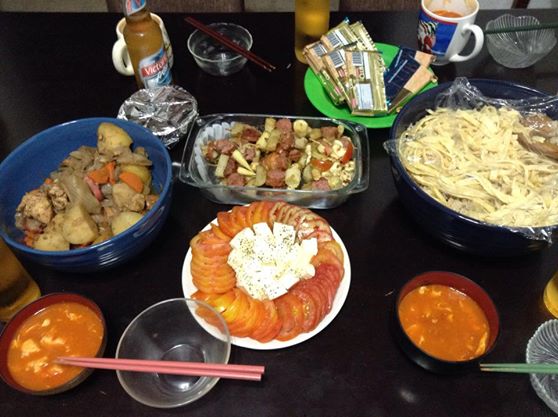
Maybe the most important thing about traveling isn't the place but the people who are there. Managua, to me, is more "a city to go visit people in" than a sightseeing town. The night with my friends, at least, was the best.
The next morning, I said a reluctant goodbye and got on the long-distance bus to my next destination, León.
Travel guide (general info)
※ This section combines public information with the author's notes; please confirm the latest entry, safety, and operating details on the official sites.
Managua — Nahuatl for "where there is much water"
- Designated capital in 1858 as a compromise to ease the political rivalry between León and Granada.
- The 1972 magnitude-6.2 Managua earthquake destroyed most of the old city; reconstruction of the center is still ongoing. The city is famously without a clearly defined "downtown."
- It sits on Lake Managua (Lago Xolotlán) but decades of wastewater discharge have left the lake heavily polluted. The lakeside Malecón (Puerto Salvador Allende) is a developed promenade.
Masaya and the crafts market
- The Mercado de Artesanías de Masaya is the heart of Nicaraguan crafts: hammocks, woodwork, ceramics, and leather all in one place.
- Masaya itself is known as "the folklore capital of Nicaragua" — the home of traditional dance and the marimba.
- Nearby Masaya Volcano National Park lets you drive close to the active crater (lava lake sometimes visible on night tours).
Access, safety, practical info
- Managua International Airport (MGA / Augusto C. Sandino) connects to other Central American countries and to Miami / Houston in the US.
- Move around the city by Uber or licensed taxi (red-painted vehicles with official plates). Hailing shared taxis on the street is associated with reported robberies.
- Since the April 2018 social unrest, avoid political gatherings and demonstrations as a rule. Check your government's travel advisory for the latest.
- Main sights: Old Cathedral ruins (collapsed in the earthquake), Plaza de la Revolución, the Sandino silhouette atop Loma de Tiscapa, and Acahualinca National Park.
References
All the travel info for Nicaragua and Central America in one book — Globe-Trotter's "Central America" volume covers Guatemala, Belize, El Salvador, Honduras, Nicaragua, Costa Rica, and Panama. It's the go-to Japanese-language guidebook for the region.