Two days in Yamagata Prefecture. The targets: Zao's Okama crater lake and Ginzan Onsen. Both had been on the "someday" list for years; this trip was finally the year.
Zao Onsen — the big open-air bath
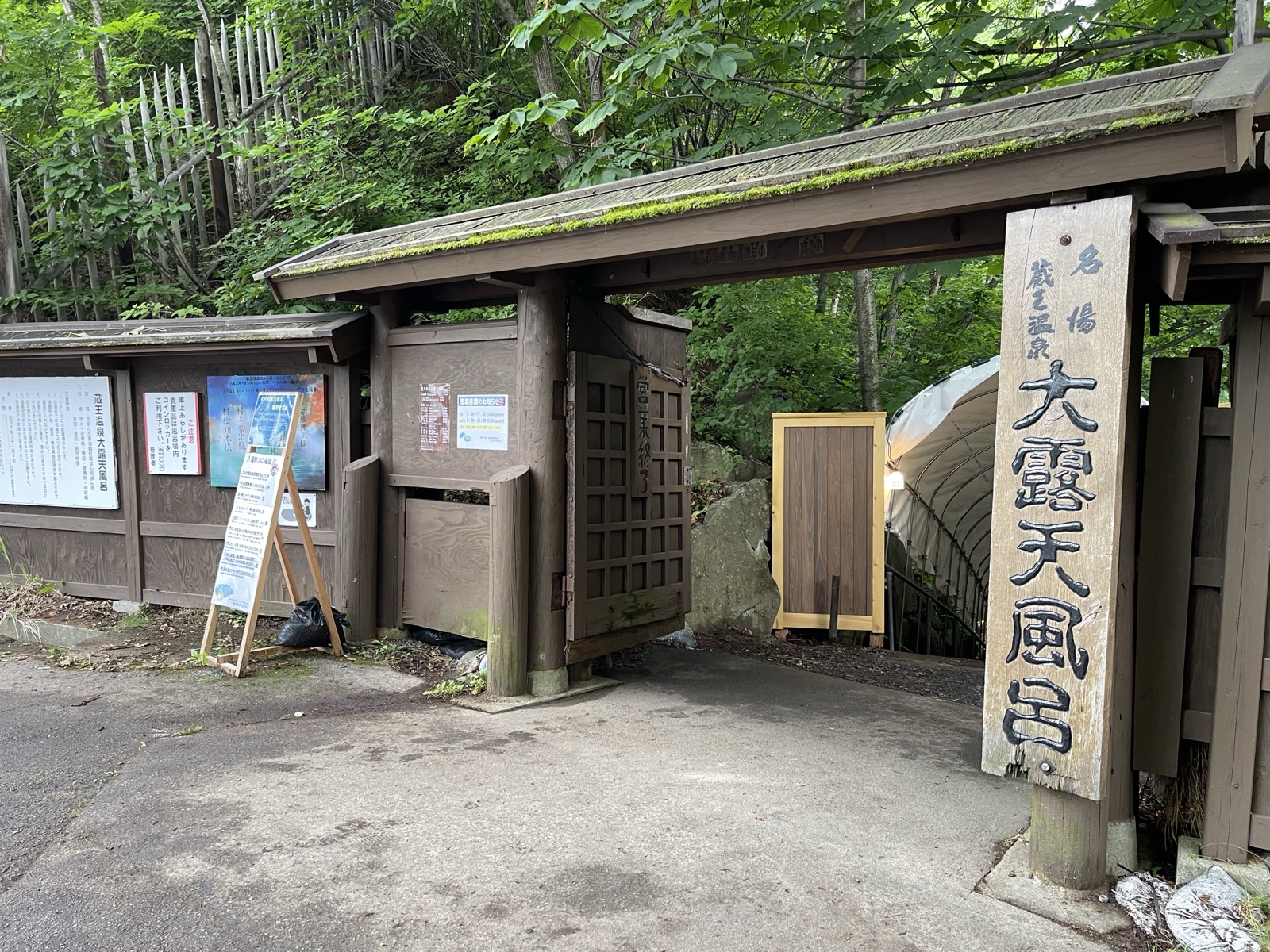
Day one started at the Daïrotenburo (large open-air bath) at Zao Onsen. Zao is a strongly acidic sulfur spring, and the bath uses the source water as it comes out. Stone tubs sit in the middle of the forest, filled with cloudy white water. Soaking in it and looking up at the sky between the trees doesn't feel like a day-trip onsen at all.
Zao's water is around pH 1 — strongly acidic, so much so that there's a faint sting on the skin. It's known as "the bath that makes you beautiful" because the acidity is hostile to bacteria. Skin felt notably smoother afterwards.
Zao Okama — the eerie crater lake
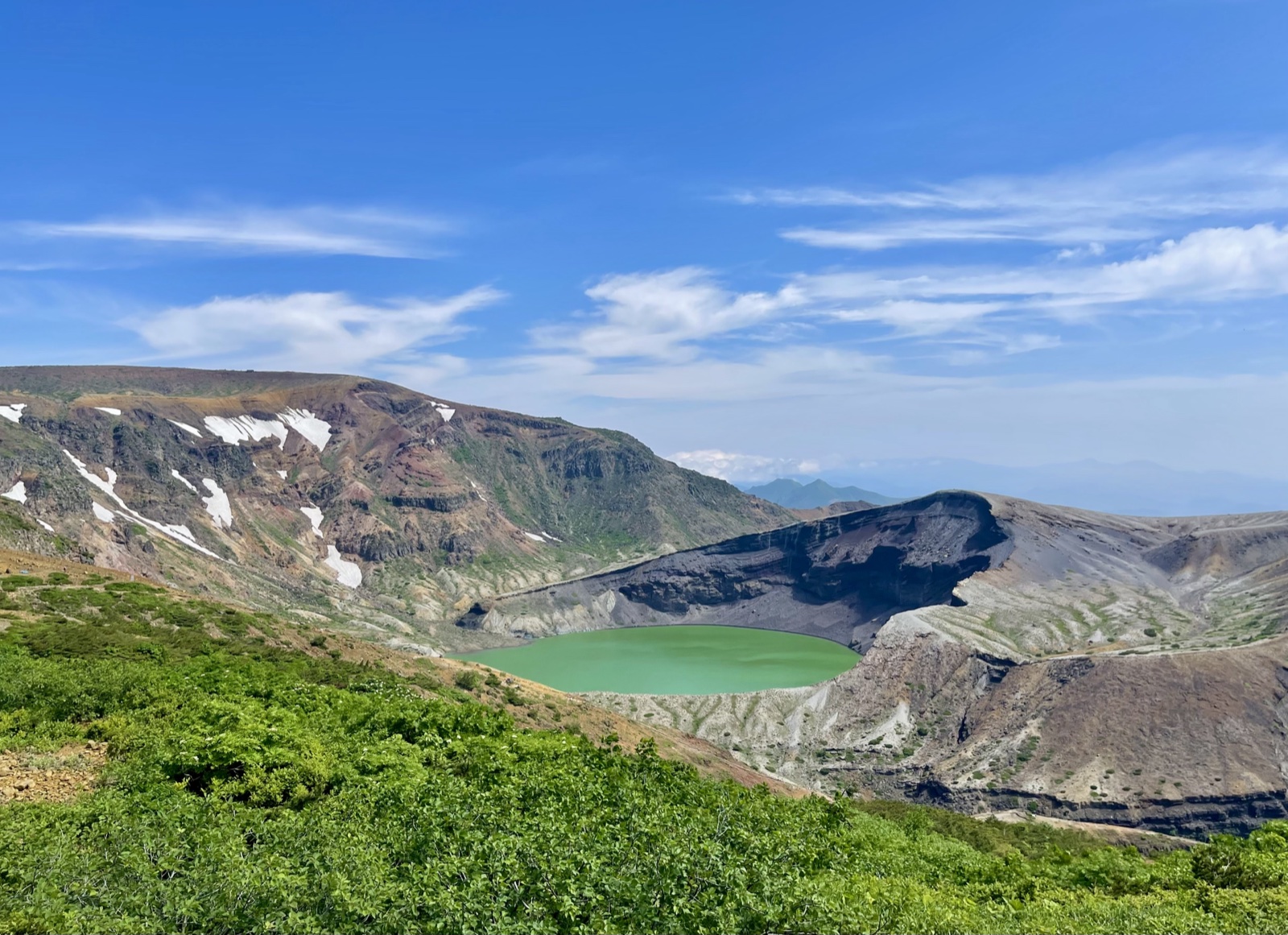
The next morning, up the Zao Echo Line to the Okama — a crater lake encircled by Karita-dake, Kumano-dake, and Goshiki-dake. Emerald-green water fills the basin. It's also called "Goshikinuma" ("five-color lake") because the color shifts with weather and light.
The day I visited was clear, with snow still in patches on the slopes. The green lake spreading out beyond the crater wall has the kind of color that registers as "this is real" the moment you see it. With acidity around pH 3.5, almost nothing lives in it — and that strangeness, oddly, is part of why the sight is so striking.
To Ginzan Onsen
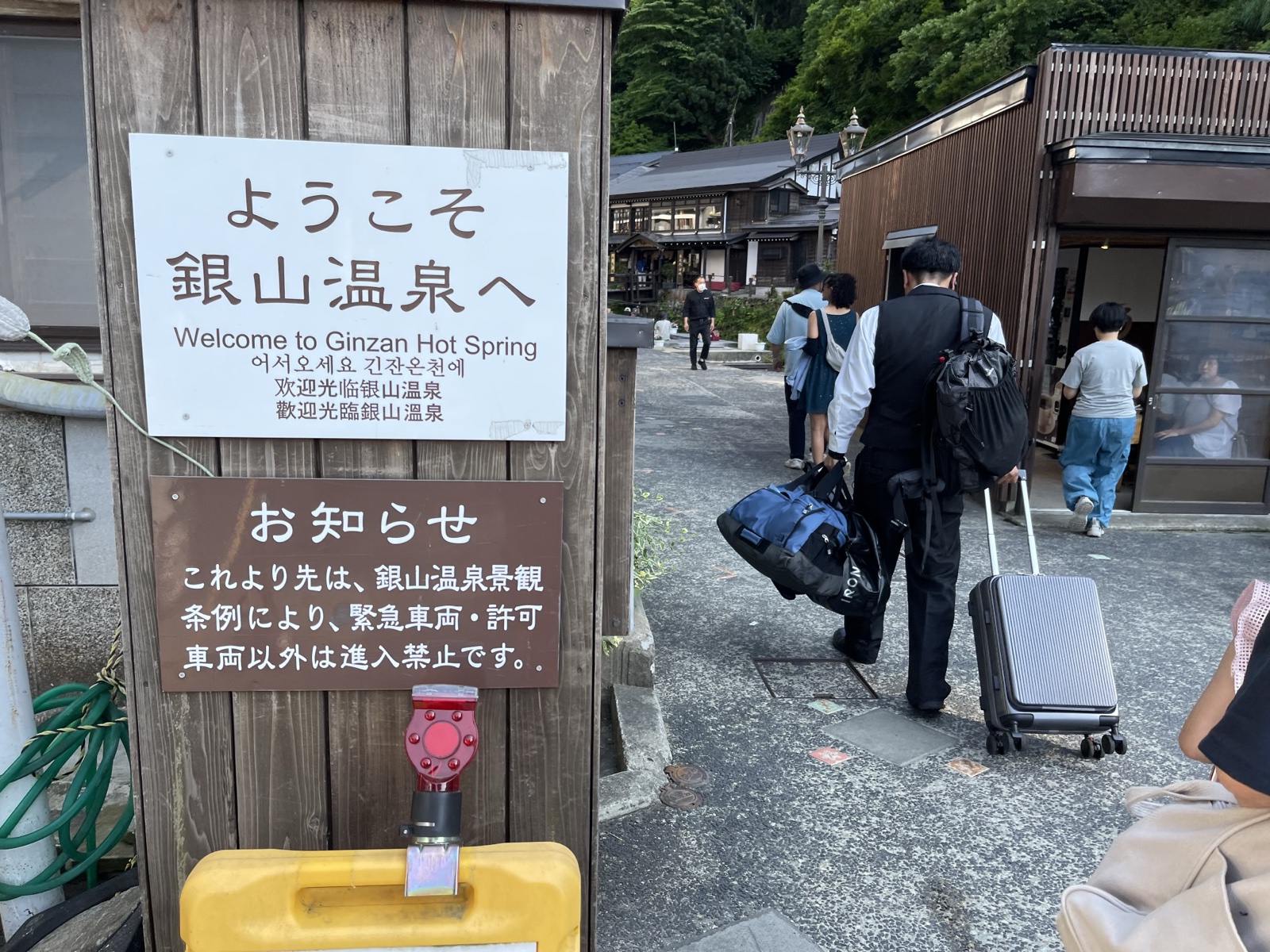
About an hour and a half by car from Okama, I arrived at Ginzan Onsen. It's a hot-spring town in Obanazawa, Yamagata, famous for the row of multi-story wooden inns from the Taishō era (1912–1926) that line both sides of the Ginzan River. To preserve the look, regular cars stop at the entrance and walk in along the river.
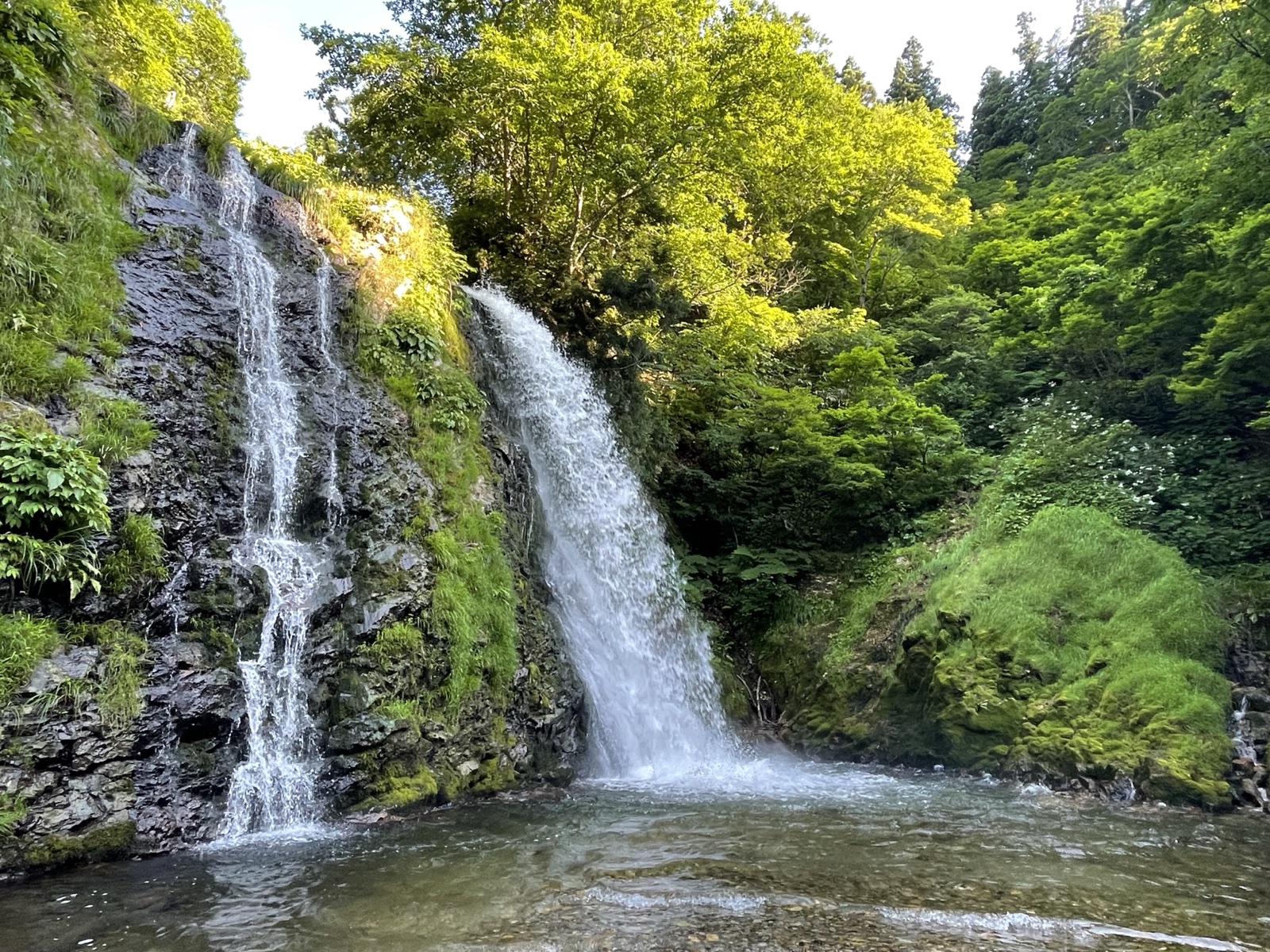
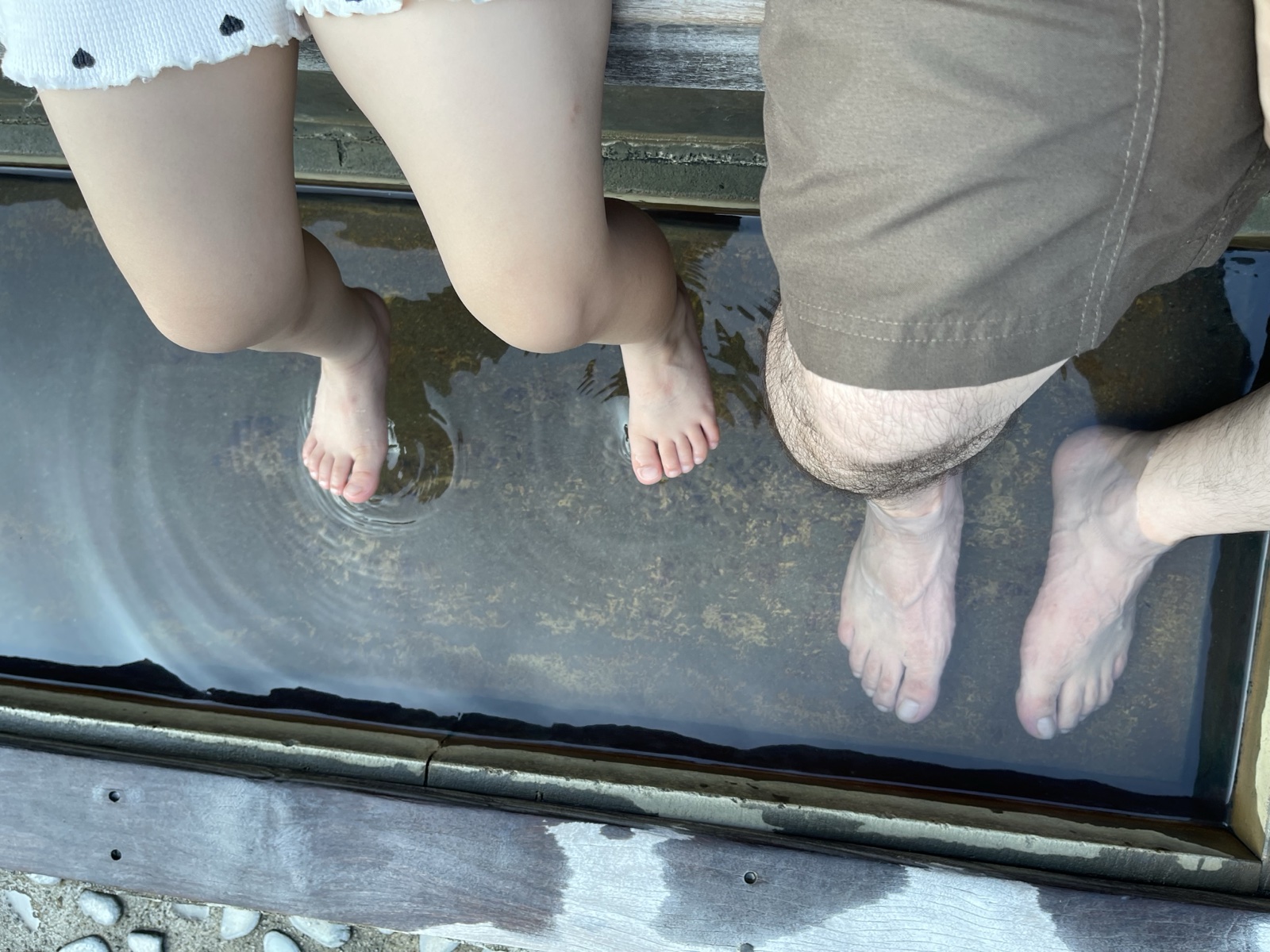
At the back of the onsen street, you reach Shirogane Falls. The waterfall thunders out of the new spring greenery, throwing off enough mist to take the heat off the springs for a moment. There's a free foot bath along the river too, and that's where I rested up my legs after walking the town.
Ginzan Onsen at night
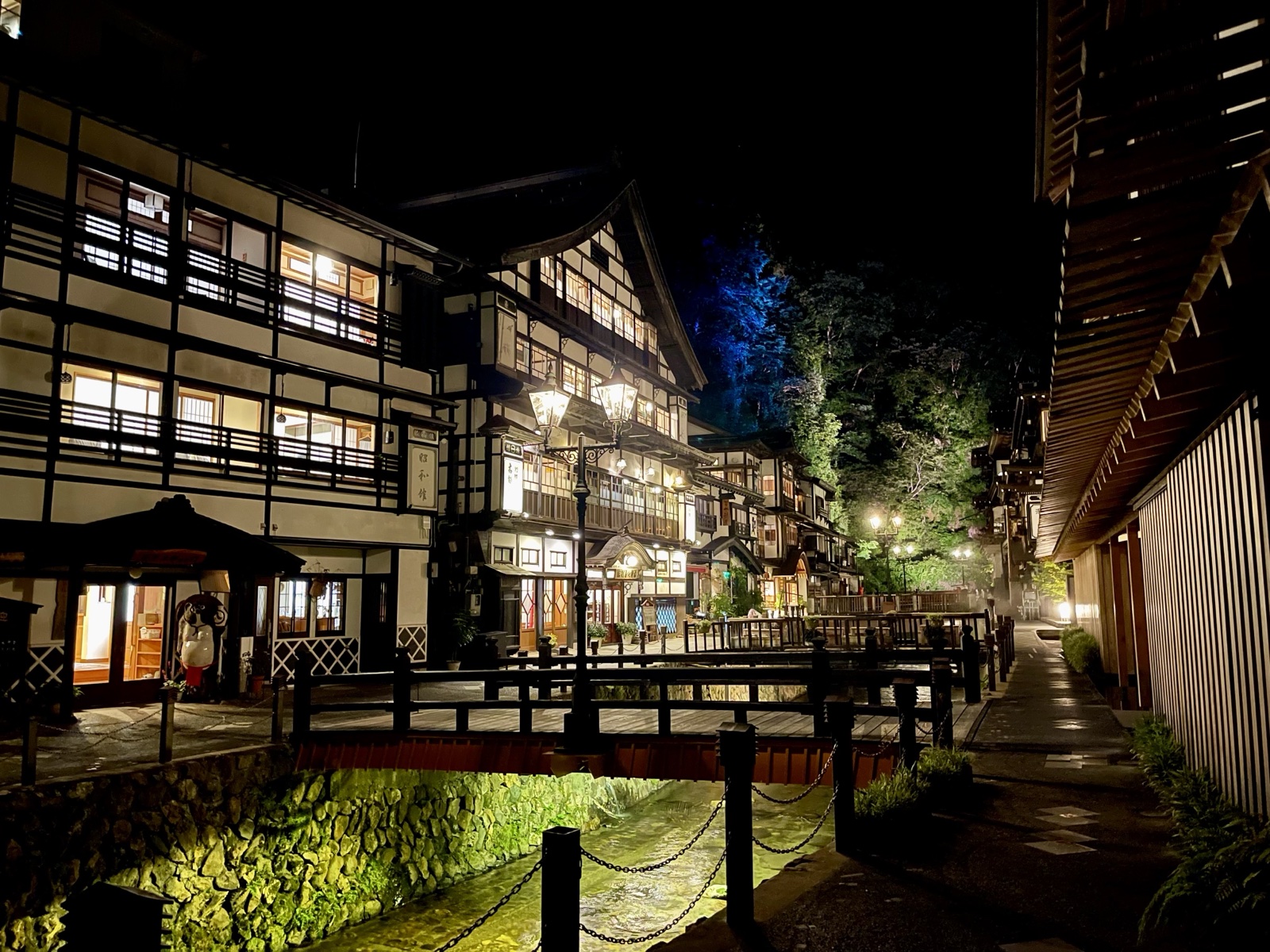
Ginzan really comes alive at night. Once the sun drops, the lamps come on and the orange glow reflects off the river. Walking past those Taishō-era wooden inns, both sides of the river, feels like stepping into the set of a film or novel. As night falls, more visitors with cameras gather, each looking for their own angle.
I'd come in expecting "probably crowded," but the night view erased that thought. The crater lake at Zao, and this hot-spring street after dark — Yamagata is a good place.
Travel guide (general info)
※ This section combines public information with the author's notes; please confirm the latest road, weather, and operating details on the official sites.
Mt. Zaō Okama and Zaō Onsen
- Okama crater lake: A crater lake at the heart of the Zaō range. About 325 m across, ~27.6 m deep, strongly acidic (pH ~3.5), with an emerald-green surface.
- "Goshiki-numa" (five-color pond): Another name for Okama — its color shifts with light angle and weather.
- Zaō Onsen: Hot spring said to date back about 1,900 years. Strongly acidic sulfur water (pH ~1.3–1.6); known as "the beauty bath."
- Zaō Echo Line: Mountain road linking Yamagata and Miyagi prefectures; typically open late April to early November (closed in winter).
Ginzan Onsen — history and townscape
- Origin: Began in the early Edo period as a healing-bath spot used by miners of the Nobesawa silver mine (early 17th century).
- Taishō roman architecture: A major flood in 1913 (Taishō 2) destroyed many inns; the rebuilds, in late Taishō through early Shōwa, produced the distinctive three- and four-story wooden multistory inns that line the river today.
- NHK morning drama "Oshin": Aired in 1983; the Notoya Ryokan in Ginzan Onsen served as the model setting, giving the hot-spring town nationwide recognition.
- Shirogane Falls: At the back of the hot-spring town, dropping about 22 m. The Shirogane Park around it is associated with a Minamoto-no-Yoritomo legend.
Access and notes
- Zaō Onsen: About 30 minutes from Yamagata-Zaō IC on the Yamagata Expressway; about 40 minutes by bus from JR Yamagata Station.
- Ginzan Onsen: About 40 minutes from Obanazawa IC on the Tōhoku Chūō Expressway; about 40 minutes by bus from JR Ōishida Station.
- Ginzan Onsen access control: General vehicles are stopped at the lot before the entrance; only guests' and authorized vehicles can enter the hot-spring street itself.
- Evening illumination: From sunset to about 10 p.m., gas-lamp-style lights line the river. In winter, the contrast with snow is especially striking.