On November 7, 2013, while still in language training, I went with a fellow volunteer to Irazú Volcano National Park.
The Volcano on Costa Rica's Coat of Arms
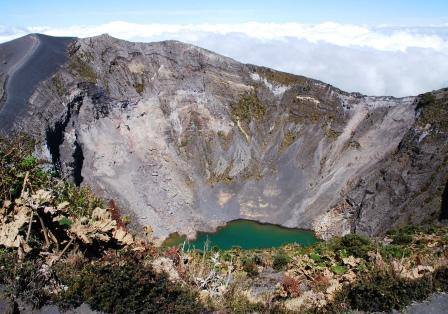
Volcán Irazú is an active volcano 3,432 meters tall in central Costa Rica, and it appears on the country's coat of arms. What tourists come to see is the emerald-green crater lake at the summit. It's in the guidebooks, and a search online turns up breathtakingly colored photos. Once you've seen those, there's no way you're not going.
From the capital San José, it's about a 2-hour bus ride. Near the summit the air thins out, and a body used to lower elevations starts to feel a slight headache.
There Was Nothing There
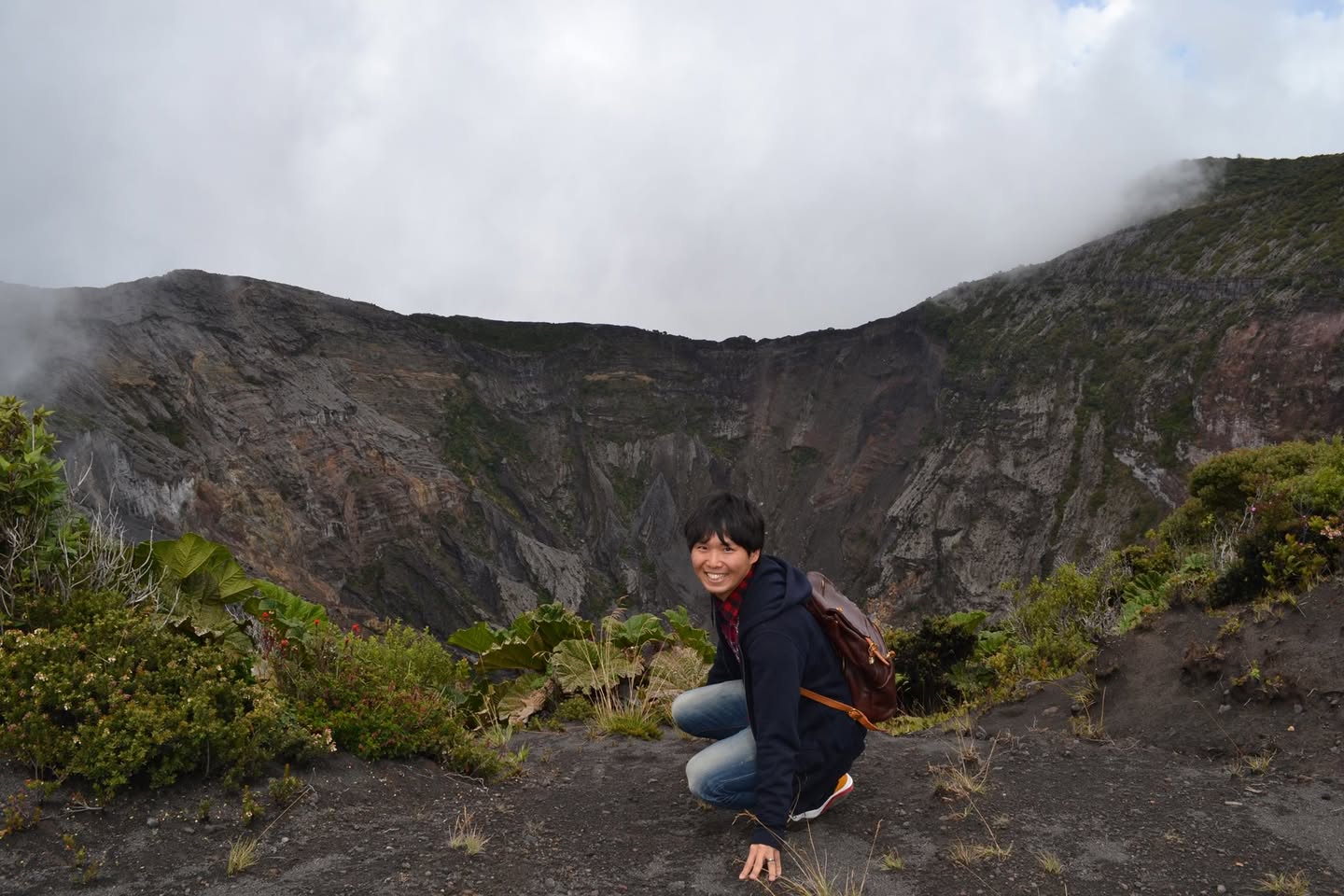
The summit was a wide-open field with the simple shape of a crater. I hurried over to peer down inside, looking for that crater lake.
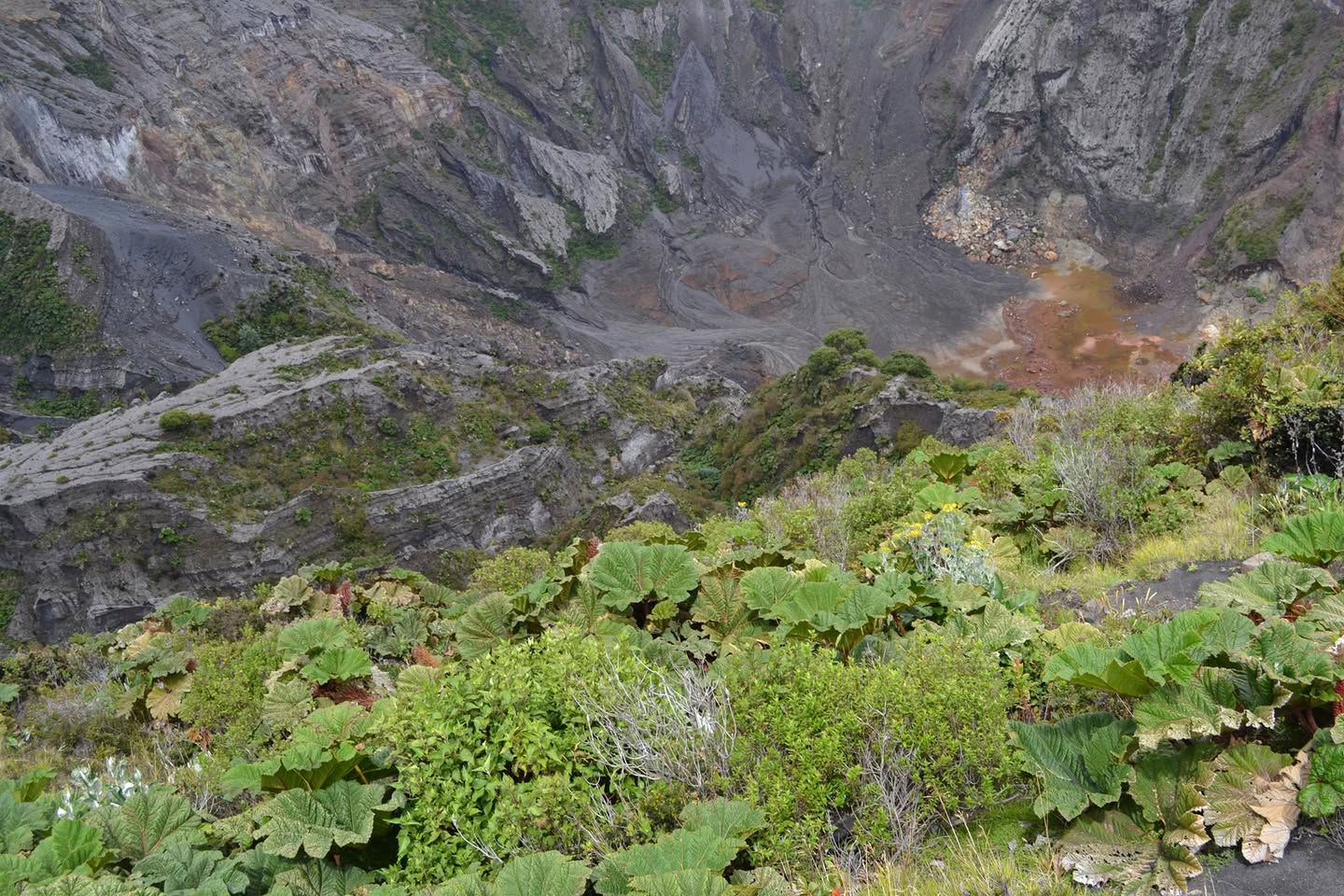
There was nothing there.
Just dry rock and a few patches of reddish-brown muddy soil. The emerald-green lake was nowhere to be seen. After two hours each way to get here, the disappointment was real.
"Probably Photoshopped"
I told a German friend I'd met on the bus, and she said:
"That photo was probably made in Photoshop."
She worked at her embassy and her Spanish was fluent. The matter-of-fact way she said it had a strange weight to it.
I told the owner of my hostel about the trip, and he had this to say:
"I've been three times and I've never seen it. Jajaja."
The fare in my Lonely Planet–style guidebook was twice the actual price too. It was a day where I felt the gap between guidebooks and reality. I didn't see the crater lake, but I did make new friends. I'll call that a fair trade.
Being able to laugh off the things you didn't see is part of traveling. The crater lake at Irazú apparently appears and disappears with cloud cover and the dry season.
Next time I'll pick the right month to go — maybe.
Travel Guide (general info)
※ This section combines public information with the author's notes; please confirm the latest fares, hours, and travel advisories on the official sites.
Irazú Volcano National Park
- Location: Cartago province, about 1.5–2 hours by car from San José. Elevation 3,432 m, the highest volcano in Costa Rica
- Crater lake: when water collects in the main crater, it forms a green-to-blue lake. Water levels vary widely with the season and volcanic activity, and the lake can be entirely absent
- Visit: from the parking lot, walking paths lead to viewpoints over the main and Diego craters; about 15–20 minutes one way
- Hours: 8:00–15:30 (last entry 14:30); may be closed Mondays. Fees vary — check in advance
Weather and timing
- Mornings are key: visibility is usually best between 9:00 and 11:00 a.m.; clouds tend to build up in the afternoon
- The dry season (Dec–Apr) is preferable; in the rainy season, fog often blocks all views
- Cold at altitude: temperatures at the summit can drop to around 10°C; bring warm layers (fleece or a light jacket)
- Volcanic gases: when activity is elevated, higher SO₂ levels can lead to access restrictions
Access
- Public transport: weekend-only direct bus from San José (San José → Cartago → Volcán Irazú). Fare varies
- Rental car: most flexible; watch out for foggy stretches that reduce visibility
- Tours: many half-day tours depart from San José; guides usually have current weather information