Early afternoon at Tomakomai West Port. Stepping off the ferry, the Hokkaido air hits you all at once. Low humidity. Wide sky. Roll the bike off the deck, fire it up, and at last it sinks in: I'm in Hokkaido.
Yoshitsune Shrine
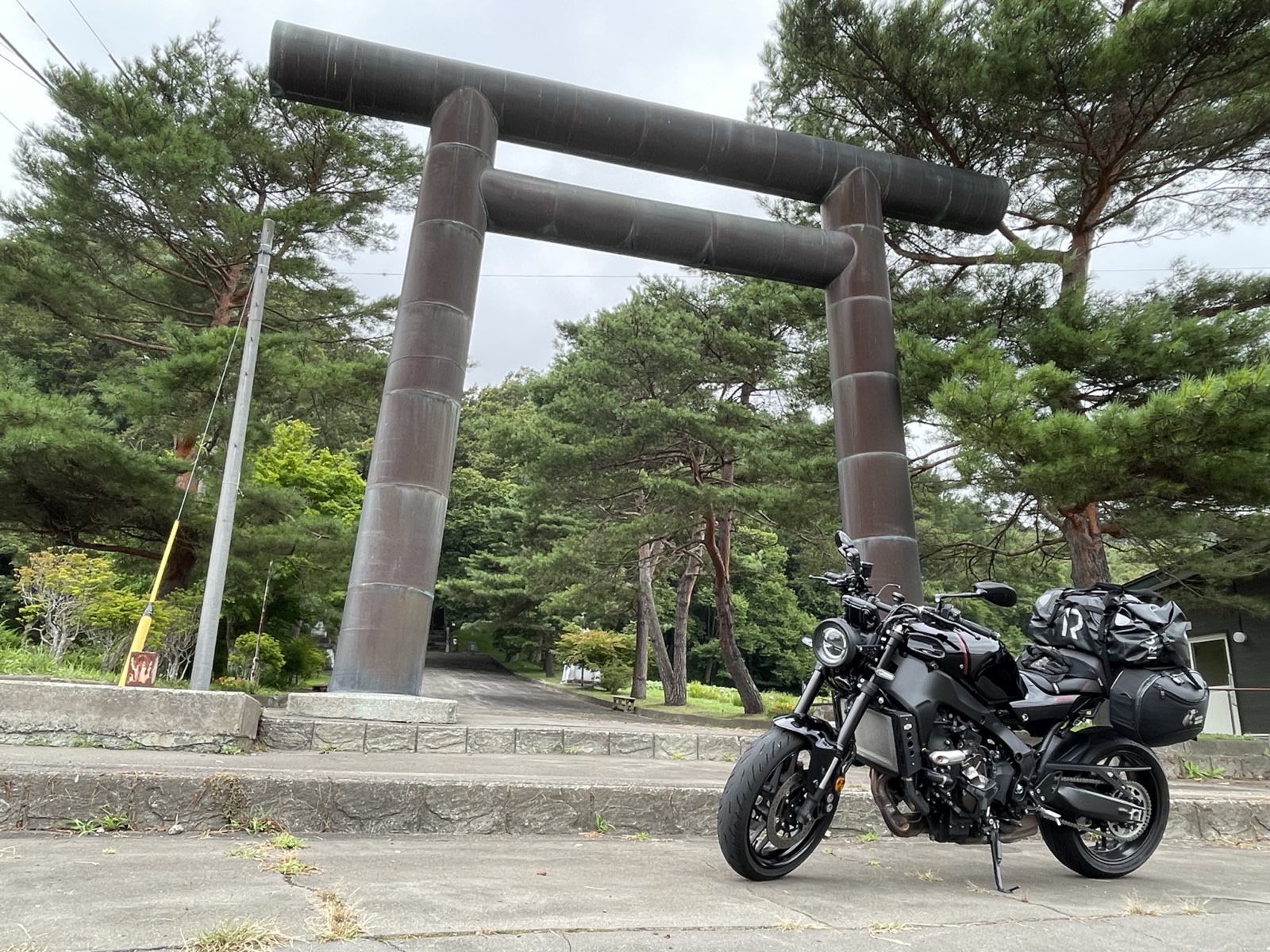
Before heading to Obihiro I stopped in Biratori. Riding along Route 237, the torii of Yoshitsune Shrine appears. There's a legend that Minamoto no Yoshitsune survived and crossed over to Ezo (Hokkaido), and a shrine dedicated to him stands in Biratori.
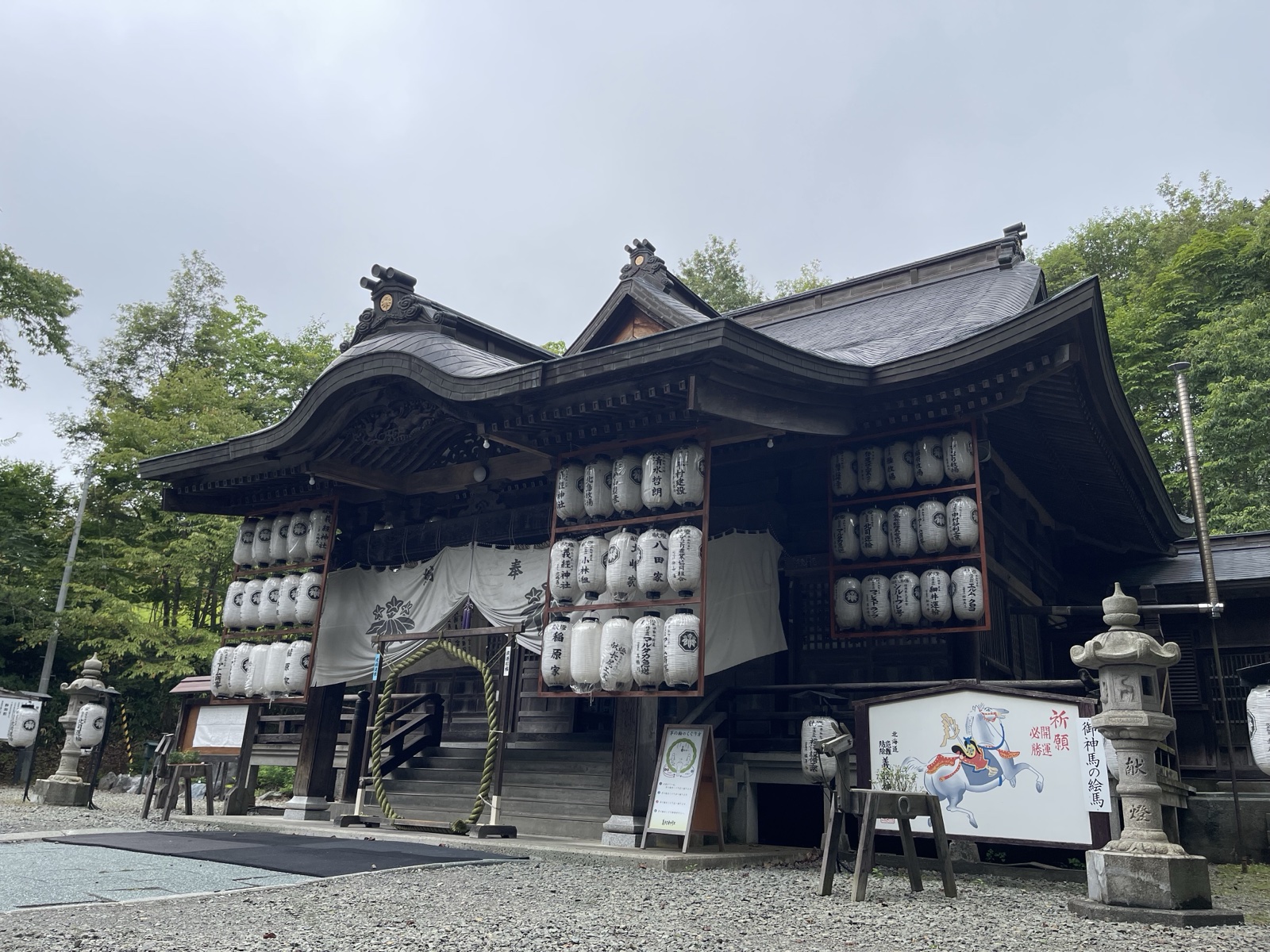
It happened to be Obon. The shrine grounds were lined with countless paper lanterns.
Biratori Town Nibutani Ainu Culture Museum
A bit further on from Yoshitsune Shrine you reach Nibutani. The Biratori Town Nibutani Ainu Culture Museum stands in this area, long known as a place where Ainu culture is preserved. Daily implements, garments, and crafts of the Ainu are on display. Different from a large national facility like Upopoy — a small, locally rooted museum with a quieter feel.
Obihiro — Tokachi Buta-don at Ippin
From Shiraoi I rode east to Obihiro. One of the goals of this Hokkaido tour was "eat a Tokachi pork bowl." Obihiro is known as the birthplace of the buta-don, and the city has a cluster of well-known shops.
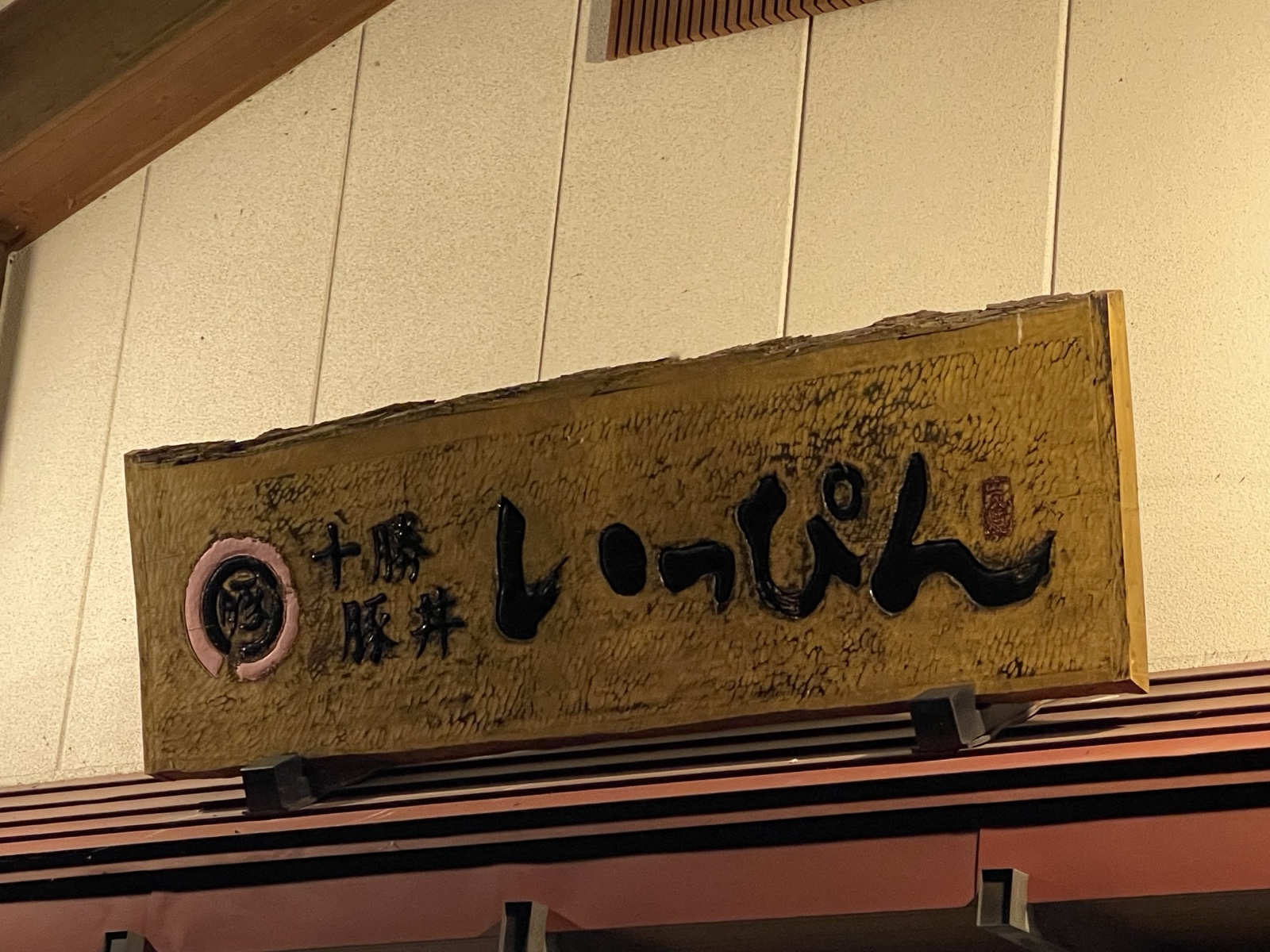
I went to Tokachi Buta-don Ippin. The signage has a heavy, old-school weight to it.
The pork bowl arrives with a sweet-savory tare clinging to charcoal-grilled pork — rice goes fast. A simple dish, but you feel: this is Hokkaido food. I would have happily gone to a second shop in Obihiro, but there's a long road ahead. Tonight's lodging is in town; tomorrow at last toward eastern Hokkaido.
Travel guide (general info)
※ This section combines public information with the author's notes; please confirm the latest fares, hours, and road conditions on the official sites.
Nibutani Ainu Culture Museum
- Location: 55 Nibutani, Biratori — a long-standing center of Ainu culture along the Saru River basin
- Exhibits: Ainu daily implements, garments, wood carvings (ita, nima), and audio displays of yukar oral epics
- Saru River basin: designated an Important Cultural Landscape of Japan as an "Ainu traditional living space" (2007)
- Nearby: Yoshitsune Shrine — a rare site that overlays the Yoshitsune legend with memories of an Ainu chief
Tokachi Buta-don (pork bowl)
- Origin: created in 1933 by the Obihiro diner Pancho — a regional dish of Tokachi
- Style: thick-cut pork loin grilled over charcoal with a soy-sugar-mirin tare, served over white rice
- Notable shops: Pancho (the original), Ippin, Hageten, Tonta — all clustered in central Obihiro
Tomakomai → Obihiro routes
- Dōō Expressway → Dōtō Expressway: Tomakomai-Higashi to Ikeda IC, about 220 km / 3 hours
- Surface roads: Routes 235 → 237 → 274, mixing coast and mountains, 4–5 hours
- Shiraoi: a good detour for "Upopoy (National Ainu Museum and Park)" — pairs well with Nibutani