Staying in hotels abroad has its own kind of difficulty, separate from the airport-to-airport leg. In Latin America, where laundry machines and dryers are not the default, a stay of a week or more brings up real problems that don't fit in guidebooks: "how do I cycle clothes," "where do I leave my valuables during the day," "how do I express thanks for service?"
This article is the follow-up to the in-flight piece (Gear ②): practical tricks for after you arrive at your hotel. Both the gear side and the etiquette side, based on what's stuck after a few long Latin American stays.
① Clothes — quick-dry, cycle 1–2 sets
The biggest space hog on a long trip is clothing, and most hotels in Latin America don't have a laundry machine you can use. Hotel laundry service exists but charges per piece — costs balloon over a week. The setup that's stuck for me: two to three sets of quick-dry underwear, T-shirt, socks — hand-wash every night in the shower. Two quick-dry T-shirts on rotation beats five cotton ones every time.
Quick-dry T — UNIQLO AIRism Cotton
UNIQLO AIRism Cotton Crew Neck T (Unisex)
Looks like a normal cotton T but built with AIRism quick-dry material on the inside layer. Hand-wash at night, hang in the room, dry by morning — this cycle just works. Sweat marks stay invisible and the deodorizing finish handles consecutive days. Two or three of these is enough for a week.
View on UNIQLO JapanQuick-dry underwear — mont-bell ZEO-LINE
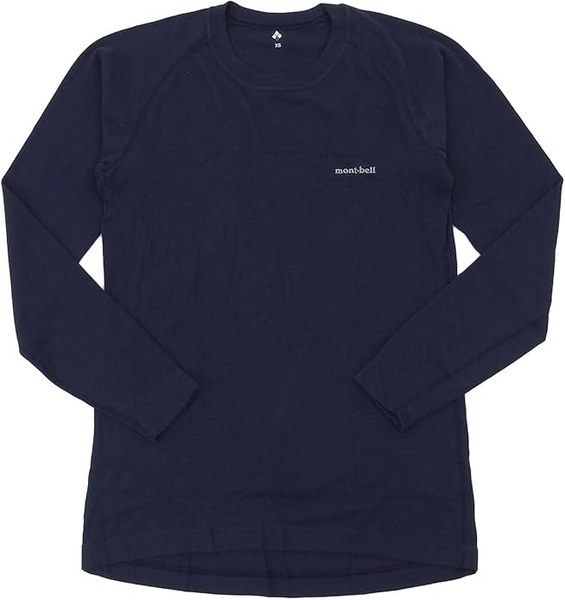
mont-bell ZEO-LINE L.W. Round-Neck Shirt / Tights
Synthetic baselayer designed for hiking, but skin feel is close to cotton. One-day wear → hand-wash at night → dry by morning works reliably. With two or three pieces you can rotate for a 7–10 day trip.
View on AmazonMerino wool socks — Smartwool
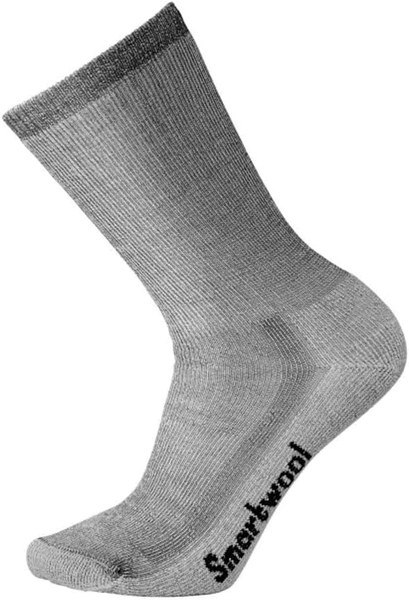
Smartwool Hiking Medium Crew (Men's)
Merino wool's natural antibacterial property means you can wear them several days in a row without smell. Cushioning helps on cobblestones and gravel. One or two pairs are enough on rotation.
View on Amazon② Tools for hand-washing
Once the clothes are sorted, the next question is how to wash them in the room. The bathroom sink is the default, but three small tools change the efficiency dramatically.
Wash bag — Scrubba
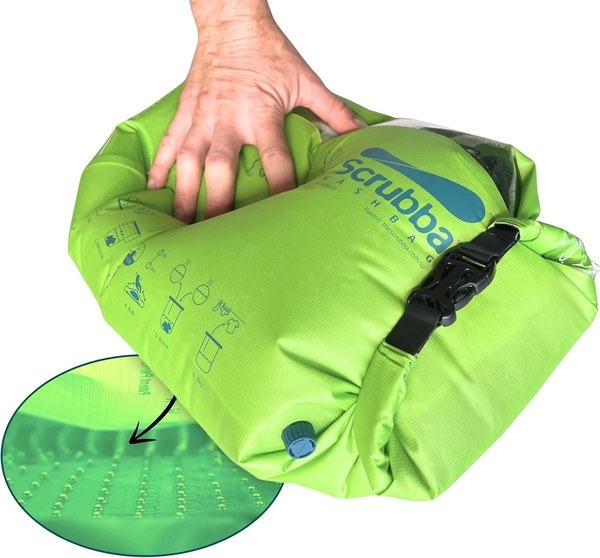
Scrubba Wash Bag
The "portable washing machine." Put clothes + water + detergent in, squeeze the air out, knead from outside. The internal washboard texture cleans faster than plain hand-wash. Works even in rooms where the sink is small or the plug doesn't seal. Folds to palm size.
View on AmazonDetergent — carry-on size
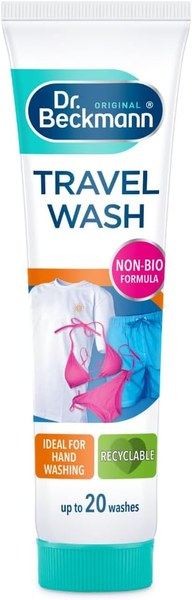
Dr. Beckmann Travel Wash Gel 100 ml
100 ml gel is carry-on safe (under the 100 ml liquid limit). Works in both soft and hard water — important in Latin America where water quality varies dramatically. Body soap or shampoo can substitute, but a clothing-specific detergent rinses cleaner.
View on AmazonClothesline — drying space inside the room
Hotels usually have only 2–3 hangers, so finding drying space is the real bottleneck. A travel clothesline solves this in one shot.
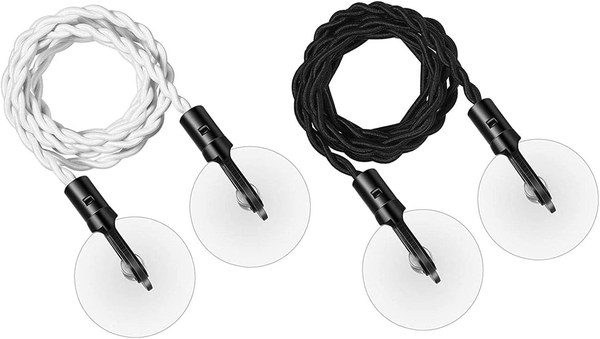
Travel Retractable Clothesline (suction + hook, 2-pack)
Stick the suction cups to bathroom tiles or hook the clips around furniture. Two lines diagonally across a room means clothes don't overlap and dry faster. Around ¥1,000 for a pair.
View on AmazonQuick-dry towel — microfiber
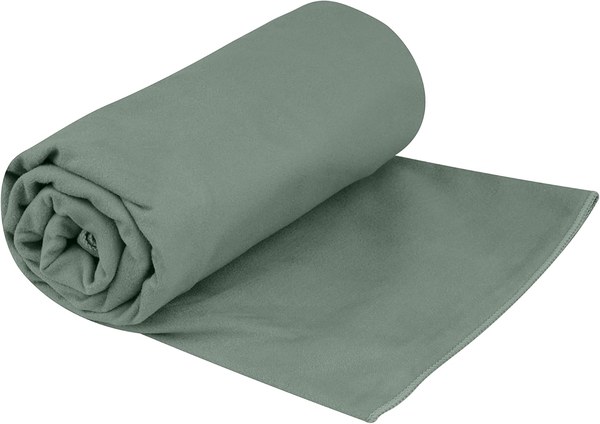
Sea to Summit DryLite Towel (S, antimicrobial)
Roll your washed T-shirt inside it and squeeze — pulls out half the water and shortens drying time. The towel itself dries in hours, useful for daily showers and pool/onsen use.
View on AmazonFolding hangers
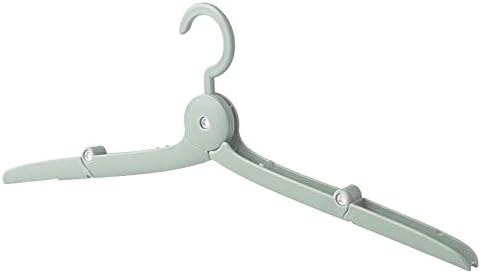
Folding Hangers (3-pack)
Adding three more hangers literally doubles what you can hang on a wash day. Folds away when not in use.
View on Amazon③ Hot water — collapsible electric kettle
Many hotel rooms in Latin America don't come with an electric kettle. The "small kettle by the bed" that's standard in Japanese business hotels turns out to be missing here, and that quietly cuts off all the small habits that need hot water — instant noodles, coffee, soup, dissolving powdered medicine. Eating out every meal gets exhausting, and a single cup of tea before bed is sometimes the difference between "this room is OK" and "this room is just a place to sleep."
The fix is a collapsible silicone electric kettle. Folds flat like a pancake when not in use, pulls open into a kettle when you need it. Slides into a corner of the suitcase — a small "glad I brought it" item for long stays.
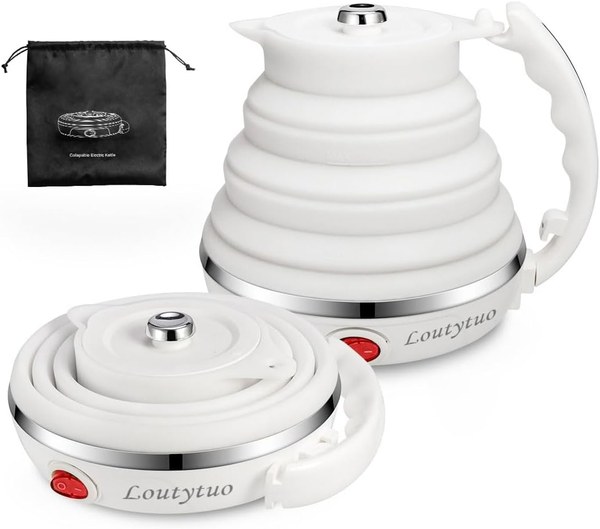
Loutytuo Collapsible Silicone Electric Kettle
Folds flat when not in use, expands to a full kettle when needed. 600 ml is enough for 1–2 cups of coffee or one cup-noodle. 100-240 V global voltage, so it works almost anywhere (a region-appropriate plug adapter is still required separately). Comes with a storage pouch.
⚠️ Carry-on or checked? Silicone makes it crush-resistant, so checked is fine; wrapping in clothing is wise. No internal lithium battery (mains-powered only), so it's not subject to lithium-battery regulations.
View on Amazon💡 Why a kettle matters
On long stays, having "a tiny kitchen in the hotel room" changes how the room feels. A bowl of instant soup at night, instant coffee in the morning, hot water for medicine — small things that turn a hotel stay into something closer to living.
④ Security — bring multiple TSA locks
When you leave the room with valuables behind, the suitcase's built-in lock alone is not enough. Suitcase zippers can be opened with a ballpoint pen — there are countless YouTube demos. An extra TSA-approved lock through the zipper adds a real barrier.
"TSA-approved" means US Transportation Security Administration certified — if your bag is opened for inspection at a US-routed airport, the staff can use a master key instead of cutting the lock. If your itinerary touches the US, TSA-approved is mandatory.
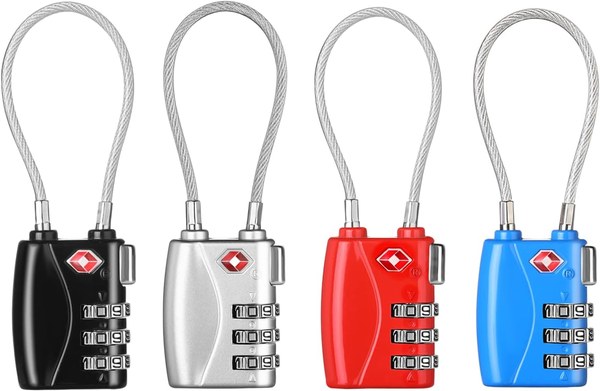
ZHEGE TSA-Approved Padlock, Cable Type, 4-Digit
4-digit gives 10× the combinations of 3-digit and is the realistic minimum. Cable type lets one lock secure both zipper pulls of a suitcase. Buy a few and spread them across suitcases, backpacks, hotel lockers.
View on Amazon💡 How to think about locks
Truly valuable items (passport, cash, laptop) go in the hotel safe. TSA locks are a layer for items too bulky for the safe — making opportunistic theft hard with minimal effort. They won't stop a professional, but they stop most casual situations.
⑤ Tipping — "appropriate amount" is mutually peaceful
On a long stay, the same cleaning staff comes in and out of your room every day. They know where your stuff is and what's locked. The Japanese-traveler instinct of "no tip needed, or small is fine" is, in Latin American context, quietly rude — and quietly raises risk.
In many Latin American countries, hotel cleaning wages are not high, and tips are part of the income equation. Not tipping (or tipping below norm) doesn't just mark you as a foreigner who didn't learn the rules — it signals "this person isn't paying attention." Over a multi-day stay, that signal matters.
That signal even slightly raises the temperature on "if something goes missing from this room, would anyone really notice?" If under-tipping can heighten resentment that might tip toward theft, then paying the fair value of the service from the start is the more peaceful choice for both sides.
Latin America rough rates (2026)
- Hotel cleaning: USD 1–2 per night (Mexico ~20–40 pesos, Costa Rica ~500–1,000 colones). Leave it on the pillow or desk with a small note so it's clearly "for you"
- Restaurants: 10–15% of the bill if no service charge included. On card, write the amount in the tip line, or leave cash separately
- Taxis: ride-share apps usually no tip; street taxis, leave the small change
- Bellboys / porters: USD 1–2 per bag
- Guides / drivers: USD 5–10 for half day, USD 10–20 for full day
Use foreign-ministry travel pages and local tourism boards for ground truth. A few hundred yen on the giver's side reads as "this person sees me" on the receiver's side.
💡 Bring small bills
Carry at least 20 USD 1-bills (or local small bills) for tipping. Airport exchange counters usually can't supply small bills, so get them from a bank before leaving. USD cash is widely usable in Latin America as backup currency too.
⑥ Small habits during the stay
- Take a hand soap from the room — Latin American restaurants and cafes often don't have soap. Pocket one of the hotel spares
- Refill your water bottle in the lobby every morning — many hotels have a water dispenser. Saves money and plastic
- "Do Not Disturb" — yes or no: yes = state of room preserved; no = towels, water, paper get refreshed. Every third day is a good rhythm for long stays
- Shoes by the bed at night — for emergencies (earthquake, fire, theft). In the seismic Latin American belt, this matters
Wrap-up
Long stays come down to three things: cycling clothes, protecting valuables, and being a good neighbor. Quick-dry kit + Scrubba + clothesline → two weeks without a washing machine. TSA locks → less anxiety about the room. Fair tipping → cleaning staff become quiet partners watching over your room.
Both gear and etiquette have to land for "comfortable hotel stay" to actually mean comfortable.
Travel is sold as "destinations," but on long trips most of the time is movement and lodging. Gear ① is before the engine starts; ② is in the air; this ④ is what happens after you check in. May this make someone's long trip a little lighter.