Off Ometepe Island on the 6 a.m. ferry. Next stop: Granada.
One of Central America's oldest colonial cities
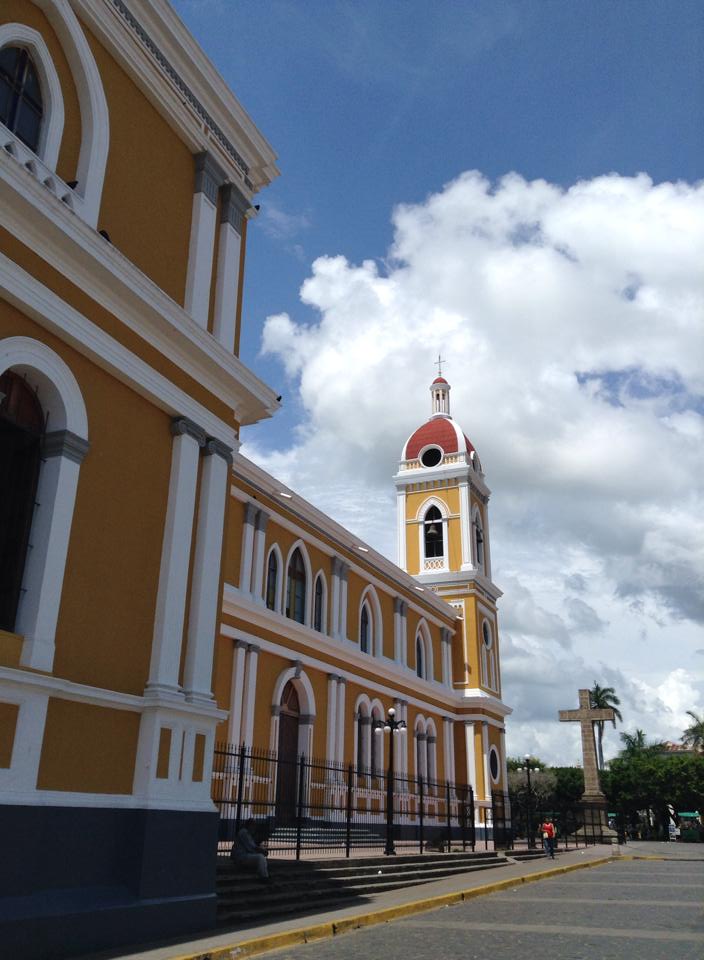
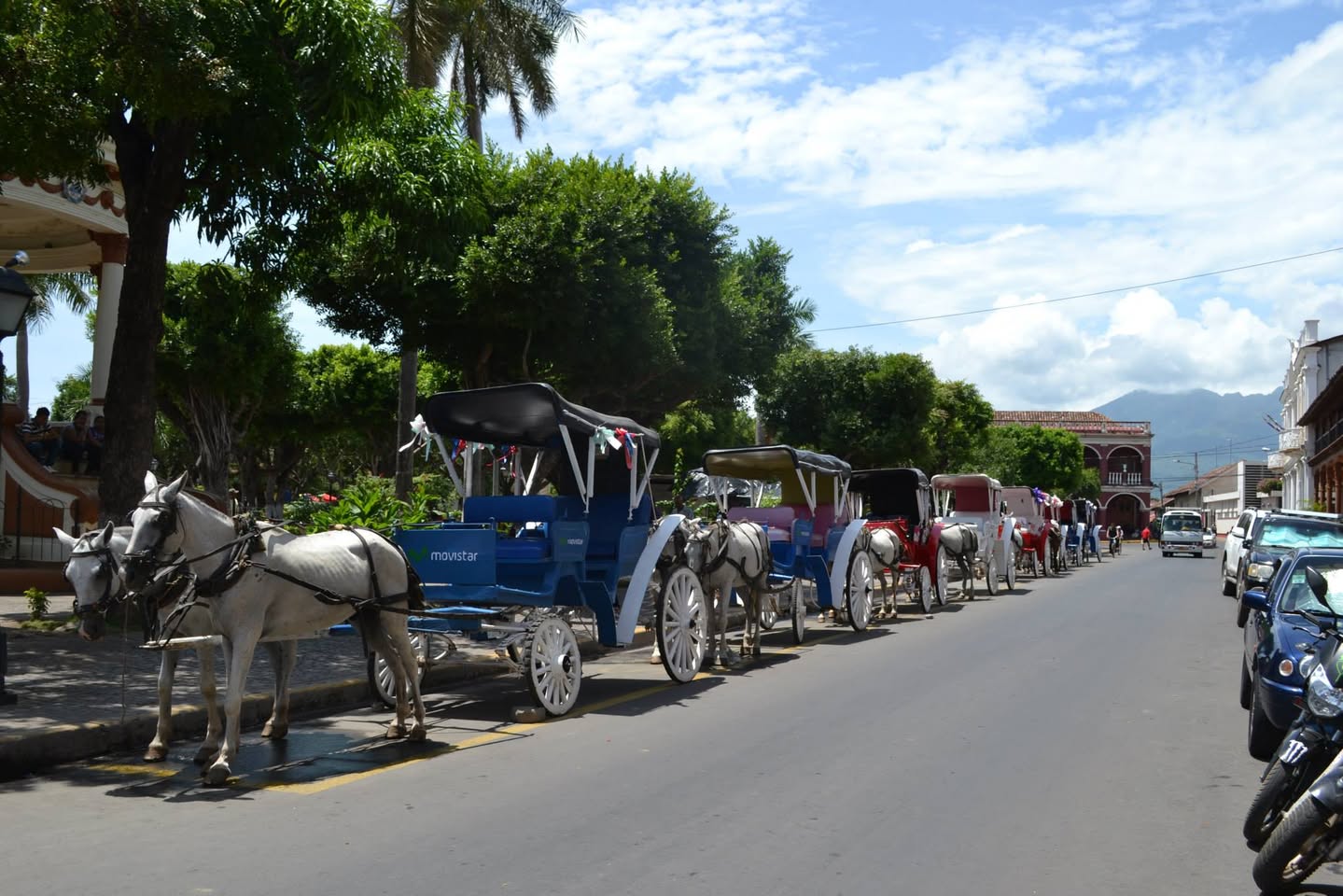
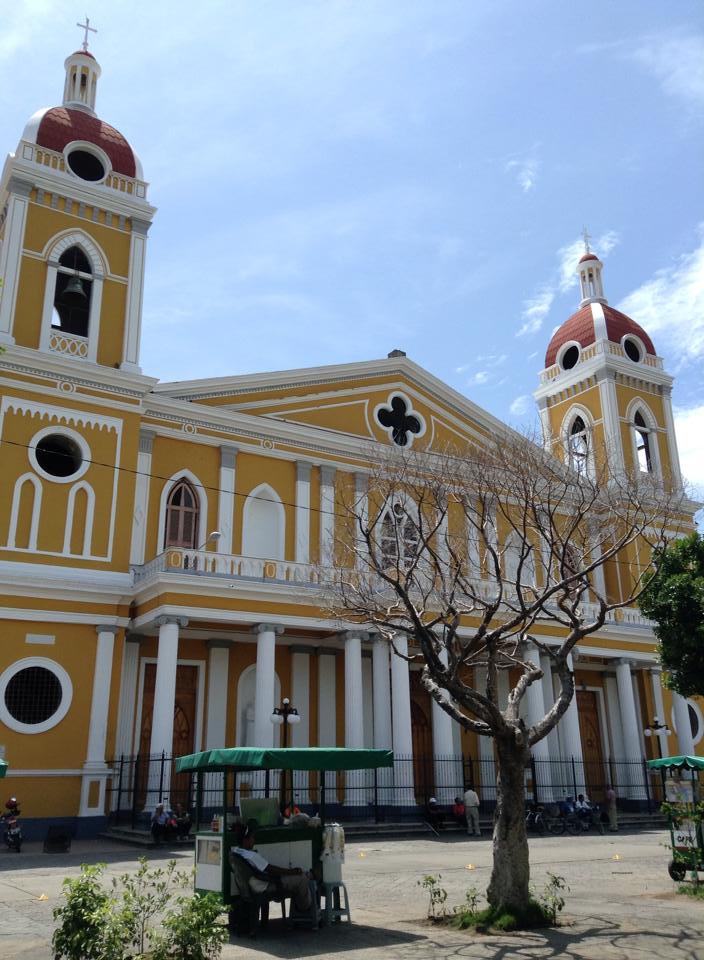
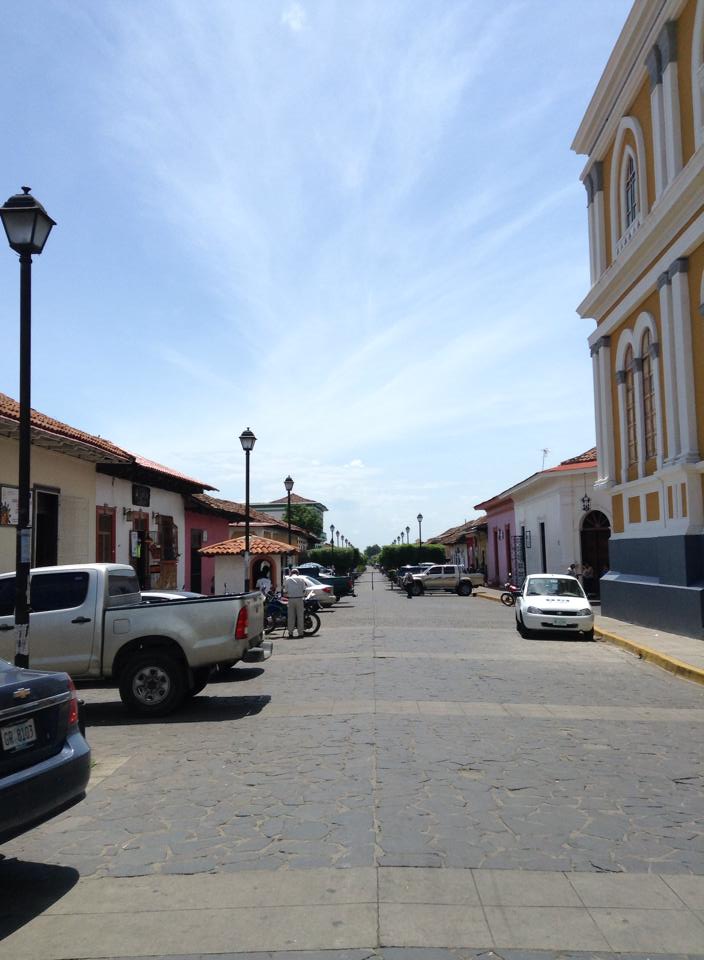
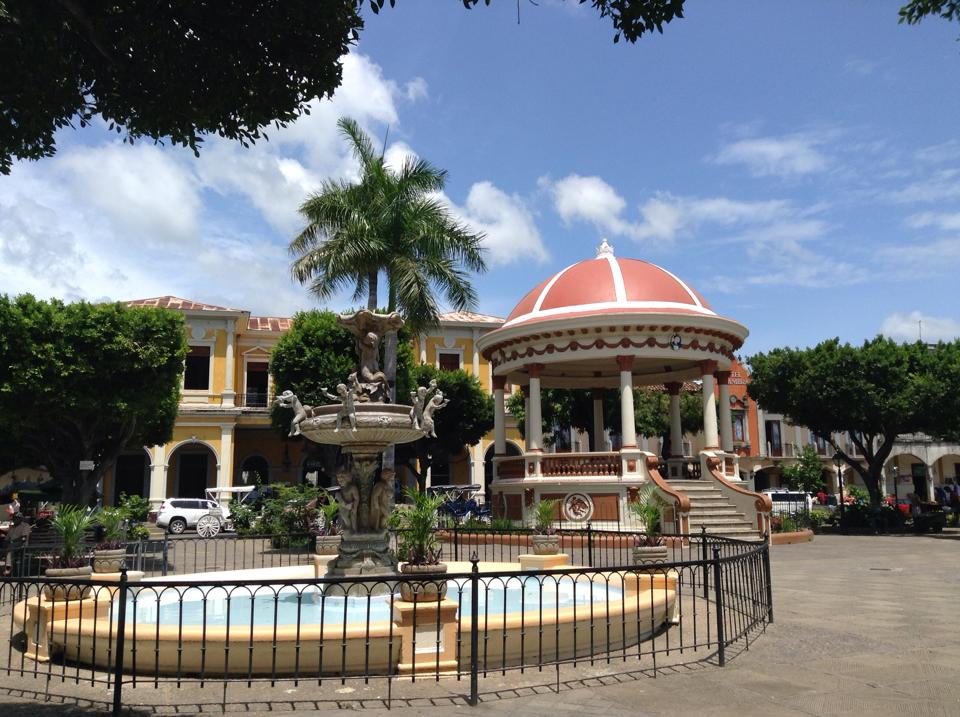
Granada is one of the top tourist towns in Central America, with plenty of churches and buildings still standing from the Spanish colonial period. The yellow-and-white cathedral sits proudly next to the central park, and a row of horse-drawn carriages (around US$10 and up — negotiable) waits in front. Climbing on for a slow loop around town is a fine way to see the place.
Convento San Francisco
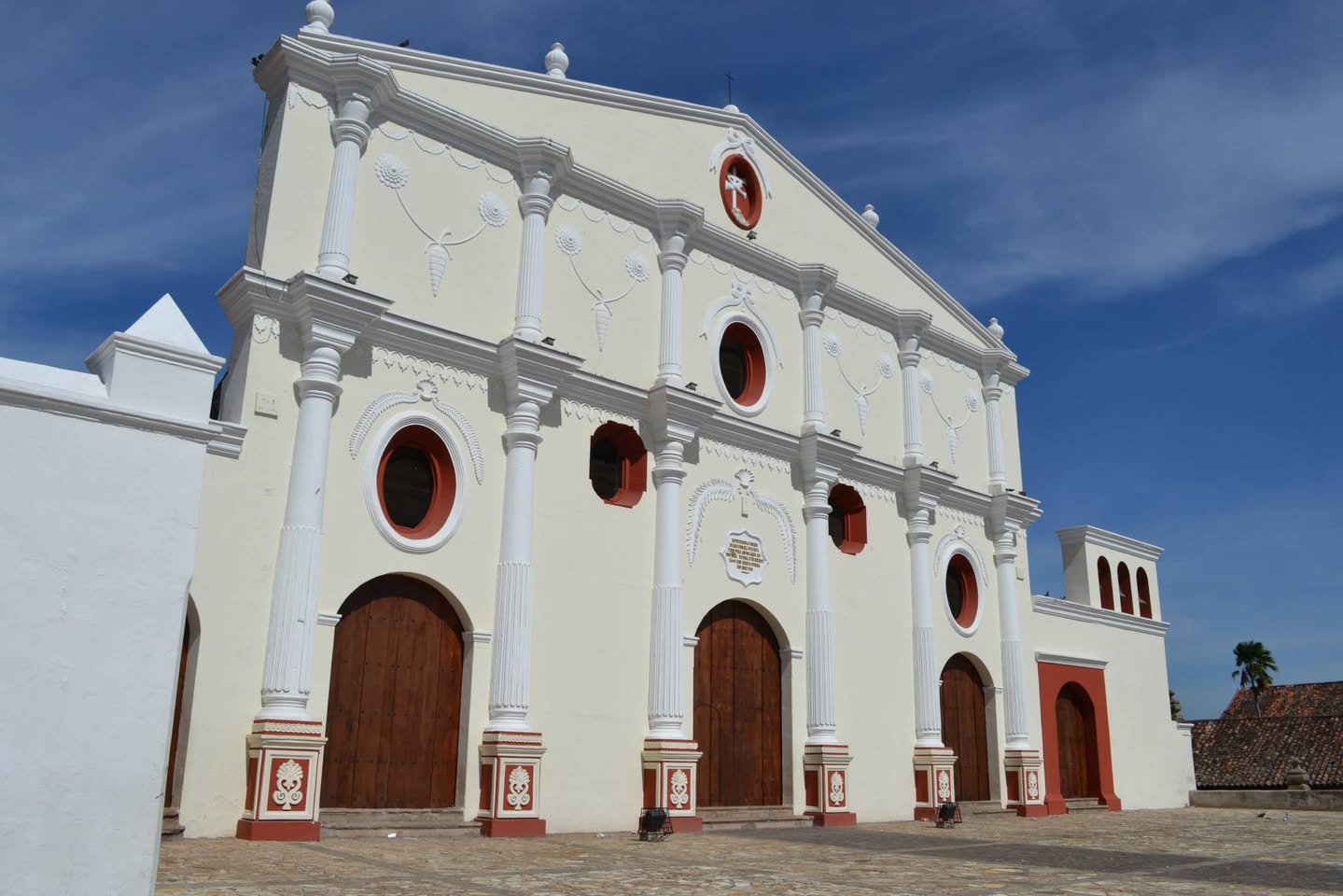
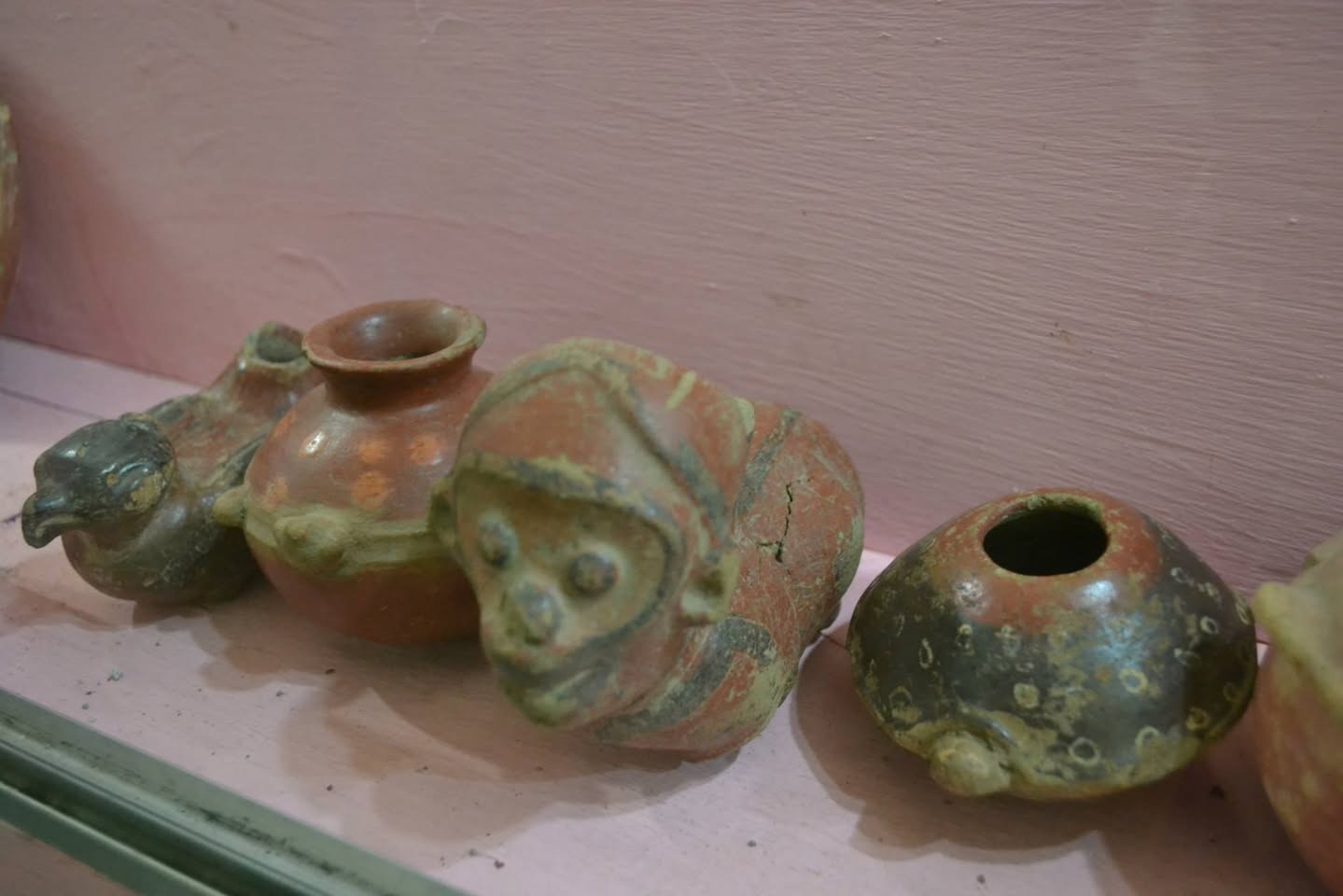
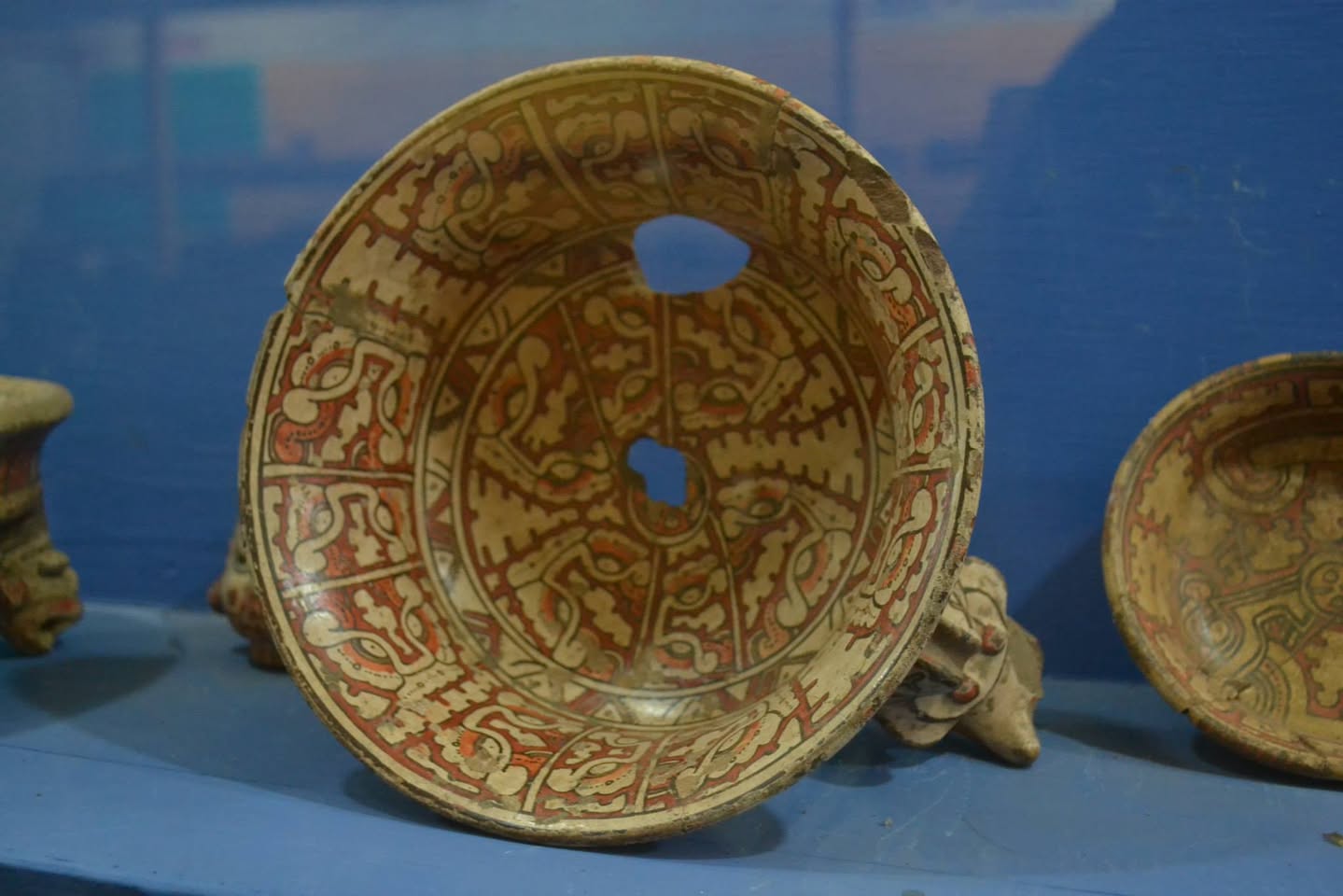
Walking through town you'll come across the Convento San Francisco — a 16th-century convent now turned museum. It displays pre-Columbian pottery and ornaments dug up around Granada and on Zapatera Island in Lake Cocibolca.
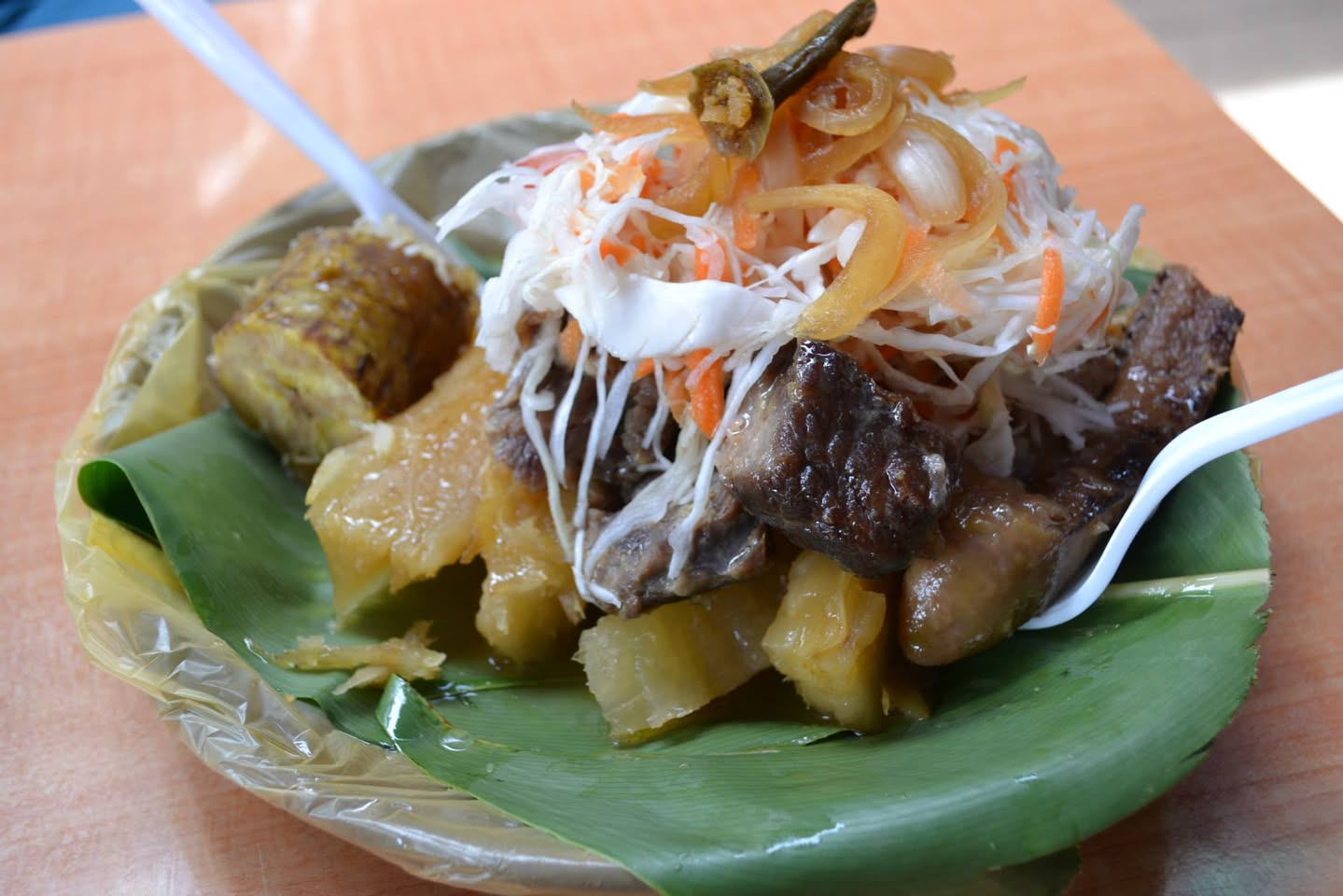
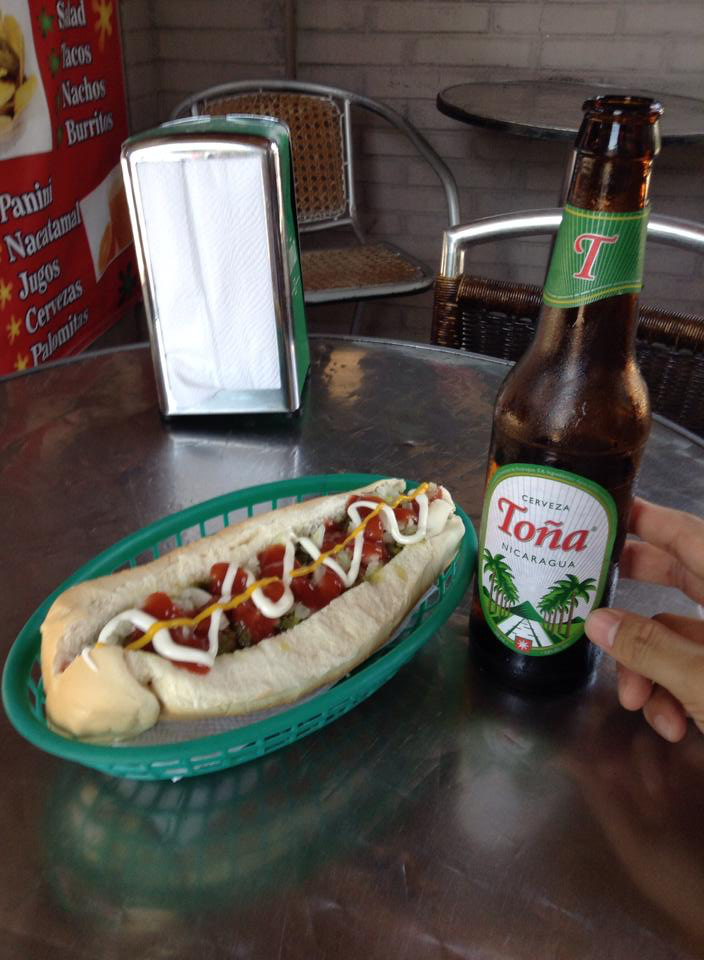
Vigorón and Toña
Walk through the streets and you'll see local food everywhere. Granada's signature dish is vigorón — yuca, chicharrón (fried pork rind), and a cabbage salsa, served on a banana leaf. Cheap and filling. The local beer Toña is also cheap, and good.
Soy Nica — worth coming to Nicaragua just for this shop
The best find in Granada was a leather shop called Soy Nica. Wallets, belts, bags — all at prices you'd never see in Japan, and the quality isn't bad. Honestly, I think this one shop alone is reason enough to come to Nicaragua.
Granada is set up for tourists — relatively easy and safe to walk around by Nicaraguan standards.
If you like leather goods, this is a town you should not skip.
Travel guide (general info)
※ This section combines public information with the author's notes; please confirm the latest entry, safety, and operating details on the official sites.
Granada, Central America's oldest colonial city
- Founded in 1524 by Hernández de Córdoba — one of the oldest Spanish colonial cities on the Central American mainland.
- Sitting on the northwest shore of Lake Nicaragua (Lake Cocibolca), one of the largest freshwater lakes in the world, it thrived as a port connecting to the Atlantic via the lake.
- Sacked by pirates (including Henry Morgan) in the 17th century and burned by the American filibuster William Walker in 1856; the city has been rebuilt many times.
Main sights
- Granada Cathedral: the yellow-and-white facade is the city's emblem. Climb the tower for views over the rooftops to Mombacho Volcano.
- Convento San Francisco: founded in 1529, one of the oldest convents in Central America. Its pre-Columbian stone-statue collection (from Zapatera Island) is among the region's finest.
- Calle La Calzada: the pedestrian-friendly main street running from the cathedral to the lakeshore, lined with restaurants, bars, and craft shops.
- Las Isletas: an archipelago of 365 small islands in Lake Cocibolca, formed by an eruption of Mombacho. Best explored by boat tour.
Access, safety, practical info
- About 45 km / one hour by car from Managua International Airport (MGA). Easy access by shared shuttle or long-distance bus.
- Currency: Nicaraguan córdoba (NIO). US dollars are widely accepted in tourist areas, but córdobas are standard at street stalls and local markets.
- Since the 2018 social unrest, demonstrations occasionally occur. Check the latest situation on your government's travel advisory before departure.
- Local specialties: vigorón (yuca with chicharrón and cabbage salad) and the local beer Toña. Leather brand Soy Nica is along the main street.
References
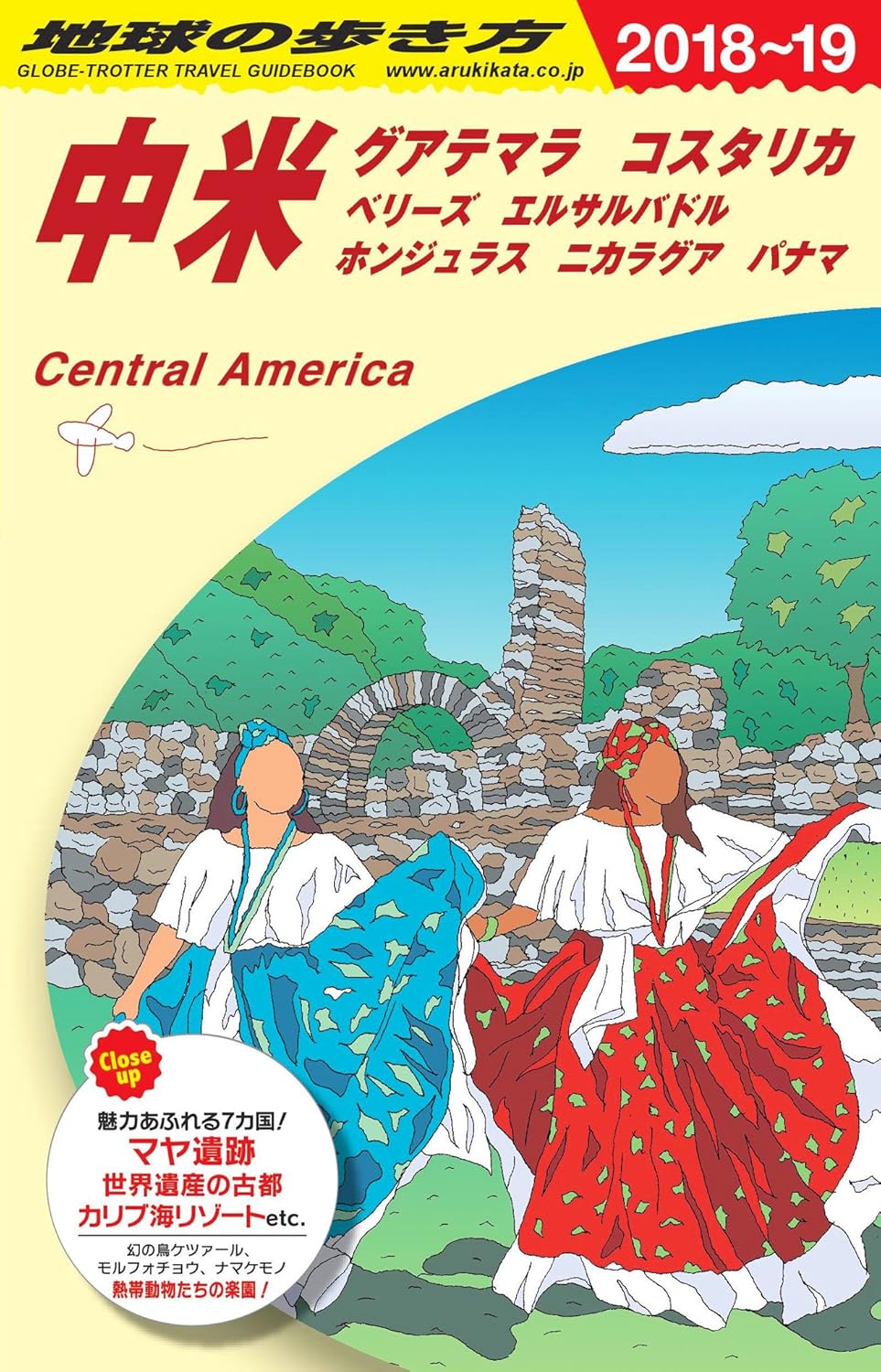
All of Nicaragua and Central America in one book — the Globe-Trotter Travel Guidebook: Central America covers Guatemala, Belize, El Salvador, Honduras, Nicaragua, Costa Rica, and Panama. A go-to Japanese-language guidebook for the region.