When you're learning Spanish, picking a dictionary actually matters more than you'd think. From actually using each kind day-to-day in Central America, here are three things to weigh.
- Can you find the word you want quickly?
- Can you take it out in front of people without worry?
- Can you carry it around easily?
Electronic dictionary — the safety problem
At language schools, plenty of Japanese learners bring electronic dictionaries. Multiple dictionaries in one device, very portable. But given the safety situation in Latin America, you can't easily take it out on the street — that's a fatal drawback.
Pulling out an expensive electronic device in public raises your risk of pickpocketing or robbery. San José in Costa Rica, Managua in Nicaragua — those especially require care. On a cost-vs-usefulness basis, electronic dictionaries are hard to use in country.
Paper dictionary — high reliability
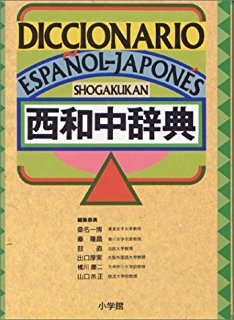
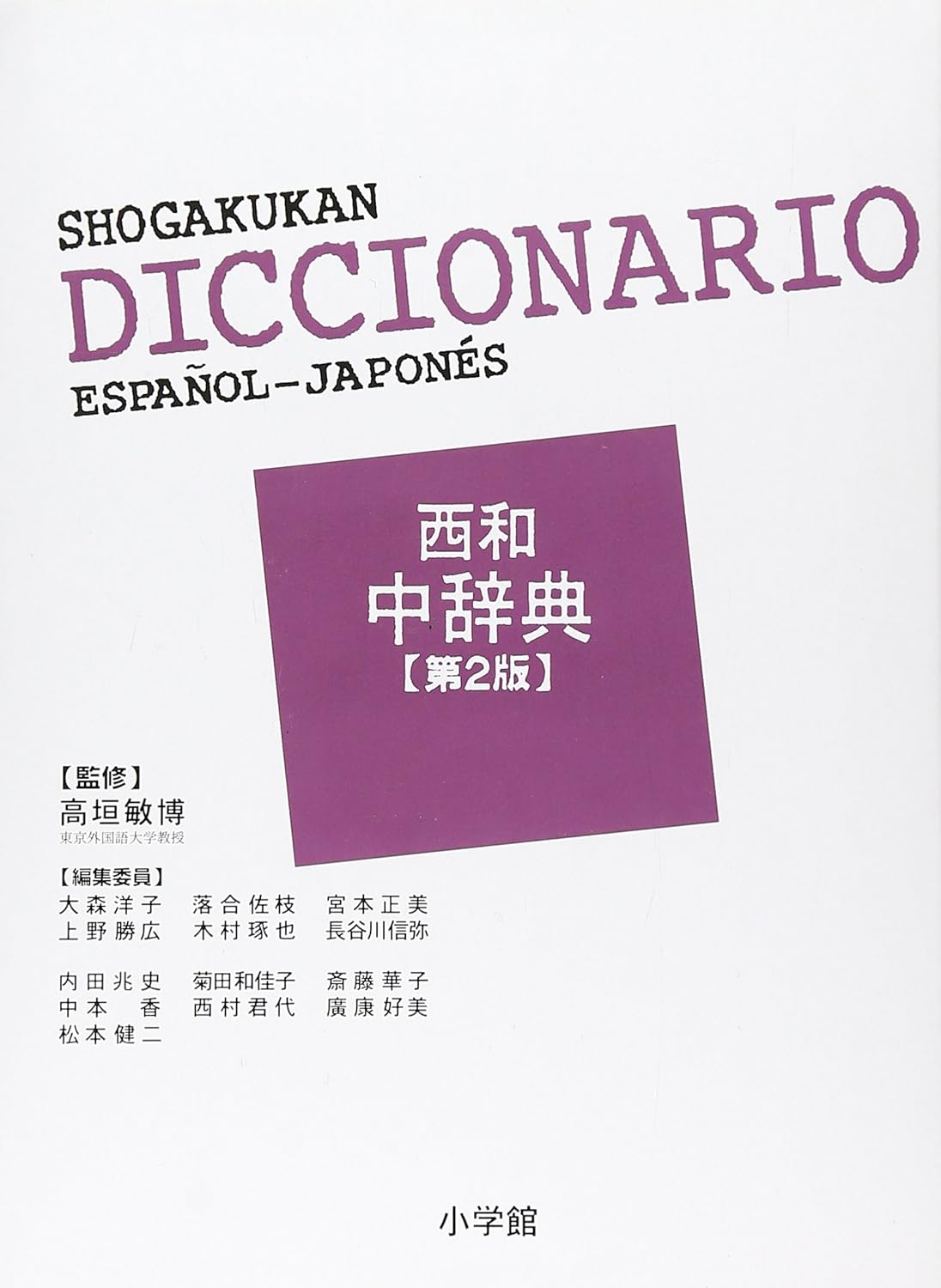
Vocabulary count is below electronic dictionaries, but for general Spanish study it's enough. My Spanish teacher strongly recommended Shogakukan's "Spanish-Japanese Standard Dictionary". Compared with others it has fewer errors — that was the rationale.
People also say the act of looking things up on paper helps memory. When you're not in a rush, building the habit of looking up on paper slowly grows your vocabulary.
Smartphone app — the strongest option in Central America
What worked best on the ground in Central America was the Shogakukan Spanish dictionary app. Reasons are simple:
- Works offline, so it doesn't depend on signal
- Search is fast
- You can hear pronunciations
- The safety risk of taking out a phone is comparatively lower
Being able to look something up without breaking the flow of a conversation is huge. Talking with someone and hitting "what's that word again?" — with the app, you flip it open, look it up, and keep talking.
Conclusion: electronic dictionaries are hard to take out in country, so the cost-effectiveness is low. Shogakukan's paper dictionary plus the smartphone app is the best mix on cost and convenience. If you're learning Spanish, get those two and you'll mostly be fine.
The dictionaries I recommended above — the Shogakukan Spanish-Japanese dictionary my teacher praised for its reliability. Paired with the app version, it covers everything from language school to everyday conversation in a single volume.
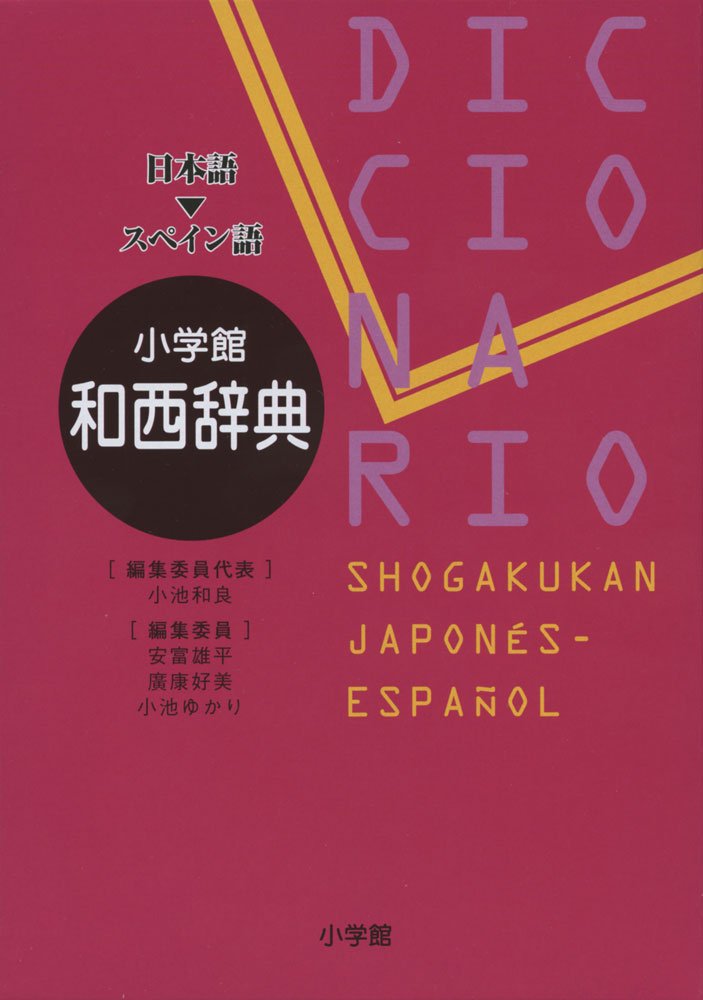
※ For the app version, search "Shogakukan Spanish-Japanese Dictionary" on the App Store / Google Play. It works offline, so you can use it on the ground.
References
※ This section combines public information with the author's notes; please confirm the latest details on the official sites.
- Shogakukan — Spanish-Japanese Standard Dictionary, 2nd ed. (official)
- Iwanami Shoten — Spanish-related titles (incl. Modern Spanish Dictionary)
- Real Academia Española (RAE) — Authority on the Spanish language
- DLE — Diccionario de la lengua española (RAE official online dictionary)
- Centro Virtual Cervantes — Spanish learning and culture resources