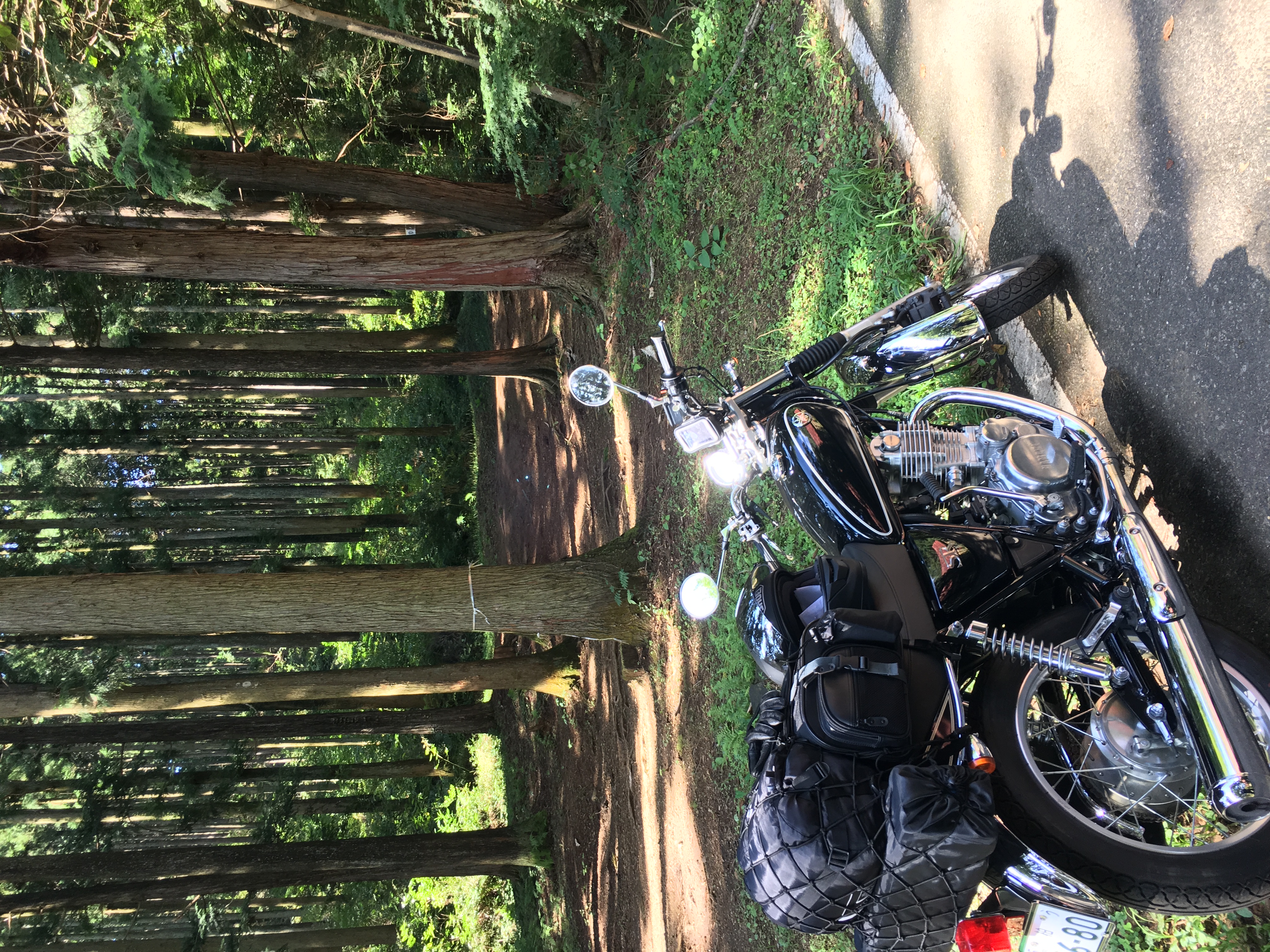
"OK, I'm going camping by motorcycle this year" — and I built out the kit from scratch. After two solo trips already, here are reviews of the camping gear I've actually used in the field.
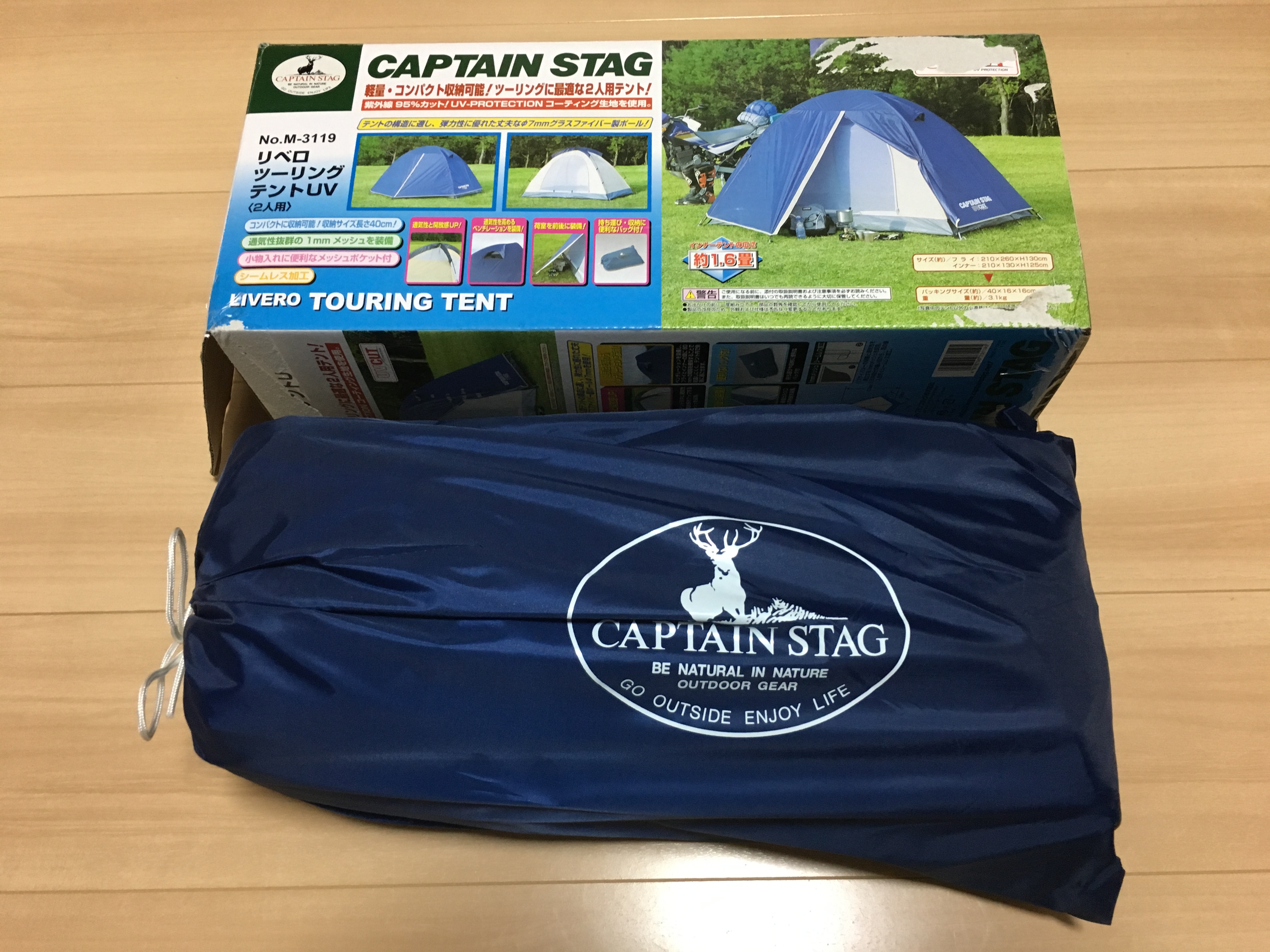
① Tent — Captain Stag Libero Touring Tent M-3119
For solo, I picked the Captain Stag Libero Touring Tent 2-person (M-3119). I went with the "2-person" so I'd have room to sleep with my gear inside the tent.
Specs
| Fly size | ~210 × 260 × H 130 cm |
| Inner size | ~210 × 130 × H 125 cm |
| Water resistance (fly) | 600 mm |
| Packed size | ~40 × 16 × 16 cm |
| Weight | ~3.1 kg |
Waterproofing is solid; rain isn't a worry. It packs to a size that fits in a Moto Fizz Mini Field Bag (510 mm width). The included pegs are weak though — recommend buying a proper set separately.
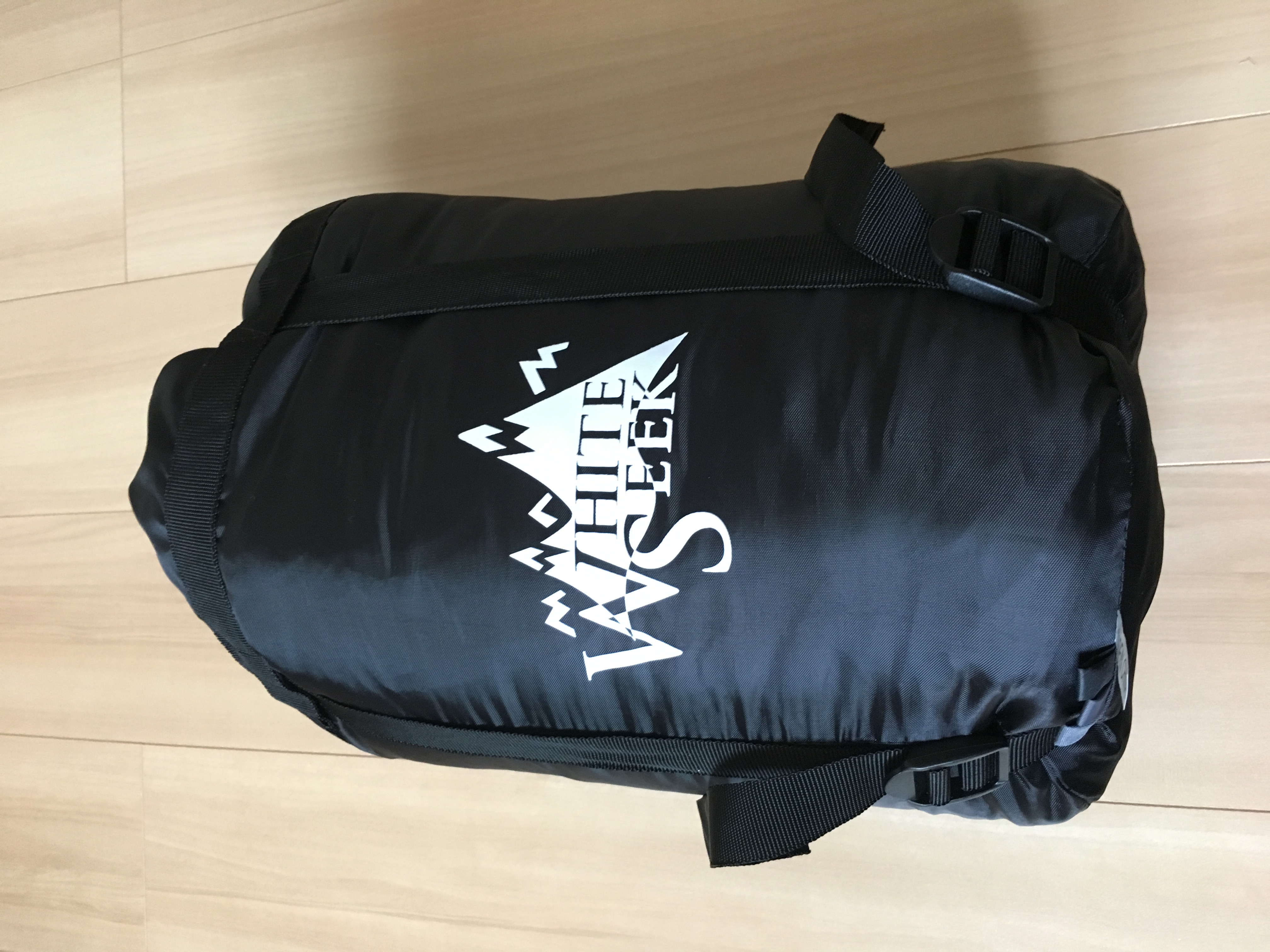
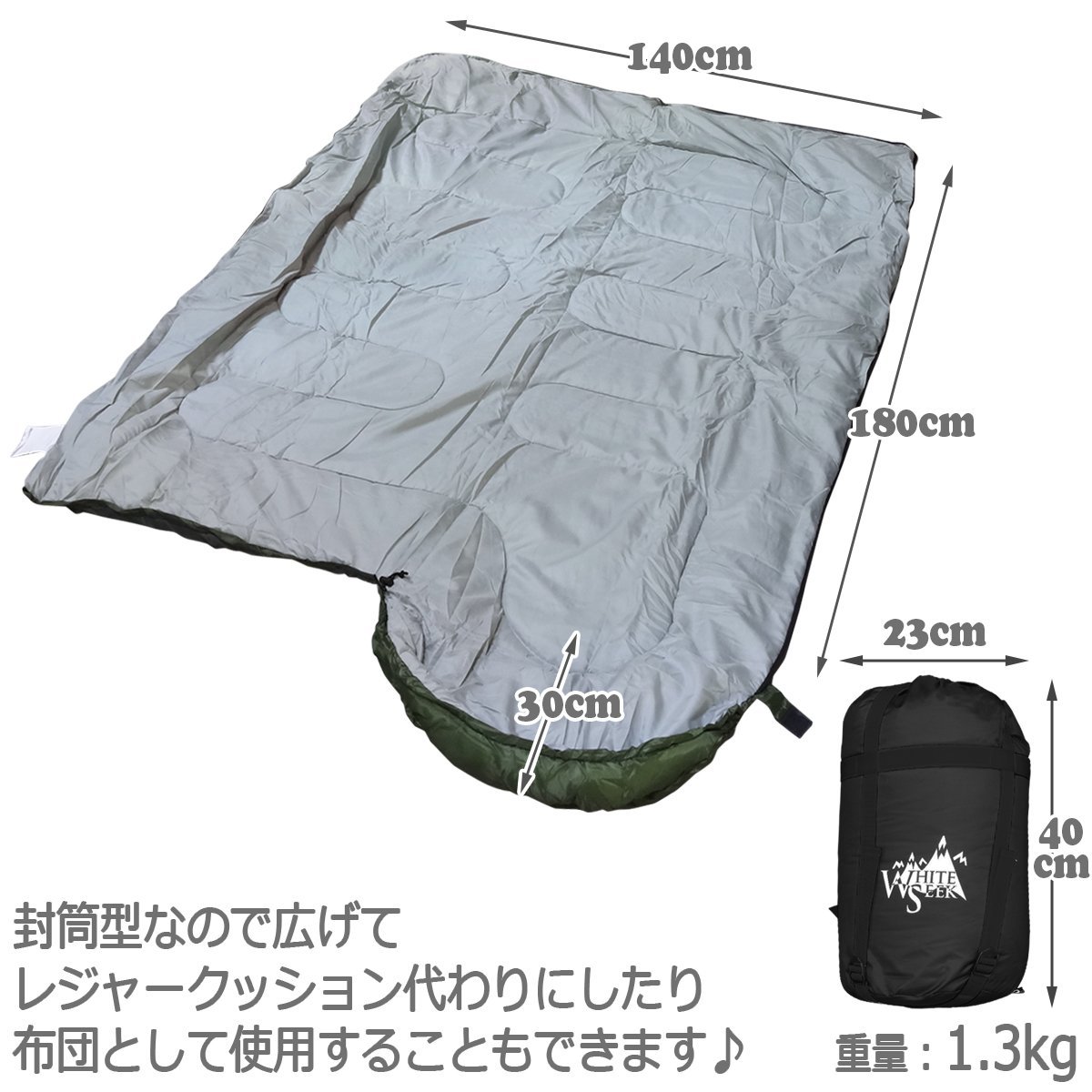
② Sleeping bag — WhiteSeek envelope-type sleeping bag (limit −5 °C)
For sleeping bags, the limit temperature is essentially the only spec that matters. Know the lowest temperature at your destination, then pick a bag rated for it. I used this one on Mt. Akagi in November and slept comfortably. Being machine-washable matters more than you'd think.
③ Sleeping pad — always pack a light one
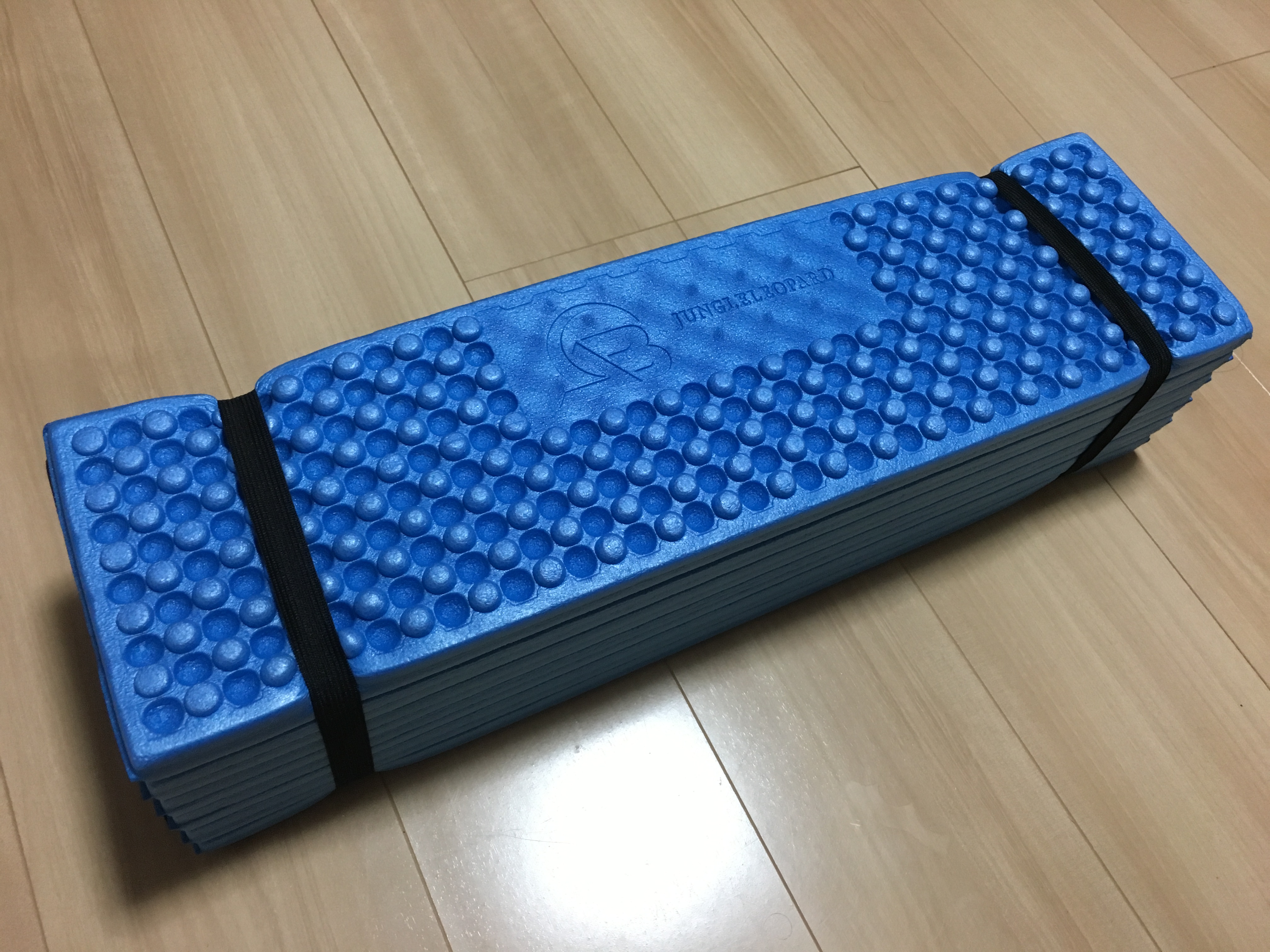
A sleeping pad cuts both the cold from the ground and the bumps. In winter camping it's basically required. Just laying one under your sleeping bag changes the comfort level immediately. I'm not picky about brand — a light, foldable closed-cell foam type does the job. Just having one along makes the trip noticeably better.
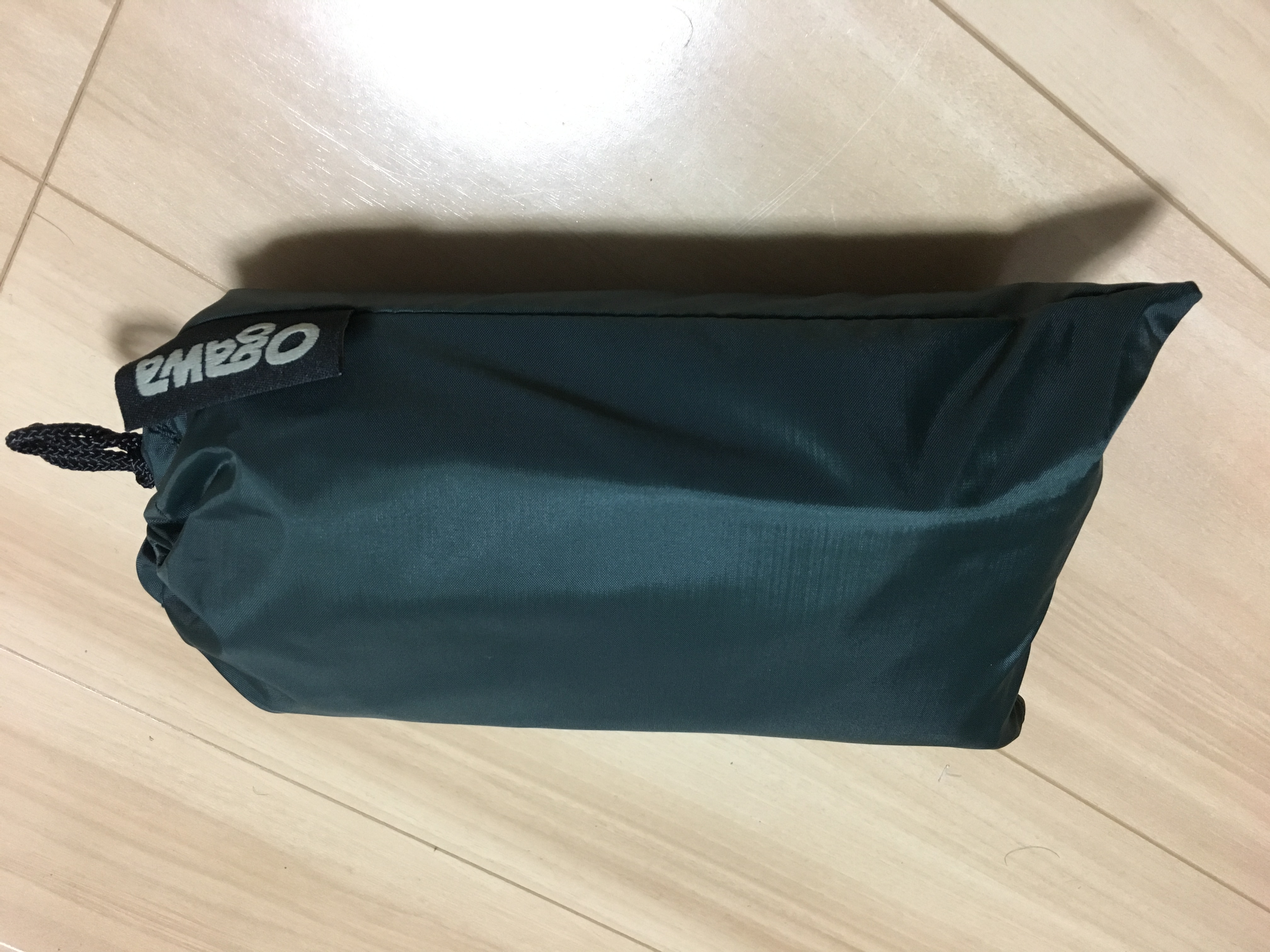
④ Ground sheet — Ogawa Campal (210×130 size)
The ground sheet that goes under the tent. The cardinal rule: pick a size equal to or smaller than your tent footprint. If it's too big, rainwater pools between the sheet and the tent and gets in. I picked the Ogawa Campal sheet that fits the inner size of my tent exactly.
These four cover the basics. The pad and sleeping bag don't fit in the seat bag, so I lash them to the bike with a cargo net. Cooking gear next time.
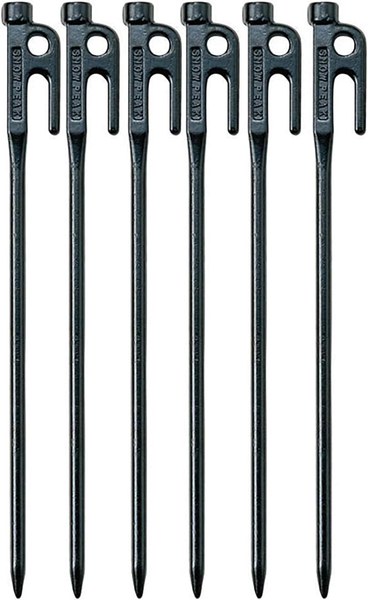
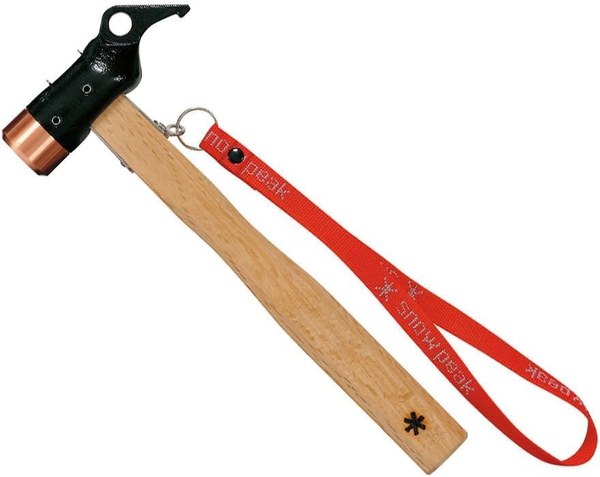
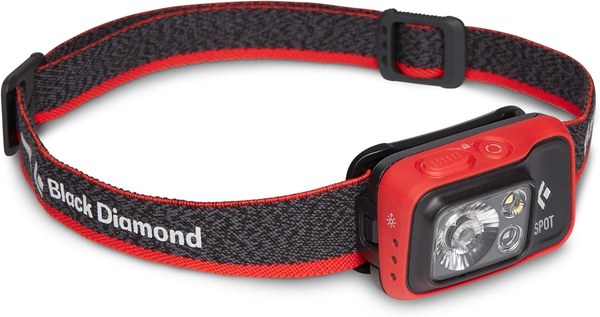
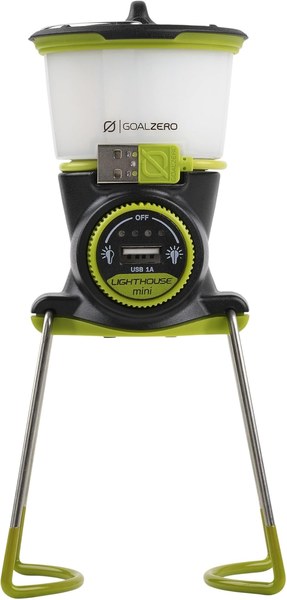
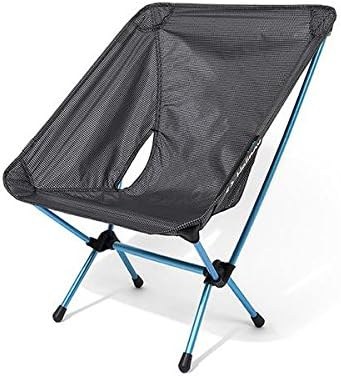
Beyond the sleeping kit, a few extra pieces made my solo camps far easier: a rugged peg-and-hammer set, a headlamp, a lantern, and a chair. These are the items I'd add once you've sorted the basics.
References
※ This section combines public information with the author's notes; please confirm the latest details on the official sites.