After Chile's dry blue sky, what waited was a country where humid tropical air sticks to your skin. Belize — a Central American country that uses English as its official language. While it sits in the same Central America as Costa Rica and Nicaragua, the history it walked as the former British Honduras built a culture quite different from its neighbors.
I landed in Belize City. The country's largest city, but not its capital (the capital is Belmopan, inland). A port city facing the Caribbean Sea, it's also the gateway to the World Heritage Belize Barrier Reef.
The Caribbean at Dawn
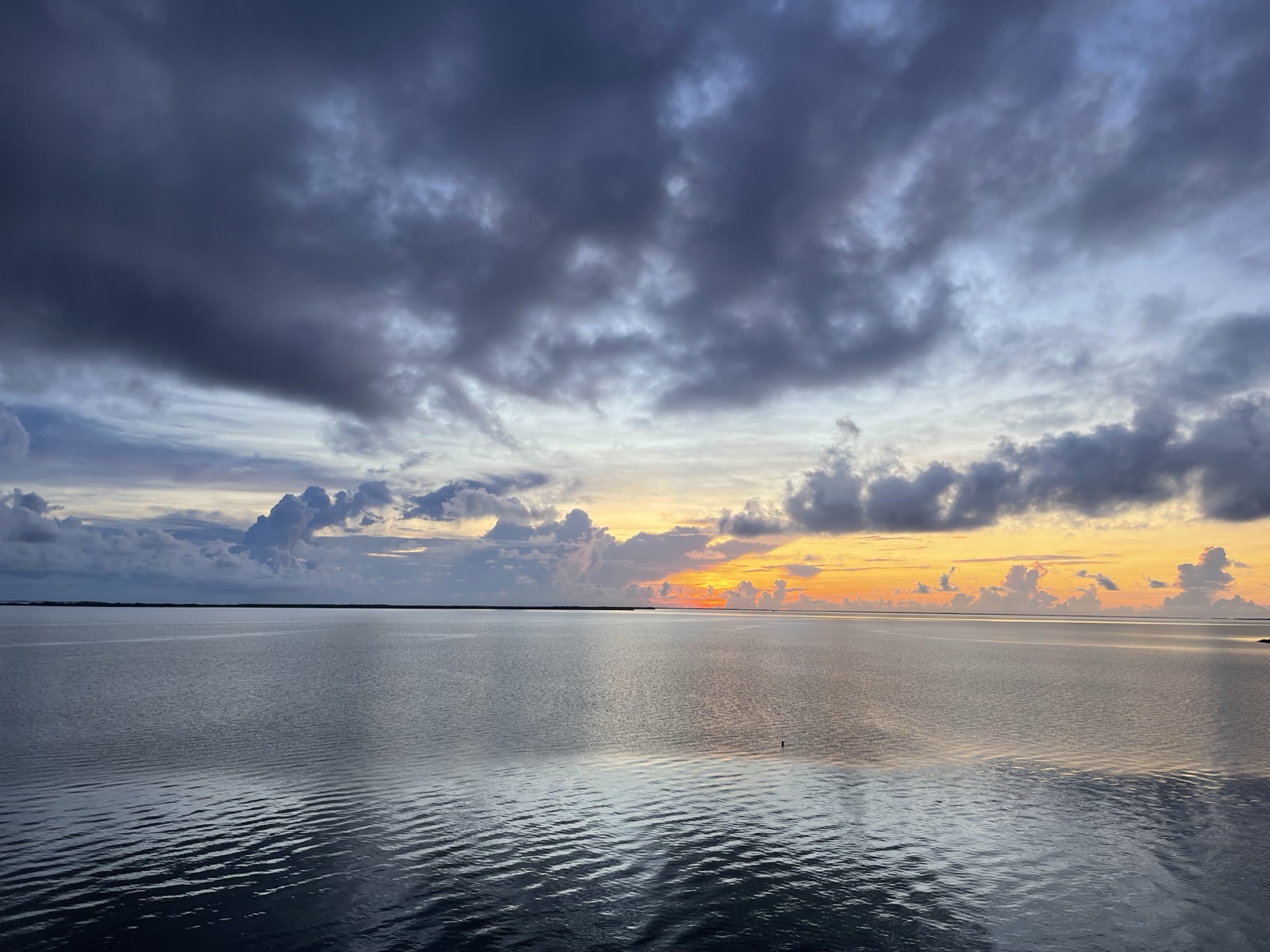
I got up early and went to the sea. The sky was orange and the Caribbean reflected the same color. A scene completely unlike Chile's dry blue sky — humidity and tropical light. The waves were calm and you could see the silhouettes of distant islands. The kind of view you only get if you wake up early.
Breakfast and Street Food
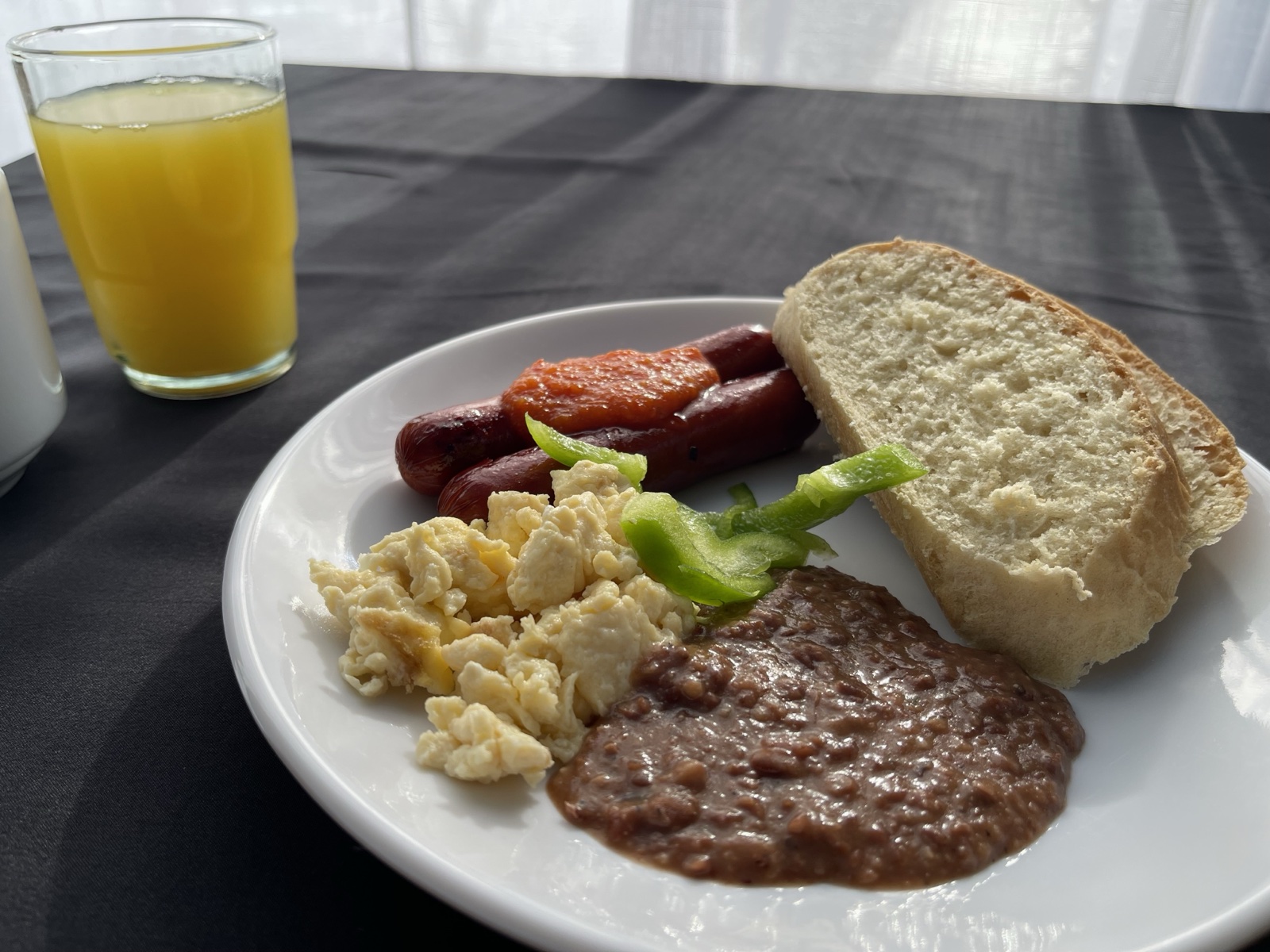
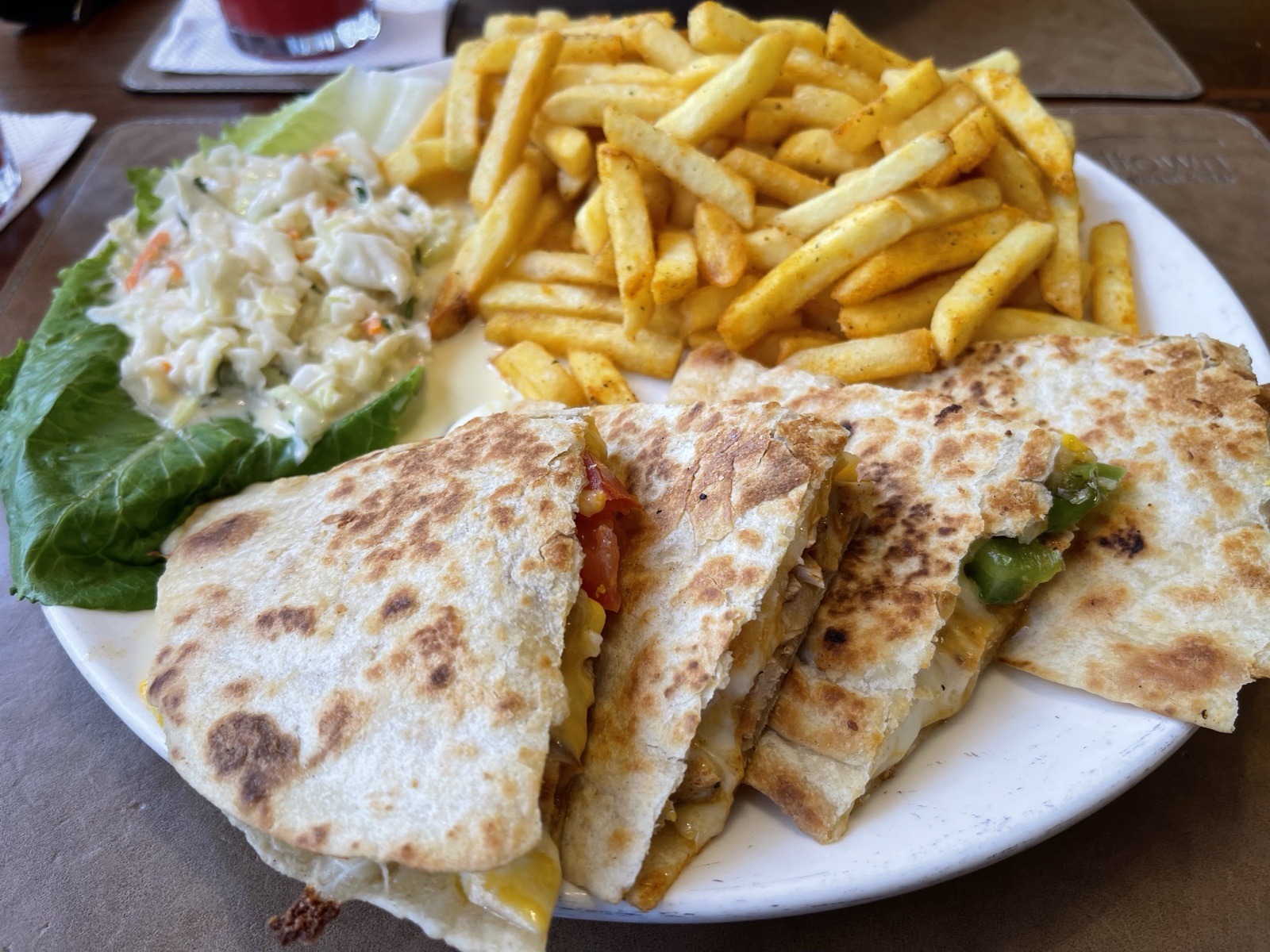
Belizean breakfast is built on beans and eggs. Black beans cooked soft, fried plantain (cooking banana), and tortillas. The seasoning has a kick, exactly right for a tropical morning.
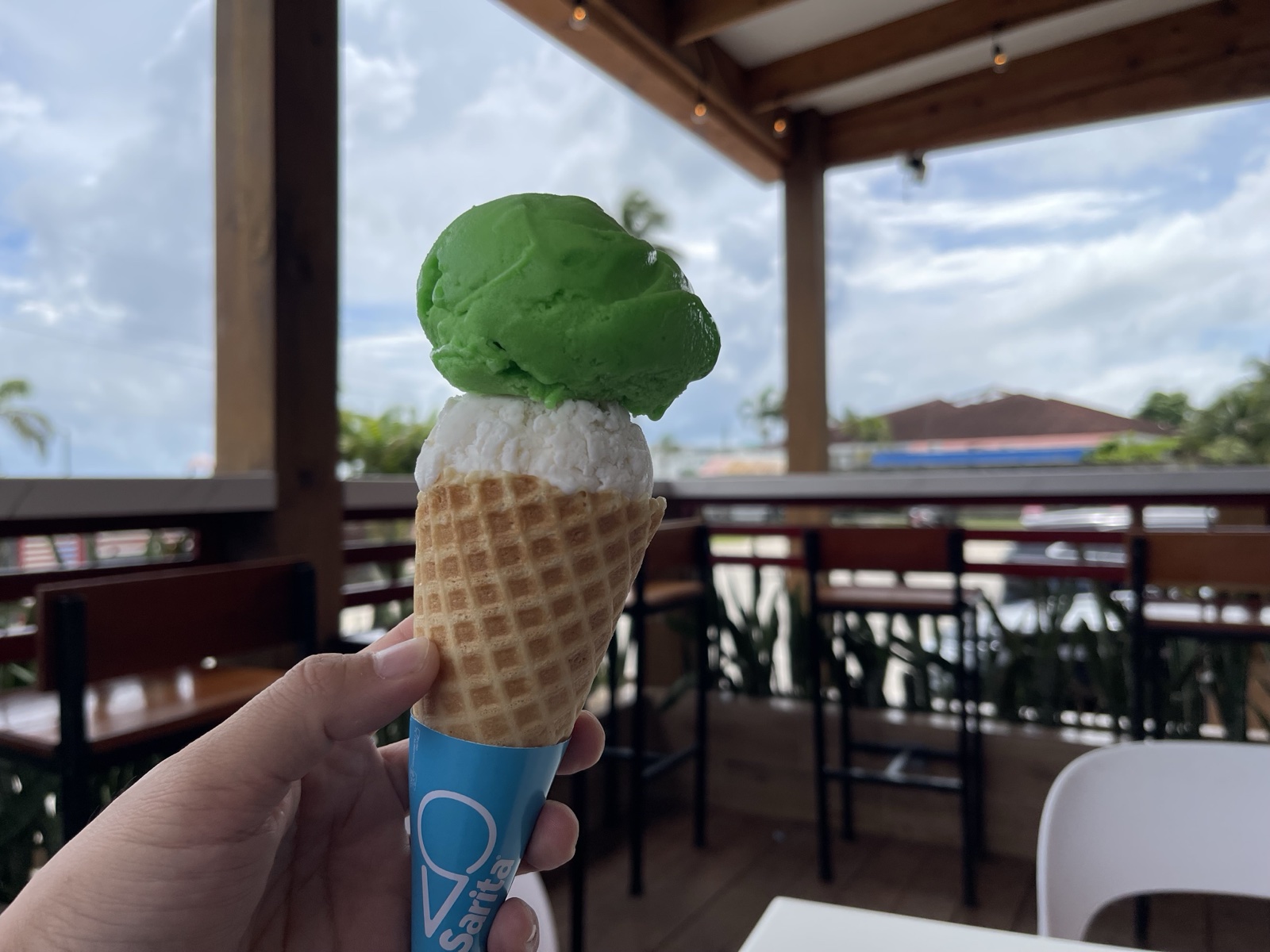
In the afternoon I went to a local ice cream shop called "Sarita." I ordered a double scoop of lime and mango. Tropical heat met fresh citrus tang. Belize uses English, but Spanish often works too — being able to order in Spanish was a relief.
"Japan" Found in Chinese Supermarkets
What surprised me in Belize City was the number of Chinese-run supermarkets. A few "Asian Grocery"-style stores sit along the shopping street, and inside, Japanese products were on the shelves alongside Chinese ones.
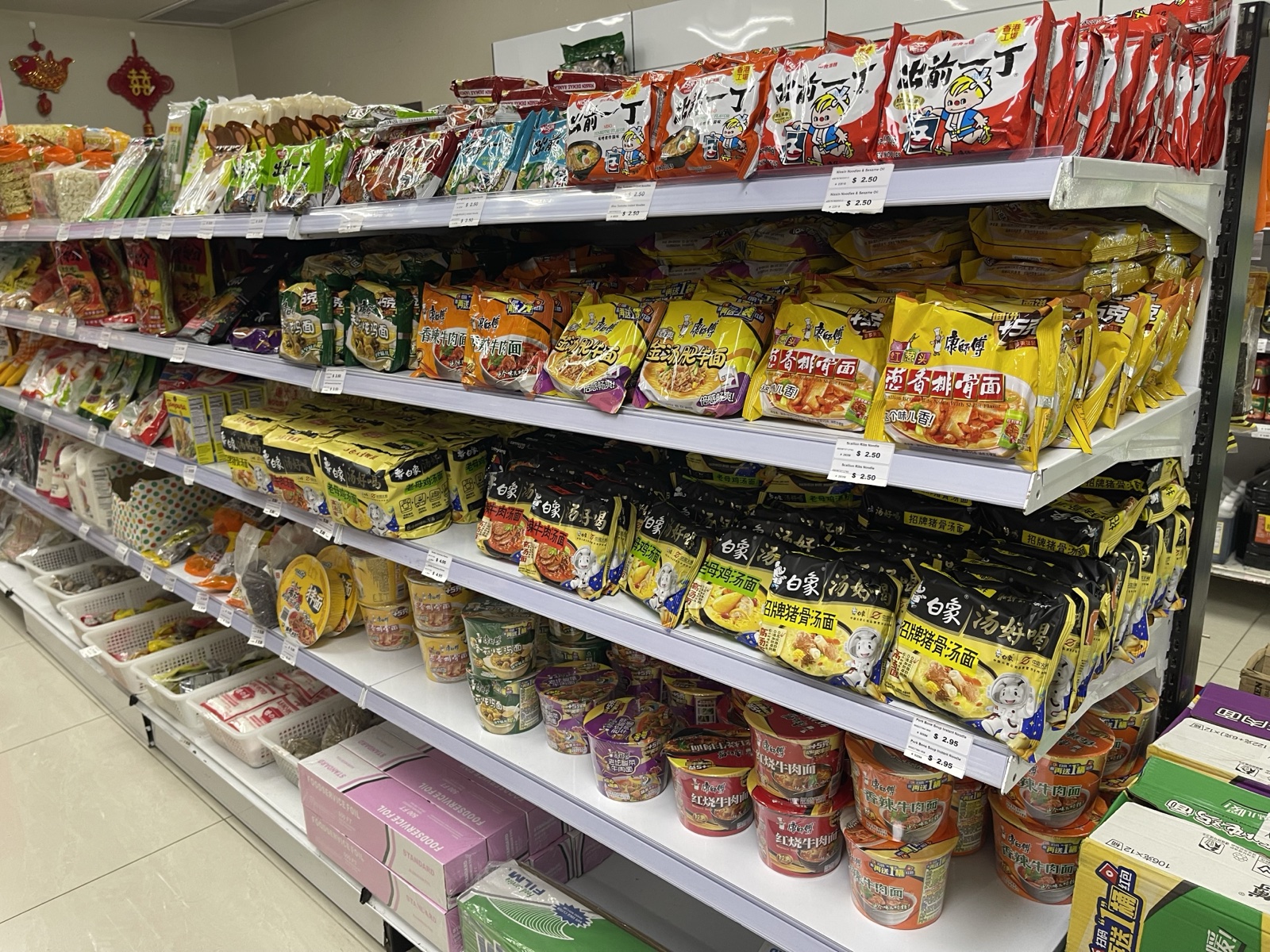
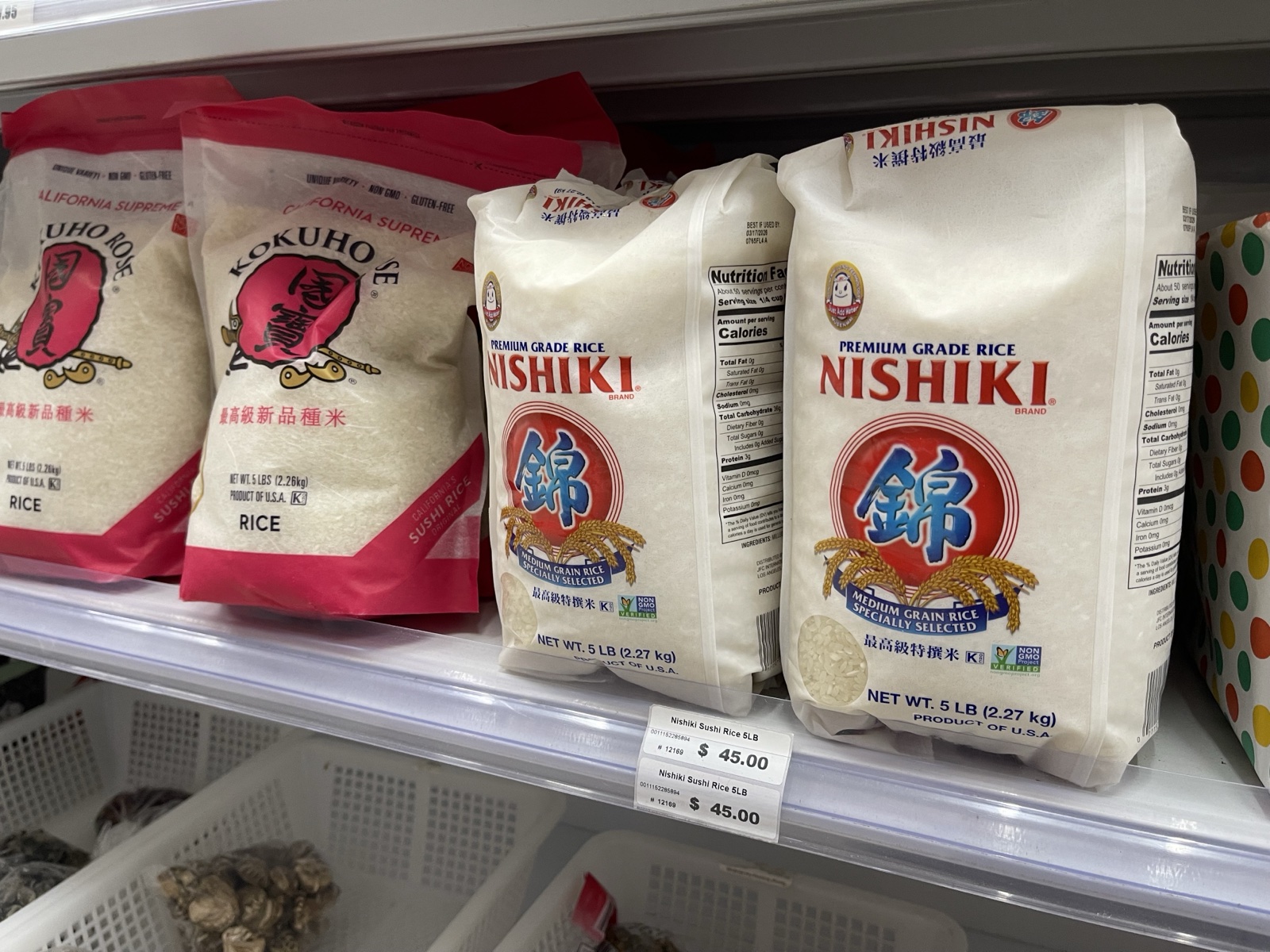
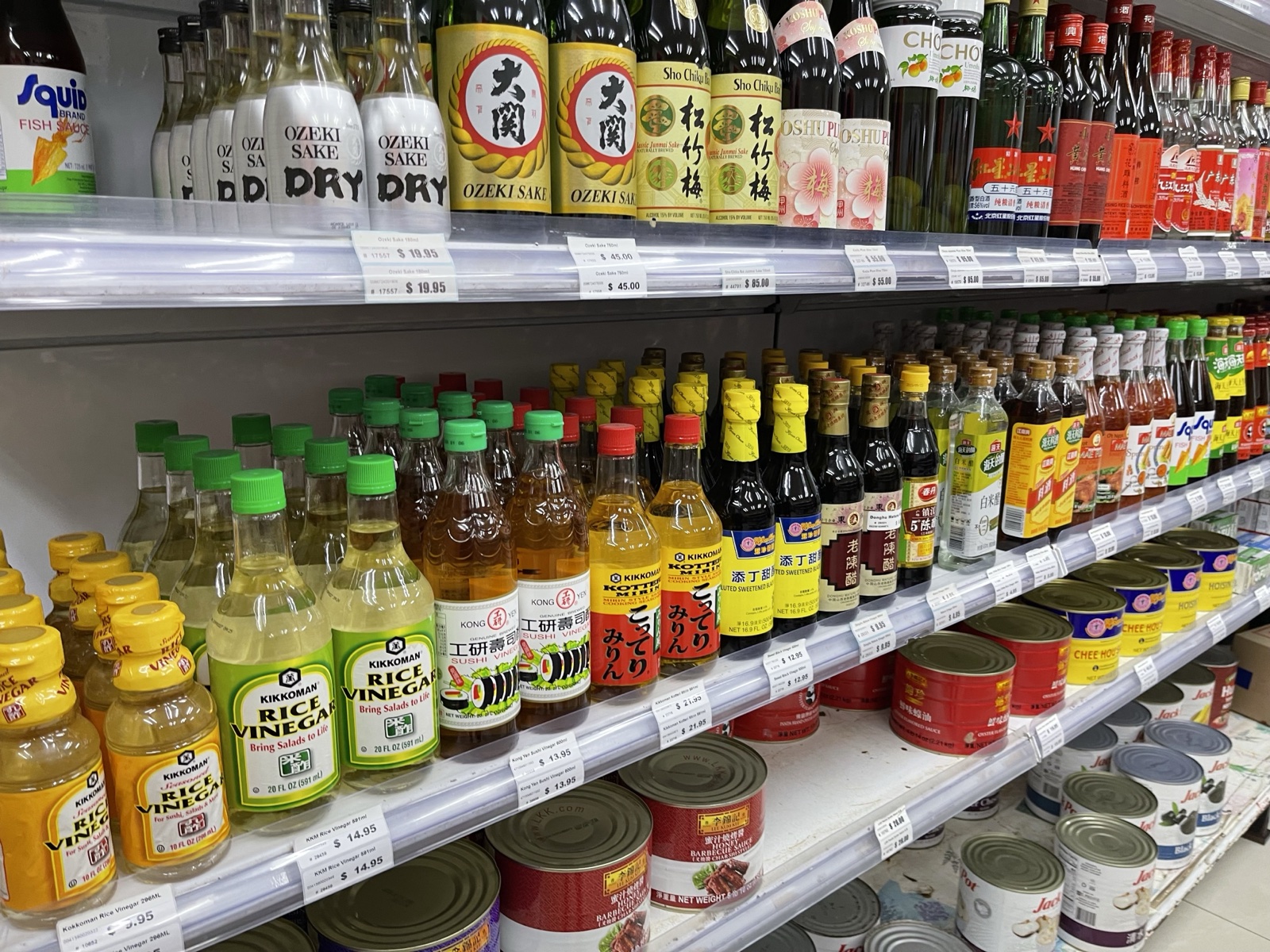
Nishiki rice (a Japanese-style short-grain rice produced in the US) was on sale at $45. Pricey for Central America, but presumably the demand is there. Sake, soy sauce, instant noodles… an aisle that tells you Belize has an Asian community.
Belize's population is mostly Garifuna, Creole, Maya, and Mestizo, and Chinese immigrants have been here for a long time. The blending in the food culture has that kind of background.
Travel guide (general info)
※ This section combines public information with the author's notes; please confirm the latest entry, safety, and operating details on the official sites.
Entering Belize: the basics
- Official language: English. Belize is the only independent country in Central America with English as the official language; Spanish, Creole, and Garifuna are also widely spoken.
- Currency: Belize dollar (BZD), pegged at 1 USD = 2 BZD. The US dollar is accepted almost everywhere.
- As of 2025, Japanese passport holders do not need a visa for tourist stays of up to 30 days. Onward tickets and proof of accommodation may be requested at entry.
Safety and getting around Belize City
- Japan's MOFA travel safety lists parts of central Belize City (north and south sides) at "Level 1: Exercise caution" (as of 2025). Avoid walking around at night.
- Move around the city by radio taxi (green plates). Ride-share apps like Uber are not yet established here.
- Philip Goldson International Airport (BZE) is about 16 km northwest of the center, 20–30 min by car.
Food and culture tips
- Breakfast staple: Fry Jacks (puffed fried bread) with beans, eggs, and plantain. Around 5–10 BZD at street stalls and diners.
- Belize is a multi-ethnic country where Garifuna, Creole, Maya, Mestizo, and Chinese communities coexist. The overlap of food cultures is a defining feature.
- Tap water is not recommended for drinking. Bottled mineral water (Crystal etc.) is the norm.
References
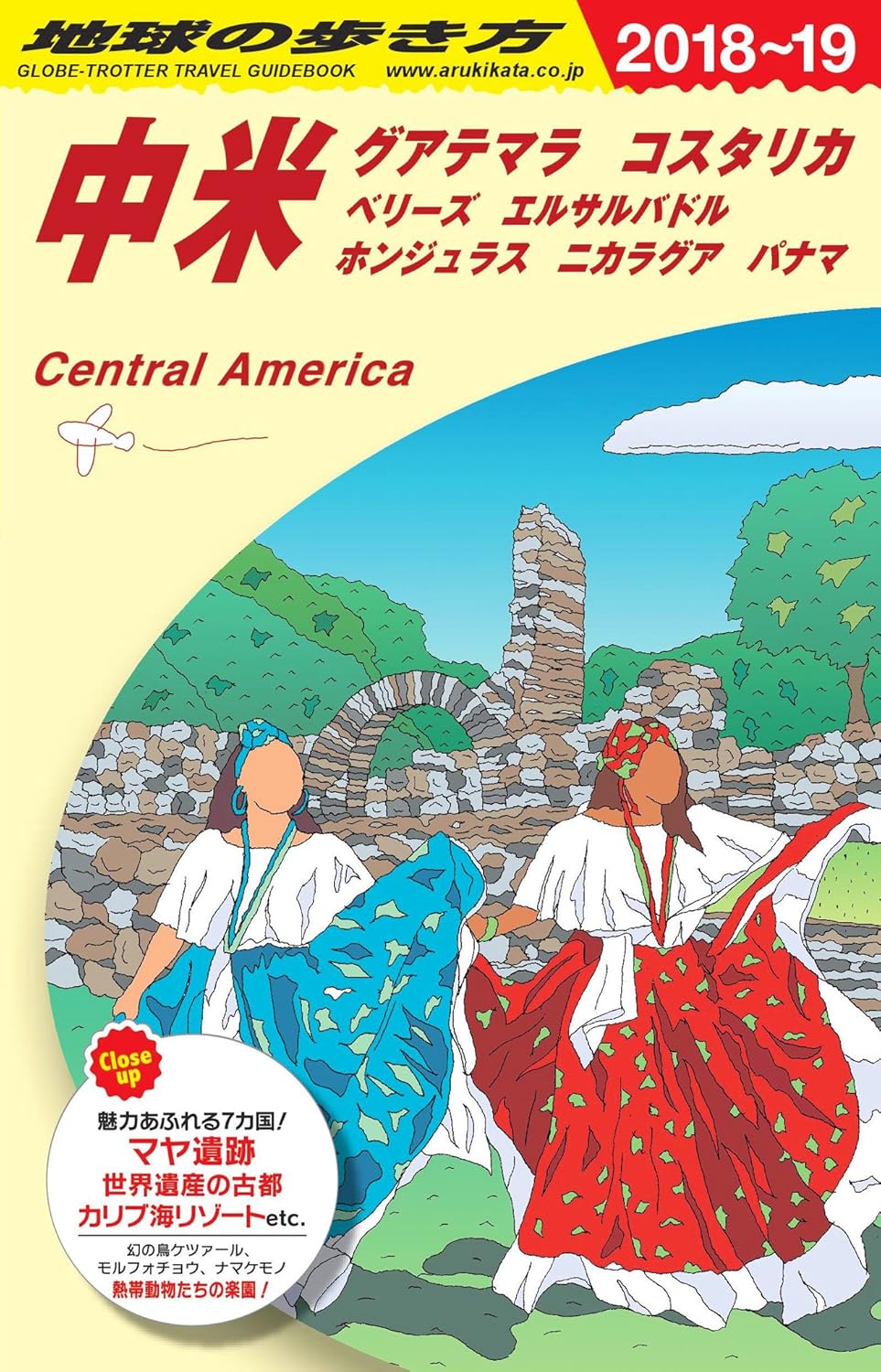
Belize and Central America in one book — the Globe-Trotter Travel Guide: Central America is the go-to Japanese guidebook covering seven Central American countries, Belize and Panama included.