In November 2013, just a few weeks into my assignment in San Vito, I set off for the Osa Peninsula. This long finger of land jutting into Costa Rica's South Pacific is home to Corcovado National Park — a place National Geographic once described as the most biologically intense place on Earth.
I had barely done any research. I didn't even have a map. And still, the peninsula welcomed this make-it-up-as-you-go traveler without holding anything back. Here is a record of two visits, in 2013 and 2014.
To the Osa Peninsula — Leaving Home at 5:30 AM
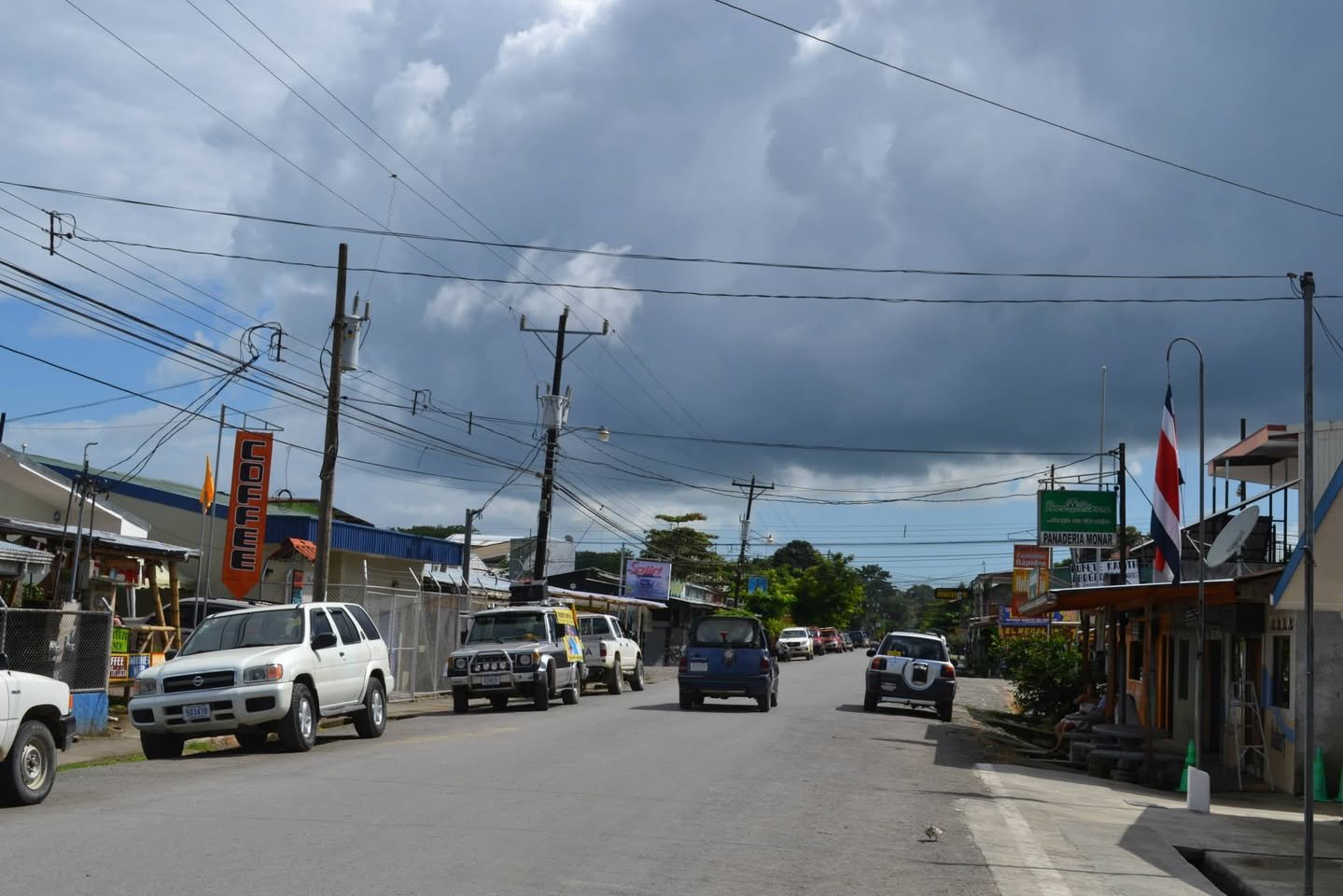
From San Vito to Puerto Jiménez, the gateway town of the Osa Peninsula, it was a long way. I left home at 5:30 in the morning and strung together a bus and a boat. In rural Costa Rica, even places that are close are hard to reach. "Near but far" is a feeling this country gave me again and again.
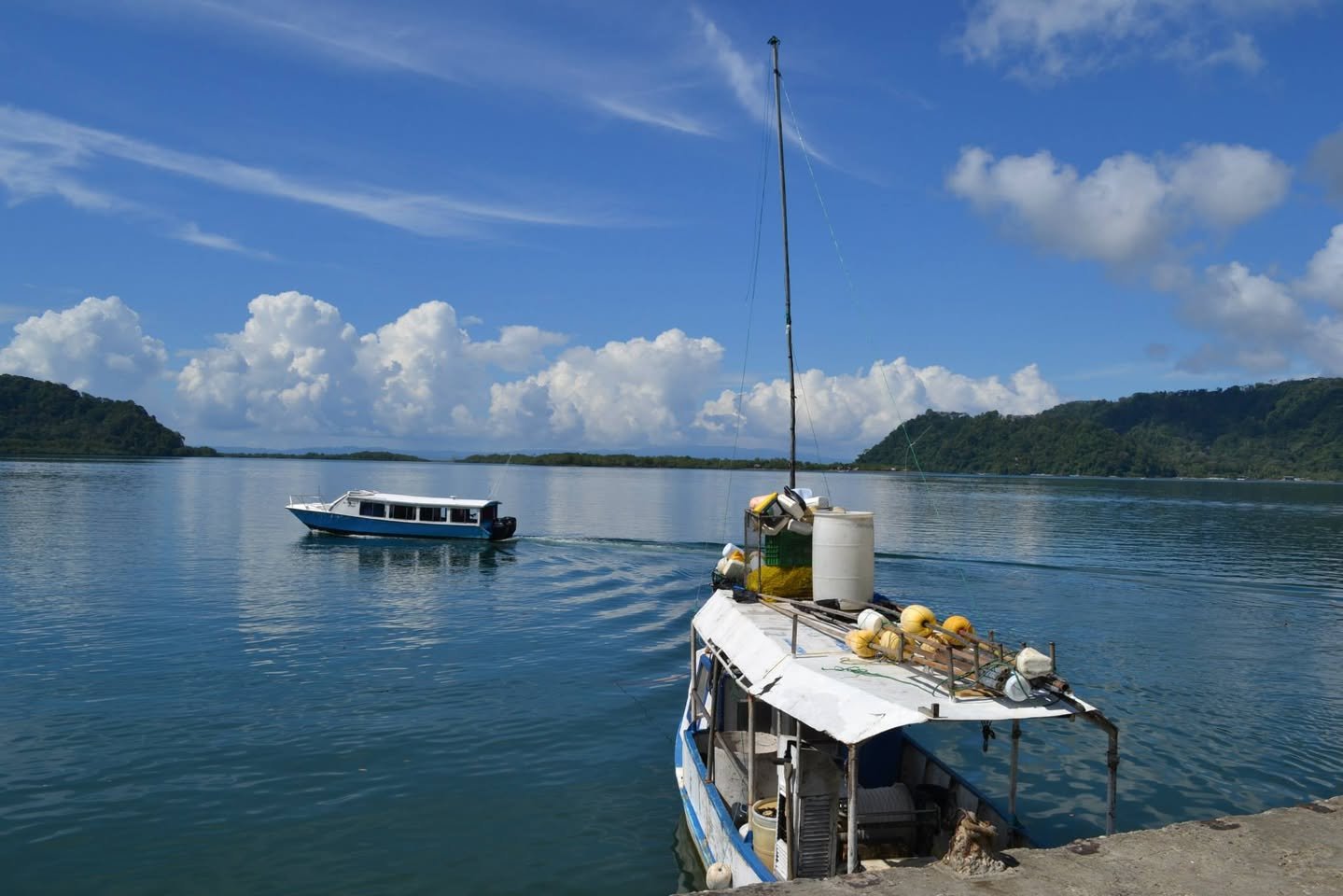
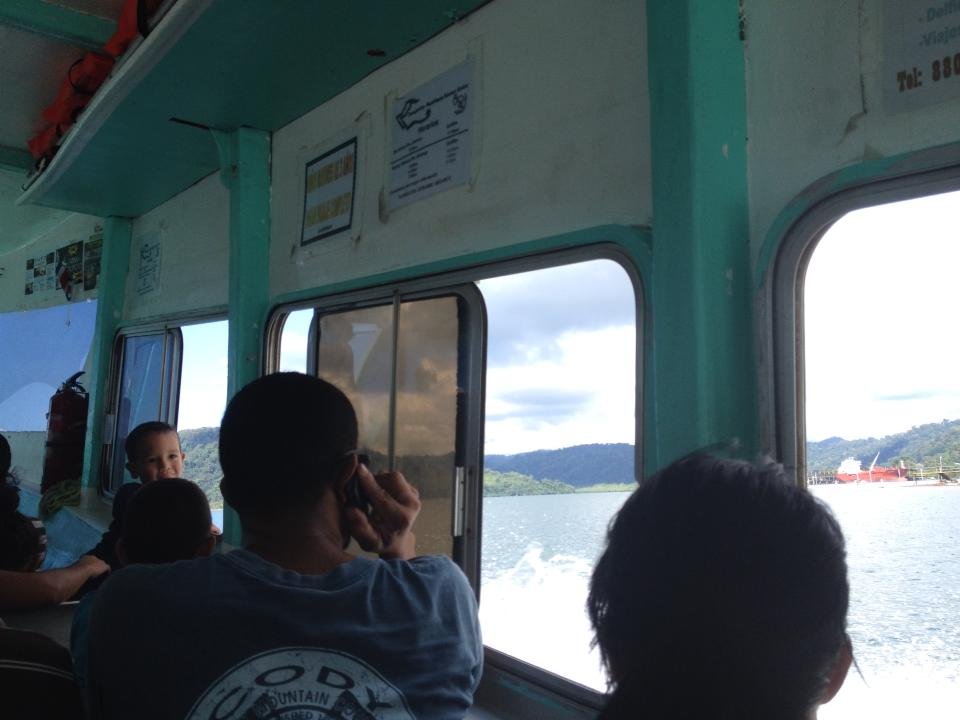
Once aboard, I was so caught up in the sea outside the window that I let out a sound — and the man next to me gave up his seat for me. Maybe they thought it was my first time seeing the ocean, because an older woman told me to taste the seawater. It was, of course, salty. People in the countryside are warm.
When I reached my hotel in Puerto Jiménez, colorful birds were perched in the trees nearby. The lodging lent kayaks for free, so I paddled out onto the water. I'd been told I might see monkeys if I was lucky, but not that day. Meeting the animals would have to wait for the next morning.
Corcovado National Park — A Morning Walk with Don Fernando
The next morning we set out at 4:30. Animals are most active at dawn and dusk, and as my guide Don Fernando put it, "4:30 is the best time." You can't walk Corcovado without a guide. In that vast primary forest, finding animals with your own eyes alone is all but impossible.
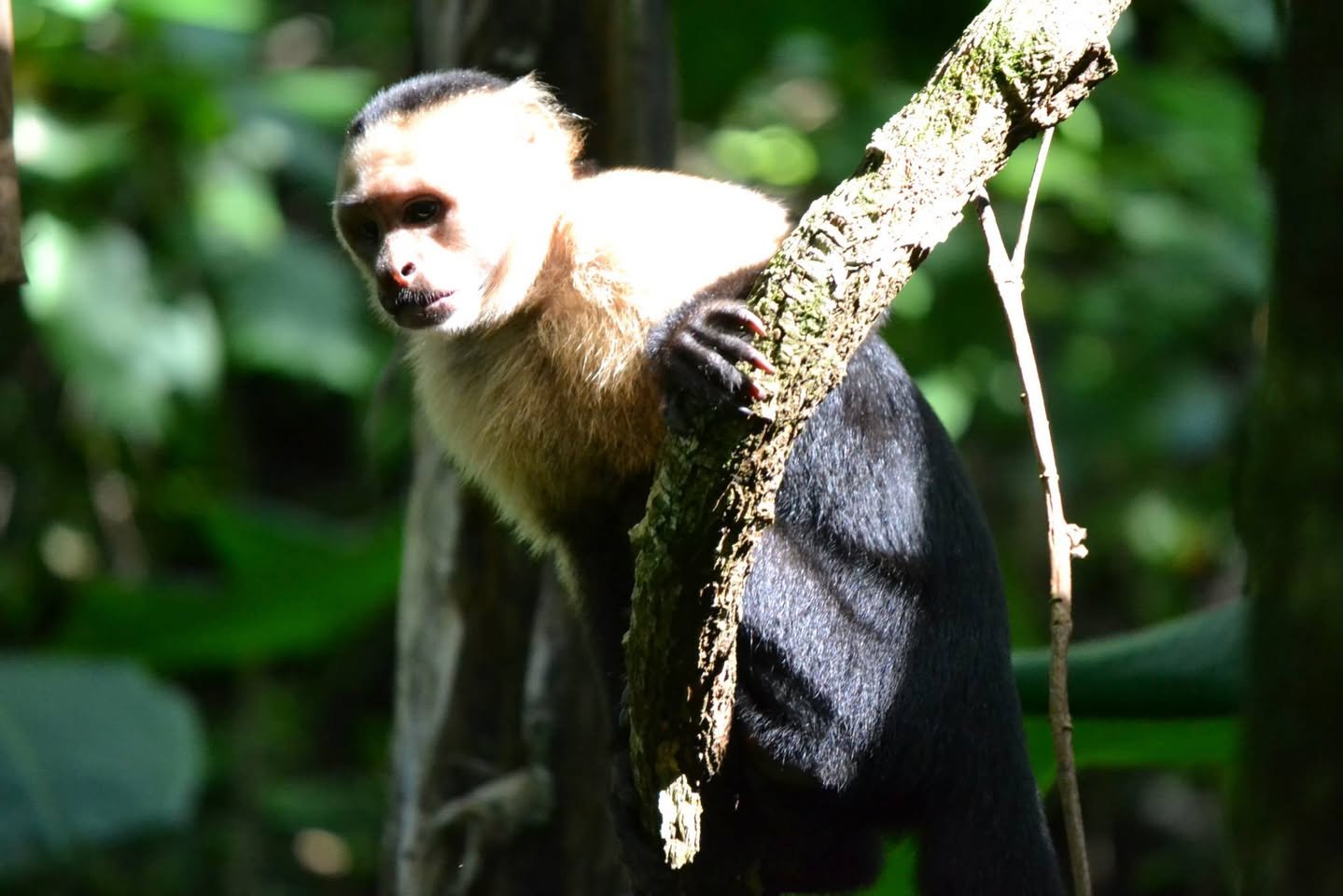
The guide moved through the forest with a sure step, stopping now and then to point up into the branches. There was always something there. High in a tree, a white-faced capuchin — the monkey from Pirates of the Caribbean. Further on, a spider monkey crossed the high canopy. Of Costa Rica’s four monkey species — howler, white-faced capuchin, squirrel monkey, and spider monkey — this peninsula is a forest where all four live.
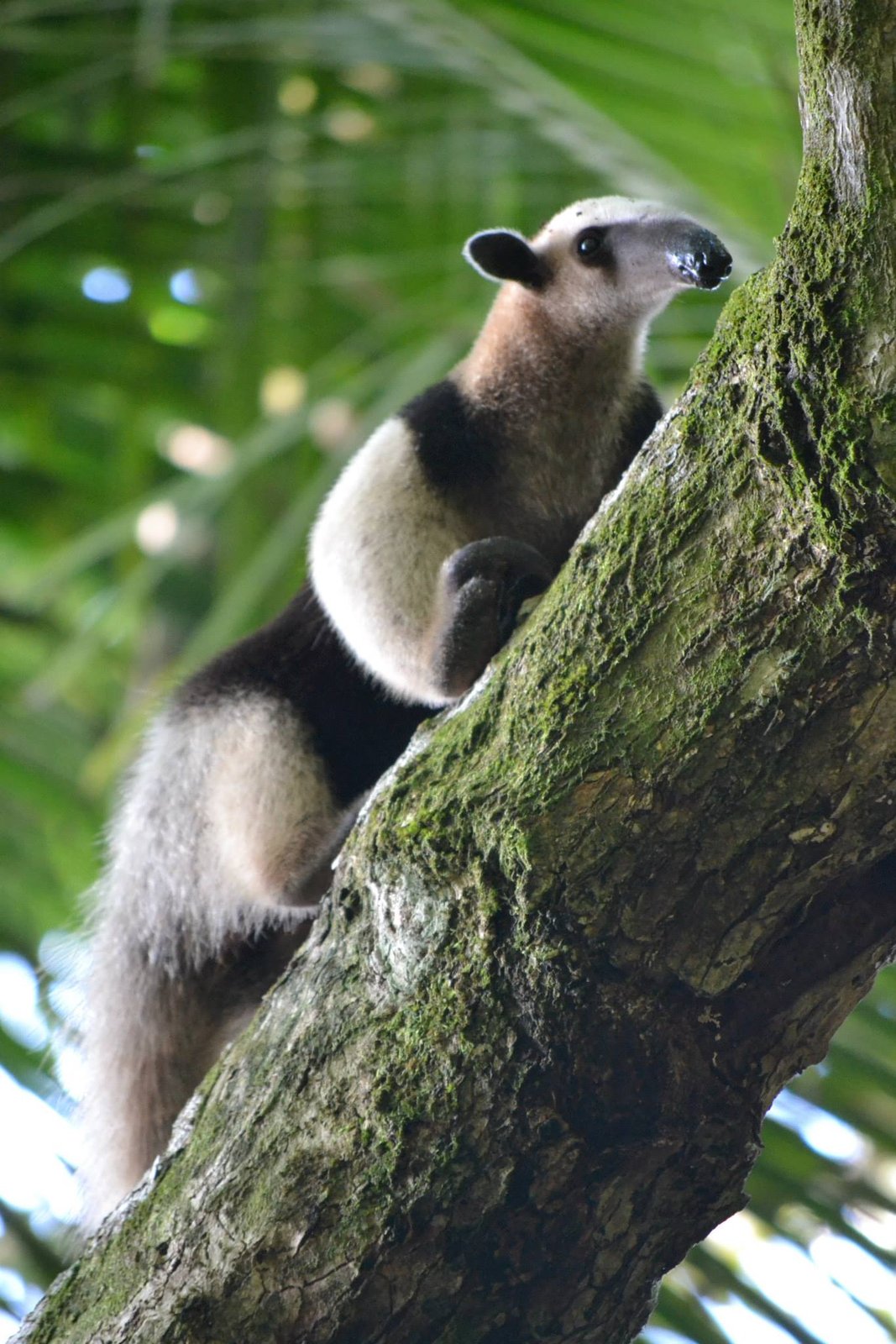
The guide suddenly stopped and pointed at a tree trunk. What clung there was a tamandua — not a monkey, but an anteater that laps up ants and termites with a long tongue. It raised its long snout and gripped the bark firmly with thick forepaws. The species found in Central America is the northern tamandua (Tamandua mexicana). They are mostly active at night, so catching one by day — and mid-climb at that — was real luck.
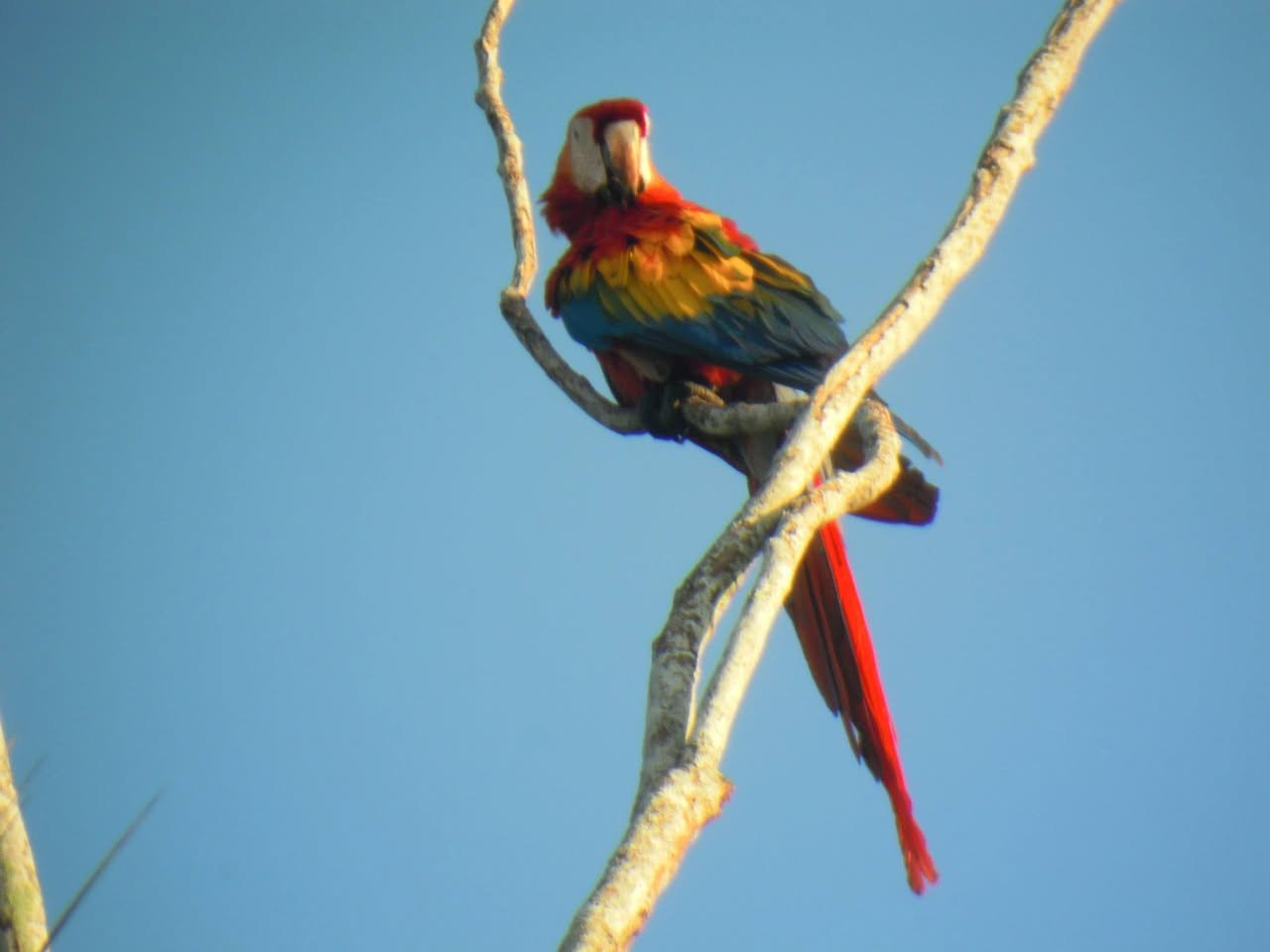
What caught my eye most as we walked was a scarlet macaw. A body of deep red, wings of yellow and blue. Corcovado is known as one of the strongest remaining habitats for scarlet macaws in Costa Rica. Against all that green, that red was almost too vivid.
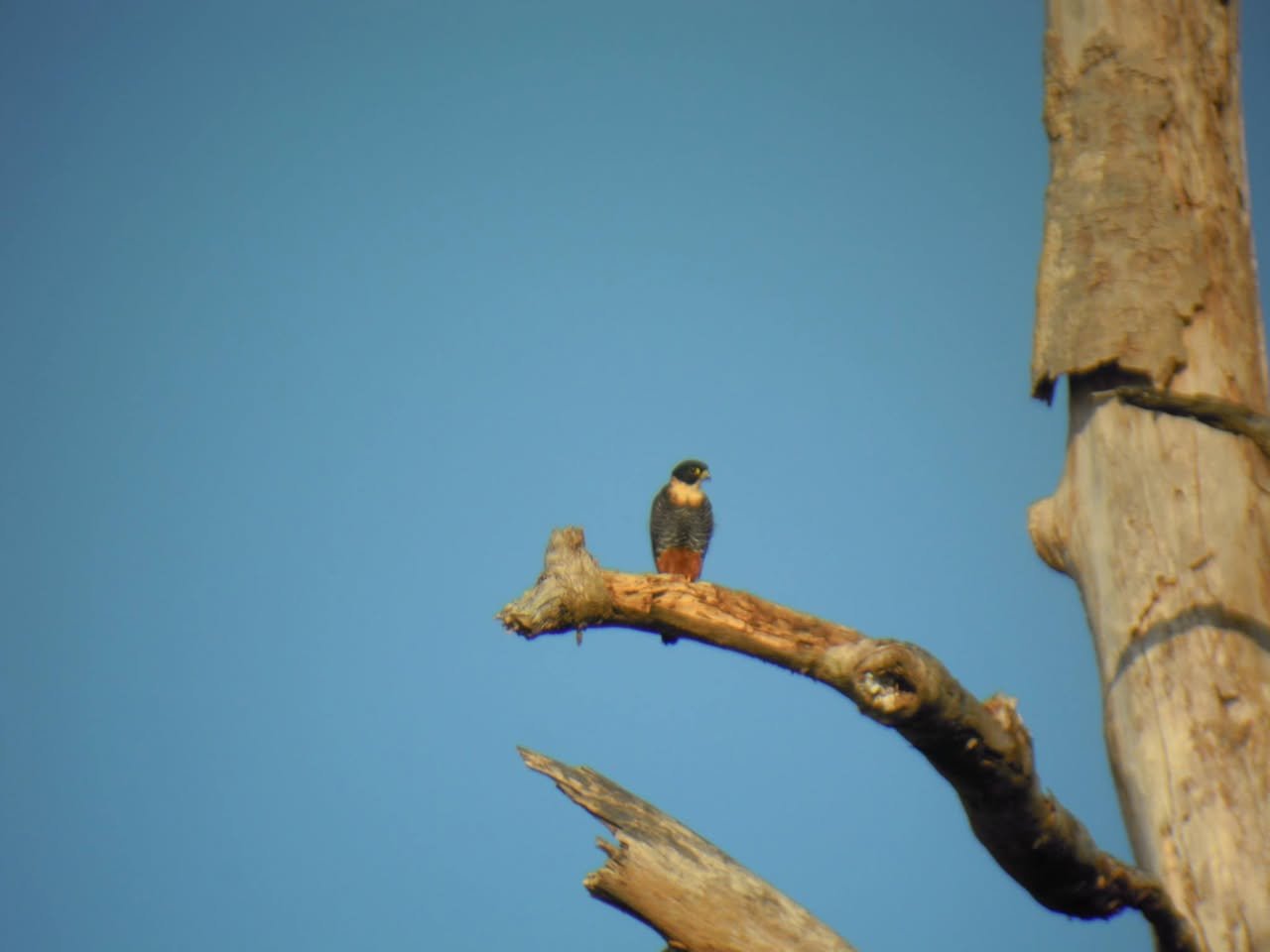
Looking up, a bird of prey was perched on a bare branch. Beyond the forest floor, there is another world of living things up in the canopy.
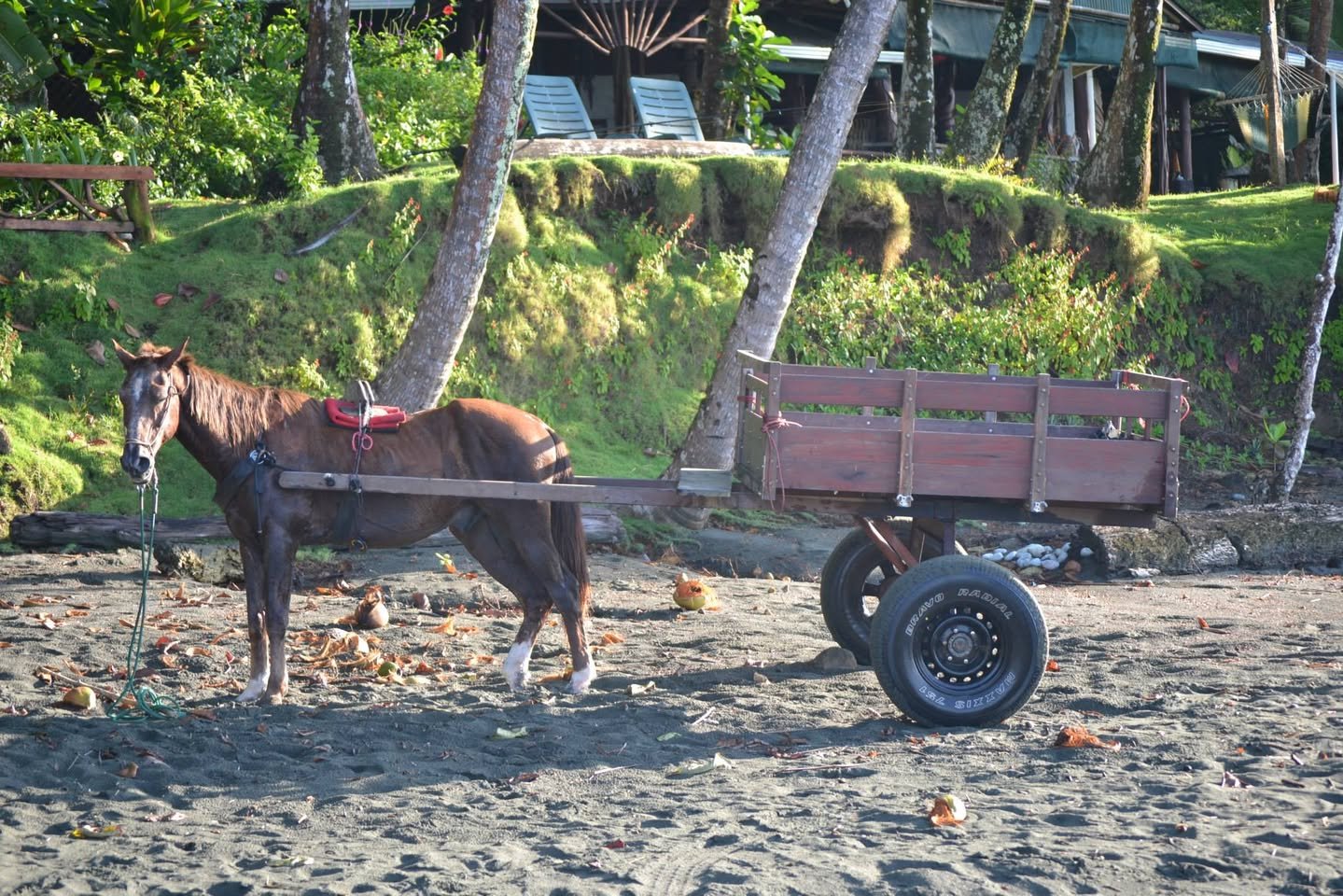
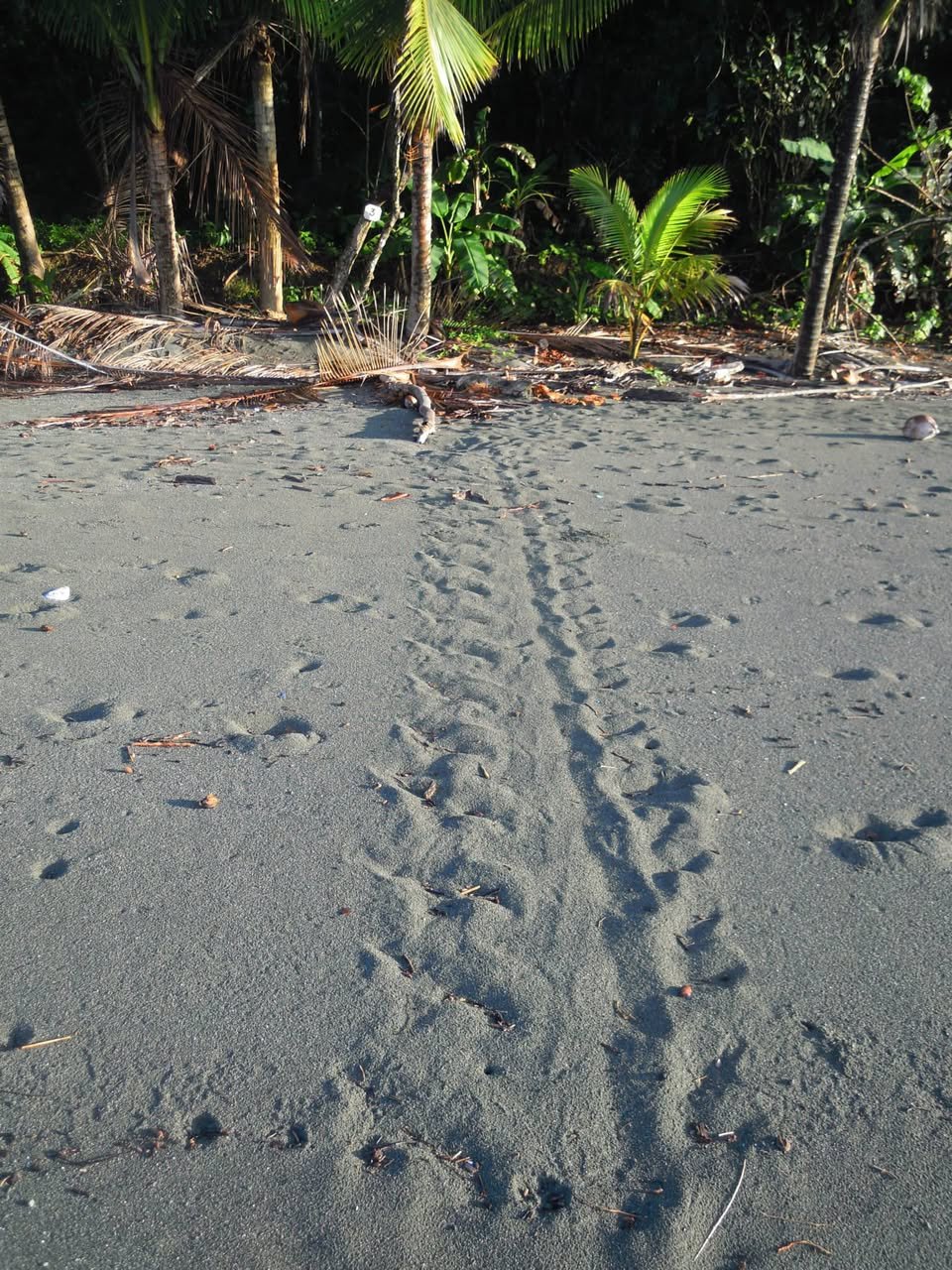
Out on the sand, sea-turtle tracks were left clear and unmistakable — the dragging line of a heavy body, pressed dot by dot into the beach. A turtle had come ashore in the night to lay eggs. I never saw the turtle itself, but the trace alone made it clear: this is a place where life is at work.
Bahía Drake — An Unexpected Bicycle Race
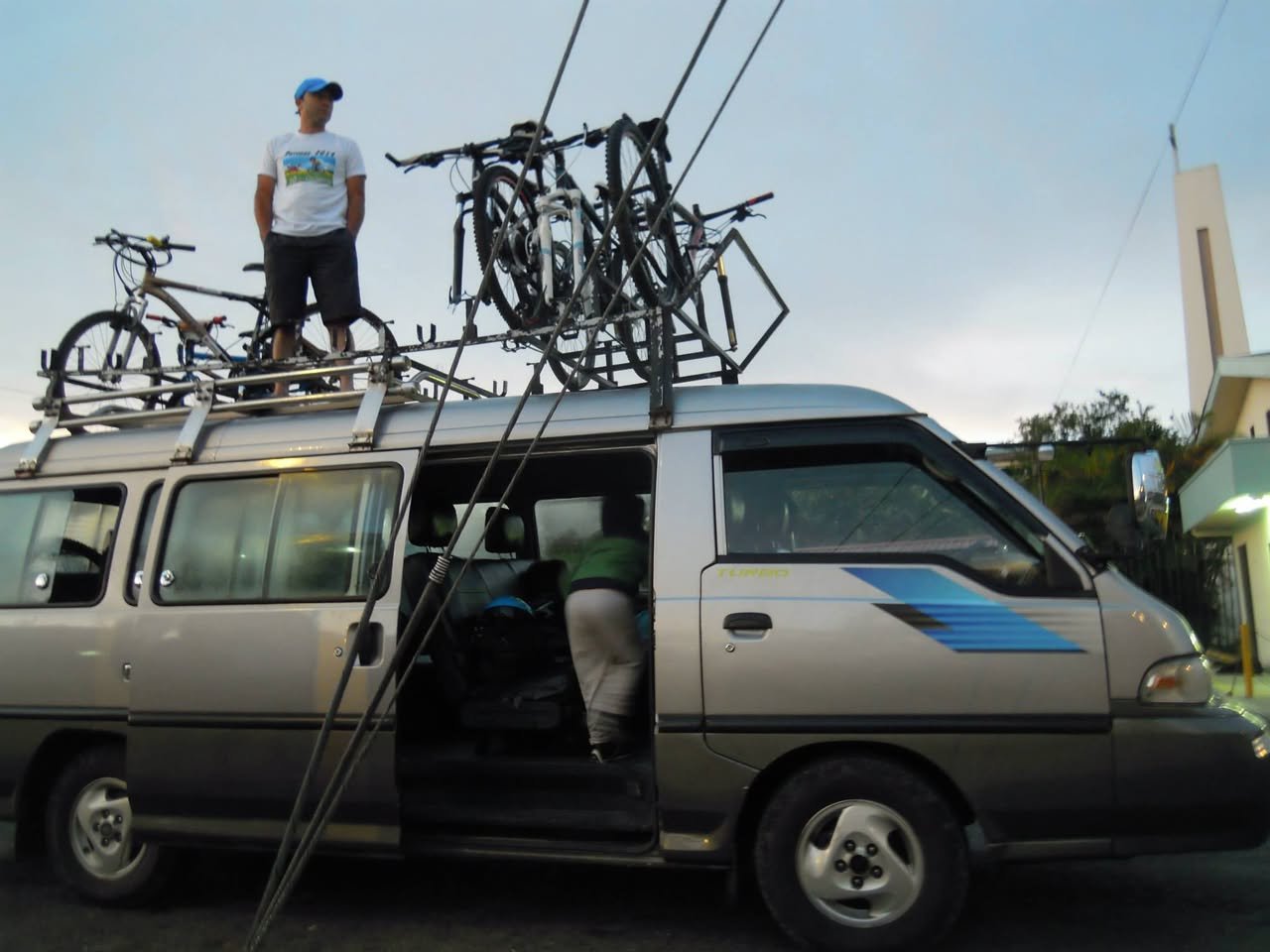
The following March, in 2014, I headed for Bahía Drake (Drake Bay), on the northwest of the Osa Peninsula. It started with a casual invitation from Mariano, someone I'd met through work: "Want to ride bikes to the sea on Friday after work?" Even knowing that nine out of ten people there would be strangers, if I'm invited, I go. That's my rule.
When I arrived, everyone was straddling pro-level bicycles. The men and women with bellies were dressed like pros too. It turned out to be a serious race. With my well-worn JICA-issued bicycle — and not even knowing it was a race — I gave up on entering and headed to the sea by car. My cycling-mad father would love this country, I thought right then.
Bahía Drake is said to take its name from a legend that the 16th-century navigator Francis Drake anchored in this bay. The sea is calm, and from here you can take a boat to Caño Island or to the northern side of Corcovado National Park. It is the peninsula's other gateway.
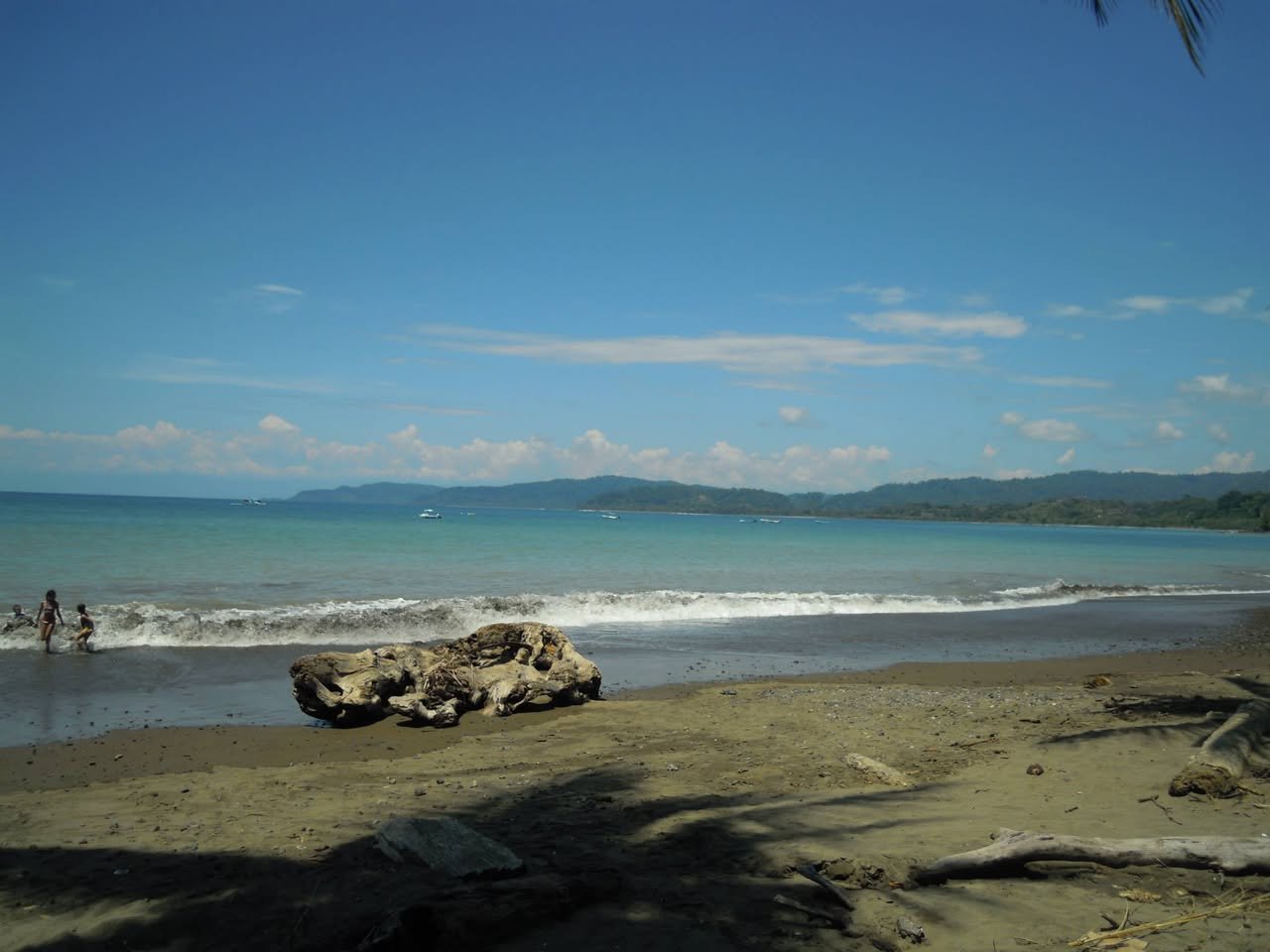
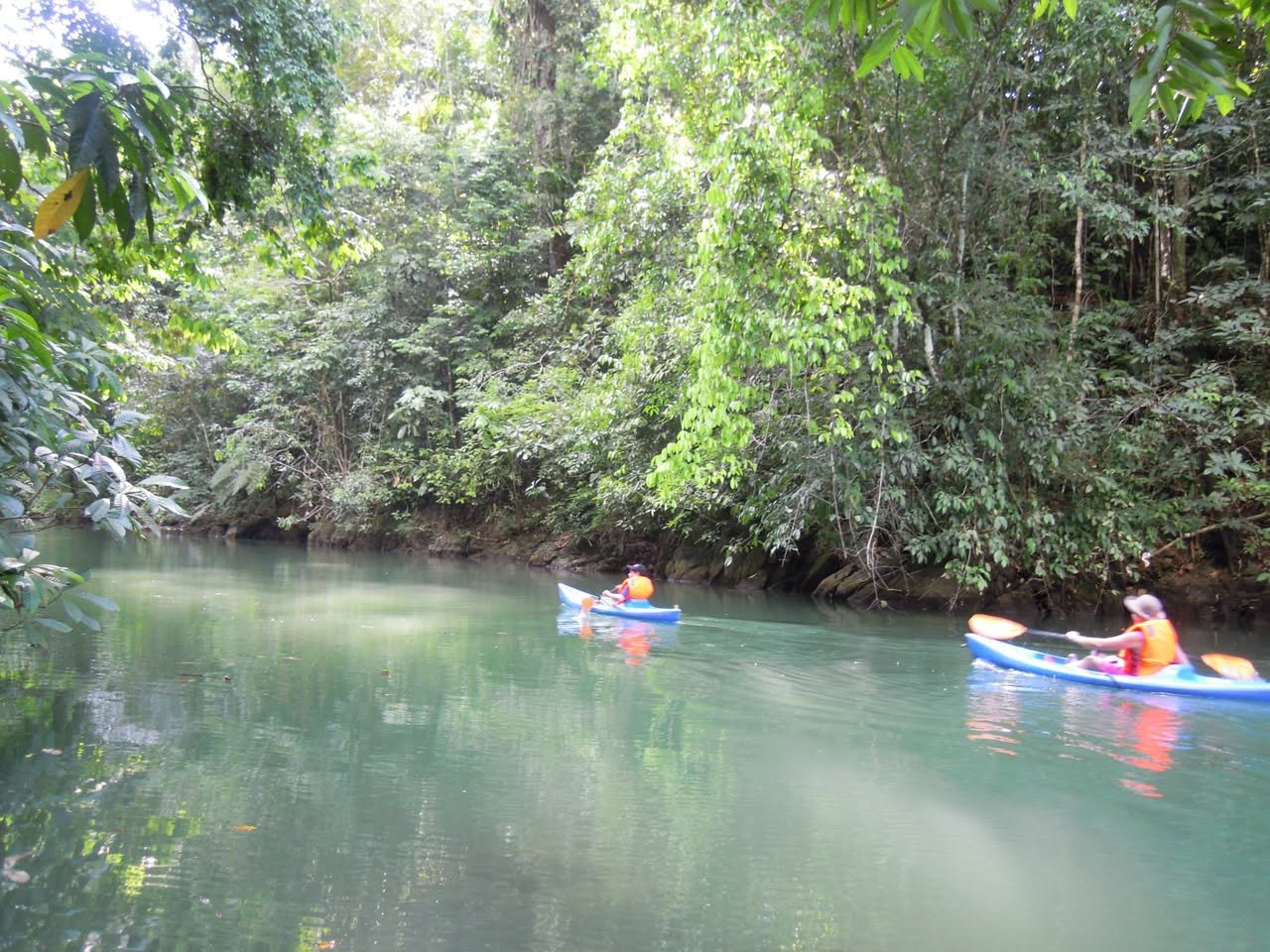
The most fun I had that day was swimming in the river. I borrowed a kayak from a boy who happened to be there, and we played at capsizing it over and over. The boy's mobile phone got thoroughly soaked. And still, everyone there was laughing. What a wonderful country, I thought, plainly.
"The Most Biologically Intense Place on Earth" — The Miracle of Corcovado
Corcovado became a national park in 1975. Across the southwest of the Osa Peninsula, some 424 square kilometers of primary rainforest spread out. It is one of the few places in Central America where a substantial block of lowland tropical rainforest still survives.
National Geographic's description of this place as "the most biologically intense place on Earth" is often quoted when people talk about Corcovado. Costa Rica makes up only about 0.03% of the world's land surface, yet is said to host roughly 5% of the planet's known species. Corcovado is one corner where that density is concentrated further still.
And yet this forest was not protected from the start. In the 20th century, gold was found on the peninsula, and there was a time when oreros (gold panners) poured into the forest. They dug the rivers and cut into the woods. In the 1980s they were removed from the park, and the primary forest was — just barely — preserved. The forest we can now walk with a guide stands on the strength of that decision.
Tapirs, jaguars, and scarlet macaws — animals that have dwindled elsewhere are still alive here. That scarlet macaw, perched in a branch and showing off its deep red feathers, was one bird that stood for the miracle that is Corcovado.
A bus and a boat to the peninsula, a 4:30 wake-up to walk the forest with a guide, stumbling into a bicycle race, capsizing a boy's kayak for fun. I had barely planned a thing. And still the Osa Peninsula took me in whole, knowing nothing.
The most "intense" place in Costa Rica is probably right at the edge of the map.
Travel Guide (general information)
※ This section combines public information with the author's notes. Please confirm the latest park rules and tour conditions on official sources (SINAC) and with local tour offices.
Corcovado National Park
- Location: Southwest of the Osa Peninsula, Puntarenas province. About 424 km² of lowland rainforest (designated 1975).
- Ranger stations: Sirena, La Leona, San Pedrillo, Los Patos and others. Sirena is the deepest base inside the park.
- Guides: Entry requires being accompanied by a certified guide. It's safest to arrange a tour at least a day ahead.
- Season: The dry season (December–April) is easier walking. In the rainy season trails turn to mud and rivers can swell.
- Wildlife: Scarlet macaws, Costa Rica's four monkey species, tapirs, coatis and more. Jaguars live here but are rarely seen.
Access (two gateways)
- Puerto Jiménez: The main town on the peninsula's east coast. From San José by domestic flight, or by long-distance bus (about 8 hours overland). Base for the La Leona / Sirena side.
- Bahía Drake: On the northwest of the peninsula. Reached overland or by boat from Sierpe. Base for the San Pedrillo side and for Caño Island tours.
- From the towns, reaching the park itself takes a further boat ride or hike. Early-morning departures are the norm.
Tips for spotting wildlife
- Animal activity peaks early morning (5–8 AM) and late afternoon. The early tour starts make sense.
- A local guide's "eye" is on another level — they find monkeys hidden in leaves and camouflaged creatures one after another.
- Phone zoom hits its limit fast. A pair of binoculars (around 8x42) changes the experience.
- Wear non-slip shoes, bring insect repellent and sun protection, and drink water often.
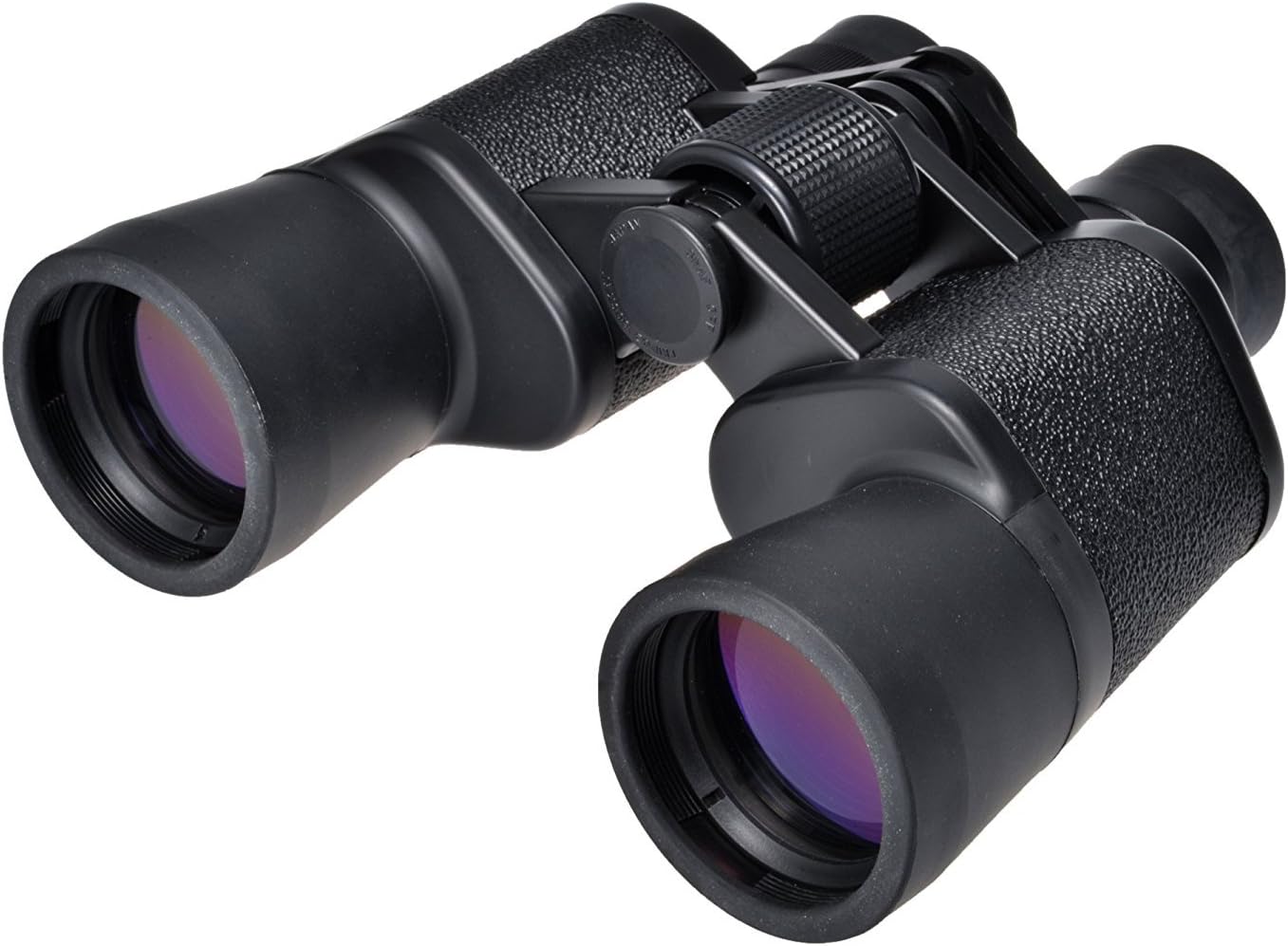
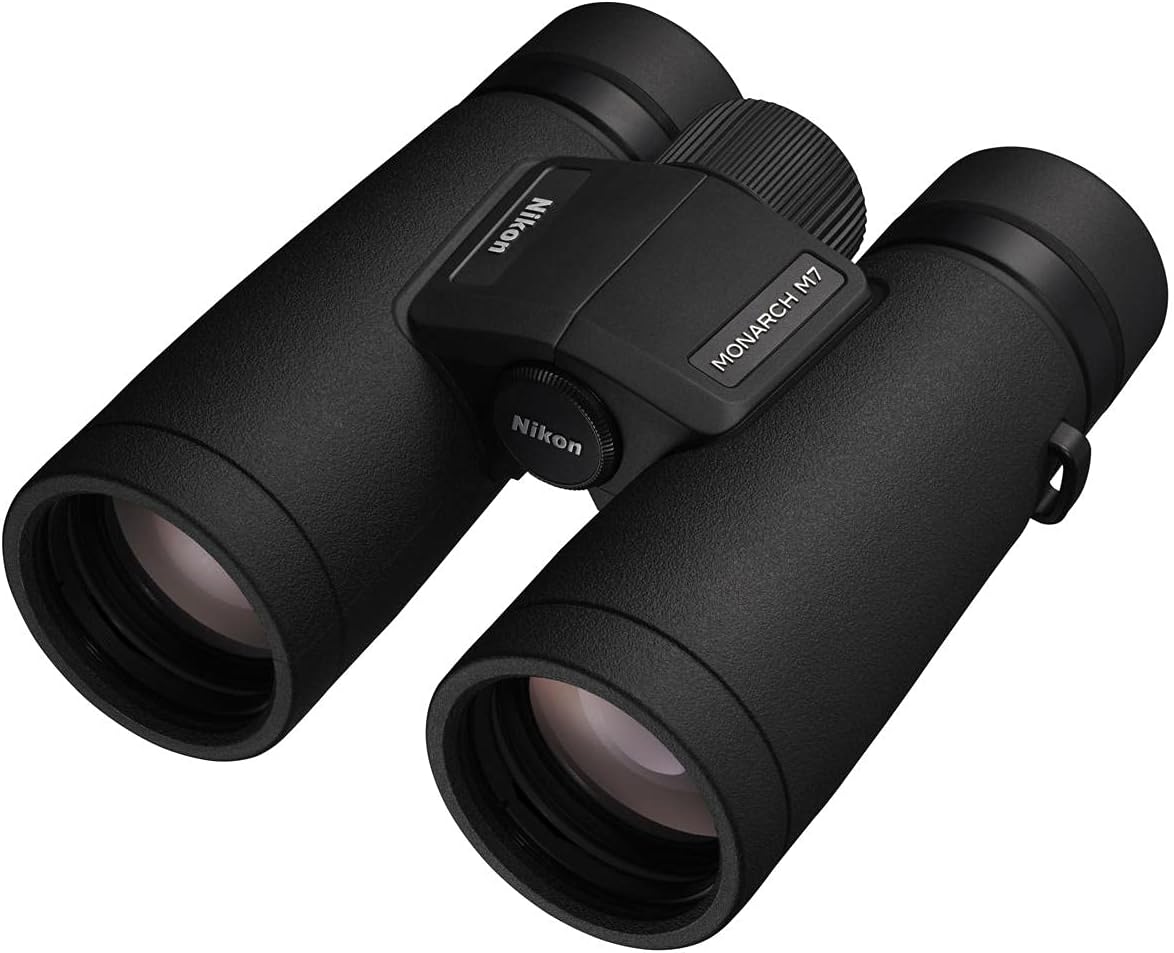
Pack a pair of binoculars for the forest walk. In Corcovado, the animal the guide is pointing at is often "impossible to find with the naked eye." If you want to see the monkeys high in the trees, or the faces of the birds out on the branch tips, a pair of 8x42 binoculars changes the resolution of the whole experience. From entry-level models to a step up with Nikon, it's easy to choose by use and budget.