"A package arrived from Japan. They won't open it for me."
Four months into my JICA posting in Costa Rica, in January 2014, this happened.
The shifty delivery man
It started with a sketchy guy.
A man — couldn't tell if he was actually a delivery worker — came to the house with a slip of paper. He asked the host abuela to sign for it, but she refused to sign for a package whose sender she couldn't identify.
That was probably my package. A Christmas gift from family back home.
To the post office at the Panama border
San Vito doesn't have a post office. To pick up a package, you drive 30 minutes to Paso Canoas, the Panama border town.
At the post office, an 800-colón handling fee (about US$1.50 at the time). Just as I was finishing the paperwork, the clerk dropped this:
"Since this is from Japan, you'll need a customs inspection."
Right, of course. Three minutes' walk to the customs office.
Customs and "Costa Rica Time"
The customs officer wasn't ready to start. "Costa Rica Time" kicked in (breakfast plus coffee), and they returned only when good and ready. About an hour of waiting later, the box was finally opened:
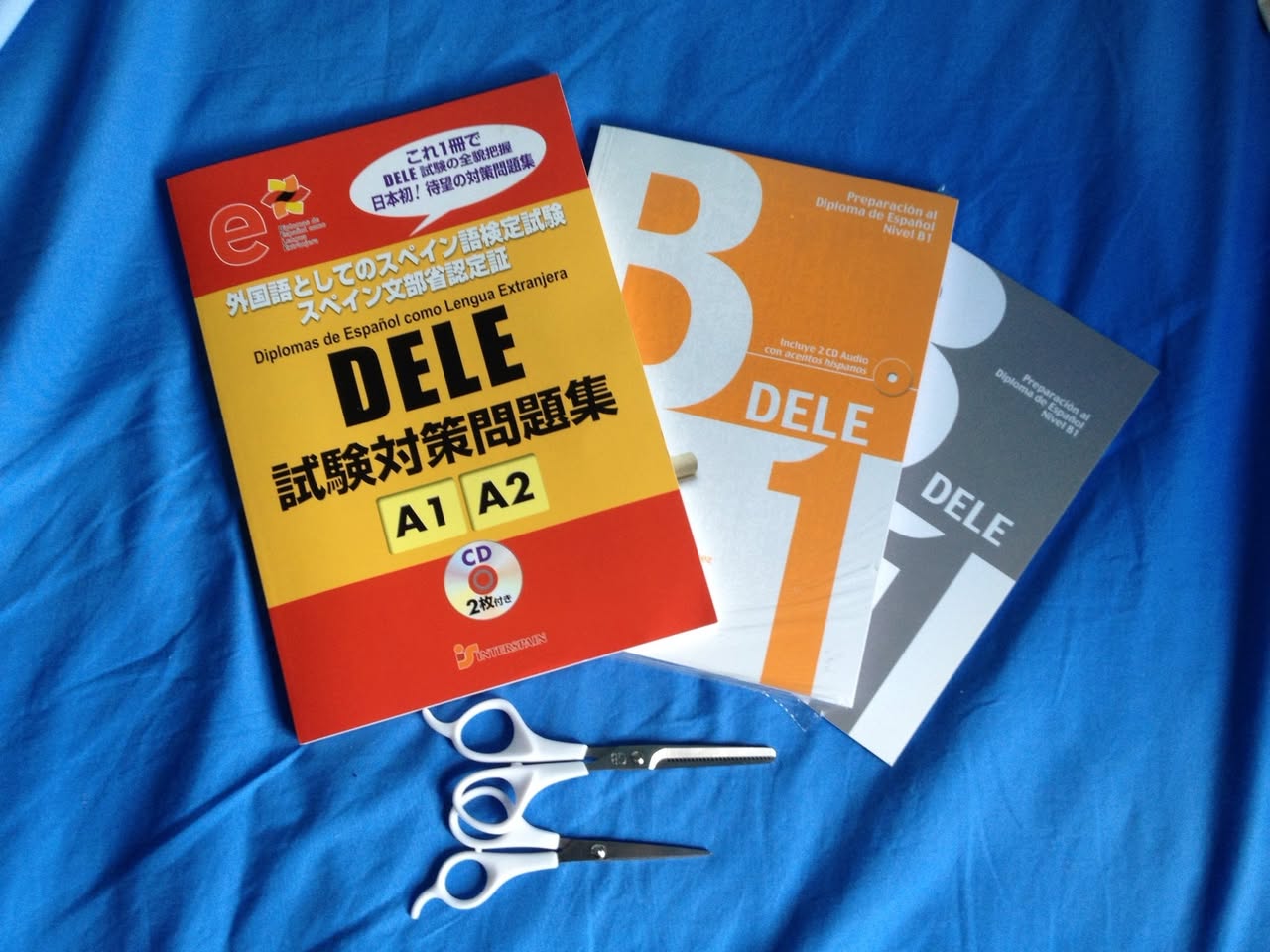
- Textbooks (DELE Spanish exam prep)
- Thinning shears
- Various sweets
- And — 28 mochi
For a moment, my brain stopped. Why mochi?
For a while now I'd been telling family I missed Japanese rice. The previous Christmas had brought a parcel of rice in a plastic bag — not even a microwave pouch — labeled "do your best, eat it." Surviving that, January's follow-up delivery was mochi. The chain of reasoning at home was probably:
"Rice alone is sad. Japanese New Year? That means mochi."
San Vito sits at 980m and stays cool, but Paso Canoas is at near-sea-level by the Panama border and is hot and humid year-round. Mochi shipped out in mid-Japanese-winter, warmed during a long flight and parked in lowland heat after the new year — well, of course they were giving off a smell. The officer made a face and counted them anyway, one by one. 28 New Year's mochi. Less of a logical purchase, more an explosion of family affection.
The verdict followed:
"You can pay duty on the textbooks and the shears and we'll release them. Foodstuffs require a Ministry of Health permit from San José."
Ah — this is what training had warned me about.
Duty on the textbooks and shears: 5,300 colones (about US$10). I took those, left the mochi and sweets at customs, and was told: "go to the Ministry of Health, get the permit, then come back here."
6 hours each way is impossible
San Vito to San José, where the Ministry of Health sits, is 6 hours one-way. Not a day trip — at minimum two days with an overnight. Plus:
- Permit application has its own fees
- Each food item is taxed individually
- Other people's blogs reported being told "have the manufacturer send a chemical analysis certificate" or "have a Costa Rican lab test the contents"
Duty on each of 28 mochi. Mochi giving off a smell. Manufacturer chemical certificate.
I put my hands to my head. Spanish has a perfect phrase for it — llevarse las manos a la cabeza (to bring one's hands to the head).
The officer, looking sympathetic but bound by procedure, suggested in soft terms, "It might be better just to throw it away."
On the way home, I caught myself muttering "throw it away, throw it away" about ten times under my breath. Not at the officer — more at the mochi I'd left behind.
What I learned
- Costa Rican postal reality: Correos de Costa Rica's delivery network is metro-centric. In rural areas, you go pick up packages at the nearest large border or city post office.
- Food import rules are real: Even personal imports need Ministerio de Salud registration or permit. Food safety law applies to JICA volunteers like everyone else.
- Mochi count as hazardous: Smell + extended storage = "we don't know what this is" — that was probably the officer's honest read.
Over my two years in Costa Rica, customs stopped my packages twice in total. The second time (November 2014) I didn't give up after the same procedure, and I did get some food items released. The trick is "commercially packaged products with English or Spanish ingredient labels." Homemade items or Japanese-only labels don't make it through.
That January, I went home with just textbooks and the shears in hand. The 28 mochi — they're still at Paso Canoas customs. Or rather, they're definitely not, by now.
Four months in, and I finally understood, in my gut, the basic fact: "Japanese food just isn't really available here." From that day, I got increasingly good at living on Costa Rican rice and beans (gallo pinto).
Travel Guide (general info)
Note: This section is editor-supplied based on public information. Confirm current rules officially.
Importing food into Costa Rica
- Authorities: Ministerio de Salud and MAG (agriculture). SENASA / SFE for animal/plant products
- Registration: Processed foods sold in Costa Rica need an RSI (Registro Sanitario de alimentos). Personal imports above thresholds may require similar steps
- International mail: Correos de Costa Rica delivers, but rural areas often pick up at the nearest border post office (e.g., Paso Canoas)
- Tariffs: Tariff + 13% IVA + handling fee. Watch the customs declaration form (Declaración Aduanera) wording
Tips for sending Japanese food from Japan
- Commercial packaging with English or Spanish ingredient labels
- Dry goods preferred: tea, nori, freeze-dried miso soup tend to clear easily
- Avoid fresh / refrigerated: mochi, kamaboko, katsuobushi (anything fermented or moisture-rich) tends to get stopped
- Customs slip: write
gift / personal use only / no commercial value - Value: Above ~USD 100 the chance of duty assessment rises sharply
For expats and visitors looking for Japanese food
- San José has Asian grocery stores carrying Japanese ingredients (current store list varies — check)
- Big supermarkets (Auto Mercado, Walmart) carry imported soy sauce, rice, instant noodles
- Japanese restaurants in San José — for a rural posted volunteer, an annual treat