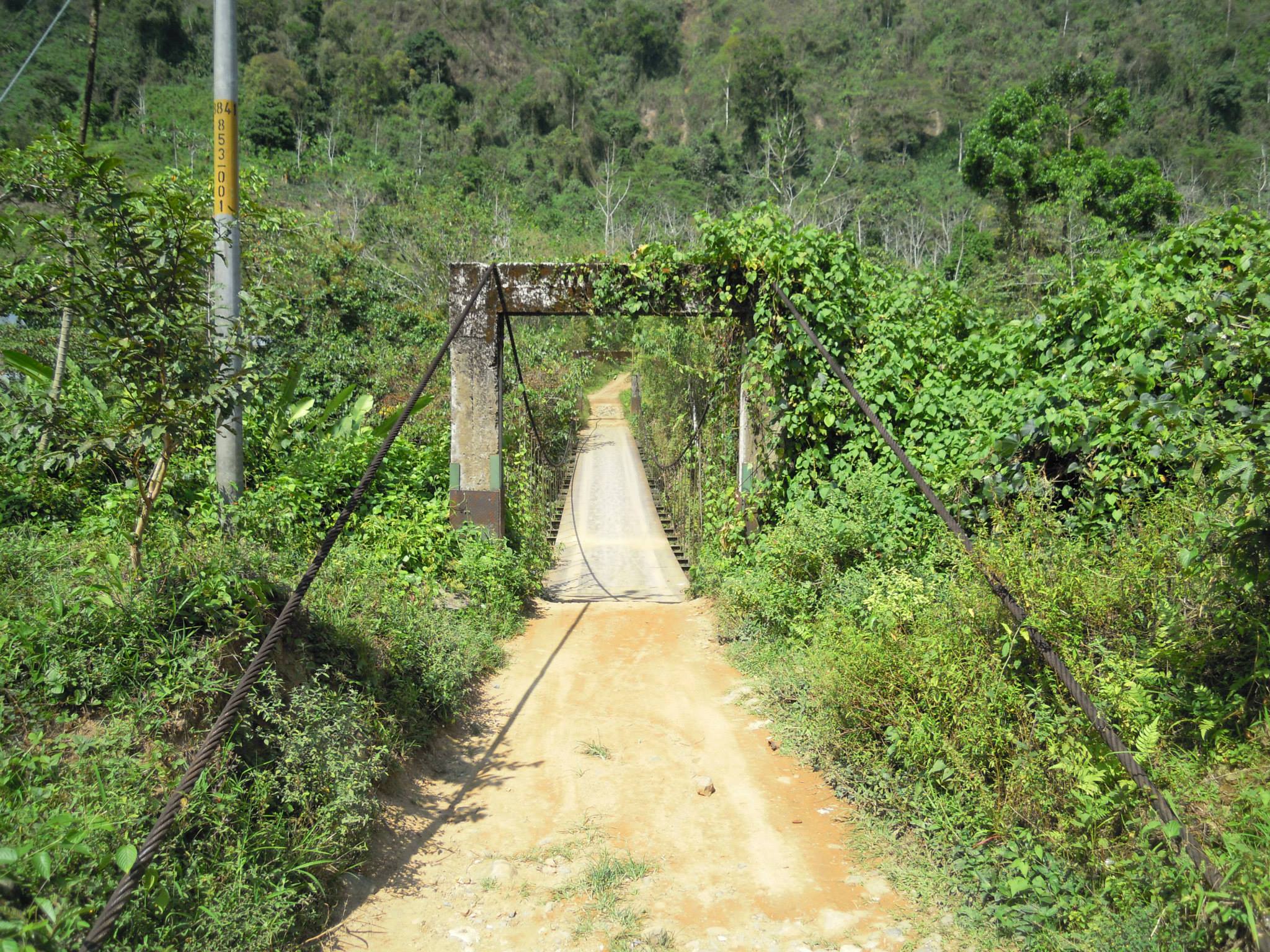
An hour or more up a winding mountain road from San Vito, you'd reach a village of the Ngäbe, one of Costa Rica's indigenous peoples.
My weekly rotation as a JICA volunteer was: Mondays at the recycling center, Tuesdays and Thursdays at the San Vito clinic, Wednesdays in this indigenous village, and Fridays at the nursing home. The first time I rode out toward the village, what I saw through the car window was a road shared by horses and cars in equal measure.
The Ngäbe and Their Language
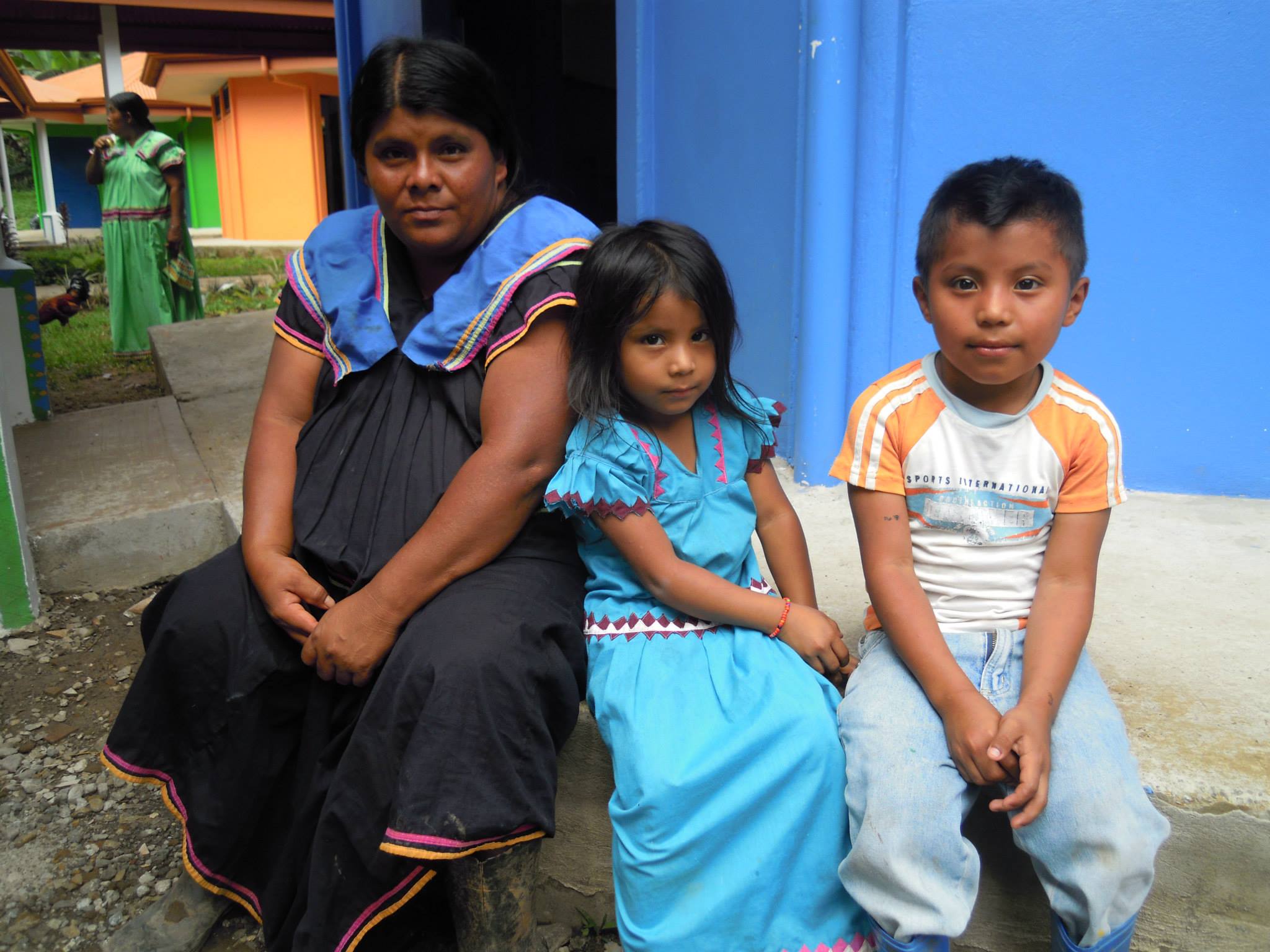
About 2.4% of Costa Ricans (around 110,000 people) are indigenous, and the government recognizes 8 peoples and 24 protected territories (territorios indígenas). The Ngäbe straddle the Panama border and form one of the largest indigenous groups in the region, with several territories in southern Costa Rica (such as Coto Brus and Abrojos Montezuma in Coto Brus canton).
Among themselves, villagers spoke Ngäbere, a Chibchan language with a long oral tradition documented since the era of Catholic missionaries. With outsiders like me, however, conversation was in Spanish. Most people from kids to elders spoke functional Spanish, so I rarely had communication issues in the field.
Right after I arrived, my counterpart told me: "you should learn some Ngäbere too, it'll help with the work." Probably true — but Spanish alone took everything I had every day, and I never actually picked up Ngäbere. Building rehab explanations, treatment summaries, and home-exercise instructions in Spanish was the limit of my mental bandwidth; layering another language on top was impossible.
"Didn't have time to learn the second language" — that's probably a small regret most volunteers in this region carry.
The Clinic with One Treatment Table
The village clinic had one waist-height treatment table. That was where pediatric rehab, geriatric back pain, post-fracture follow-ups — all of it — happened. Equipment was almost nonexistent. The municipal clinic in San Vito itself had a full set of Japanese-donated equipment; out here in the village, there was simply nothing — that was the gap.
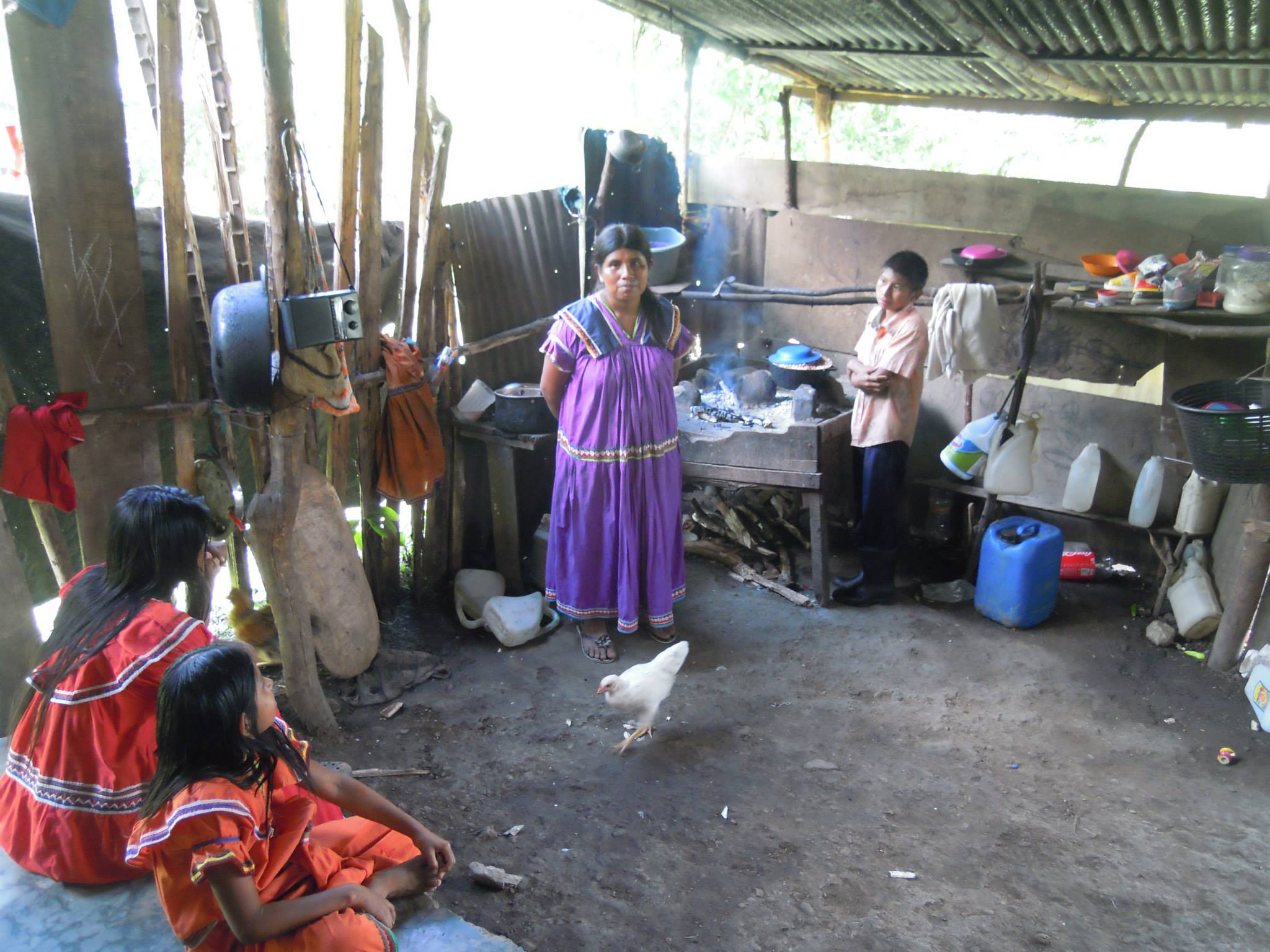
And yet the health challenges of this territory are severe:
- Nutritional imbalances raise the risk of chronic disease
- Limited sex and reproductive education: childbearing in the early teens is not unusual; infant mortality runs higher than in the metropolitan area
- Higher rates of consanguineous unions raise the relative risk of congenital conditions
These overlap with the structural challenges of indigenous health across Latin America — well-documented by the World Bank, the Pan American Health Organization (PAHO), and Costa Rica's national statistics institute.
Learning at the Clinic that Today's Visit Is Off
One Wednesday morning I went into work and was simply told: "no village today."
The clinic schedules were probably set in advance. But because I'd been told my Wednesday rotation was always to the village, I'd often only learn about a change after arriving at the clinic. The habit of advance notice didn't really exist there at the time.
Patients are waiting — some have walked or been driven over an hour by family. Calling them later isn't really an option either: most homes in the village had no landline, and cell coverage was patchy at best.
Tranquilo tranquilo mae. ¡¡Pura Vida!!
I'd be tempted to mutter that out loud, but I kept it inside my head and tidied up my desk instead.
The Legacy of Proyecto Kàloie
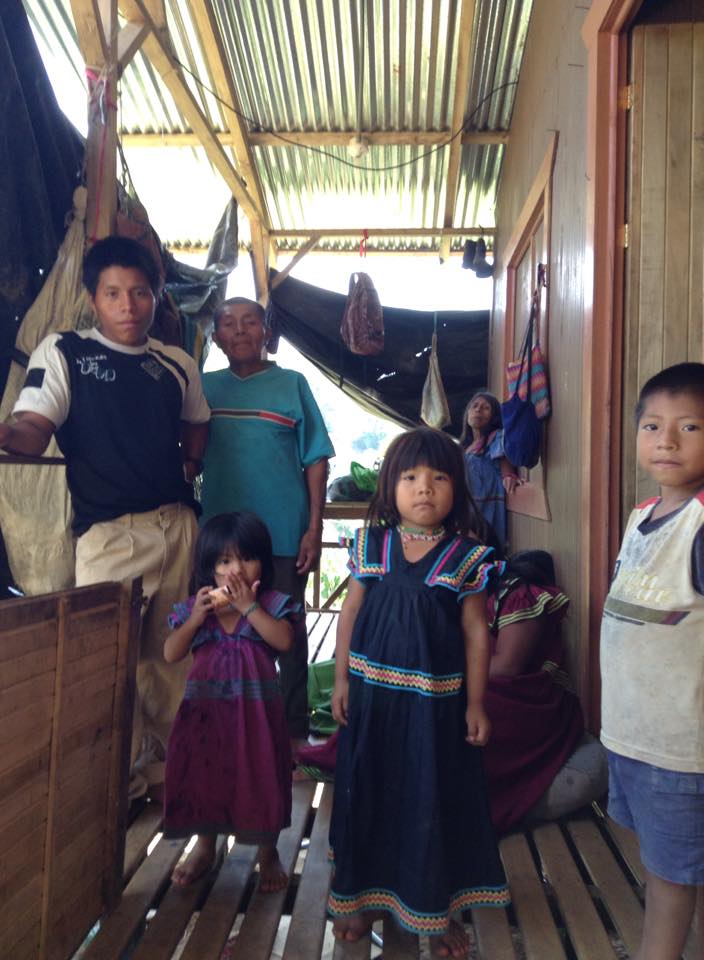
Before I arrived, JICA had run a 5-year project in Coto Brus called Proyecto Kàloie. "Kàloie" is an indigenous word meaning "we are all products of the same earth."
The pillars of the project were:
- Empowering people with disabilities and their organizations
- Promoting inclusive local development
- Linking the National Rehabilitation Center (CENARE) with rural areas
- Improving well-water and other environmental factors that contribute to disability
This work continues today through CONAPDIS (the National Council for Persons with Disabilities) and local partners. What one volunteer can do is small. But if I could leave even part of a baton for the next person on a 5- or 10-year horizon — that's what cooperation actually is. With that thought, I kept going up the mountain.
Travel Guide (general info)
Note: Indigenous territories are not tourist destinations. This section is intended as background and visiting etiquette.
Indigenous peoples and territories of Costa Rica
- Legal framework: Costa Rica's Indigenous Law (Ley Indígena 6172, 1977) recognizes 24 protected territories. Land is collectively owned by indigenous communities
- Main peoples: Bribri, Cabécar, Ngäbe, Térraba — 8 peoples total
- Healthcare: Covered under national insurance (CCSS), but actual utilization is far below metropolitan rates due to geography, language, and cultural barriers
If you do visit
- Not tourist destinations: Many territories do not accept casual visitors. Entering without permission may violate Costa Rican law
- Permission: Go through approved community-run tour operators
- Photography: No personal photos without consent; never photograph rituals or funerals
- Local guides: Bridges both language and culture — prioritize tours run by community members
If you want to learn more
- CONAPDIS — Costa Rica's national disability council
- CENARE — National Rehabilitation Center, San José
- JICA Costa Rica office — public materials on past cooperation projects