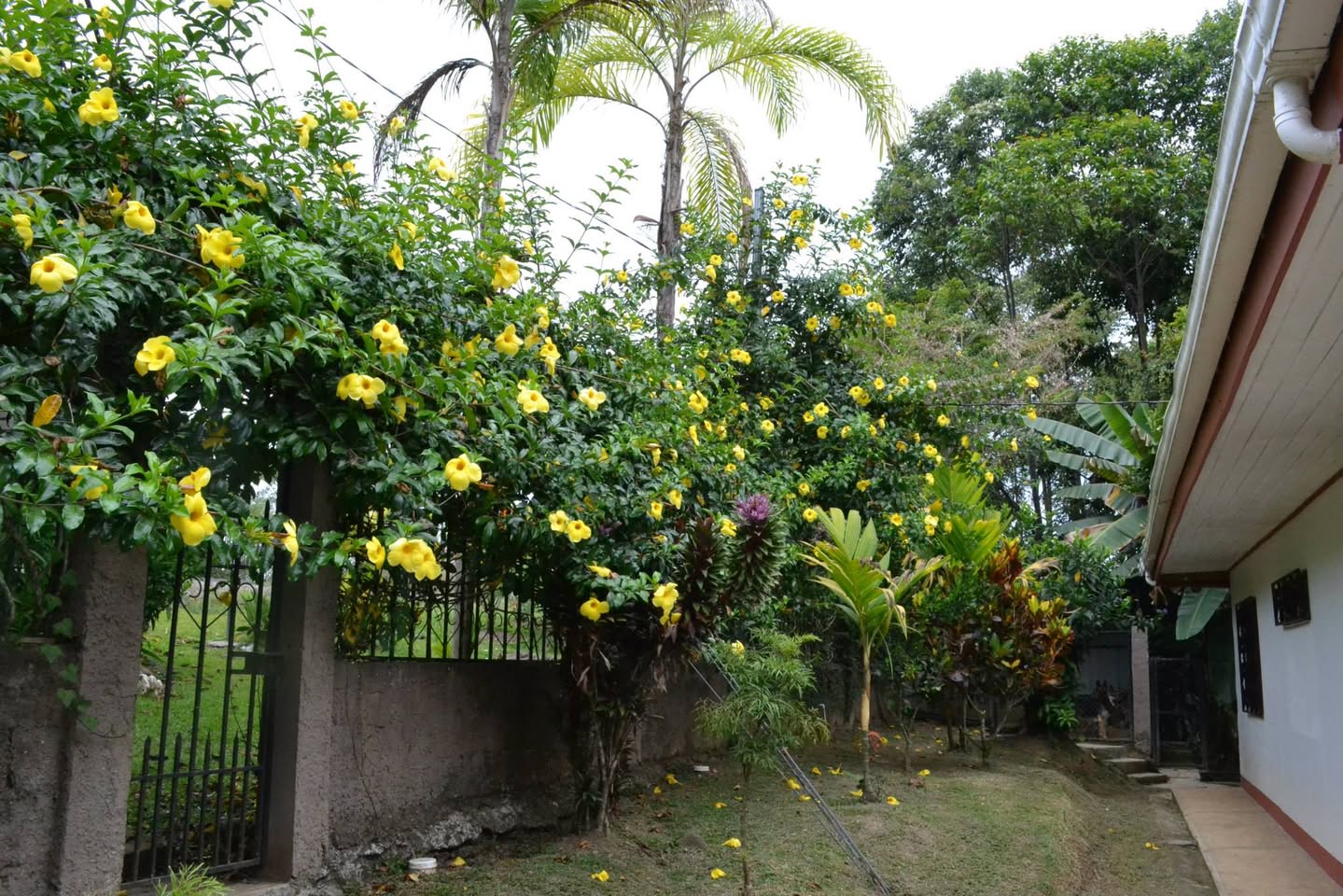
San Vito is a small town of about 14,000 people in the Coto Brus canton of southern Costa Rica. At 980m elevation, it sits 6–7 hours by bus from the capital San José. Most strikingly, the Panama border is just about 30 minutes by car—this is the southern edge of the country in the most literal sense.
In October 2013, I came here as a JICA volunteer (physical therapist) for a two-year posting. The first time I saw the town, I remember thinking, "this is exactly the kind of place I'd pictured when I imagined where overseas volunteers worked—and I was right."
The Host Grandma's "You're Family — Make Yourself at Home"
I lived in the home of an elderly host abuela (grandmother) in the center of town. At our first meeting she greeted me with this:
"You're my grandson now. Use the house however you like."
The Latin American family warmth — and the lack of personal-space convention — caught me off guard. But this house became my home in San Vito for two years. She mended my torn jeans, slowed her Spanish for me, and let me know that the family cat had been scratching at my door, crying, while I was away on trips.
Incidentally, she's the one who taught me what "hula hoop" is in Spanish — ula ula, apparently.
30 Minutes to the Panama Border
From San Vito, take Route 2 south for about 30 minutes and you arrive at Paso Canoas, the Panama border town. Duty-free shops line the streets selling alcohol, perfumes, and watches at low prices.
One of my colleague doctors had a casual way of inviting me out:
"Mae, you got plans after this, mae? If not, I'm going to Panama to buy perfume for my sister, come along, mae."
Costa Rican men love the word "mae"—a versatile address word meaning roughly "dude / bro / hey." It can land at the start, middle, or end of a sentence.
After our shopping trip, the doctor announced with full pride:
"Mae, now you can say you've been to Panama, mae!"
The Rhythm of a Rural Town
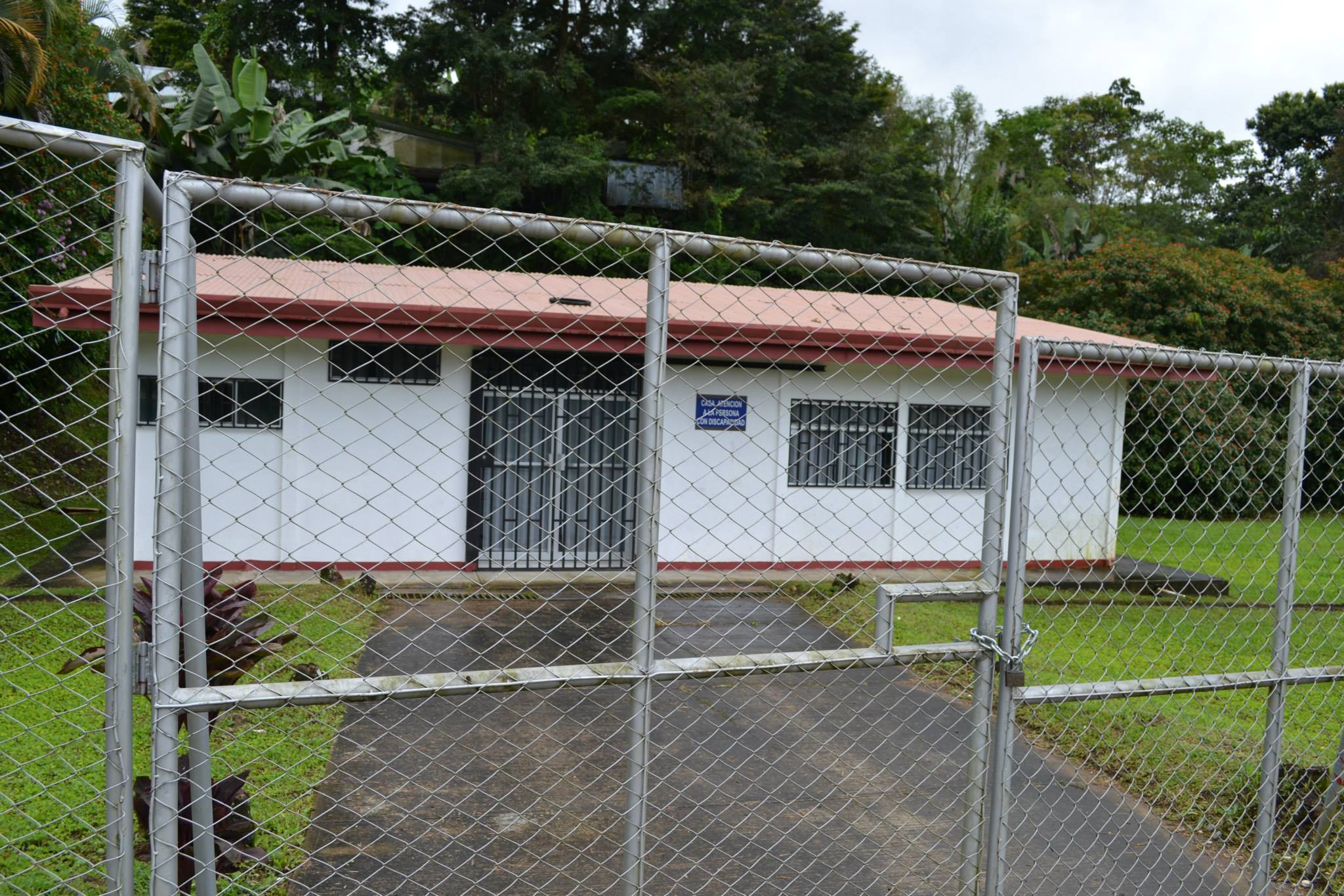
My week rotated through four sites: Mondays at the recycling center, Tuesdays and Thursdays at the San Vito clinic doing rehab, Wednesdays an hour-plus up a mountain road into the indigenous village, and Fridays at the nursing home. More on the actual PT work in Costa Rica Stories #8.
After work, I'd play soccer or basketball with the local high schoolers. Soccer is the national sport of Costa Rica, so of course they were all good. Basketball was another story — they'd insist they "knew the rules" and then commit double-dribbles and travels every other possession. I gave up on calling fouls and accepted that fun is fun.
I went to a workplace fiesta once. From 3pm to 11pm — eating, drinking, dancing, singing. About 10% of the people I knew, 90% I'd never met. Pure Latin American party energy.
That night, the BGM dropped Korea's globally-viral "Gangnam Style." I was surprised it had reached this corner of rural Costa Rica — but more surprised when I got drafted into dancing it.
"You're Japanese, right? Korean, right? Same thing, right? Show us how it goes, mae!"
The distinction between Japan, Korea, and China barely registers here. "Asian = the same" is the default frame, and the people saying it mean no offense by it. Rather than correct anyone, I gave in and danced a routine I'd never practiced. After getting home, I quietly studied the steps on YouTube — just in case the request came back.
"Tranquilo, Pura Vida" — Country Motto
Plans change constantly. Your counterpart vanishes for a long vacation, the staff doesn't show up on clinic day, and your home Wi-Fi cuts out in the middle of an online graduate-school entrance interview. I used to get angry. After about six months, I'd absorbed the local mantra:
Tranquilo, mae. Pura Vida.
Roughly: "It's all good, life is great." Pura Vida isn't just a greeting in Costa Rica — it's a working philosophy of life.
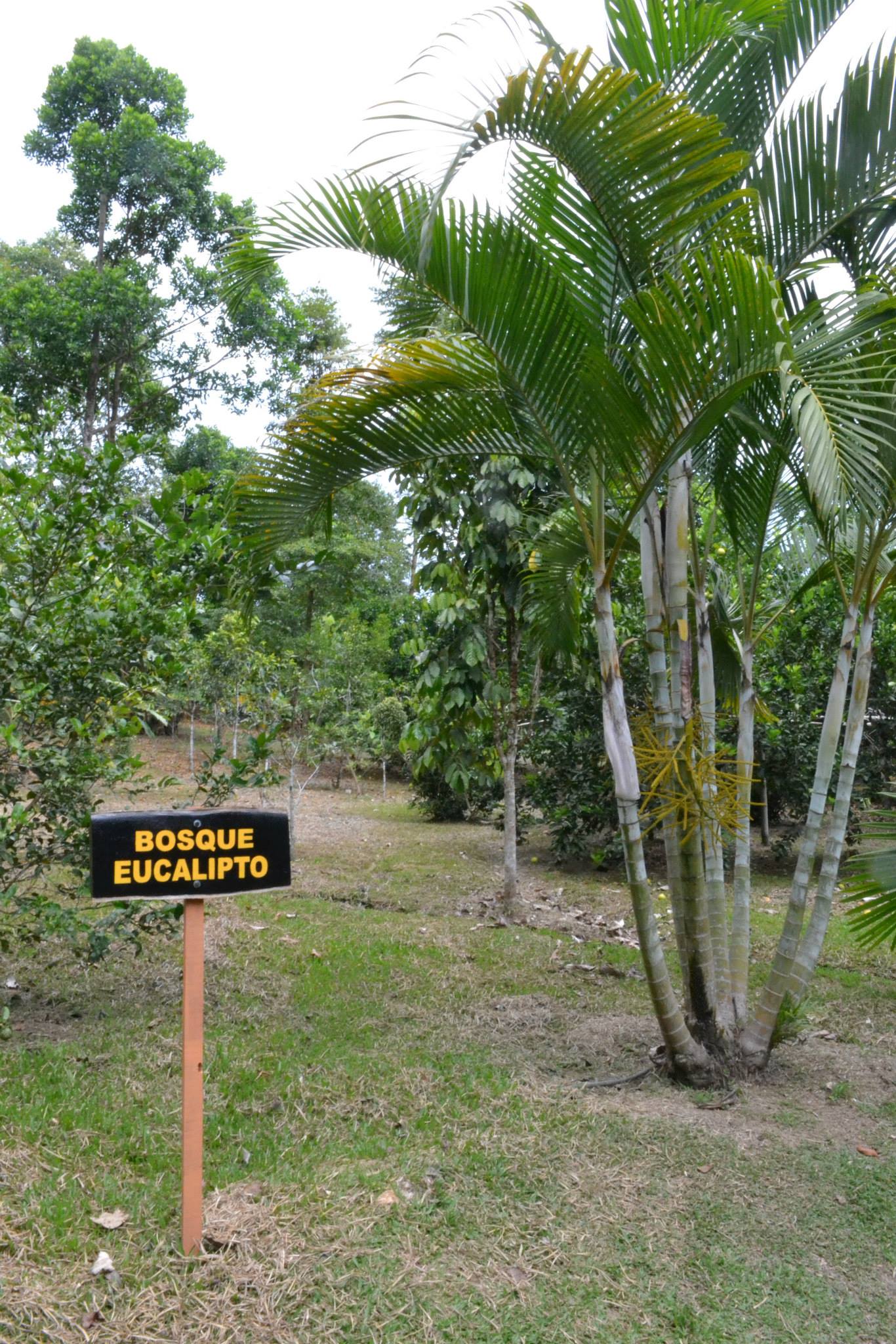
Two years in San Vito. The mountain town, the constant "mae," and the Panama border 30 minutes south. Even now, when I close my eyes, I can still feel the air of that town in the early evening, with the dogs running through the streets.
Travel Guide (general info)
Note: This section is editor-supplied based on public information. Confirm current schedules and rules locally and with official sources.
San Vito basics
- Location: Southern Costa Rica, capital of Coto Brus canton, Puntarenas province
- Elevation: ~980m. Average annual temperature 20–23°C — pleasant mountain climate
- Population: ~14,000 (Coto Brus canton). Italian immigrants settled here in the 1950s, building the town's coffee economy
- Languages: Spanish primarily; Ngäbere is also spoken in indigenous territories
Getting there from San José
- Bus: Tracopa terminal in San José, several daily departures, 6–7 hours
- Car: Pan-American highway (Ruta 2) via San Isidro de El General, 5–6 hours
- Air: Coto Brus has a small airstrip; small-plane service (SANSA etc.) — schedule subject to change
Nearby points of interest
- Wilson Botanical Garden / Las Cruces Biological Station: Run by Organization for Tropical Studies. Major orchid and tropical plant collection
- Paso Canoas: The Panama border town. Both sides have duty-free zones; perfumes, electronics, and liquor are cheaper
- Coffee farms: Coto Brus is one of Costa Rica's premier coffee regions. Several farms offer shade-grown coffee tours