I rode 2,400 km across Hokkaido on the XSR900. Counting the earlier SR400 trip, the total comes to about 3,500 km. Things I never thought about on the main island became problems in Hokkaido, and things I thought I'd need ended up untouched. Here's the gear that actually mattered, by category, after putting it through real use.
Related: → Three Hokkaido Trips: Routes and Lodging
📋 Table of Contents
① Bags & Loading
Hokkaido distances are long and you'll do many overnights. The realistic answer is side bags + a seat bag.
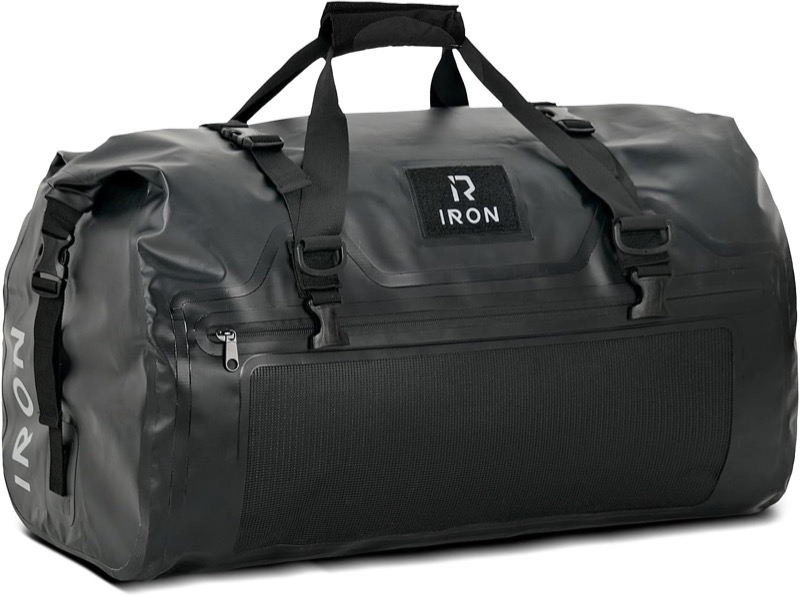
IRON JIA'S Motorcycle Seat Bag (Touring Bag)
Waterproofing was perfect — contents stayed dry through rain. Easy to mount, and an air valve lets you compress it down so it doesn't bulk up. 50 L holds a long-distance touring kit comfortably.
View on Amazon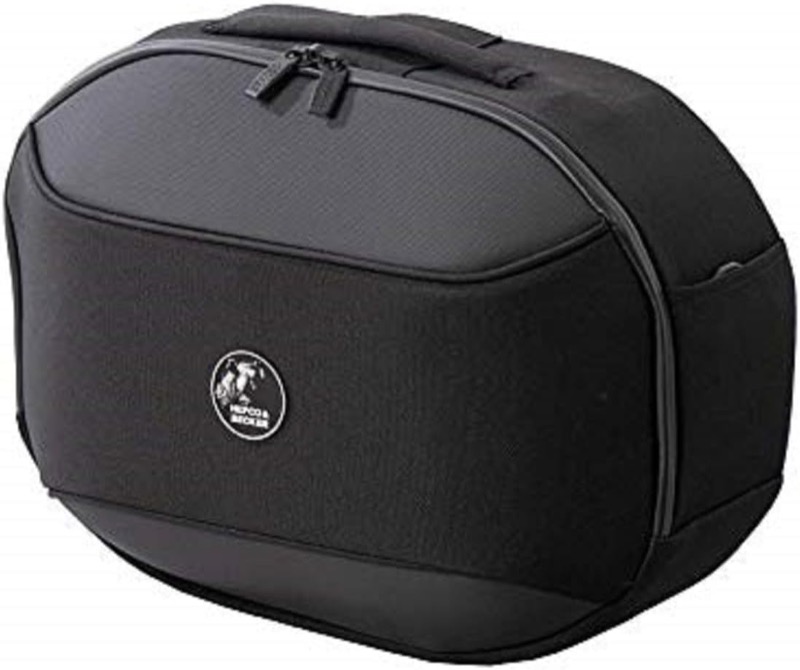
Hepco & Becker Soft Bag Street (640603-0001)
Mounts easily to a C-Bow side carrier and stays solidly stable while riding. The bag itself isn't waterproof, but the included rain cover handles rain, and the inner liner keeps contents dry through reasonable rain. 24 L total across both sides; I used these together with the seat bag.
View on Amazon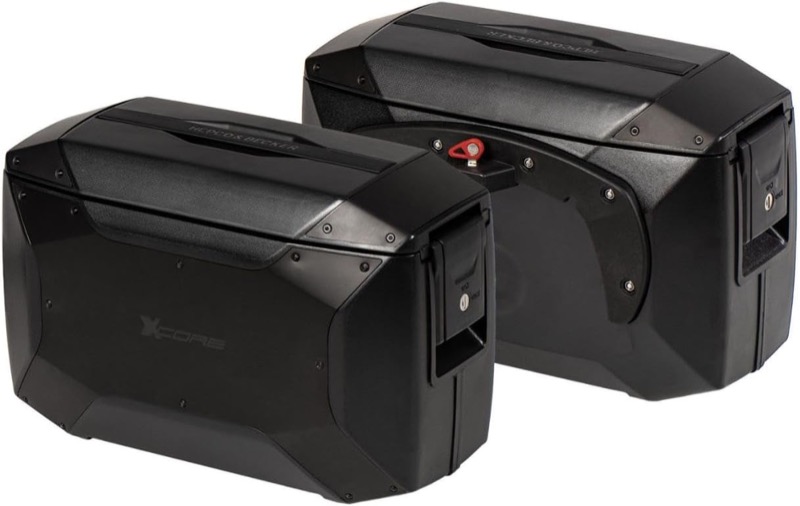
Hepco & Becker Side Case Xcore Pair (610295-0001)
Same C-Bow standard, an upgrade from the soft bag. The aluminum + polycarbonate + PBT hardshell construction gives high impact resistance, and being lockable provides real peace of mind when stepping away at lodging or campsites. Capacity of 18 L per side / 36 L total — about 1.5× the soft bags (12 L per side / 24 L total) — making them good for long trips and a serious Hokkaido loop. Not fully waterproof, so an inner liner is needed in the rain. The 2.8 kg per side adds weight versus the soft bags — worth keeping in mind.
View on Amazon② Wear
Hokkaido has big swings in temperature. Even when daytime is 20 °C, mornings and evenings can drop below 10 °C. Layering is non-negotiable.
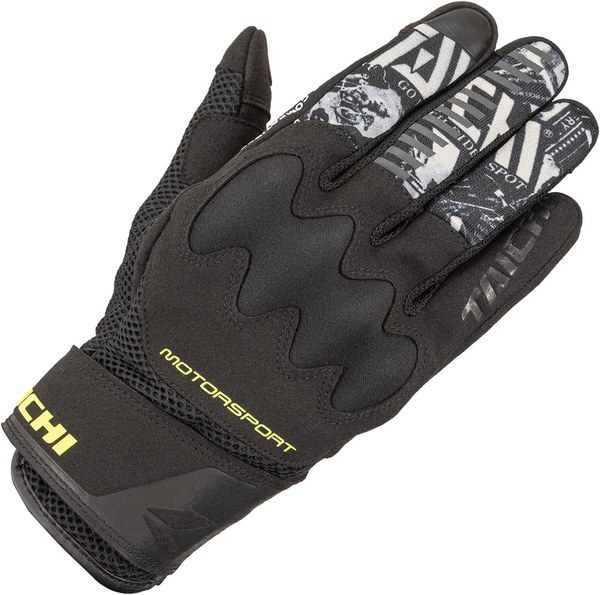
RS TAICHI RST460 VOLT AIR GLOVE
Hokkaido sees nearly 20 °C swings between morning and evening. In the daytime 20–25 °C range, a breathable mesh glove is comfortable. They pair well with the RS TAICHI shoes in the same line — kitting out in TAICHI gives a consistent look and fit. The hard knuckle and palm padding hold up to scrapes in a fall, and the index finger and thumb work on a touchscreen. Just note that for cold mornings and evenings (which can drop below 10 °C in eastern and northern Hokkaido) you'll need winter gloves or inner gloves as well. There are many size and colour options, so be sure to pick your size on the linked page.
View on Amazon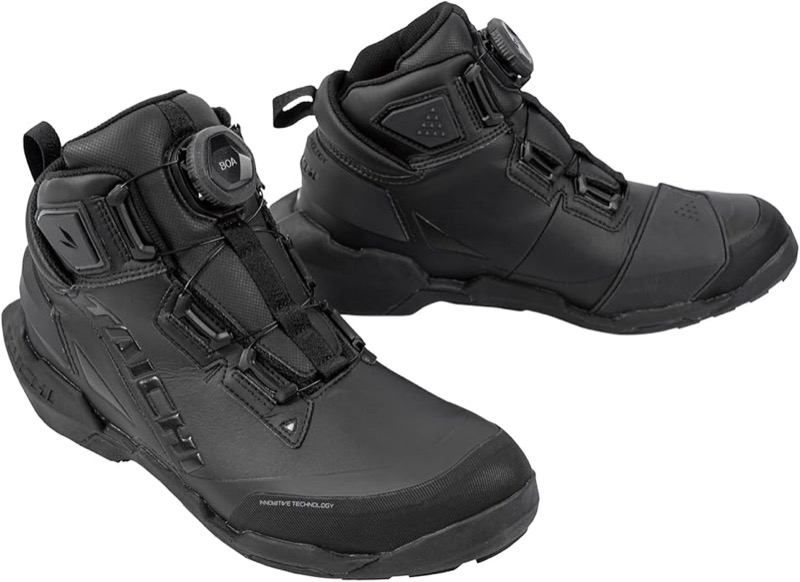
RS TAICHI DRYMASTER Arrow Shoes RSS013
All-weather riding shoes whose upper uses TAICHI's proprietary waterproof and breathable "DRYMASTER" material. The BOA dial makes putting them on or off instant; an outwardly extended sole and protectors inside and outside the shoe absorb impact on the ankle. The sole is light and walkable — usable for sightseeing on a touring stop. From actual use, the waterproofing handles light rain without water reaching the inside, so you can ride in confidence. In a downpour they will eventually take on water, so for known heavy rain, a regular rain boot is more reliable. Because they don't lock the ankle rigidly, walking around town or on stairs and trails at sightseeing spots is comfortable. They don't have the typical "tiring to walk in" feel of riding boots, which makes them practical to keep wearing once you're off the bike.
View on Amazon③ Rain Gear
Hokkaido weather changes fast. Even on a clear day, a downpour an hour later is common. Keep it in the bottom of your seat bag or an easy-to-reach spot in a side bag.
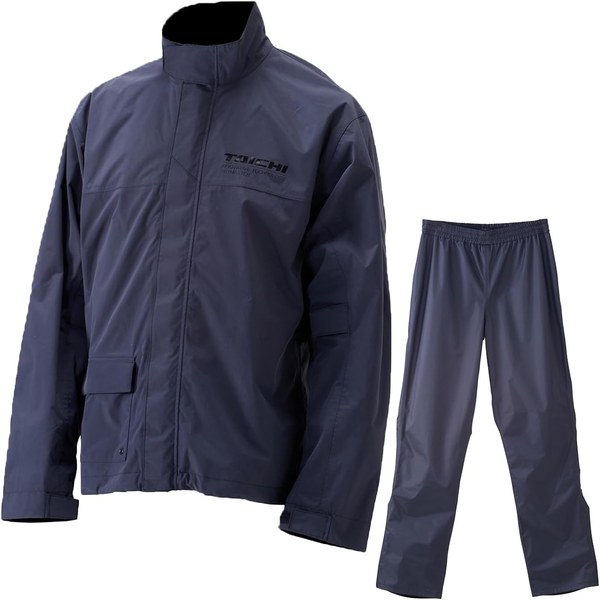
RS TAICHI RSR048 DRYMASTER Rain Suit (jacket + pants set)
A high-performance rain suit using RS TAICHI's own "DRYMASTER" material. The 20,000 mm water resistance is on par with a mountaineering hardshell and easily handles the high-pressure rain of highway cruising. With 10,000 g/m²/24h breathability, it stays un-stuffy even if you keep riding after the rain stops without taking it off. Velcro cuffs, waist adjustment, ankle zips, and a night-visibility reflective prism — it's all designed for hours of rain exposure on a bike. The included stuff sack is compact enough to wedge into a gap in a seat bag or side bag. It's pricier than a generic rain suit, but for a long Hokkaido ride where rain is a given, it's well worth the investment.
View on Amazon④ Camping Gear
The camping kit is covered in detail in a separate article.
⑤ Gadgets
In eastern and northern Hokkaido there are areas where even convenience stores are scarce. Phone charging and navigation are lifelines.
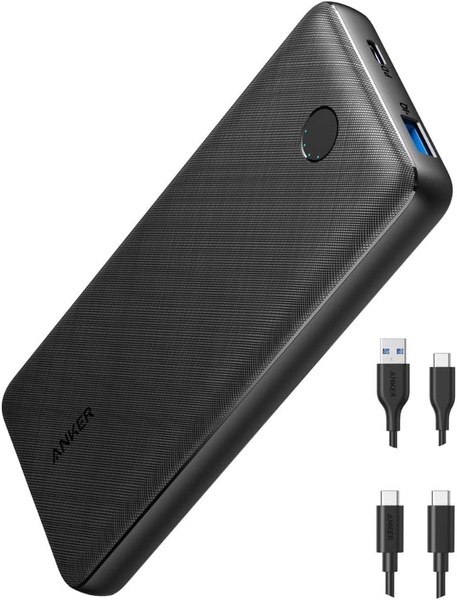
Anker PowerCore Essential 20000 PD 20W
Eastern and northern Hokkaido have few convenience stores, and sometimes you can't charge your phone until you reach your lodging. At 20,000 mAh it fully charges an iPhone about five times, so the worry of a dead battery disappears even on a 3–4 day camping trip. USB-C PD support fast-charges iPhone, MacBook, and cameras. It also stays within the airline lithium limit for carry-on (under 27,000 mAh), so it works across the whole trip — ferry, air, and road. It's fairly heavy, so keep it in the bottom of your seat bag in an easy-to-reach spot.
View on Amazon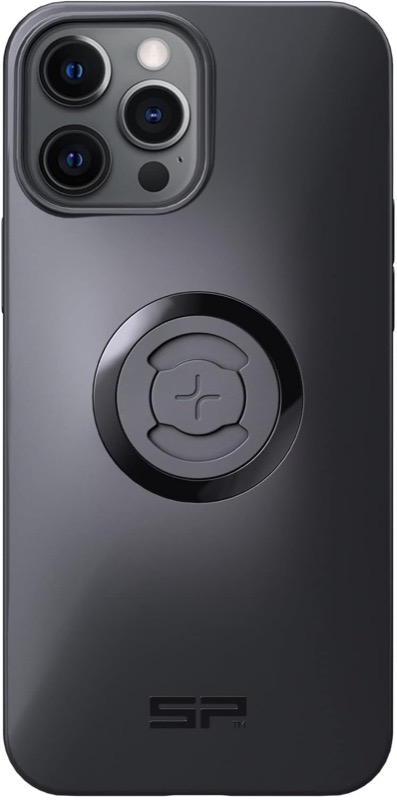
SP Connect SPC+ Smartphone Case (for iPhone 13 Pro Max / 12 Pro Max)
SP Connect is the most reassuring system I've used for phone mounting. A modular setup pairs a dedicated case with a mount; the SPC+ connector on the back of the case clicks into the bike-side mount in one motion. It has never come off while riding, and mounting/removal is one-handed and instant. MagSafe-compatible, wireless-charging-capable, and shock-absorbing — it works as a daily case beyond navigation. That said, you must buy the SP Connect dedicated case, designed per phone model. Pick the one that matches your iPhone / Android — otherwise it won't fit.
⚠️ You also need the bike-side mount separately. Case + mount together is the system.
▶ Recommended mount: SP Connect Moto Mount Pro (53138). CNC-machined aluminum bar mount, weatherproof, easy-on/off and one-touch case attachment. Amazon's Choice with a 4.7 rating — the standard.
▶ Pair it with the vibration module: SP Connect Anti-Vibration Module (52829). A vibration-absorbing adapter that sits between the mount and the case to protect your iPhone's camera (OIS) from engine vibration. For an iPhone 12 or later on a motorcycle, treat this as essential. Aluminum + rubber, rated 4.6.
View on Amazon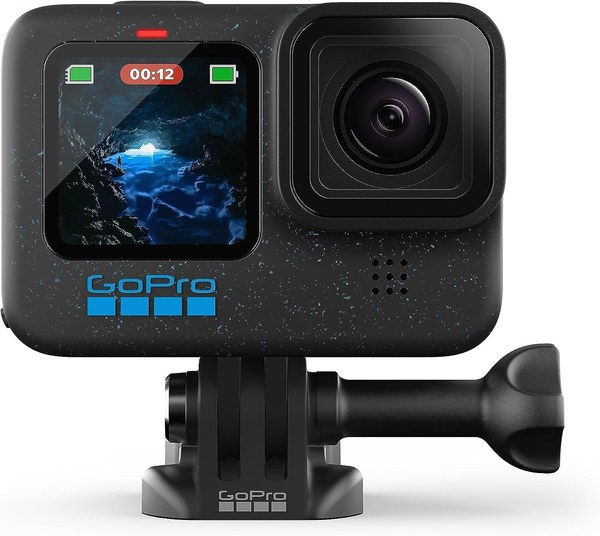
GoPro HERO12 Black (CHDHX-121-FW, Japan retail)
If you want to capture road scenery and onboard footage of mountain passes, a helmet-mounted action camera is the standard. HyperSmooth 6.0 electronic stabilization soaks up the bike's fine vibrations, so riding footage comes out genuinely watchable. The body alone is waterproof to 10 m, so no case is needed for a sudden shower on the Ororon Line. A microSD card, spare battery, and helmet adhesive mount are sold separately, so consider a bundle for a first purchase.
▶ If you prefer a 360° camera, Insta360 X4 (8K 360°) is another option. Because you choose the viewpoint after shooting, a single helmet mount captures every direction.
View on Amazon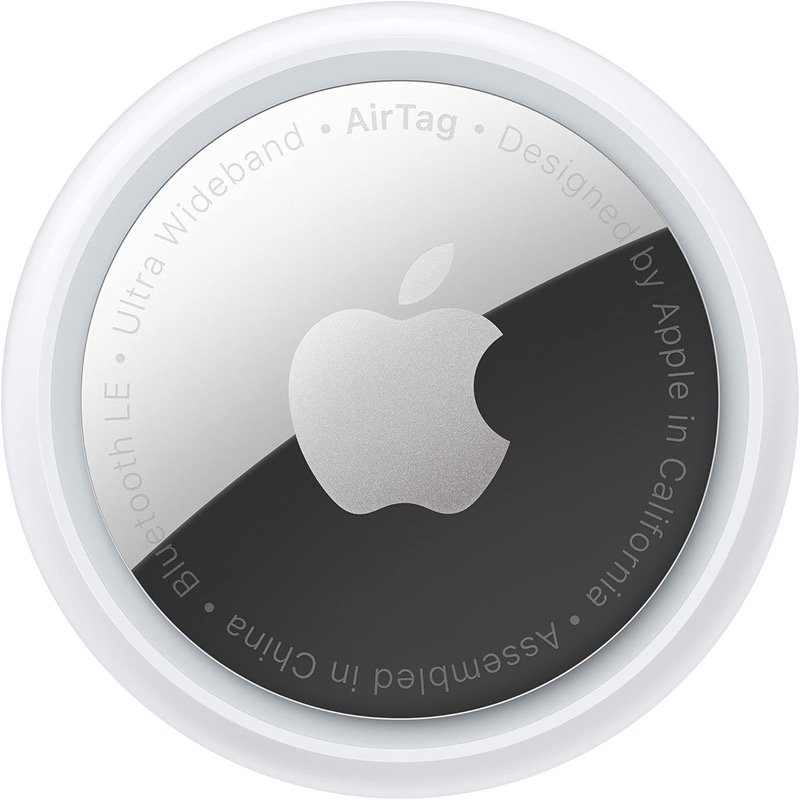
AirTag
It genuinely saved me when I lost my wallet in Esashi. Putting one in your bike key, your wallet, and each piece of luggage gives you a real margin of safety.
View on Amazon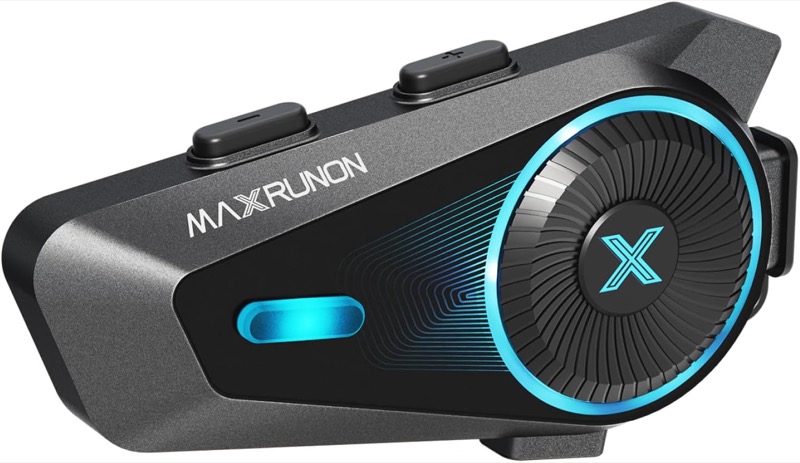
MAXRUNON D10 Mesh Motorcycle Intercom (Mesh-capable updated edition)
Cheap, but it does everything I want. Google Maps voice navigation, music, radio, even chatting with ChatGPT — all from this one device. Leave it in conversation mode and you can casually talk while riding, and ask about things you don't know on the spot — turning ride time into learning time. A great companion for long days on the bike.
▶ Mesh comms allow more stable group-touring connections than Bluetooth. With OTA updates and a dedicated app, you can expect feature updates after purchase. Priced at ¥7,980 with further coupon discounts (as of April 2026).
⚠️ Note: ChatGPT's Advanced Voice Mode has usage limits. Free plan caps around 15 min/month, Plus around 30–45 min/day; once you hit the limit, it falls back to the slower standard voice mode. If you want it usable for full days, plan around the Pro plan (unlimited voice) or running on the standard voice mode after the limit.
View on Amazon⑥ Bear Deterrents
At the entrance to the Shiretoko Peninsula, an official information board reads "Carrying bear spray is recommended." If you're riding Hokkaido, especially the east and Shiretoko area, this is gear to think about.
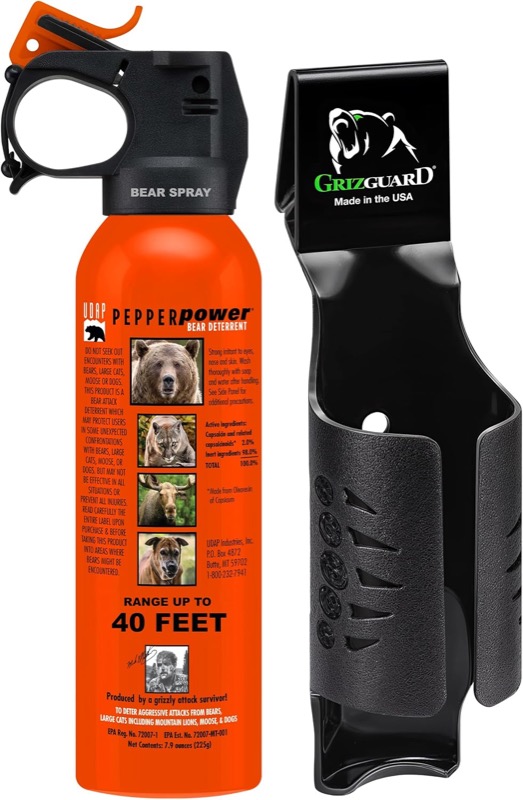
UDAP 12HP Bear Spray (with holster)
~9 m range, ~4 sec spray. Holster lets you carry it on your hip. Cannot be brought on aircraft, so buy in advance for a ferry trip or pick up locally.
View on Amazon⑦ Maintenance & Tools
Hokkaido has areas with few gas stations and bike shops, and even calling JAF can mean a two-hour wait. Minimal self-maintenance gear pays off even more here than on the main island.
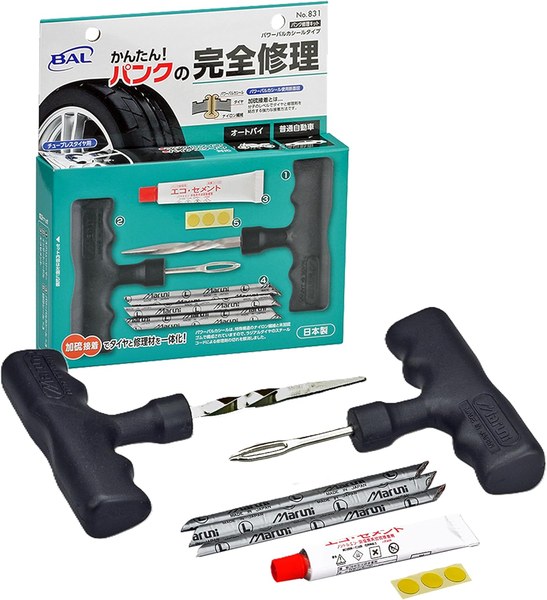
BAL (Ohashi Sangyo) No.831 Puncture Repair Kit
A power-vulcanizing seal type for tubeless tires. A puncture from a nail can be fully repaired by inserting a rubber seal. A rear-tire puncture on a bike is hard even to push, so being able to make an on-the-spot repair and ride off is a real relief. As long as you can top up the air again at a gas station or roadside stop, this kit plus the air pump below gets you rolling under your own power. The more compact BAL No.832 mini stick type (ASIN: B0027WREC6) is motorcycle-friendly and easy to wedge into a seat bag.
View on Amazon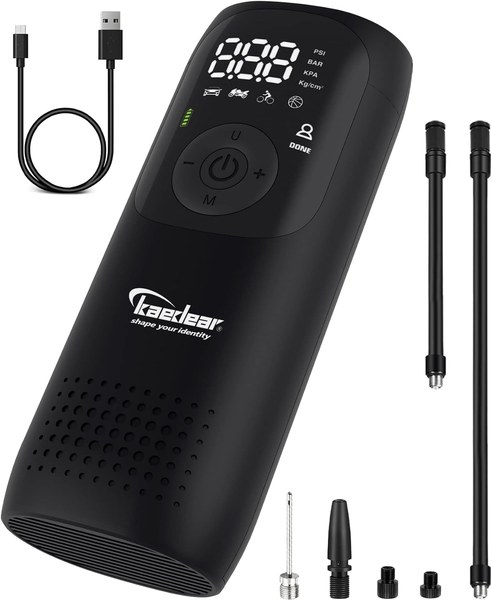
Kaedear KDR-AP1 Mobile Compressor
Kaedear is a Japanese motorcycle-accessory brand, and the KDR-AP1 is one of the few portable electric air pumps designed around motorcycle tires. With 20 L/min airflow and a 4,000 mAh dual battery, it inflates a bike's high-volume tires in a practical amount of time (the design differs from small bicycle-only pumps). Useful not only for re-inflating after a puncture repair but also for adjusting tire pressure mid-trip. Enter your target pressure (PSI/BAR/KPA/Kg/cm²), press start, and it stops automatically, so you can check quietly at night or before a morning departure. It doubles as a power bank to charge your phone and has an LED light — reassuring in an emergency.
⚠️ Compact electric pumps made for bicycles (e.g. CYCPLUS AS2 PRO) lack the air volume for motorcycle tires and take far too long, so for a motorcycle, choose a model explicitly marked as bike-compatible.
View on Amazon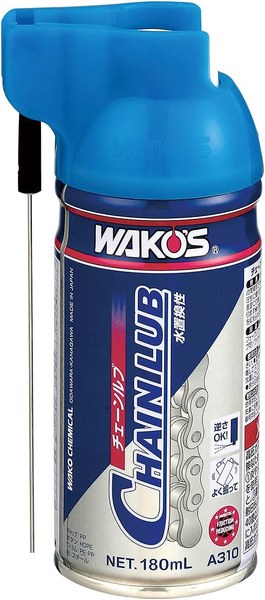
WAKO'S CHL Chain Lube A310 (180 ml)
A Hokkaido tour can mean 400–500 km a day, so chain wear and drying happen faster than on the main island. Lube it well before you set out, and re-apply once every 3–4 days en route. WAKO'S CHL flings off little and works on both sealed and non-sealed chains, so it suits any bike. The 180 ml mid-size won't run out on a single tour, so it covers both home maintenance and on-the-road touch-ups. After spraying, wait a few minutes and wipe off the excess lightly with a rag to reduce fling-off while riding.
View on AmazonSpare Brake / Clutch Levers (model-specific)
An easy thing to overlook is a spare lever. It's a classic for a lever to snap first in a tip-over, and in Hokkaido — where the nearest bike shop can be far away — "one broken lever, can't ride" is a real risk. Keep a spare left-right set in your tool bag and you can swap it on the spot even in the worst case and continue the trip.
▶ For the Yamaha SR400 (2001 onward, FI model): 6-position adjustable brake & clutch levers (fits SR400 3HTC-). Billet aluminum pair with a 6-step adjuster. ※ Not compatible with drum-brake models. ※ What I actually used was the U-KANAYA billet aluminum lever TYPE-S, now discontinued; the link points to an equivalent successor.
▶ For the Yamaha XSR900 (2022–current): Folding brake & clutch levers (fits XSR900 2022–2024). Foldable (pivots 90° to avoid breakage in a fall) plus a 6-step adjuster. Fits the shared MT-09 platform. ※ The originally listed product was discontinued, so the link now points to an equivalent successor.
⚠️ Lever shape differs by model and year, so always confirm your bike's model code before buying. Check "compatible models" on the Amazon product page.
Summary
Hokkaido is a different country from the main island. Brown bears, big temperature swings, scarce gas stations. But once you've assembled the gear to handle that, you get to roads and views the main island doesn't have.
If this gear list helps anyone heading to Hokkaido prepare a little better, that's the goal. Questions or recommended gear: [email protected].
References
※ This section combines public information with the author's notes; please confirm the latest details on the official sites.
- MOL Sunflower Ferry — Honshu–Hokkaido ferry official (motorcycle transport)
- Hokkaido Tourism Organization — Visit Hokkaido
- Northern Road Navi — Hokkaido road info, live cameras and route distance
- Hokkaido Government — Brown bear safety and sightings
- Japan Meteorological Agency — Hokkaido regional forecast