Morning after a night in Sapporo. The sky was overcast. Today's destination: Wakkanai. North up the Ororon Line, the Sea of Japan on the left — one of the highlights of any Hokkaido tour. I repacked the SR400 and rolled out of the Livemax.
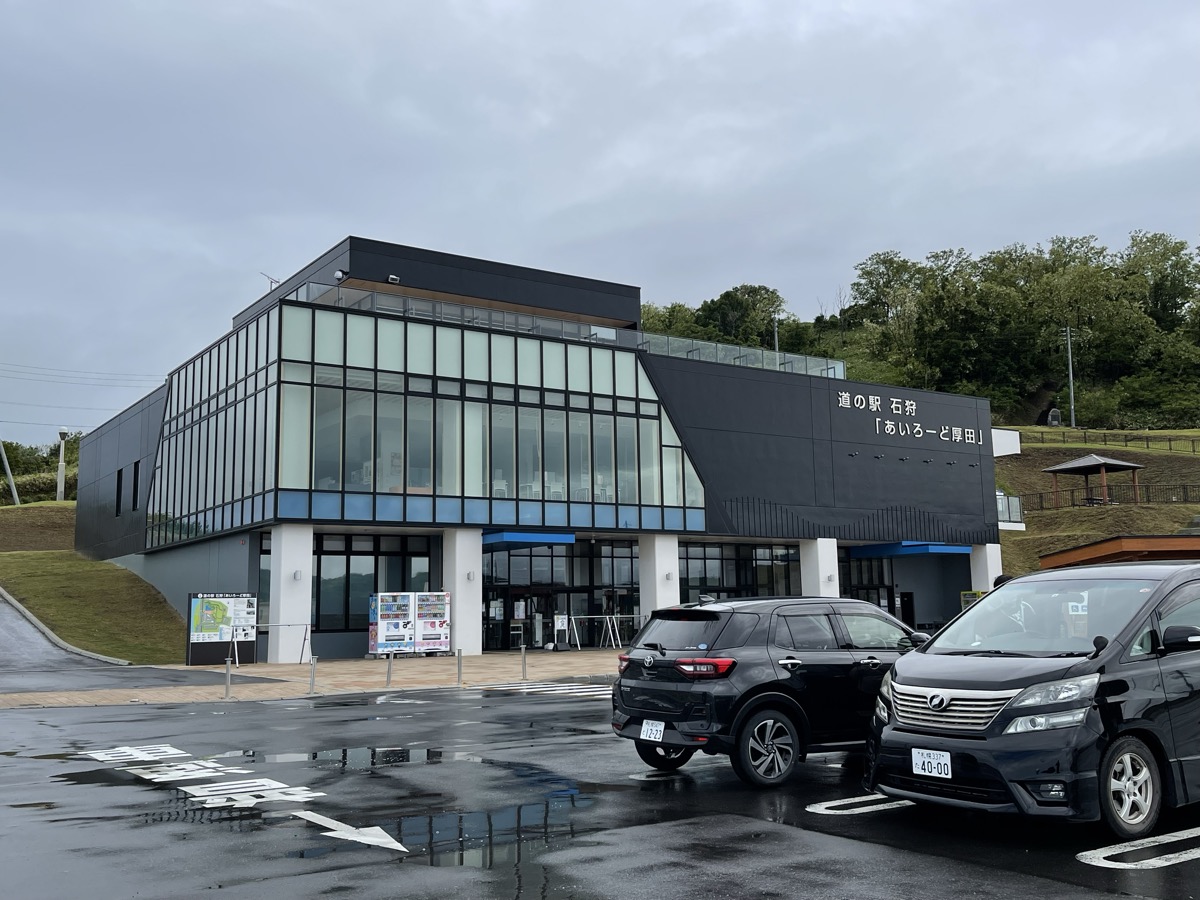
Out toward Ishikari — Roadside Station Airoad Atsuta
Through central Sapporo and out toward Ishikari. When the sea came into view I pulled into Roadside Station Airoad Atsuta. There's a deck with a wide view over the Sea of Japan; on a clear day it's supposed to be great. The clouds were low this morning, but the cold coastal air still snapped me into trip mode.
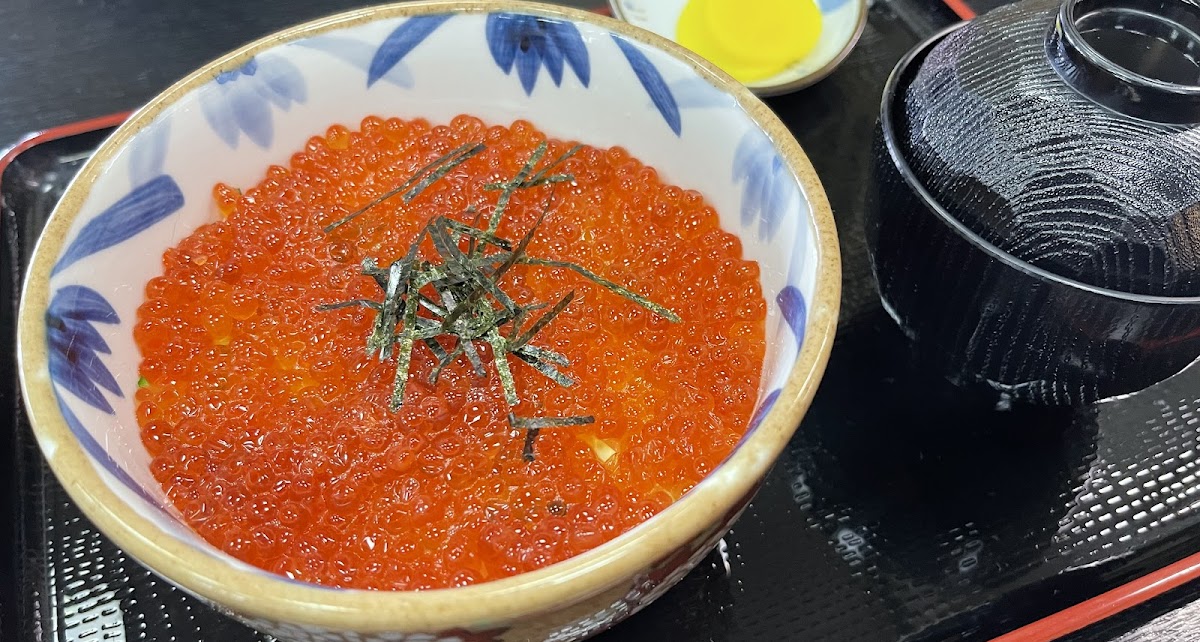
Ikura-don at Roadside Station Obira-Nishin-Banya
From Sapporo on, I'd been riding through on-and-off rain. Putting the rain gear on, taking it off, until I was thoroughly chilled and my mood wouldn't lift. I stopped at Roadside Station Obira-Nishin-Banya because I'd hit my limit. The ikura-don I ordered almost as an afterthought turned out to be genuinely excellent. Fish-egg pop in every bite, the salt and richness sinking into a body that had cooled down too far. I had several seafood bowls in Hokkaido that trip — this one stayed the best.
North up the Ororon Line
Warmed up, north again. Up the Sea of Japan side on the Ororon Line. By the time I got near Teshio, the road opens out wide on both sides. Sea on the left, open plain on the right. No traffic lights. Almost no cars.
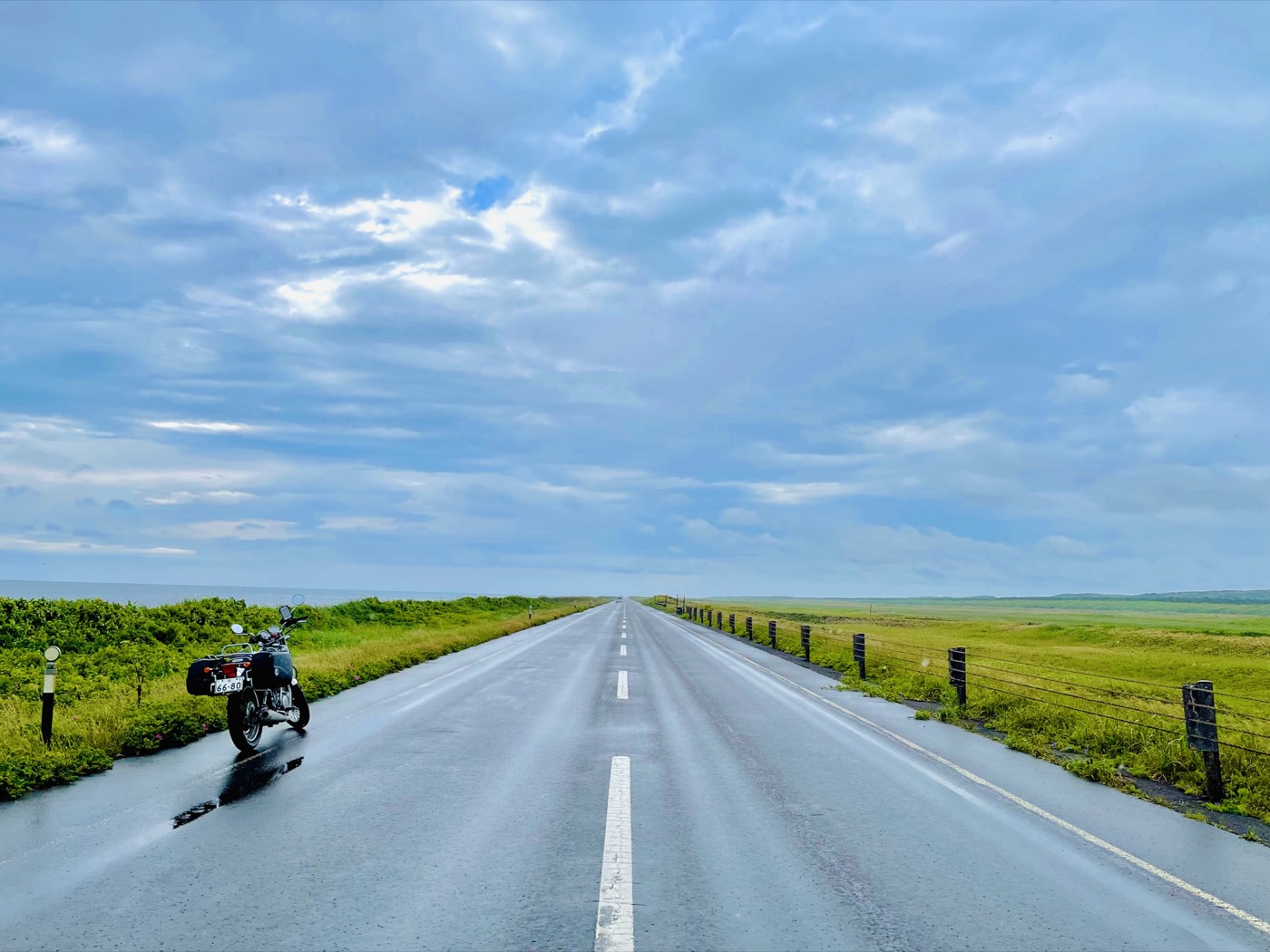
Rain kept coming and going, but the wet road mirrored the sky and made its own perfect scene. "Trips aren't only good when it's clear" — this is what that means.
Wakkanai — the North Breakwater Dome
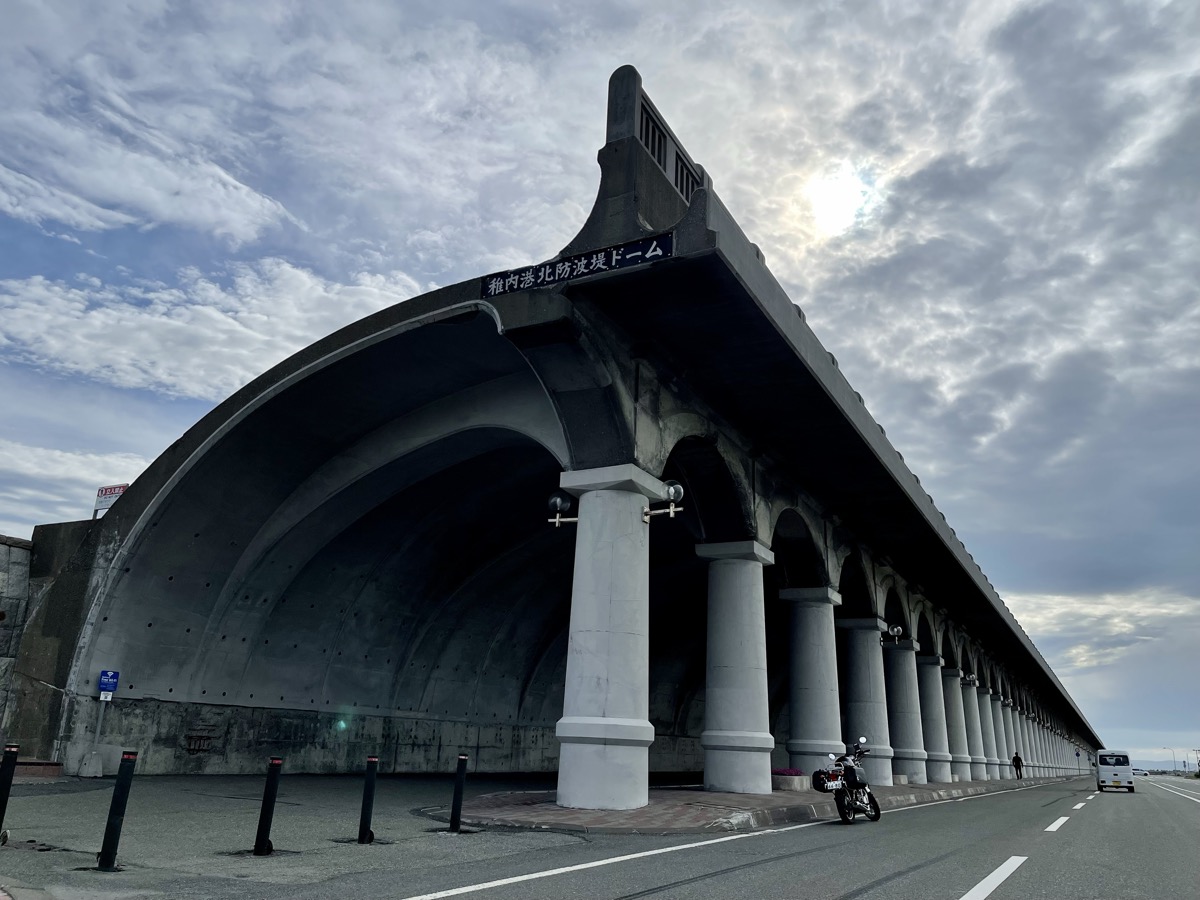
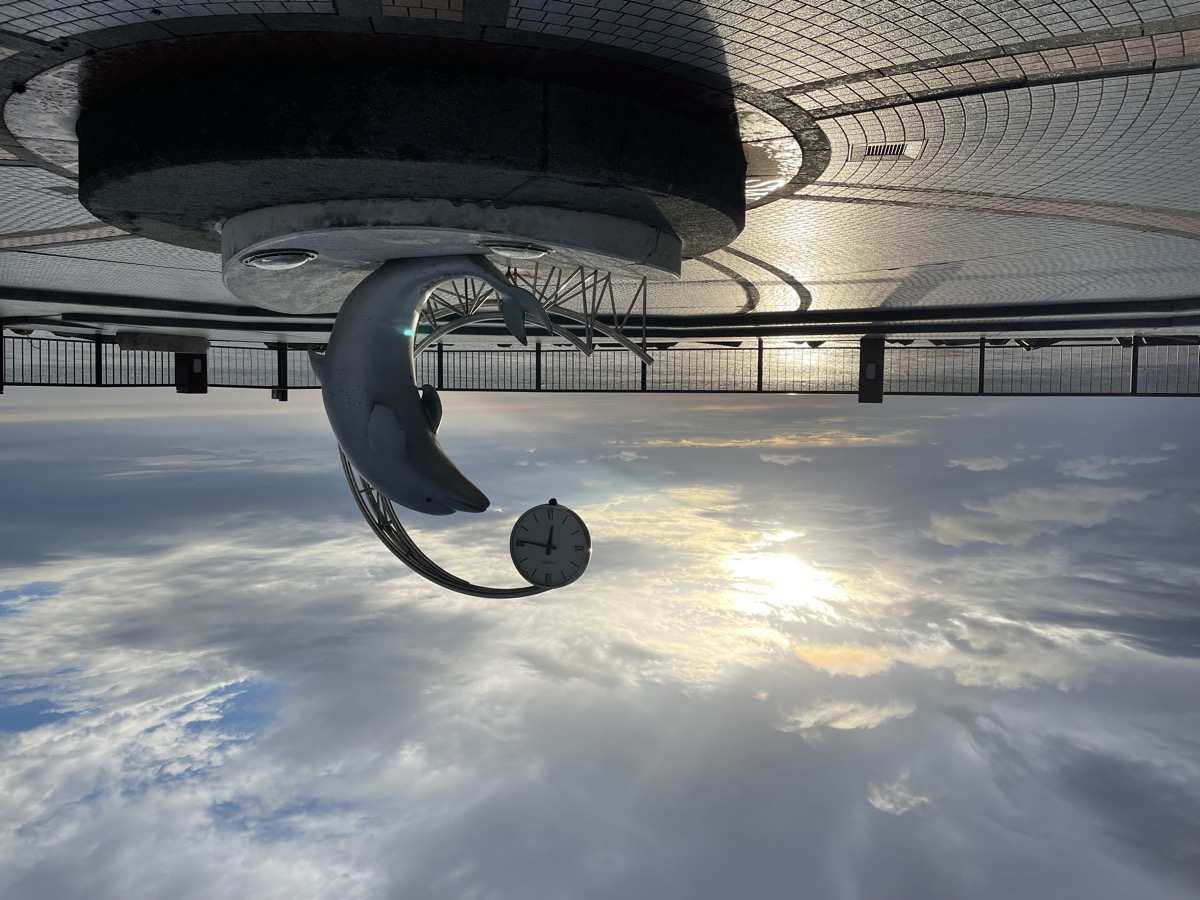
I rode the Ororon Line through to its end and reached central Wakkanai by evening. First stop: Wakkanai Port North Breakwater Dome. Concrete pillars line up like an ancient Roman temple — a strange-looking structure built in 1936 to protect the port from strong winds and high waves. Step inside and the wind whistling through echoes back; it makes the whole thing into an oddly resonant space.
Onsen Minshuku Kita-no-Yado
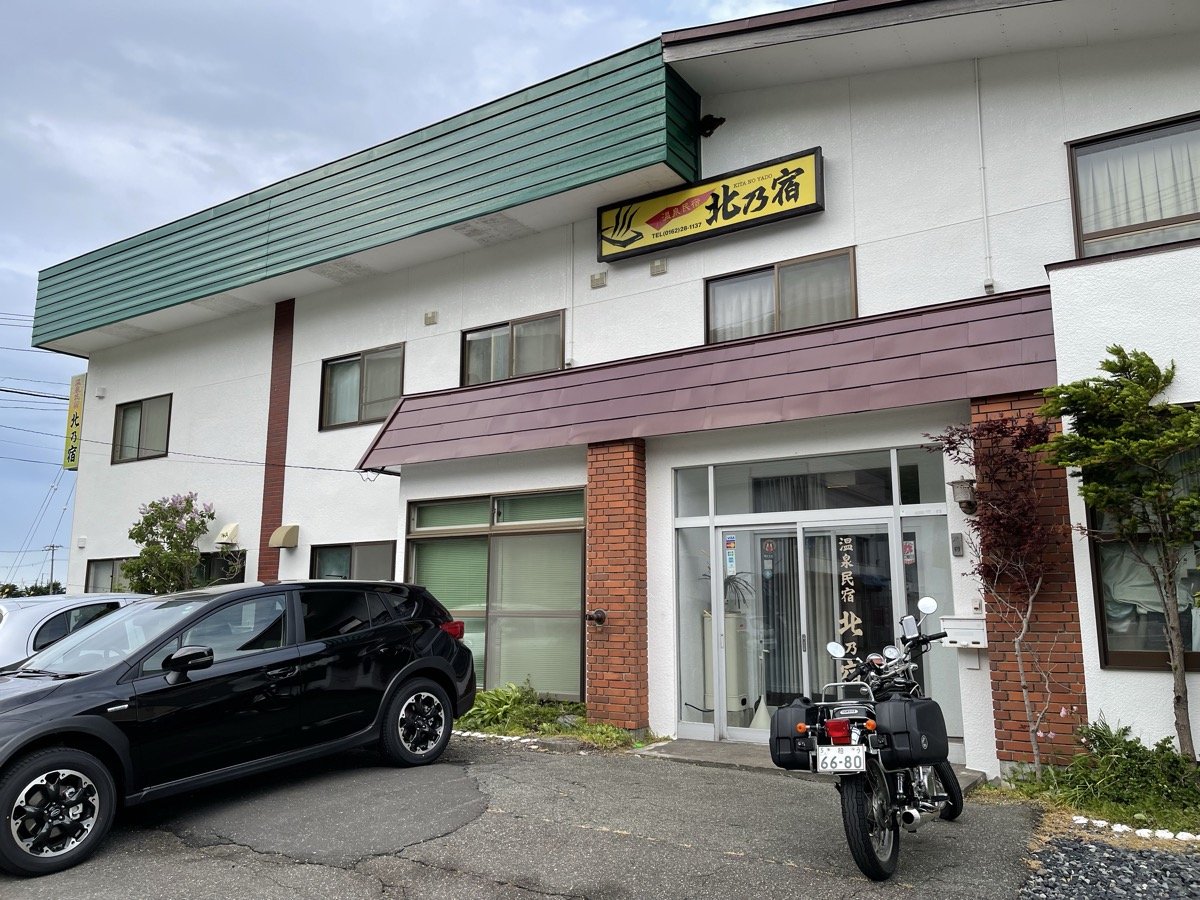
Tonight: Onsen Minshuku Kita-no-Yado, in Wakkanai's Fujimi area. By the time I got there I was chilled through; before unpacking, I beelined for the bath. The instant I dropped into the water up to my shoulders I genuinely felt revived. Comfortable for a solo traveler, and being able to soak the day's fatigue out of you in a hot spring is the best reward there is. Tomorrow: Cape Sōya and the Esanuka Line. Finally, the northernmost tip.
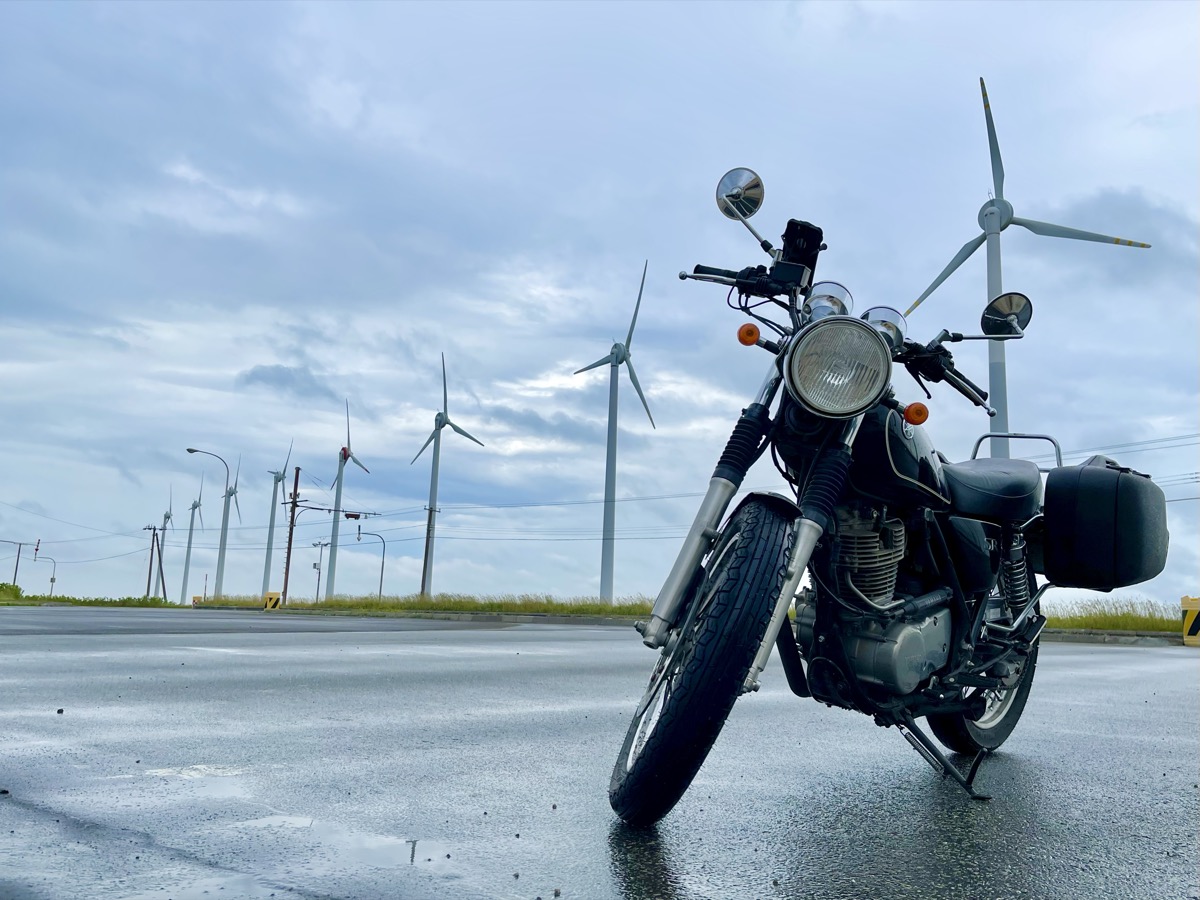
The Ororon Line is worth riding rain or shine. Sea, open plain, wind turbines, and a sky that's just absurdly wide.
Travel guide (general info)
※ This section combines public information with the author's notes; please confirm the latest fares, hours, and road conditions on the official sites.
How to enjoy the Ororon Line
- Section: National Routes 231 and 232, the Sea-of-Japan coastal road linking Ishikari, Rumoi, Obira, Tomamae, Haboro, Shosanbetsu, Embetsu, and Teshio.
- Prefectural Route 106 (Wakkanai–Teshio): Teshio to Wakkanai. A pole-free straight line crossing the Sarobetsu wilderness, including a stretch billed as "Japan's longest straightaway".
- Wind farms: Around Tomamae and Otonrui, lines of turbines define a postcard stretch.
- Fuel note: Coastal stations are sparser than inland. Refuel before sunset for peace of mind.
Roadside stations & local food
- Airoad Atsuta: Southern end of the Ororon Line, with a Sea-of-Japan observation deck.
- Obira Nishin Banya (Obira): Next to the former Hanada family banya, a designated Important Cultural Property; seafood bowls and ikura-don are local specialties.
- Sarobetsu wilderness: A visitor center between Teshio and Toyotomi towns lets you take in the wetland.
Wakkanai & the North Breakwater Dome
- North Breakwater Dome: Completed in 1936, a half-arch, semi-circular Roman-style structure; designated a Hokkaido Heritage.
- Wakkanai Station: Japan's northernmost rail station, with a "northernmost rails" monument inside.
- Fujimi onsen area: South of central Wakkanai, dotted with onsen-equipped minshuku popular with bike tourers.