Mexico City is too big to be experienced just by hopping between landmarks. Walk the side streets and you'll find breakfast stalls right on the sidewalk, walls covered end to end in graffiti, vendors set up under tents — a face of the city the guidebook attractions don't show you.
Start with a Mexican breakfast
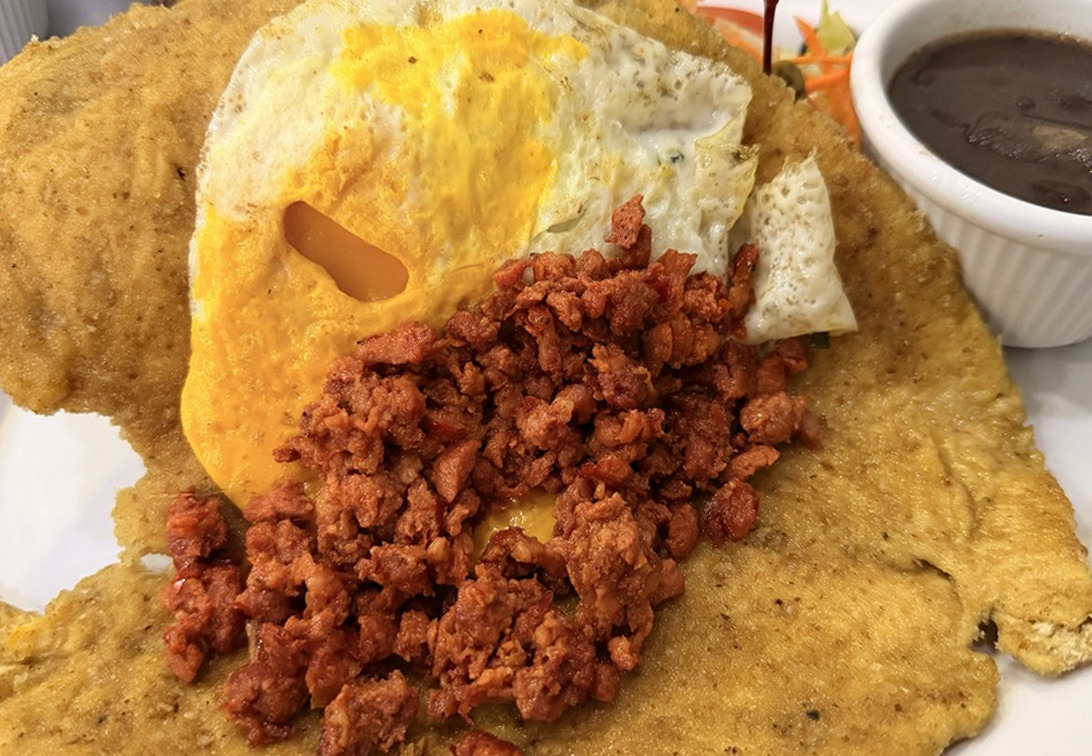
One thing I can't shake from this trip was the breakfast at a no-frills local place near the historic center. I ordered Huevos con Chorizo: spicy chorizo, fried eggs, and a black-bean paste, all on what looked like an oversized tortilla base. Big plate, very filling. A different take on a regional breakfast from Costa Rica's gallo pinto — Mexico's own breakfast culture comes through clearly.
La Ciudadela — the crafts market
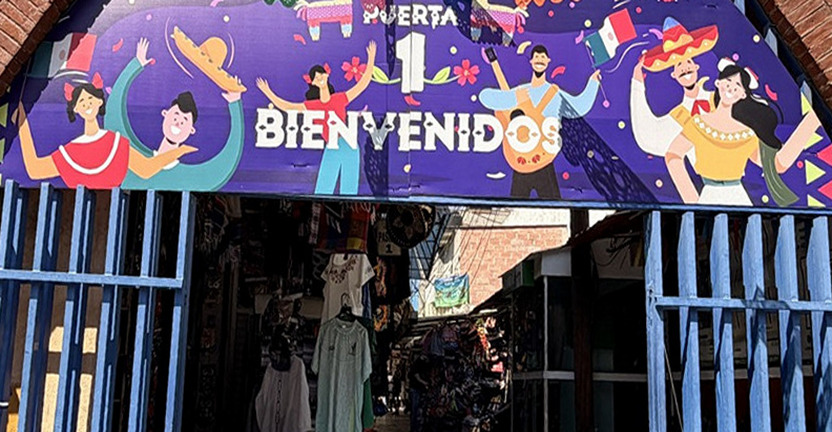
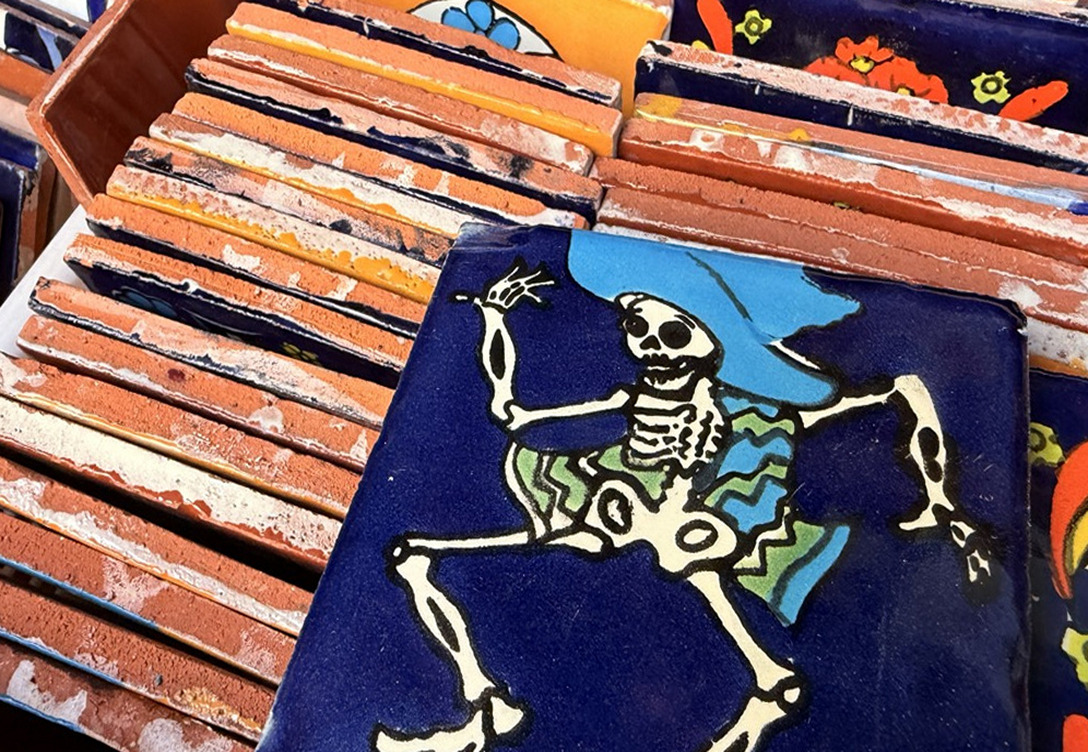
Walk a little west of the historic center and you reach the Mercado de Artesanías de la Ciudadela, a crafts market housed in what was originally a small fortress (ciudadela = "little citadel"). Folk crafts from across Mexico converge here: Talavera tiles, Oaxacan black pottery, Huichol beadwork, silver — you could easily spend a day looking through it all.
The selection is far broader than the souvenir shops in tourist areas, and the real pleasure is being able to talk directly with the artisans as you choose.
Monumento a la Revolución
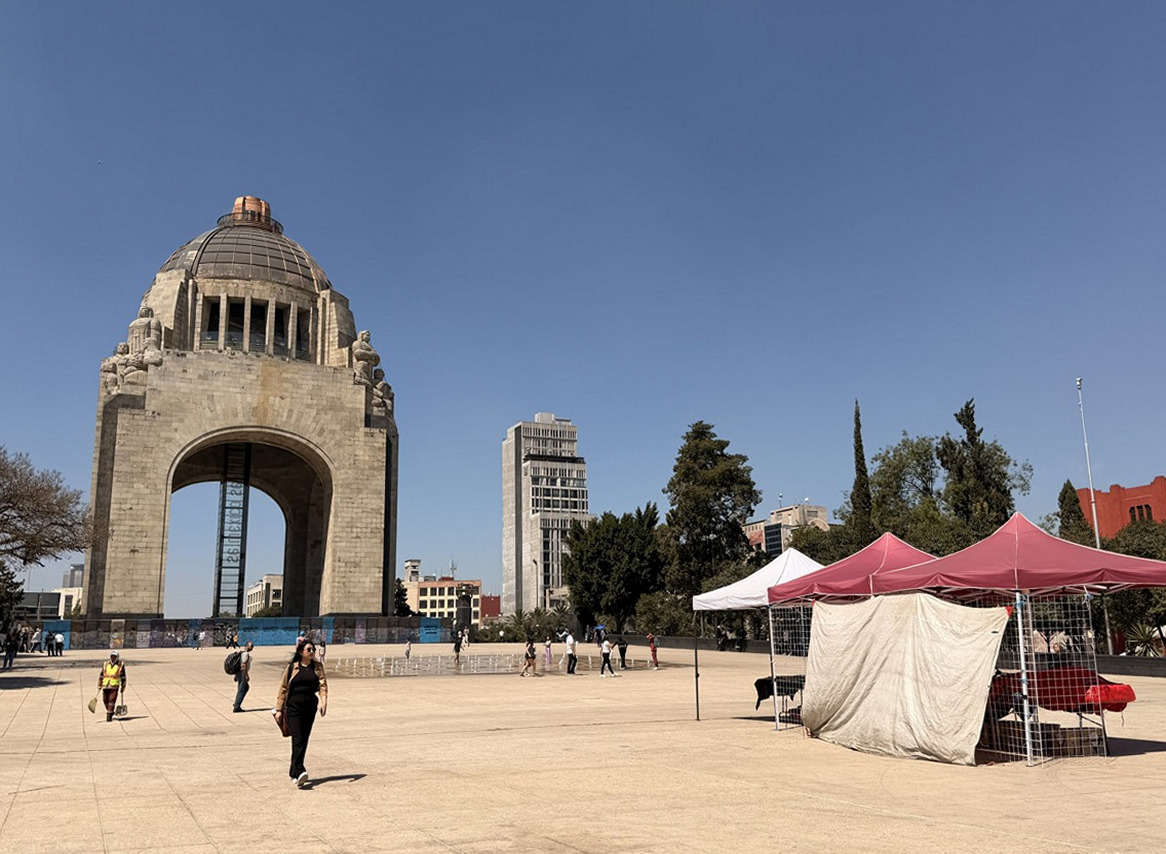
Walking further west from the historic center, a massive arched monument comes into view. The Monumento a la Revolución was originally designed under Porfirio Díaz as the Palacio Legislativo Federal (Federal Legislative Palace), but the 1910 Mexican Revolution interrupted construction. It was later redesigned and completed in 1938 under President Lázaro Cárdenas as a 67 m Art Deco monument to the heroes of the Revolution. The four pillars hold the remains of Madero, Villa, Carranza and Cárdenas — major figures of the Revolution, and an elevator takes you up to the observation level (mirador).
There were more locals than tourists — people on a stroll, kids on skateboards. Stalls and tents lined the plaza, and the place had that everyday Mexico City atmosphere.

Pollo con Mole
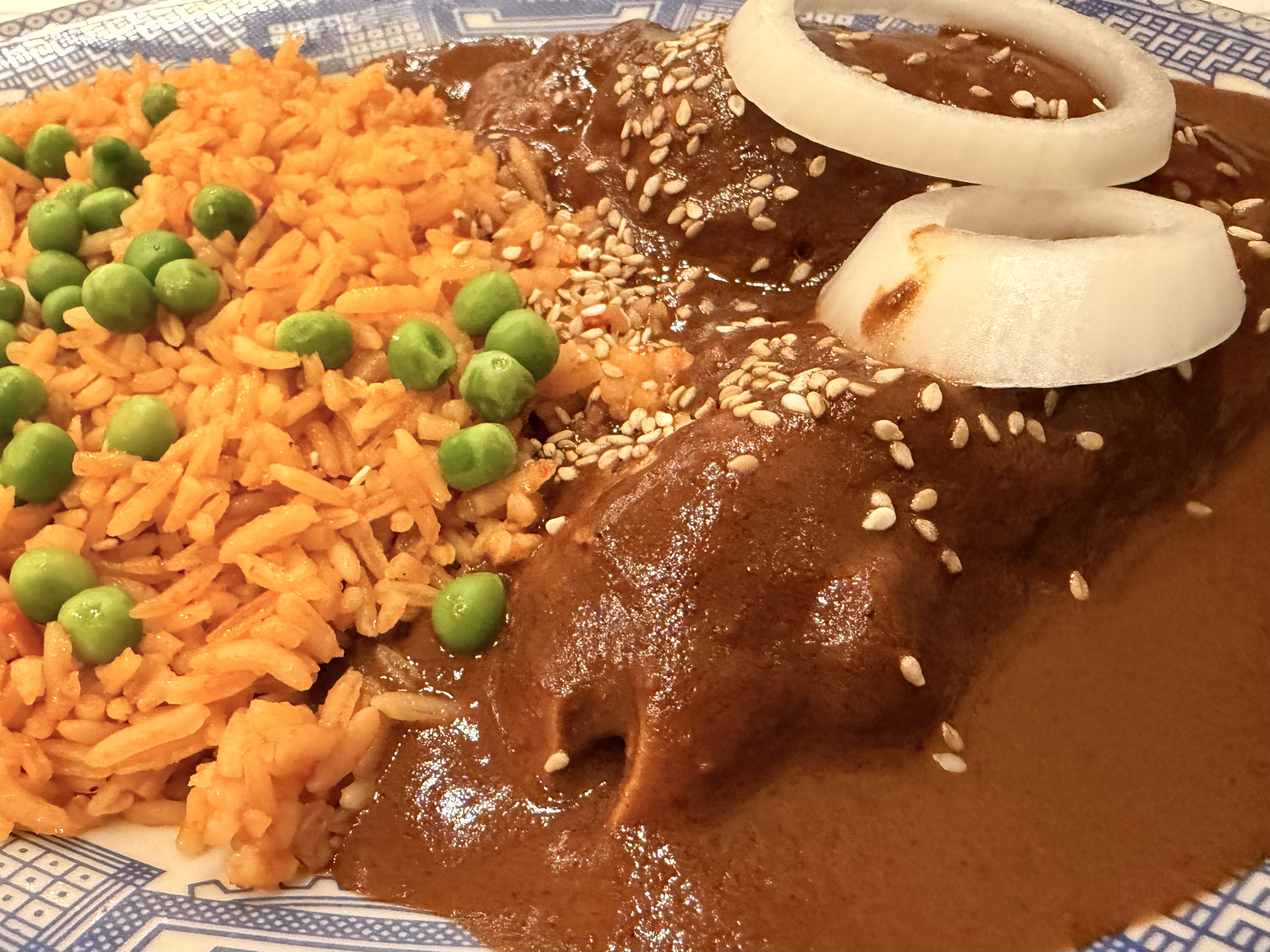
Another standout from the meals I had in Mexico City was Pollo con Mole. Chicken under "mole negro" — a black sauce blending chocolate with twenty-plus spices — is one of the country's iconic national dishes. "Mole" comes from the Nahuatl word "molli", meaning sauce; the dish itself is a fusion of pre-Columbian Mesoamerican ingredients (cacao, chiles, tomatoes, pumpkin seeds) with what the Spanish brought (almonds, cinnamon, raisins, bread). Oaxaca is known as the home of the "seven moles."
Sweetness, heat, and a complex web of spices all hit at once; the first bite makes you pause and ask "is this really how this dish is supposed to taste?" Even after years of Central American spice cuisine, Mexican mole is on a different level. Order it at a local place and it usually comes with rice and tortillas on the side.
I'd actually had this on my first trip to Mexico City — unforgettable enough that I had to find it again. After hunting around, I ended up at Casa de los Azulejos, a historic mansion with a facade entirely covered in blue tiles. The restaurant occupies the inside of the building.
The graffiti culture of the city
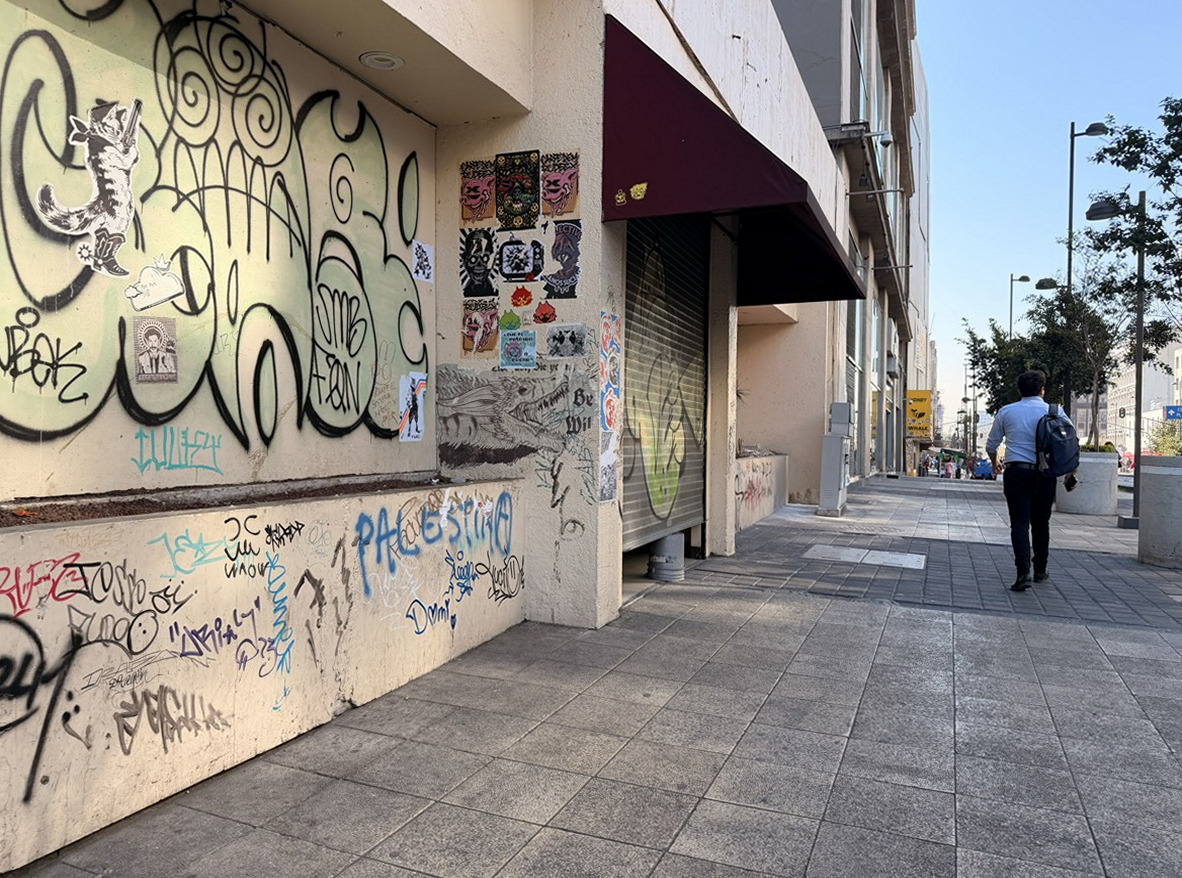
Walking the side streets of Mexico City, graffiti is everywhere. Not just tags — much of it carries social messages or genuinely artistic intent. A wall painted with a political slogan stands right next to an exquisite illustration, and that mash-up is very much this city.
Wall-sized street art and the broader muralist tradition are one of the city's great sights, and many people seek them out as photo spots. It's a different mode of urban-political expression than León's Sandinista revolutionary murals in Nicaragua — more layered, more daily.
Mexico City is just big. Distances, building scale, traffic volume, density of people — every dimension is on a different order than Central America.
Coming from Costa Rica, which I'd thought of as a "big country," I suddenly felt like I'd been living in the countryside.
Places visited
Travel notes (general info)
※This section is editorial reference based on public information. Please confirm prices and operating details on official sites.
Getting there
- Ciudadela market: 5 min walk from Balderas station (Metro Line 1)
- Monumento a la Revolución: 3 min walk from Revolución station (Metro Line 2). Mirador about MX$90
- Casa de los Azulejos: 3 min walk from Allende station (Metro Line 2)
- On foot: about 25 min from the Zócalo to the Monumento a la Revolución, easily done via Alameda Central park
- Safety: the central historic area is generally safe by day; be cautious at night and around Tepito
Recommended nearby spots
- Palacio de Bellas Artes — marble national arts palace, with Diego Rivera, Orozco and Siqueiros murals
- Alameda Central — Latin America's oldest public park (1592), in front of Bellas Artes
- Plaza Garibaldi — heart of mariachi, the spot for live music at night
- Mercado de la Merced — one of Latin America's largest traditional markets, 15 min walk from the historic center
- Coyoacán — artist district with the Frida Kahlo and Trotsky museums, 30 min by car