The heart of Mexico City: the Zócalo (Plaza de la Constitución). Sitting at 2,240 m elevation, this 240×240 m central square is among the largest in the world. Surrounded on all sides by Baroque historical buildings, you can feel the layered history of Mexico simply by standing here. The surrounding historic district is a UNESCO World Heritage Site (1987): Historic Centre of Mexico City and Xochimilco. The square was created in the 16th century right after the Spanish conquest, by leveling the central temple precinct of the Aztec capital — and even today, three layers (Aztec, colonial, modern Mexico) overlap at exactly the same spot.
The Metropolitan Cathedral
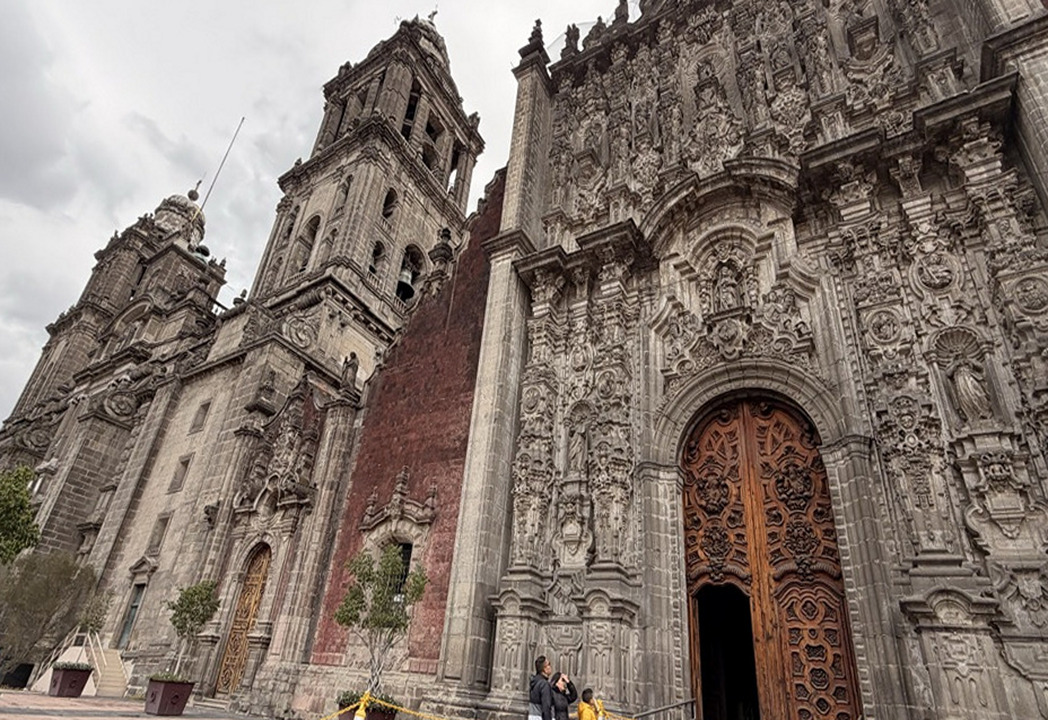
Facing the Zócalo, the Metropolitan Cathedral (Catedral Metropolitana) took about 240 years to build (from 1573) and is the largest Catholic cathedral in Latin America. The exterior layers Baroque, Renaissance, and Neoclassical styles — a product of that long construction.
The whole structure leans because of subsidence. Walking inside, you can feel the floor's faint slope. That itself tells the story of this city's geological layers — Tenochtitlán, the Aztec capital, once stood here, and the Spanish built their colonial city on top of it.
Templo Mayor — the Aztec Central Temple
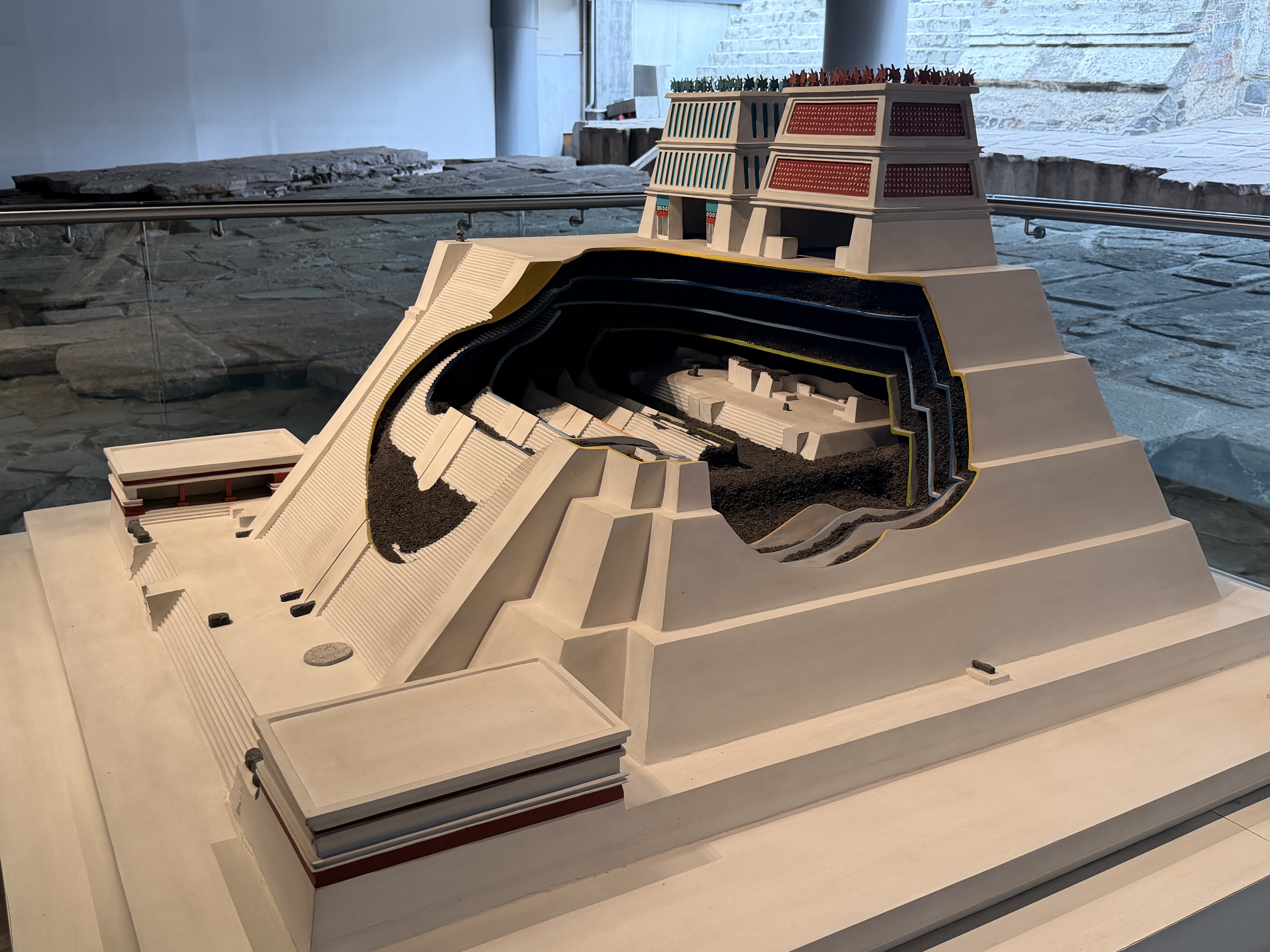
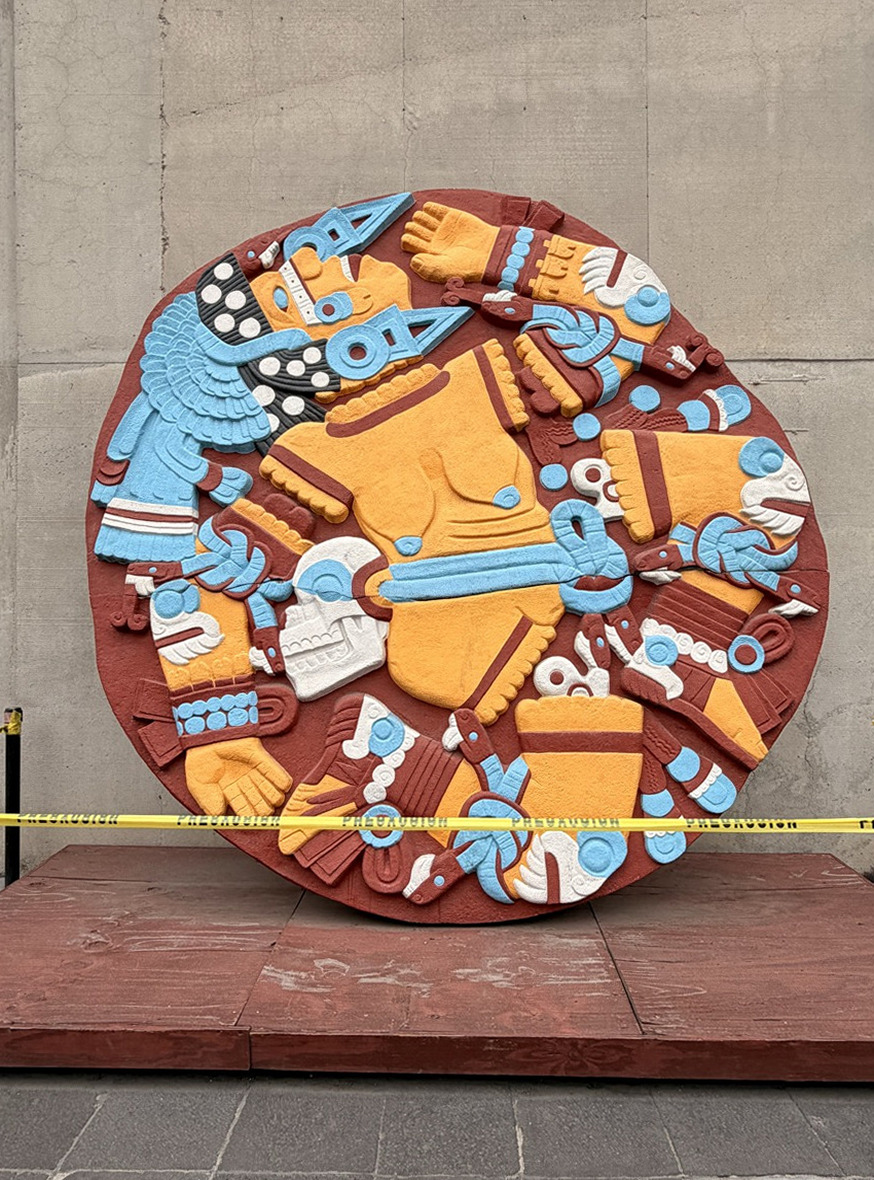
Right next to the cathedral, Templo Mayor was the central temple of Tenochtitlán, the capital of the 14th-century Aztec empire. Dedicated to both the rain god Tlaloc and the sun-and-war god Huitzilopochtli, it was rebuilt seven times in the same spot, eventually rising to nearly 60 m. After the Spanish conquest, the temple was destroyed and its stones reused in the cathedral's construction. In February 1978, electrical workers digging in the area accidentally unearthed the "Coyolxauhqui Stone" (a 3.25 m carved disc of the goddess), triggering full-scale excavation that brought the buried temple back to the surface.
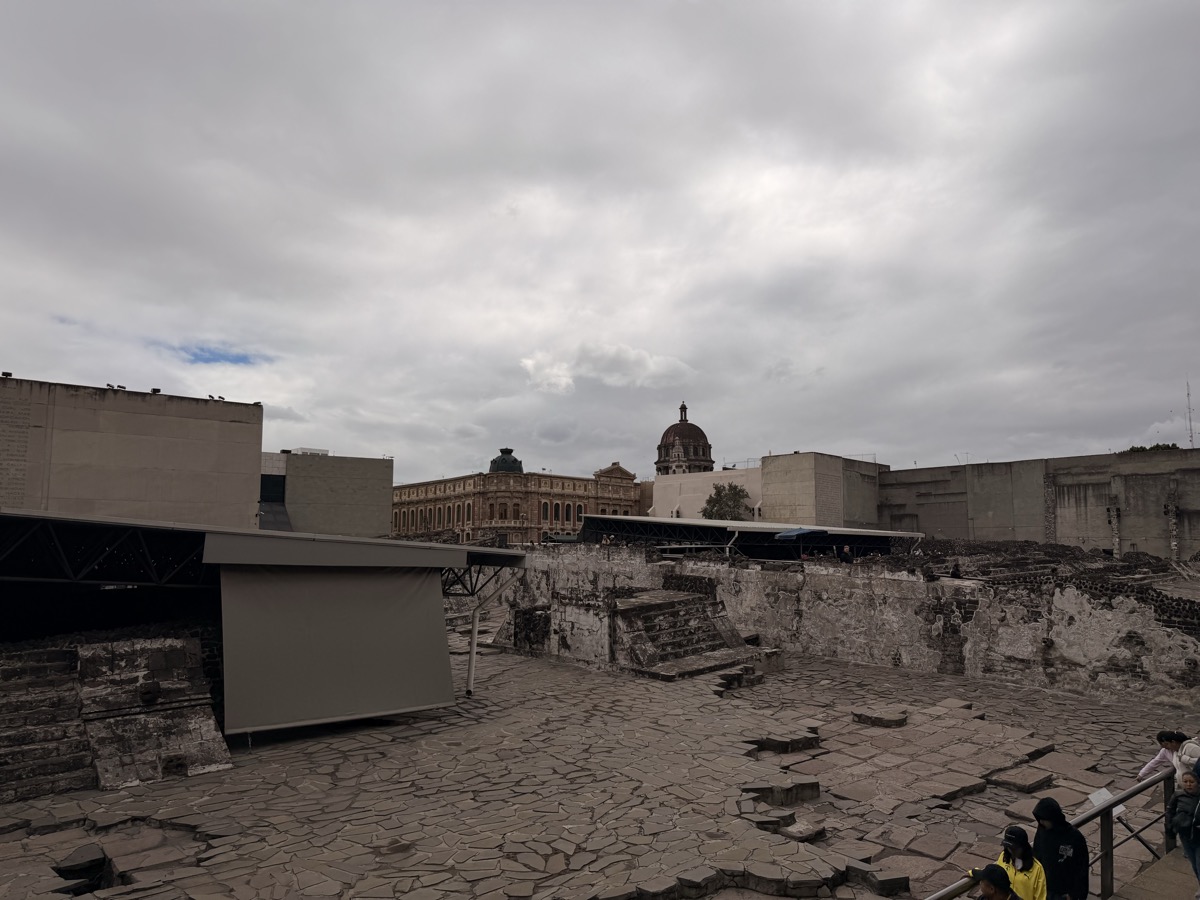
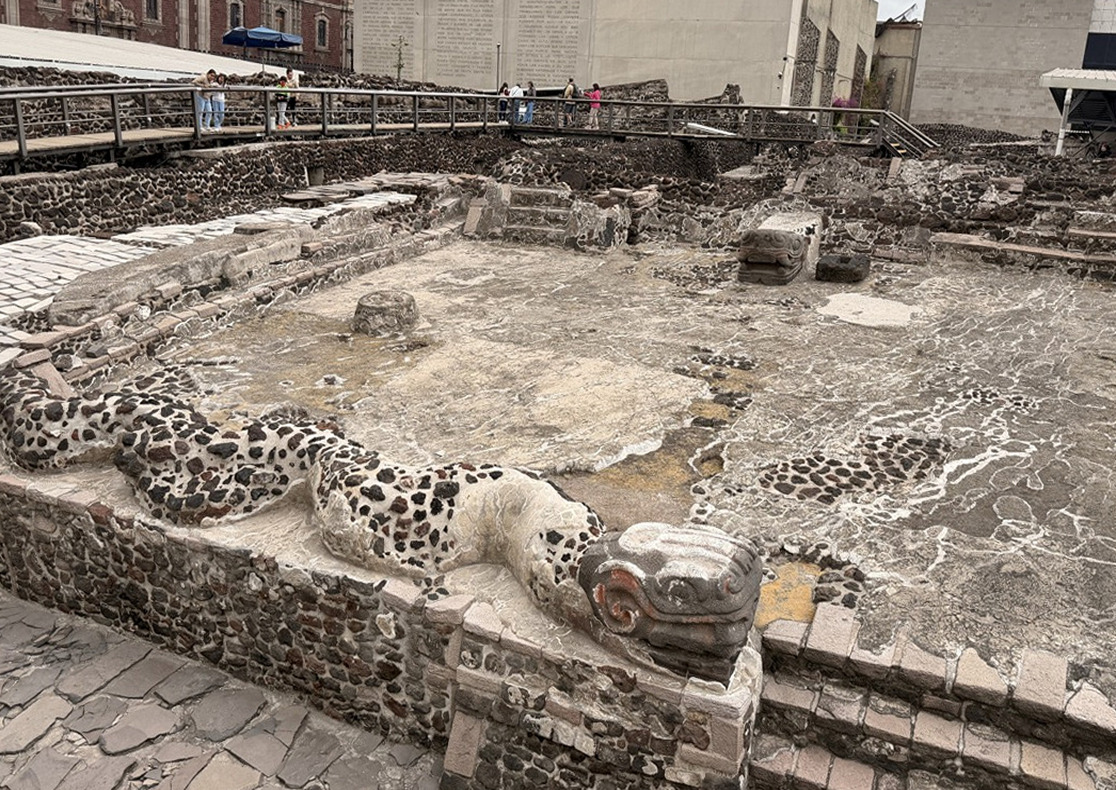
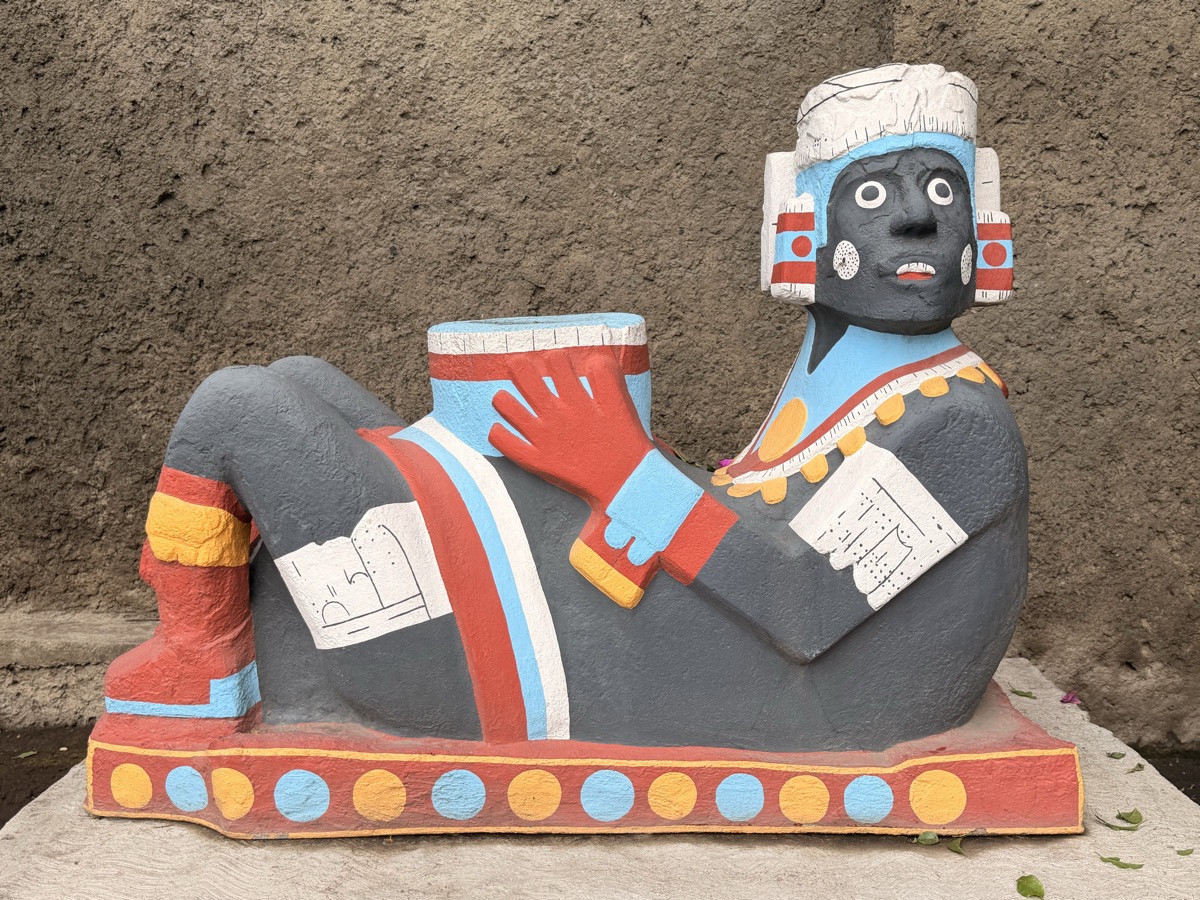
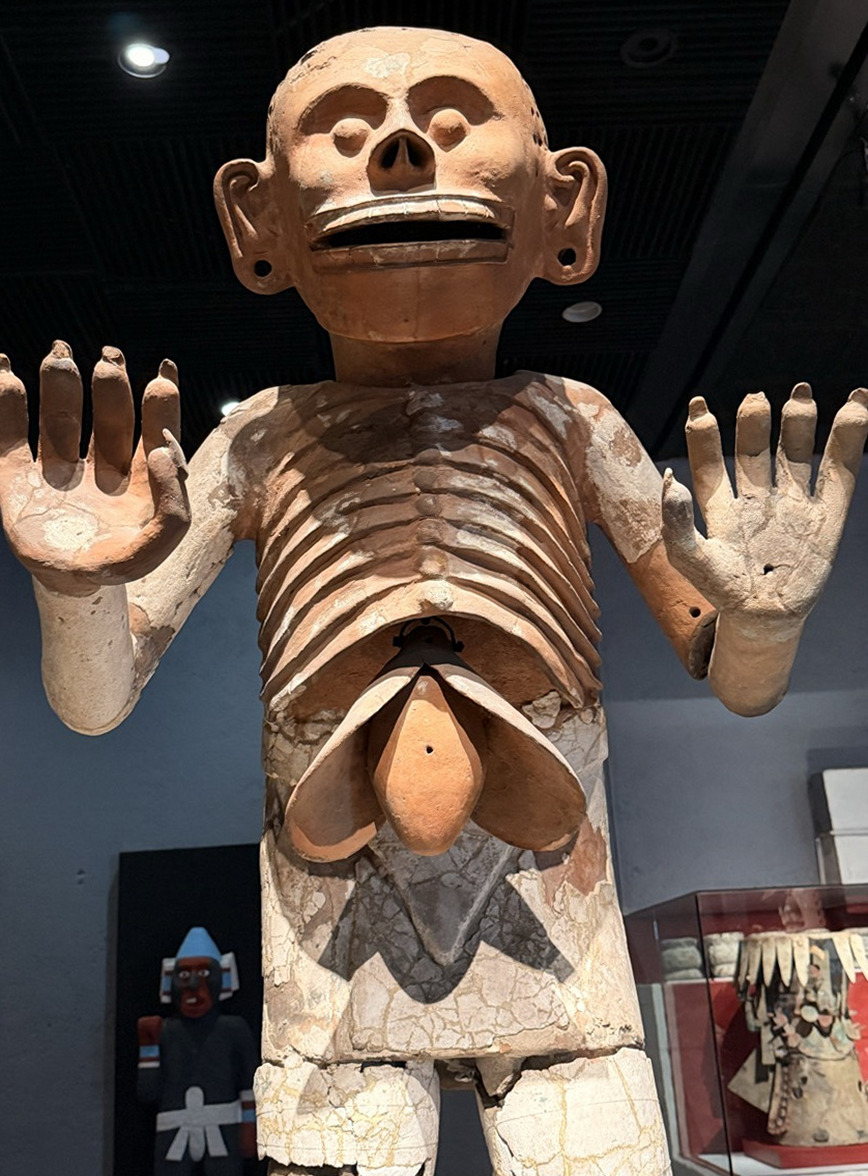
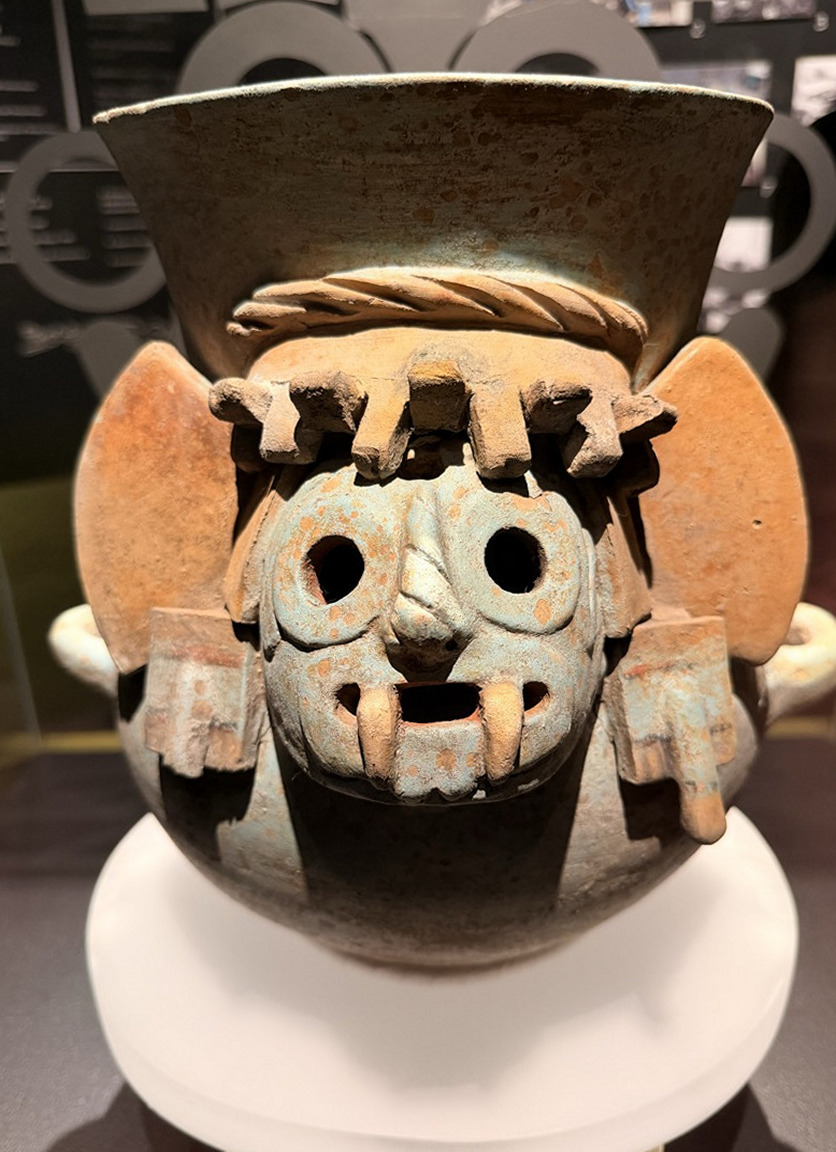
The on-site Templo Mayor Museum displays a vast number of artifacts. The sculptures concentrating the Aztec worldview are remarkable. The cross-section model of the temple shows clearly how the structure was built and rebuilt in layers.
Palacio Postal — A Hidden Gem of Architecture
About a 5-minute walk from Templo Mayor, the Palacio Postal (1907) is an Art Nouveau post office designed by the Italian architect Adamo Boari. It still functions as a working post office, but inside it looks like a European palace. Visiting is generally free and the interior is open (range may vary by tour).
It's said that this building, together with the neighboring Palacio de Bellas Artes (Palace of Fine Arts), inspired some of the visual design of Pixar's "Coco." Anyone who's seen the film may notice familiar details.
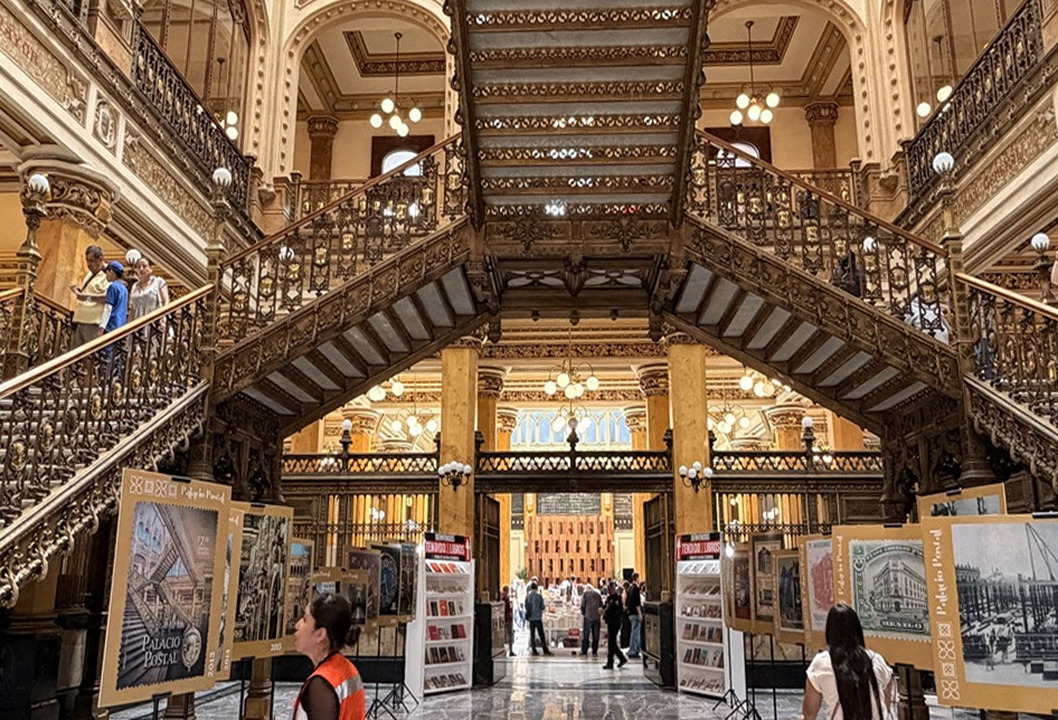
Walking around the Zócalo is most interesting when you keep "layers" in mind. A Spanish cathedral built on Aztec stones, an Art Nouveau building from the 1900s right next door.
Mexico City is a cross-section of history all by itself.
Spots from this trip
Travel notes (general info)
※This section is editorial reference based on public information. Please confirm prices and operating details on official sites.
Getting there
- Metro: Zócalo station (Line 2) — direct, beneath the square
- Metrobús: Línea 4 República de Argentina, 5 min walk
- Templo Mayor admission: about MX$95 for foreign visitors. Closed Mondays
- Palacio Postal: weekdays 9:00–18:00, also open Saturdays. Free entry
- Allow: Zócalo + Cathedral 30 min, Templo Mayor + museum 2–3 hours, Palacio Postal 30 min — half-day plan
Recommended nearby spots
- National Palace (Palacio Nacional) — east side of the Zócalo, with Diego Rivera's monumental "History of Mexico" mural
- Palace of Fine Arts (Palacio de Bellas Artes) — marble national arts palace, with murals by Rivera, Orozco and Siqueiros
- House of Tiles (Casa de los Azulejos) — 18th-century tiled mansion, now the flagship Sanborns
- Merced Market (Mercado de la Merced) — one of Latin America's largest traditional markets, 15 min walk from the Zócalo
- Plaza Garibaldi — heart of mariachi, the spot for live music at night