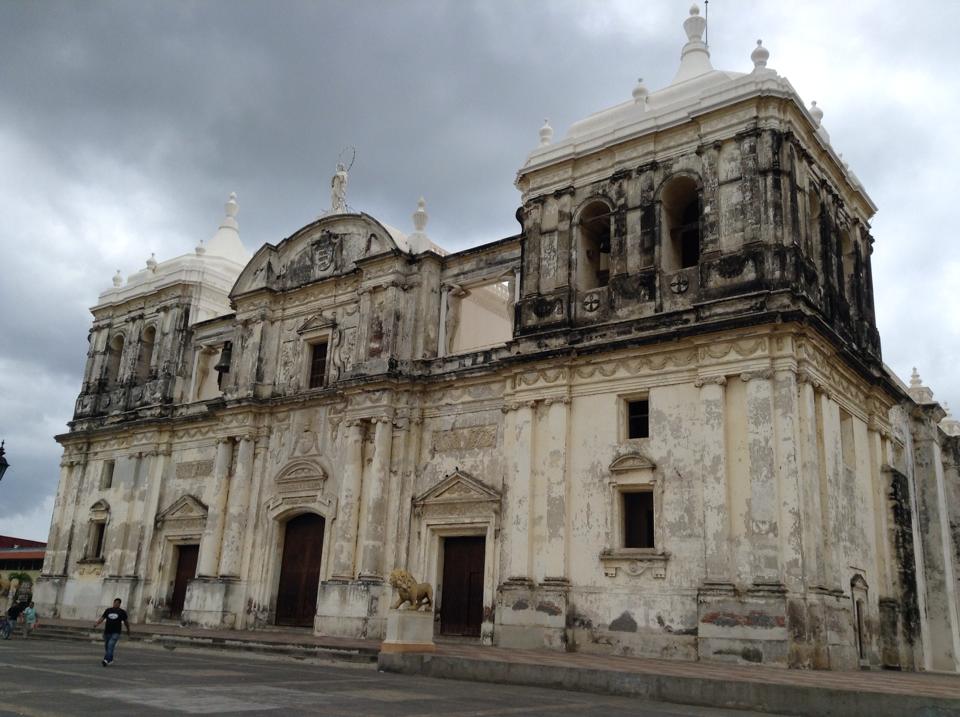
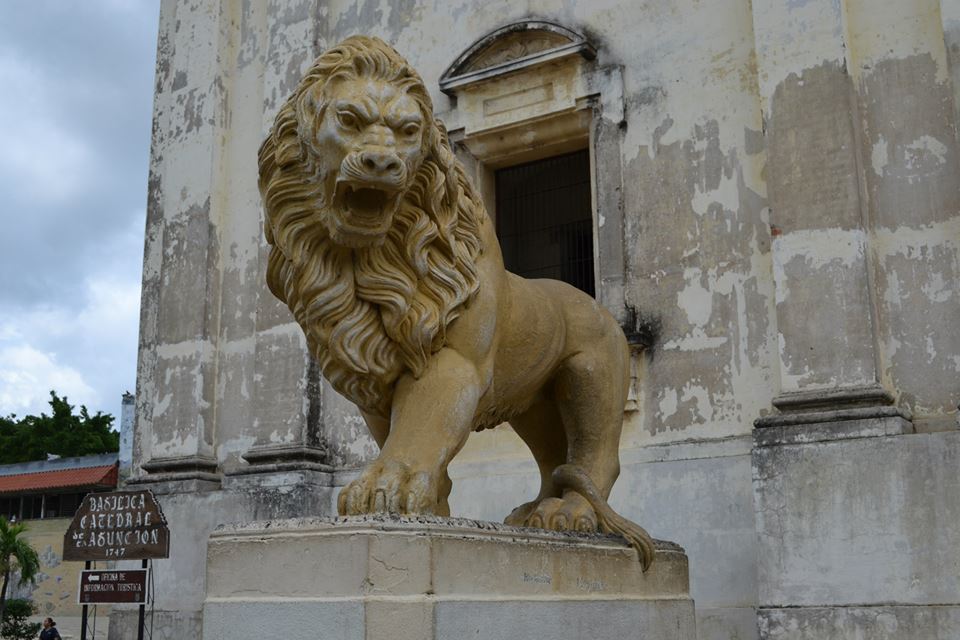
From Managua I took a long-distance bus to León, a city in northern Nicaragua. "León" is Spanish for "lion." True to its name, a lion stands in front of the cathedral in the center of town.
Sandinista country
León is known as a stronghold of the Sandinista National Liberation Front, and traces of the civil war are still very visible. Bright murals on walls and monuments standing in just about every direction make it clear that this isn't only a tourist town.
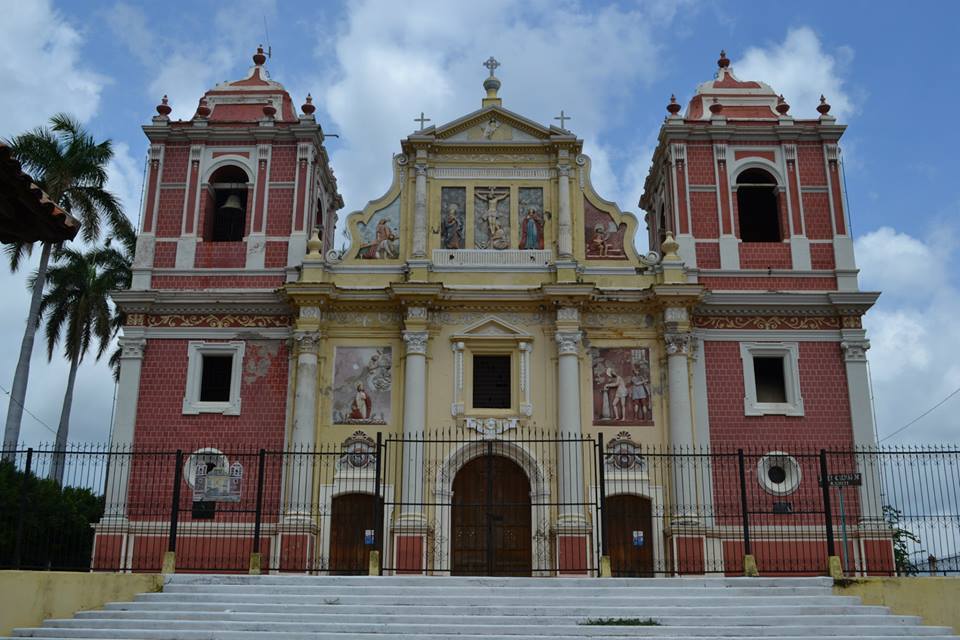
It also has a lot of churches, and the colonial Spanish architecture and the memory of the revolution sit together in an odd kind of contrast.
Rubén Darío's house
León's other great cultural site is the home of the 19th-century poet Rubén Darío. He's said to have had an enormous influence on Spanish-language poetry, and his birthplace is open to the public as a museum.
In the Spanish-speaking world Darío is apparently a textbook figure — locals would ask "do you know Rubén Darío?" and at the time, I'm afraid, I had no idea. After the trip I looked him up: a great poet, no doubt about it.
Heroes & Martyrs gallery
The place that left the deepest impression was the Galería de Héroes y Mártires. Built to preserve records of those who fought in the civil war, it began — they told me — when local women started collecting the photographs themselves.
When I visited, the women on staff were eating lunch in the courtyard. A cat strolled around at their feet. They greeted me with a smile and waved me in.
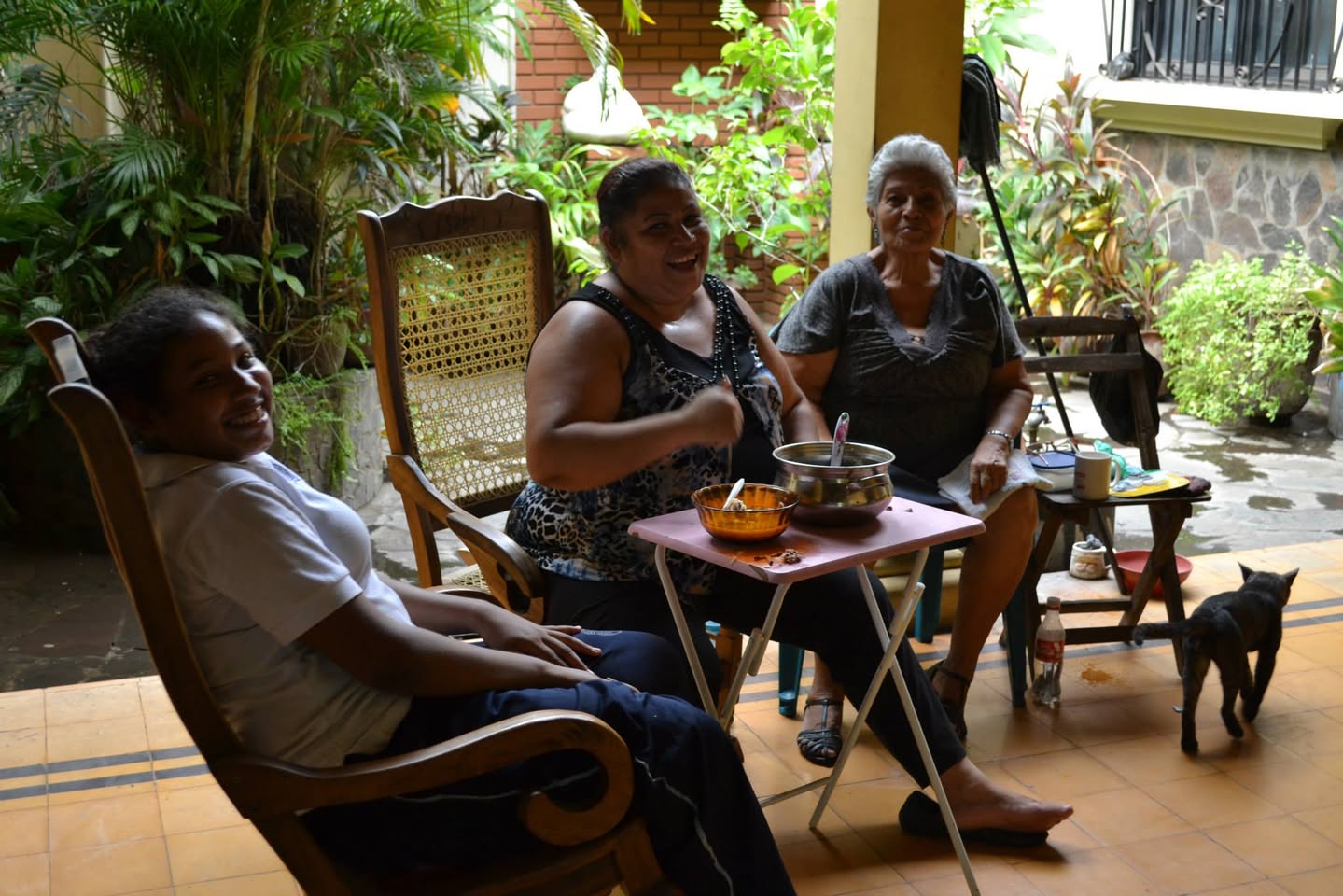
A white-haired woman came over to talk. Her son had been killed in the revolution. There was no photo of him, so they couldn't put him on the wall inside. And then — "my son died right around that corner" — and she pointed gently to the alley outside.
"It's peaceful now, though," she said quietly, with a small smile. The weight of those words stayed with me for a long time.
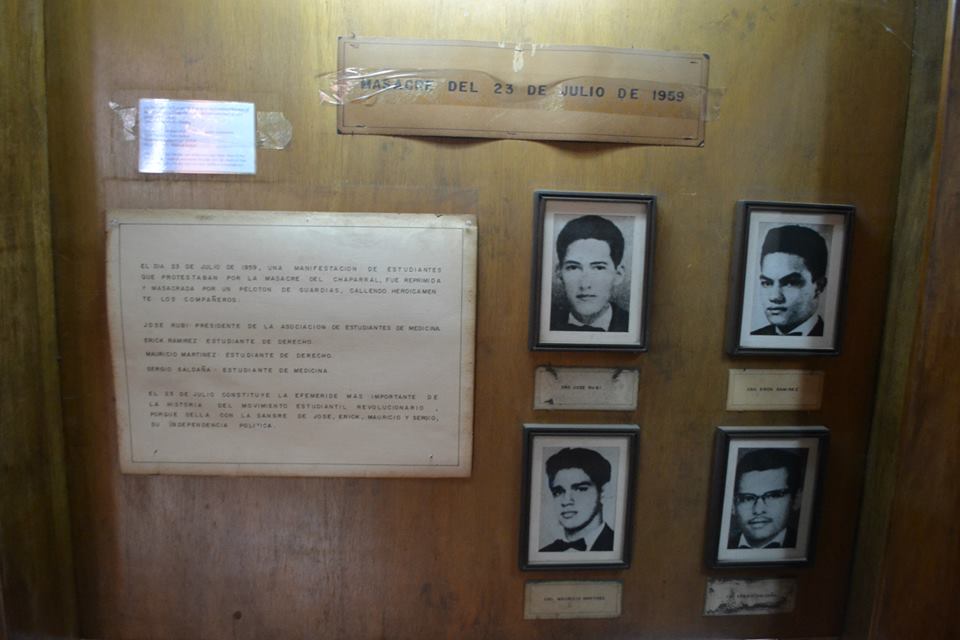
Looking at the rows of photos and realizing that most of them died in their teens or twenties — there was nothing to say. The revolution wasn't a chapter in a textbook. It was the story of people who had lived right here.
Lobster, and Central American eating
After the sightseeing, food. I had lobster and curry at a place in León. Around 2,000 yen all in — a bit pricey by Central American standards, but for lobster, very reasonable.
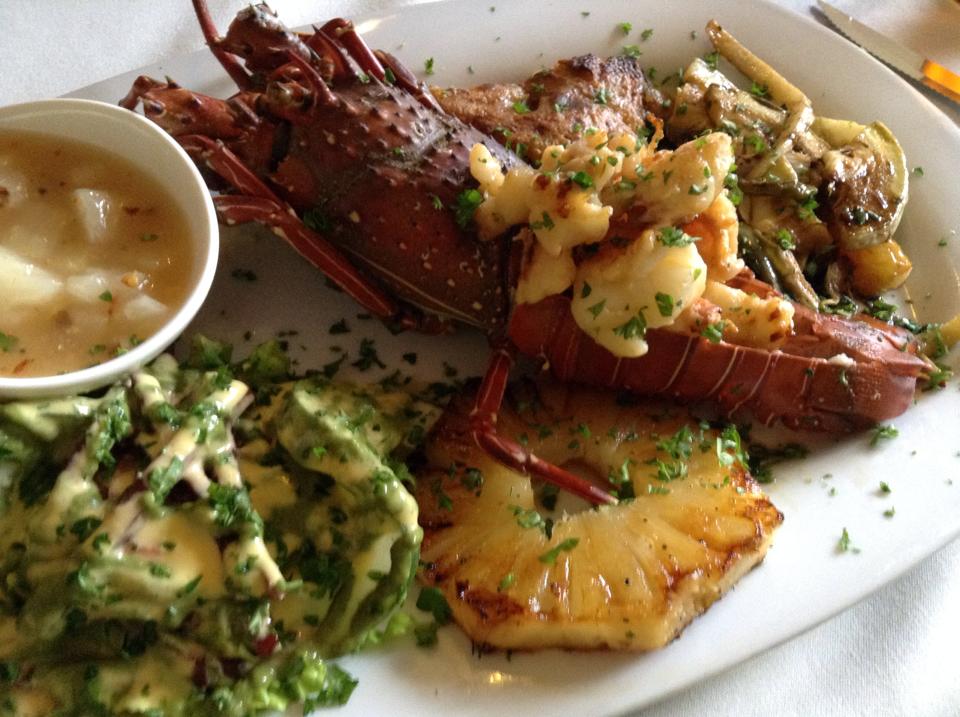
The next day I'd visit a rum distillery before continuing on to El Salvador.
Central American food becomes part of your trip's memory — that turned out to be true.
Including the bathroom the next morning.
Travel guide (general info)
※ This section combines public information with the author's notes; please confirm the latest entry, safety, and operating details on the official sites.
León and its cathedral (UNESCO World Heritage)
- Old León (León Viejo) was founded in 1524, abandoned after the eruption of Momotombo Volcano, and refounded at the present site in 1610. The Old León ruins are also a UNESCO site (inscribed in 2000).
- León Cathedral (Basílica Catedral de la Asunción) was built between 1747 and 1814 — one of the largest baroque cathedrals in Central America. Inscribed by UNESCO in 2011.
- Beneath the cathedral lies the tomb of Nicaragua's national poet Rubén Darío (1867–1916), guarded by a sculpted lion.
León and the Sandinista Revolution
- León was a spiritual stronghold of the 1979 Sandinista Revolution (FSLN) and a frontline city in the fight against the Somoza dictatorship.
- The Museo Galería de Héroes y Mártires is a citizen-led memorial built by the families and mothers who collected photos of their fallen sons.
- Murals from the revolution are scattered throughout the city, earning León its reputation as a "living museum" of contemporary history.
- The Rubén Darío Museum, set in the poet's birth home, charges a small entry fee (a few dollars).
Access, safety, practical info
- From Managua: 1.5–2 hours by long-distance bus (departing from La UCA or Mercado Israel Lewites). About 90 km.
- Volcano boarding (volcán Cerro Negro) nearby is one of the most popular activities in the region.
- Demonstrations and strikes since 2018 have made the city's mood variable; check your government's travel advisory for the latest.
- Local food: lobster, nacatamal (a corn-and-meat tamale wrapped in banana leaf), and the local rum Flor de Caña.
References
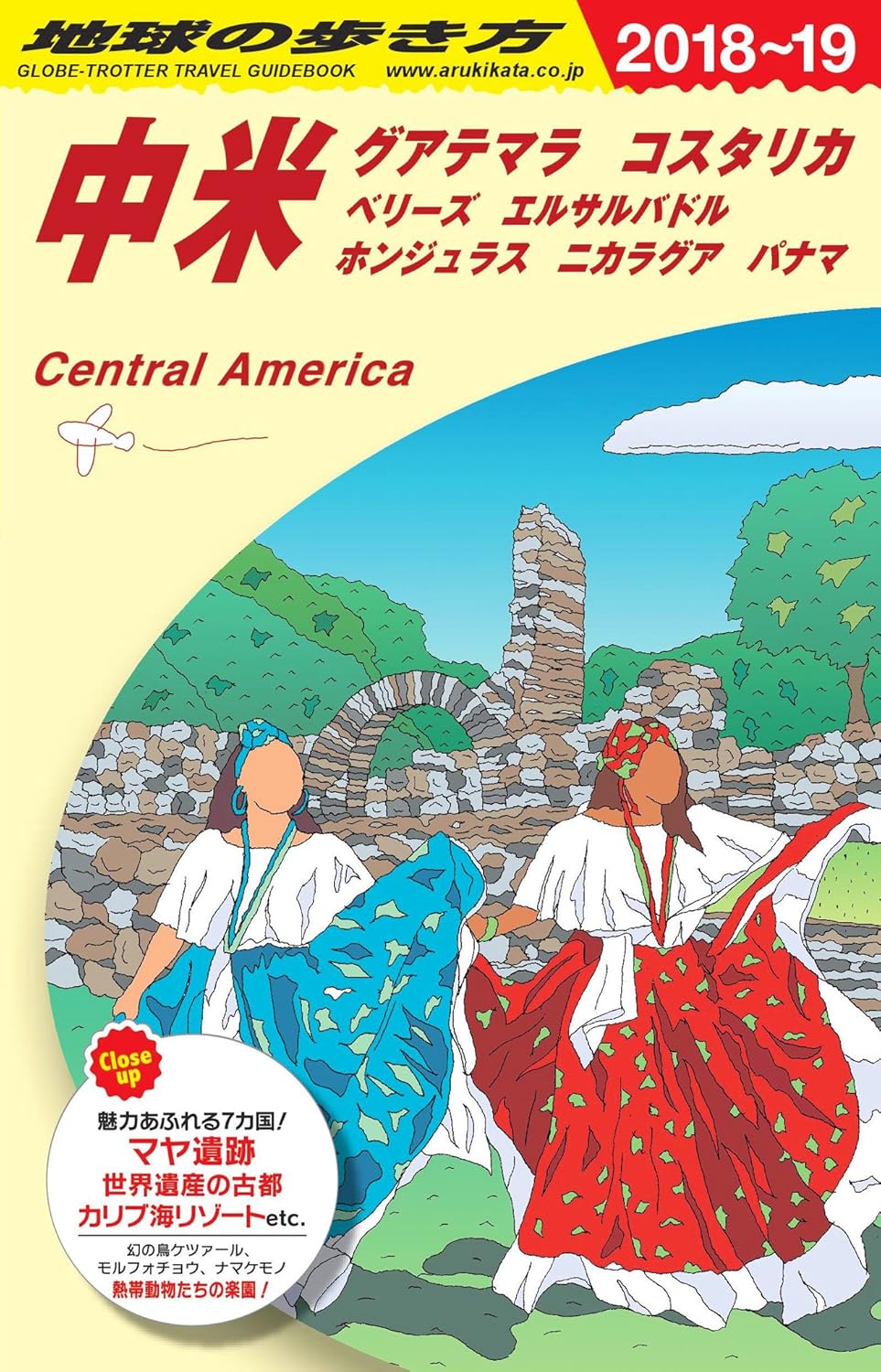
Nicaragua and Central America in a single guidebook — the Globe-Trotter (Chikyu no Arukikata) Central America edition covers Guatemala, Belize, El Salvador, Honduras, Nicaragua, Costa Rica and Panama. A go-to Japanese-language guidebook.